6 Best Warehouse Management Software for Mid-Size Retailers for 2026, Vetted and Compared
Best warehouse management software for Mid-Size retailers in 2026: 6 contenders with entry costs and free tiers. Read the caveats before you buy. Decide faster.
- Editor's choice
 Blue Yonder Warehouse Management
AI-driven optimization
Starts atPricing on requestVisit blueyonder.comFull review - Great alternativeFishbowl Warehouse
Small to mid-sized inventory management
Starts atPricing on requestVisit fishbowlinventory.comFull review - Also consider
 Manhattan Active Warehouse Management
Advanced automation and scalability
Starts atPricing on requestVisit manh.comFull review
Direct answer
Start with Blue Yonder Warehouse Management if you need AI-driven optimization. If your case is different, Fishbowl Warehouse suits small to mid-sized inventory management and Manhattan Active Warehouse Management suits advanced automation and scalability. Details and limits for the rest of the 6 tools are below. None of these vendors publish plan prices, so pricing is on request for every option.
TL;DR:
- Blue Yonder Warehouse Management is the opening pick, best for AI-driven optimization.
- For unified supply chain visibility, Microsoft Dynamics 365 Supply Chain Management is worth a look.
- A permanent free plan is missing from all 6 tools, Blue Yonder Warehouse Management and Microsoft Dynamics 365 Supply Chain Management included; plan for a trial or a premium start.
- No starting price is shown for any of the 6 tools, Blue Yonder Warehouse Management and Microsoft Dynamics 365 Supply Chain Management included, so plan time for sales calls.
- What to know about Blue Yonder Warehouse Management first: may be overkill for small operations.
Last checked November 2026. Pricing on request: vendors did not publish plan prices when this guide was last checked (November 2026), so ask each vendor for a written quote.
Quick comparison
| Tool | Best for | Starts at | Free plan? | |
|---|---|---|---|---|
| Blue Yonder Warehouse Management | AI-driven optimization | Pricing on request | Not stated | Visit |
| Fishbowl Warehouse | Small to mid-sized inventory management | Pricing on request | Not stated | Visit |
| Manhattan Active Warehouse Management | Advanced automation and scalability | Pricing on request | Not stated | Visit |
| Oracle Fusion Cloud Warehouse Management | Cloud-based supply chain with AI | Pricing on request | Not stated | Visit |
 Cin7 Core | Small business ERP and inventory | Pricing on request | Not stated | Visit |
| Microsoft Dynamics 365 Supply Chain Management | Unified supply chain visibility | Pricing on request | Not stated | Visit |
Tool-by-tool breakdown
This LinkVetted guide covers 6 warehouse management software for Mid-Size retailers. Each profile lists a starting price, free plan details, strengths and drawbacks, so you can drop poor fits quickly.
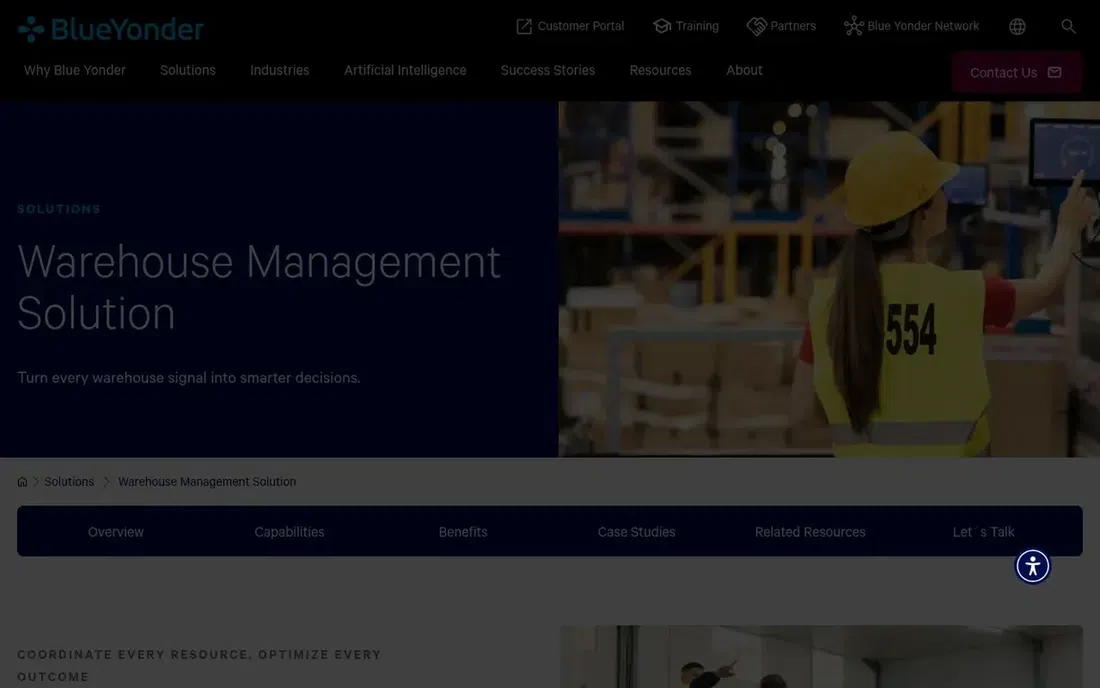
Think of Blue Yonder Warehouse Management for AI-driven optimization. It suits mid-sized retailers looking to enhance efficiency and responsiveness through predictive analytics and automation.
Blue Yonder Warehouse Management shows no starting price here, so confirm the cost on the vendor site. On free options: Not stated.
Where it is weaker: May be overkill for small operations.
- Scalable
- Focus on resiliency
- Needs data readiness
Fishbowl Warehouse
Best for: Small to mid-sized inventory management
Fishbowl Warehouse serves small to mid-sized inventory management. Fishbowl Warehouse is built to optimize warehouse operations with a focus on inventory management and usability.
The product may lack the advanced automation and scalability of enterprise-grade systems, potentially limiting growth. On top of that, retailers with high-volume or highly automatic warehouses might need a more solid option. No starting price is listed for Fishbowl Warehouse here; confirm pricing on the vendor site. Trial and free access: Not stated.
Where it shines: Approachable.
Downsides: Restricted advanced automation.
- Low-cost for smaller companies
- Inventory optimization
- May not scale to high volume
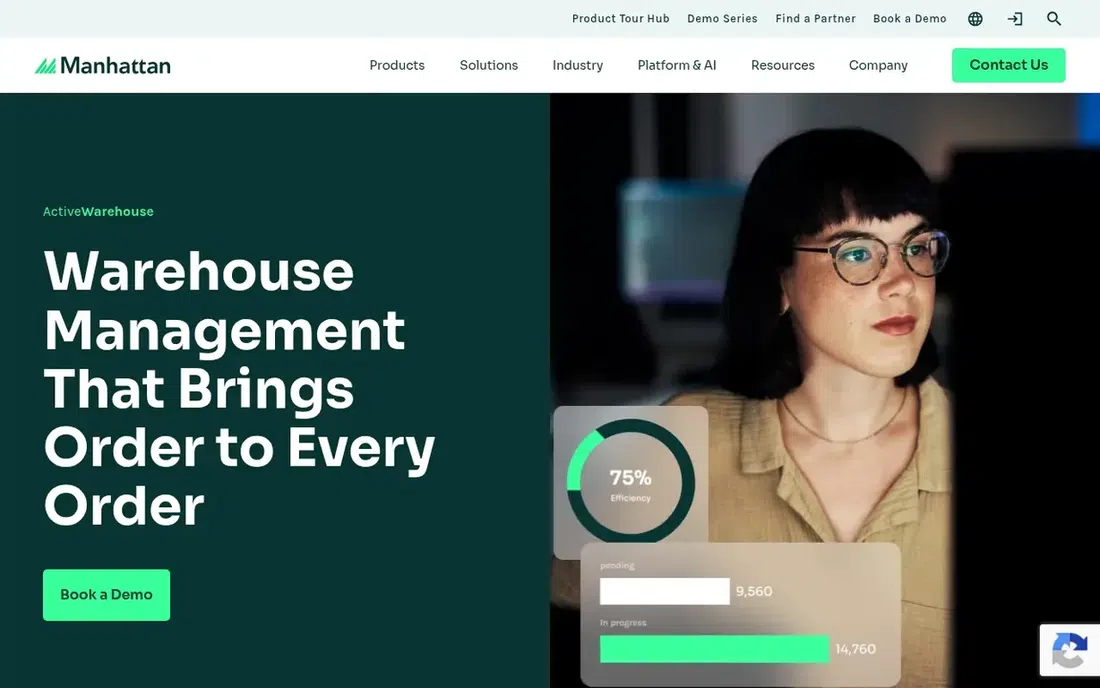
Manhattan Active Warehouse Management makes the most sense for advanced automation and scalability. The product may demand substantial configuration and training, making it less well suited to retailers with restricted IT resources.
Those seeking a more straightforward, quicker-to-deploy system might consider lighter alternatives. As for the details, Manhattan Active Warehouse Management is a comprehensive option meant to optimize warehouse operations through automation and live visibility. Pricing for Manhattan Active Warehouse Management is not stated here, so ask the vendor for current figures. As for free access: Not stated.
Downsides: Potentially complicated for entry-level needs.
- Optimized operations
- Unified product
- May need significant setup
Oracle Fusion Cloud Warehouse Management
Best for: Cloud-based supply chain with AI
Oracle Fusion Cloud Warehouse Management is aimed squarely at Cloud-based supply chain with AI. It fits mid-sized retailers seeking a modern, cloud-based option with tight integration to other Oracle supply chain modules.
This comparison lists no price for Oracle Fusion Cloud Warehouse Management; ask the vendor. Free options: Not stated.
What to check first: May require Oracle ecosystem.
- Cloud-native
- Integrated with Oracle SCM
- Potentially high complexity
Cin7 Core is aimed squarely at small business ERP and inventory. Whereas capable in inventory and ERP, it may not offer the deep warehouse management features required for complicated fulfillment.
Downsides: Restricted warehouse depth.
From a buyer's view, retailers with sophisticated warehouse needs should consider specialized WMS options. Cin7 Core does not show a starting price in this comparison, so check the vendor site for current pricing. On free options: Not stated.
- Integrated ERP
- Simplified operations
- May not manage complicated fulfillment
Microsoft Dynamics 365 Supply Chain Management
Best for: Unified supply chain visibility
Microsoft Dynamics 365 Supply Chain Management is a good fit for unified supply chain visibility. It suits mid-sized retailers wanting a unified system that links warehouse operations with broader supply chain functions.
This comparison lists no price for Microsoft Dynamics 365 Supply Chain Management; ask the vendor. Free access: Not stated.
Limits to weigh: Needs configuration.
- AI-driven insights
- Integration with Microsoft stack
- May be wide for pure WMS needs
Our selection method
The comparison looks at four things: starting price, free access, how well the feature set matches warehouse management software for Mid-Size retailers, and the main limit of each tool. Where a vendor does not publish a price, the entry says quote. Where a price depends on seats or billing term, the entry says so. The order reflects how well each tool fits the most common buying scenario for warehouse management software for Mid-Size retailers, then price clarity, then free plan access. It is a starting point, not a verdict.
Pre-purchase checklist
- Ask each vendor, from Blue Yonder Warehouse Management to Microsoft Dynamics 365 Supply Chain Management, for a written quote; none of them publishes a starting price.
- Before choosing Blue Yonder Warehouse Management, weigh its main limit: may be overkill for small operations.
- Look at which plan of Fishbowl Warehouse unlocks the features you need; entry tiers are often cut down.
- Price Microsoft Dynamics 365 Supply Chain Management for your actual team size; headline prices rarely include add-ons or overage.
- Ask Cin7 Core about contract length, onboarding fees and user minimums before you sign.
FAQ
How are the tools for warehouse management software for Mid-Size retailers ordered?
The order follows typical fit for warehouse management software for Mid-Size retailers, with Blue Yonder Warehouse Management first and Microsoft Dynamics 365 Supply Chain Management last, then price clarity and free access. It is editorial judgement, not a score, so another team could rank the tools differently.
Is Fishbowl Warehouse a good match for an expanding mid-size retailer?
Fishbowl Warehouse is approachable and budget-friendly for smaller operations, but it may lack advanced automation for high-volume needs. It fits retailers with more straightforward fulfillment processes.
Do these tools publish their prices?
No. None of the tools, from Blue Yonder Warehouse Management to Microsoft Dynamics 365 Supply Chain Management, shows a fixed starting price here, so budget time for quotes.
Can I try these tools before paying?
Not by default. None of the tools, from Blue Yonder Warehouse Management to Microsoft Dynamics 365 Supply Chain Management, lists a free plan or a free trial here, so ask each vendor for a demo before committing.
Is Blue Yonder Warehouse Management the right pick for everyone comparing warehouse management software for Mid-Size retailers?
No single tool suits every team. Blue Yonder Warehouse Management comes first because it fits AI-driven optimization, while Fishbowl Warehouse suits small to mid-size inventory management and Manhattan Active Warehouse Management suits advanced automation and scalability. Match the tool to your own size, budget and workflow before deciding.
Sources
- https://blueyonder.com/solutions/warehouse-management
- https://www.fishbowlinventory.com/warehouse-management
- https://www.manh.com/products/warehouse-management
- https://www.oracle.com/scm/warehouse-management
- https://www.cin7.com/core
- https://www.microsoft.com/en-us/dynamics-365/products/supply-chain-management