Top 6 Risk Based Monitoring Platforms for 2026 (Prices and Free Plans)
6 products for the best risk based monitoring platforms, ranked by fit, with starting costs and free tiers. Each tool gets a one-line verdict. Updated for 2026.
- Editor's choice
 SailPoint
Identity-centric risk and access control
Starts atPricing on requestVisit sailpoint.comFull review - Great alternative
 Varonis
Data-centric threat detection and AI security
Starts atPricing on requestVisit varonis.comFull review - Also consider
 Exabeam
AI-driven threat detection and response
Starts atPricing on requestVisit exabeam.comFull review
Direct answer
For identity-centric risk and access control, SailPoint is where this list starts. If your case is different, Varonis suits data-centric threat detection and AI security and Exabeam suits AI-driven threat detection and response. Details and limits for the rest of the 6 tools are below. None of these vendors publish plan prices, so pricing is on request for every option.
TL;DR:
- SailPoint is the opening pick, best for identity-centric risk and access control.
- Neither SailPoint nor IBM QRadar, nor any of the other 4 tools, has a permanent free plan; trials and quotes are the norm.
- For intelligent event management for critical threats, IBM QRadar is worth a look.
- No starting price is shown for any of the 6 tools, SailPoint and IBM QRadar included, so plan time for sales calls.
- One limit worth knowing about Securonix: plenty of modules to configure and tune.
Last checked November 2026. Pricing on request: vendors did not publish plan prices when this guide was last checked (November 2026), so ask each vendor for a written quote.
Quick comparison
| Tool | Best for | Starts at | Free plan? | |
|---|---|---|---|---|
| SailPoint | Identity-centric risk and access control | Pricing on request | Not stated | Visit |
| Varonis | Data-centric threat detection and AI security | Pricing on request | Not stated | Visit |
| Exabeam | AI-driven threat detection and response | Pricing on request | Not stated | Visit |
 Securonix | Unified SIEM with user behavior analytics | Pricing on request | Not stated | Visit |
 Splunk Enterprise Security | Unified detection, investigation and response | Pricing on request | Not stated | Visit |
| IBM QRadar | Intelligent event management for critical threats | Pricing on request | Not stated | Visit |
Tool-by-tool breakdown
LinkVetted compared 6 risk based monitoring platforms. The goal is a practical shortlist: published prices, free plan facts, best-fit use cases and honest limits for every entry.
SailPoint is designed for identity-centric risk and access control. SailPoint is identity-centric, so it complements instead of replaces event-based monitoring systems.
Downsides: Identity scope instead of event monitoring.
On top of that, choose SailPoint when access risk and least privilege are the monitoring priorities. More specifically, teams managing complicated access rights across numerous systems are a natural audience. SailPoint does not show a starting price in this comparison, so check the vendor site for current pricing. As for free access: Not stated.
- Least privilege enforcement
- Focus on securing every identity
- Needs identity data integration
Varonis makes the most sense for data-centric threat detection and AI security. It suits organizations whose monitoring priority is sensitive data and the AI systems built on it, instead of general log correlation alone.
What to check first: Data-centric scope differs from general SIEM.
Beyond that, what it surfaces relies on which data sources you link. Varonis shows no starting price here, so confirm the cost on the vendor site. Free access: Not stated.
- Links data
- AI and threat detection
- Coverage relies on data sources connected
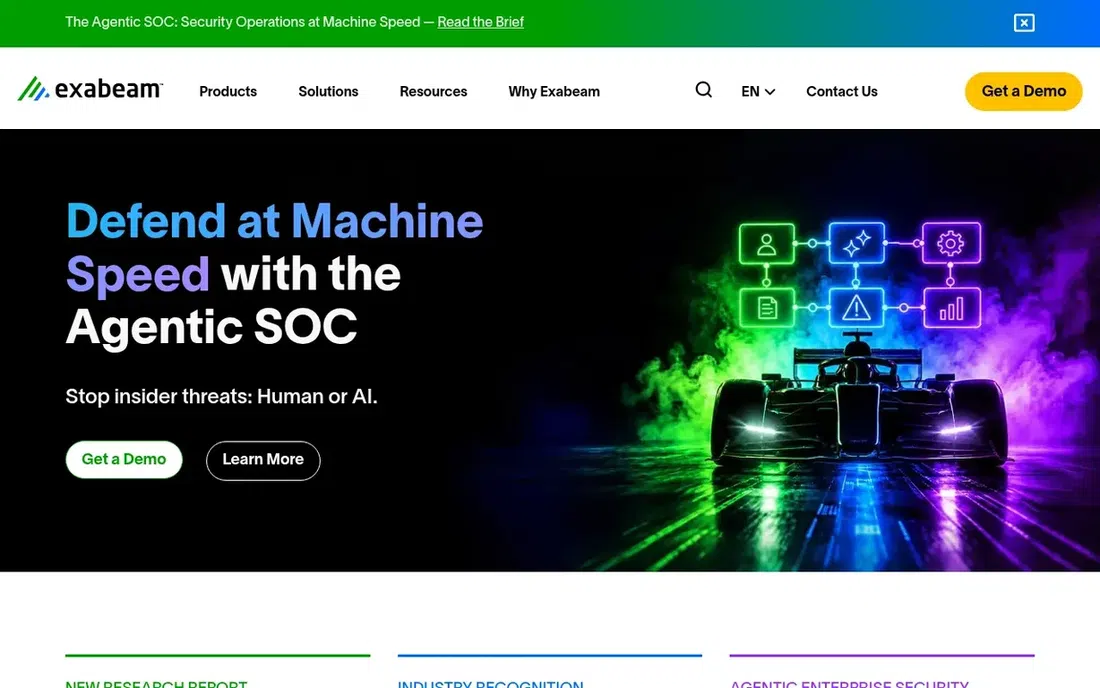
Exabeam targets AI-driven threat detection and response. Since the platform spans log management and SIEM plus AI-assisted analysis, smaller teams may find the scope heavy relative to their needs.
Limits to weigh: Wide scope may overwhelm small teams.
Check the vendor site for Exabeam pricing; none is listed in this comparison. Free plan details: Not stated.
- AI-assisted threat detection
- Cloud-native security operations system
- Needs security operations maturity

Securonix was built for unified SIEM with user behavior analytics. Securonix presents a unified security product handling SIEM, threat detection, investigation and response, user and entity behavior analytics, and security orchestration and automation, all delivered on a scalable cloud product. For everyday use, choose Securonix when behavior analytics and orchestration are central to your monitoring strategy.
Downsides: Numerous modules to configure and tune.
In practice, the breadth of modules means setup and tuning take planning, and teams without dedicated analysts may find the system demanding. For everyday use, Security teams looking to consolidate multiple monitoring functions into one environment are a solid fit. Check the vendor site for Securonix pricing; none is listed in this comparison. Free options: Not stated.
- Scalable cloud system
- Merges SIEM, TDIR
- Wide feature set needs planning
Splunk Enterprise Security is aimed squarely at unified detection, investigation and response. Organizations already using Splunk for data analysis commonly extend naturally into its security capabilities.
Where it is weaker: Configuration can be involved.
Splunk Enterprise Security is a unified threat detection, investigation and response system that brings together SIEM, security orchestration, user behavior analytics and agentic AI. More specifically, the system carries substantial configuration and depth, so trained users are important to run it well. Check the vendor site for Splunk Enterprise Security pricing; none is listed in this comparison. As for free access: Not stated.
Upsides: SOAR and UEBA.
- Simplifies threat response workflows
- Agentic AI support for analysis
- Feature depth requires trained users
IBM QRadar
Best for: Intelligent event management for critical threats
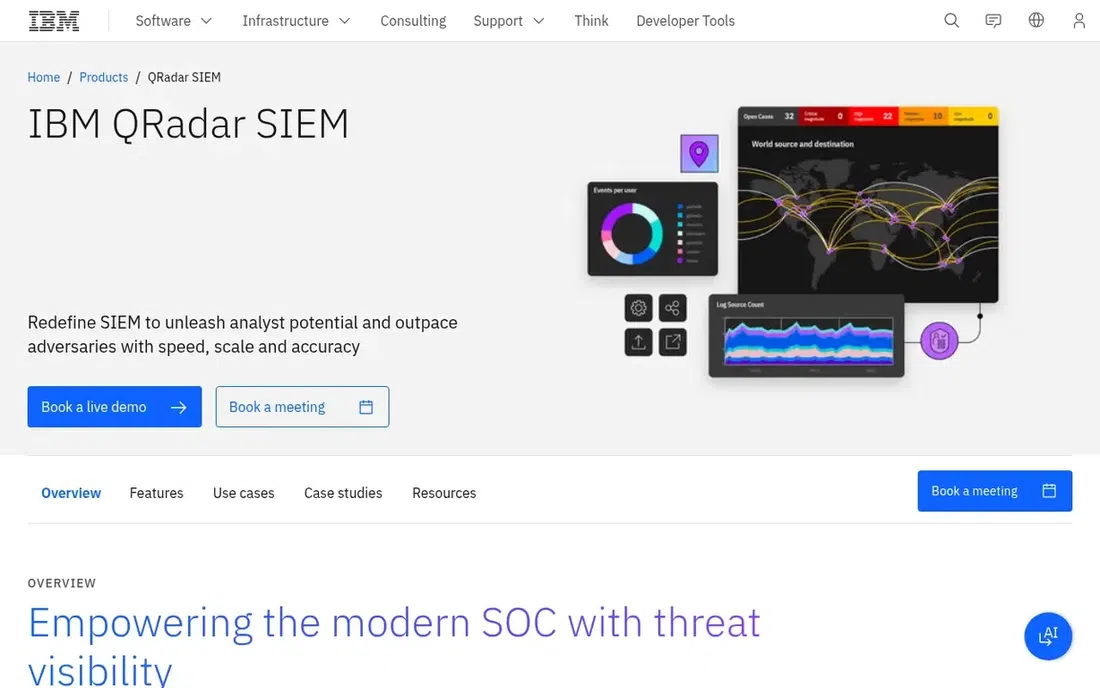
Think of IBM QRadar for intelligent event management for critical threats. IBM QRadar is a security information and event management system that emphasizes intelligent monitoring and actionable insight into critical threats.
QRadar can demand meaningful tuning and skilled staff to get the most from it, which may not suit lean teams. From a buyer's view, pick QRadar when a mature SIEM foundation and deep event analysis are priorities. This comparison lists no price for IBM QRadar; ask the vendor. Free plan details: Not stated.
Trade-offs to know: Deployment and care need skilled staff.
- Established SIEM capabilities
- Focus on actionable threat insight
- Can need significant tuning
How these tools were picked
We compared the tools on published pricing, free plan or trial availability, feature coverage for risk based monitoring platforms, and the limits each vendor documents. Figures are shown as the vendors publish them. Billing terms, seat minimums and add-ons can change the real cost. Tools are placed by general fit for risk based monitoring platforms, with price clarity and free access as tie-breakers. A different team can reasonably rank them differently.
A buyer's checklist
- Confirm the entry price with every vendor: no tool from SailPoint to IBM QRadar shows a fixed starting price.
- Before choosing SailPoint, weigh its main limit: identity scope rather than event monitoring.
- Before you load data into Varonis, check what an export looks like and who can run it.
- Test the integrations you rely on with SailPoint before committing; some connectors sit on upper tiers.
- The entry price of Securonix is only the starting point; model the full cost with seats and extras.
FAQ
Should I choose a SIEM or an identity-focused tool?
Numerous organizations use both together. From a buyer's view, start with the risk area that matters most to your team and expand from there.
Can I try these options before paying?
Not by default. None of the tools, from SailPoint to IBM QRadar, lists a free plan or a free trial here, so ask each vendor for a demo before committing.
Does any tool for risk based monitoring platforms here have a free plan?
No tool in this list, SailPoint and IBM QRadar included, has a permanent free plan. Trials and quotes are the usual route, so plan a short evaluation period.
How are the tools for risk based monitoring platforms ordered?
SailPoint sits first and IBM QRadar last because the order follows typical fit for risk based monitoring platforms, then price clarity and free access. It is a judgement call, so read each profile for fit and limits.
Do these tools publish their prices?
No. None of the tools, from SailPoint to IBM QRadar, shows a fixed starting price here, so budget time for quotes.
What is a risk based monitoring system?
It is a security system that prioritizes threats by risk instead of treating every alert equally, frequently using log data, behavior analytics and identity context.
Sources
- https://www.sailpoint.com
- https://www.varonis.com
- https://www.exabeam.com
- https://www.securonix.com
- https://www.splunk.com/en_us/products/enterprise-security.html
- https://www.ibm.com/products/qradar-siem