Best Retail Space Planning Strategies in 2026: Prices, Free Plans and 5 Picks
Compare 5 best retail space planning strategies, with prices, free plans and who each fits. Cost notes and weak points included. Updated November 2026.
- Editor's choiceQuant Retail
Intelligent retail planning system
Starts at$1,650 per user per yearVisit quantretail.comFull review - Great alternativePlanogramBuilder
Straightforward 2D and 3D planograms
Starts atSee websiteVisit planogrambuilder.comFull review - Also considerSpaceman
Space saving furniture for compact retail areas
Starts atSee websiteVisit spaceman.comFull review
Direct answer
This list puts Quant Retail first for intelligent retail planning system. Listed starting prices: Quant Retail from $1,650 per user per year and DotActiv from $800 per license a year. For a different need, PlanogramBuilder covers straightforward 2D and 3D planograms and Spaceman covers Space saving furniture for compact retail areas. Details, prices and limits for the rest of the 5 tools are below.
TL;DR:
- The list opens with Quant Retail, aimed at intelligent retail planning system.
- DotActiv is the only tool of the 5 with a free plan.
- Nielsen Spaceman suits audience measurement and media insights.
- Check the limits for Spaceman before you commit: not a planning software tool.
Last checked November 2026. Prices and plan details were read from the vendors' own pages in November 2026; vendors change plans often, so confirm the current price on the vendor site before you buy.
Quick comparison
| Tool | Best for | Starts at | Free plan? | |
|---|---|---|---|---|
| Quant Retail | Intelligent retail planning system | $1,650 per user per year | No | Visit |
| PlanogramBuilder | Straightforward 2D and 3D planograms | See website | Free trial | Visit |
| Spaceman | Space saving furniture for compact retail areas | See website | Not stated | Visit |
| DotActiv | Dedicated retail space planning and planograms | $800 per license a year | Yes | Visit |
| Nielsen Spaceman | Audience measurement and media insights | See website | Not stated | Visit |
The full retail space planning strategies list
LinkVetted compared 5 retail space planning strategies. The goal is a practical shortlist: published prices, free plan facts, best-fit use cases and honest limits for every entry.
Quant Retail
Best for: Intelligent retail planning system
Where Quant Retail fits: intelligent retail planning platform. It can serve teams that want planning workflows in one retail-focused environment.
Also, if your requirement is only entry-level planogram creation, a more straightforward dedicated tool may be simpler to adopt. Entry price for Quant Retail: $1,650 per user per year. Quant Retail does not include a free plan.
Drawbacks to consider: Documentation detail varies by module.
- Retail-focused planning system
- Positioned around intelligent retail workflows
- Needs clear scope before adoption
PlanogramBuilder
Best for: Straightforward 2D and 3D planograms
PlanogramBuilder is a good fit for straightforward 2D and 3D planograms. PlanogramBuilder from zVisuel is planogram software for creating 2D and 3D shelf layouts, with collaboration features and an accessible approach pitched at brands and retailers optimizing assortment.
It centers on planograms instead of forecasting, replenishment or category analytics, so it fits best alongside other planning systems. As for the details, choose a broader system if space decisions must be tied straight to supply chain data. Pricing for PlanogramBuilder is not stated here, so ask the vendor for current figures. As for free access: Free trial.
What to check first: Less depth in supply chain planning.
- Collaborative and accessible approach
- 2D and 3D planogram software
- Planogram focus only
Spaceman
Best for: Space saving furniture for compact retail areas
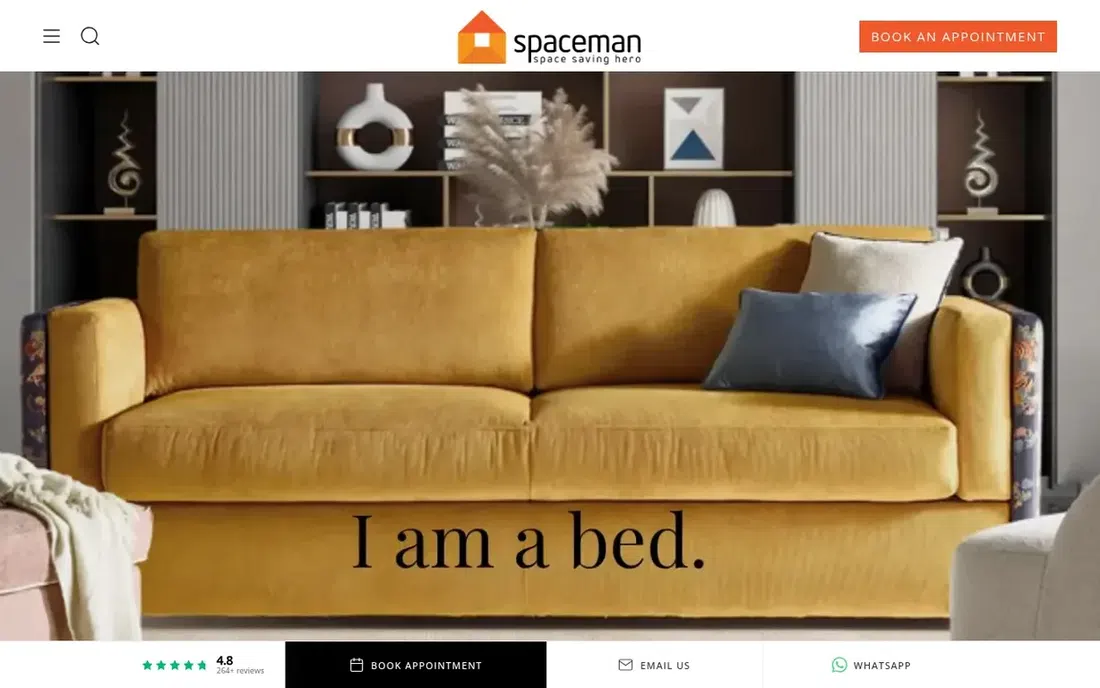
Think of Spaceman for Space saving furniture for compact retail areas. It does not offer planogram software, analytics or category planning, so it cannot replace a space planning system.
As for the details, pick it only when the goal is furnishing a compact space, and look to dedicated planning tools for merchandising decisions. Spaceman does not show a starting price in this comparison, so check the vendor site for current pricing. Free plan details: Not stated.
Trade-offs to know: Not a planning software tool.
- Italian design and multi function pieces
- Space saving furniture range
- Furniture focus, not analytics
DotActiv
Best for: Dedicated retail space planning and planograms

Think of DotActiv for dedicated retail space planning and planograms. Since it is specialized, it may not handle forecasting or supply chain execution on its own, so bigger retailers commonly pair it with other systems.
DotActiv is a retail space planning and category management tool aimed at merchandising and store planning teams. It supports the work of building planograms, organizing shelf space and managing category layouts. DotActiv pricing: $800 per license per year. DotActiv includes a free tier.
Drawbacks to consider: Narrower than full supply chain suites.
- Concentrated on space planning workflows
- Aimed at retail merchandising teams
- Needs setup and data preparation
Nielsen Spaceman
Best for: Audience measurement and media insights
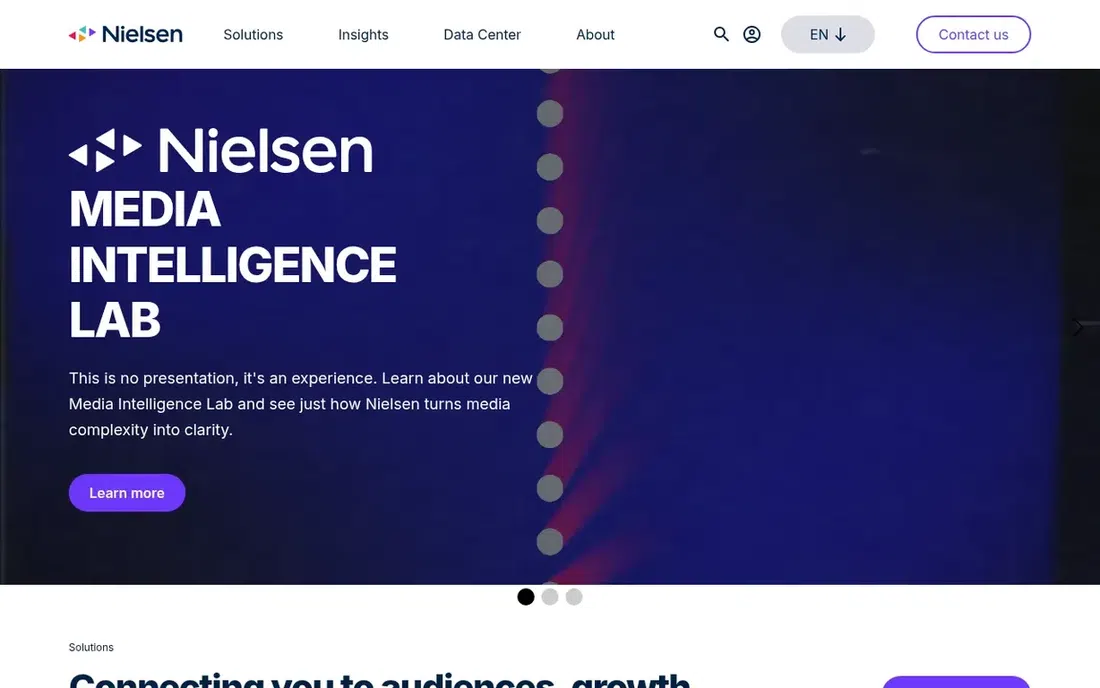
Where Nielsen Spaceman fits: audience measurement and media insights. Nielsen is a global media measurement and analytics company, centred on understanding what audiences watch and listen to. From a buyer's view, consider it alongside planning software when media and audience context matters, and choose a dedicated planner for the actual space work.
For retail planning, its value is indirect: audience and consumer insights can inform marketing and category strategy. But the product itself centers on media measurement instead of store layout or planograms. It is not a space planning tool and will not build planograms or handle shelf space. Check the vendor site for Nielsen Spaceman pricing; none is listed in this comparison. Free options: Not stated.
Where it falls short: Media data instead of shelf planning.
- Global media measurement focus
- Insights into what audiences watch and listen
- Not a space planning product
How we built this list
Pricing pages, product documentation and feature lists were the main sources, and every entry carries at least one honest drawback. Where a price is missing, the vendor does not list one publicly or ties it to a quote. Always confirm before budgeting. Tools are placed by general fit for retail space planning strategies, with price clarity and free access as tie-breakers. A different team can reasonably rank them differently.
Before you commit
- Confirm the entry price on the vendor page. For PlanogramBuilder, Spaceman and Nielsen Spaceman that means a quote rather than a fixed price.
- Look at the free plan from DotActiv closely: its caps decide whether it is usable for real work.
- Use real work to test the free trial from PlanogramBuilder, rather than a demo project.
- Read the limits listed for Quant Retail first: documentation detail varies by module.
- Find out what support DotActiv includes on your plan, and whether onboarding help costs extra.
- Add up seats, add-ons and usage charges for Quant Retail before comparing it with cheaper entries.
FAQ
Do these tools publish their prices?
Not all of them. PlanogramBuilder, Spaceman and Nielsen Spaceman publish no starting price, so expect a quote request for those. The rest, Quant Retail included, show a starting price, though seats and billing terms still change the final cost.
How do I choose between a dedicated planner and a full suite?
A dedicated planner fits teams centred on shelf and layout work, whereas a full suite suits organizations that require space connected to forecasting, replenishment and category management. Confirm your required scope before selecting.
Is Quant Retail the right pick for everyone comparing retail space planning strategies?
No single tool suits every team. Quant Retail comes first because it fits intelligent retail planning platform, while PlanogramBuilder suits straightforward 2D and 3D planograms and Spaceman suits Space saving furniture for compact retail areas. Match the tool to your own size, budget and workflow before deciding.
Should space planning be linked to forecasting?
Linking space planning to forecasting helps ensure shelf decisions match expected demand and available inventory. Products like RELEX link space planning with supply chain planning, whereas dedicated planogram tools focus on layout creation.
What is the cheapest option for retail space planning strategies in this list?
On published monthly entry prices, Quant Retail is the lowest here at $1,650 per user per year. Entry price is only part of the cost, because seats, add-ons and billing terms can change the total. Each of the 5 options in this retail space planning Strategies guide has its own card above with the price, free plan and limits.
Do small retailers need planogram software?
Smaller retailers can benefit from straightforward planogram tools to keep shelf layouts consistent and simple to update. A light tool for example PlanogramBuilder may be sufficient before considering broader products.
Sources
- https://www.quantretail.com
- https://www.planogrambuilder.com
- https://www.spaceman.com
- https://www.dotactiv.com
- https://www.nielsen.com