Best Tools for SEO for Retail in 2026: 8 Tools Compared
Find the best tools for SEO for retail in 2026, from rank tracking and product page fixes to local search, reviews and reporting for shops of any size.
- Editor's choice
 Semrush
All-in-one retail SEO
Starts at$139 per monthVisit semrush.comFull review - Great alternative
 Ahrefs
Backlinks and competitors
Starts at$129 per monthVisit ahrefs.comFull review - Also consider
 Google Search Console
Free store performance data
Starts atFreeVisit search.google.comFull review
TL;DR:
- Semrush is the broadest all-in-one pick for retail teams that also run ads and content, while Ahrefs leads on backlink and competitor research.
- Retail SEO is mostly product page work, so tools that handle schema, internal links and crawl errors matter more than generic keyword lists.
- Google Search Console is free and should sit under every paid tool, because it shows the queries your store already ranks for.
- Smaller shops can start with Search Console plus a budget tool such as Ubersuggest or Mangools, then upgrade when catalog size grows.
- Our pick for most retailers is Semrush for range, with Ahrefs close behind for pure search research.
Quick comparison
| Tool | Best for | Starts at | Free plan? | |
|---|---|---|---|---|
| Semrush | All-in-one retail SEO | $139 per month | Free trial | Visit |
| Ahrefs | Backlinks and competitors | $129 per month | Yes | Visit |
| Google Search Console | Free store performance data | Free | Yes | Visit |
 SE Ranking | Rank tracking and reports | See website | Free trial | Visit |
 Moz Pro | Smaller teams and local basics | See website | Free trial | Visit |
 Surfer SEO | Product and category page content | $49 per month | Free trial | Visit |
 Ubersuggest | Budget keyword research | $29 per month | Yes | Visit |
 Mangools | Simple keyword research | $49 per month | Free trial | Visit |
The best tools for SEO for retail
Retail search is unforgiving. A product page with thin copy, missing schema or a slow load can lose a sale to a competitor in one click. We compared official pricing, feature pages and public reviews to pick tools that help shops fix those pages, track the terms that sell, and watch local visibility.

Semrush earns its place first because it replaces several subscriptions for a retail team. Keyword research, site audits, rank tracking, backlink checks and competitor ad data sit in one place, so a shop can move from finding a term to fixing the page that should rank for it. For a retailer with many categories, that joined-up view saves time.
The cost is the main drawback. At $139 per month, a single small store may use only a fraction of the platform, and limits on projects and tracked keywords can force an upgrade sooner than expected. If SEO, content and paid search all sit with one team, the price is easier to justify. If you only need rank tracking, a cheaper tool below may be enough.
- Keyword, audit, rank and competitor tools in one login
- Local and advertising data
- Strong content tools
- Entry price is high for a single small shop
- Project and keyword limits push upgrades
Ahrefs is the research-first choice. Its backlink index and competitor reports show which pages earn links for rival retailers, which terms drive their traffic, and where your own catalog has gaps. For a shop that wants to win category terms, that evidence is more useful than a long list of suggested keywords with no context.
Ahrefs is less of a local SEO manager and less of a content editor than some rivals, so many teams pair it with a content tool. Its Starter plan at a lower price covers basic checks on your own site, which helps a small shop test the data before paying full price. For link building and competitor work, it remains the standard many SEOs reach for first.
- Deep backlink data
- Clear competitor teardowns
- Useful free tools for your own site
- No built-in local management depth
- Content tools are thinner than Semrush
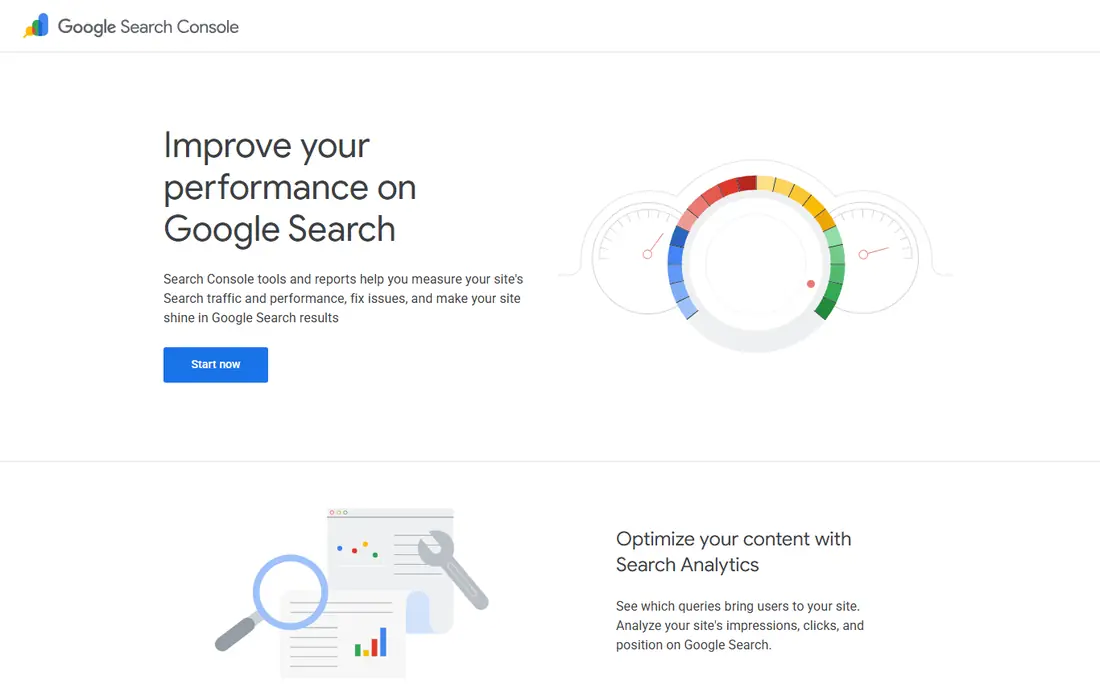
Every retailer should use Search Console, even if they buy nothing else. It shows which queries already bring shoppers to your store, which pages get impressions but few clicks, and which pages Google cannot index or finds slow. Those reports point straight at product pages worth fixing, and they cost nothing.
The limits are clear. Search Console does not show competitor rankings, link data or full keyword volumes, and its history is limited. Treat it as the ground truth under your paid tool, not as a replacement for one. When a paid tool and Search Console disagree, trust Search Console for your own site.
- Shows your real queries, clicks and indexing problems
- Free
- Direct data from Google
- No competitor data
- No rank tracking history in the same depth as paid tools
SE Ranking suits retailers and small agencies that live in rank reports. It tracks product and category terms by location, which matters when a shop serves several cities or regions, and it turns those results into reports a non-technical owner can read. Audits and backlink checks cover the basics without a second subscription.
Its data depth does not match the two leaders above, especially for large catalogs and competitive niches. For a mid-sized shop that needs reliable tracking, audits and reporting at a more modest price than the top suites, that trade is often acceptable. Check the current plan limits before you load thousands of SKUs into tracking.
- Clear rank tracking across locations
- Client-friendly reports
- Audit and backlink tools included
- Keyword database is smaller than Semrush or Ahrefs
- Some features feel less deep
Moz Pro has long been the friendly entry point to professional SEO. Its keyword explorer, site crawl and rank tracking are easy to read, which helps a small retail team that does not have a full-time SEO specialist. Local tools on suitable plans help shops that depend on nearby shoppers and map results.
Larger retailers may find its databases and crawl depth less complete than Semrush or Ahrefs, and costs rise with higher tiers. For a small shop, a local chain or a team learning SEO, Moz Pro is a calm, usable choice. Use the trial to test it on your own catalog, not on a demo site.
- Approachable interface
- Useful keyword and audit tools
- Local listing help on some plans
- Data can feel thinner for large catalogs
- Pricing varies by plan and region
Surfer SEO answers a different retail question: what should this product page actually say. It scores a draft against top-ranking pages, suggests terms, headings and structure, and audits existing pages for gaps. That is valuable for category pages and product descriptions that are too thin to rank.
It is not a strategy tool on its own. You still need keyword research and rank tracking elsewhere, and the scoring should guide an editor, not replace one. Product copy that only chases a score can read badly and hurt conversions. Used well, Surfer turns a thin catalog page into a page that covers what shoppers actually ask.
- Live content scoring for pages
- Clear term and structure guidance
- Audit tools for existing pages
- Not a full rank or backlink suite
- Needs a research tool alongside it for strategy
Ubersuggest is the budget pick for a shop owner doing their own SEO. It gives keyword ideas, volume estimates, content suggestions and a basic site audit at a price far below the big suites. The free tier allows limited searches, which is enough to test whether the data looks useful for your niche.
The data is not as deep or as fresh as Ahrefs or Semrush, and advanced users will hit limits quickly. For a small store with a focused catalog, that may not matter. Start here, fix the obvious page problems it finds, and move up only when your catalog or competition outgrows it.
- Low price
- Simple keyword ideas and site audits
- Lifetime option has been offered
- Data depth is limited
- Fewer advanced features than full suites
Mangools, built around KWFinder, suits retailers who find big SEO suites overwhelming. Keyword research is quick, the difficulty scores are easy to read, and rank tracking plus a basic SERP view cover day-to-day checks. A small team can learn it in an afternoon.
It will not replace a full suite for a large retailer. Backlink analysis and site auditing are thinner, and managing thousands of tracked terms is less comfortable. For a shop that mainly needs to find low-competition product terms and watch a modest set of rankings, Mangools keeps the work simple and affordable.
- Very easy keyword tool
- Clean SERP and rank views
- Good for beginners
- Limited backlink and audit depth
- Not built for very large catalogs
How we picked these
We compared official pricing and feature pages, plus public reviews, and we favored tools with current retail uses: product schema checks, crawl audits, rank tracking by location, and local visibility. A tool that only lists keywords, with no way to check whether a product page can rank, did not make the list. We also included a free option, because a paid suite is a poor first buy for a shop that has not yet fixed its indexing basics.
We did not claim hands-on testing we did not do. Prices change often, so we used vendor pricing pages and recent comparisons as a guide and marked unverified prices as See website. Readers should confirm the current plan limits before buying, especially for tracked keywords and projects.
How to choose for a retail store
Match the tool to your catalog size
A shop with 50 products needs different tracking from a shop with 50,000 SKUs. Small catalogs can live on a budget tool plus Search Console. Large catalogs need strong crawl tools, bulk audits and rank tracking that can handle many terms without constant upgrades. Count your product and category pages before you compare plans.
Fix technical basics before buying content tools
Check indexing, page speed, mobile layout, product schema and internal links first. A content scorer cannot fix a product page Google cannot crawl, and a keyword tool cannot fix duplicate titles across hundreds of SKUs. Use Search Console and a site audit to clear those blocks, then spend on content and links.
Track terms that sell, not just terms that rank
Retail SEO should follow revenue, not vanity rankings. Track product and category terms by location, watch click-through on pages with impressions but few clicks, and review which terms bring buyers rather than browsers. A tool that reports clearly on those pages will help you more than one with a larger keyword database you never use.
FAQ
What is the best SEO platform for retail?
Semrush is the broadest platform for retail, and Ahrefs is the strongest for backlink and competitor research. Smaller shops often do well with Google Search Console plus Ubersuggest or Mangools, then upgrade when catalog size or competition grows.
What is the best rated SEO tool for retail?
Ratings vary by review site and by what a team values, but Semrush and Ahrefs consistently rank near the top for data depth. The best rated tool for your shop is the one your team will actually use weekly, with limits that fit your catalog.
How do retail stores track local SEO?
They track rankings by city or region, keep business listings accurate, collect reviews, and check map and local pack visibility. Tools with location-based rank tracking and local listing features help, and Search Console plus your business profile data should be checked alongside any paid tool.
Do small retailers need paid SEO tools?
Not always at first. Search Console is free and reveals real queries and indexing problems, and free tiers can cover early keyword checks. Paid tools earn their cost when you need competitor data, bulk audits, rank history or reporting across many pages.
What is product schema, and why does it matter for retail?
Product schema is structured data that helps search engines understand price, availability, reviews and product details on a page. When it is correct, listings can show richer results, which can improve clicks. When it is broken or misleading, it can hurt trust and visibility, so check it in audits.
How often should a retailer audit its site?
A light check each month suits most shops, with a deeper audit each quarter or after a platform change, a large catalog import or a traffic drop. New products should be checked for indexing and schema soon after they go live, not months later.