Best Platforms for Zero Trust Identity Security for 2026: Our 5 Vetted Picks
Best platforms for zero trust identity security: 5 tools compared on price, free plans and fit. The weak spots sit next to the strengths. Details below.
- Editor's choiceGoogle Cloud Identity
Unified IAM and endpoint management
Starts atSee websiteVisit cloud.google.comFull review - Great alternativePing Identity PingOne
Connecting users to apps and APIs
Starts atSee websiteVisit pingidentity.comFull review - Also consider
 Cisco Duo
Phishing-resistant MFA and device trust
Starts at$3 per user a monthVisit duo.comFull review
Direct answer
This list puts Google Cloud Identity first for unified IAM and endpoint management. Listed starting prices: Cisco Duo from $3 per user a month. If your case is different, Ping Identity PingOne suits connecting users to apps and APIs and Cisco Duo suits Phishing-resistant MFA and device trust. The remaining 2 options are covered below with prices and limits.
TL;DR:
- Google Cloud Identity takes the first slot, best suited to unified IAM and endpoint management.
- Check the limits for Microsoft Entra ID before you commit: deep tuning may be needed.
- Zscaler Private Access fits Private app access without public exposure.
- Cisco Duo is the only tool of the 5 with a free plan.
Last checked November 2026. Prices and plan details were read from the vendors' own pages in November 2026; vendors change plans often, so confirm the current price on the vendor site before you buy.
Quick comparison
| Tool | Best for | Starts at | Free plan? | |
|---|---|---|---|---|
| Google Cloud Identity | Unified IAM and endpoint management | See website | Not stated | Visit |
| Ping Identity PingOne | Connecting users to apps and APIs | See website | Not stated | Visit |
| Cisco Duo | Phishing-resistant MFA and device trust | $3 per user a month | Yes | Visit |
 Microsoft Entra ID | Cloud IAM with Zero Trust and SSO | See website | Not stated | Visit |
| Zscaler Private Access | Private app access without public exposure | See website | Not stated | Visit |
The 5 tools in detail
LinkVetted put together this guide to platforms for zero trust identity security for readers who want a clear shortlist without reading every vendor page. It compares 5 tools on starting price, free plans, who each one suits and where each one falls short.
Google Cloud Identity
Best for: Unified IAM and endpoint management
Google Cloud Identity serves unified IAM and endpoint management. It fits organizations that want identity and endpoint controls administered together in a cloud-first model.
The main drawbacks: Best fit for Google-centric environments.
From a buyer's view, organizations heavily invested in other cloud ecosystems may face additional integration work. Google Cloud Identity does not show a starting price in this comparison, so check the vendor site for current pricing. Free plan details: Not stated.
- Cloud-native administration
- App and endpoint management included
- Feature depth varies by need
Ping Identity PingOne
Best for: Connecting users to apps and APIs
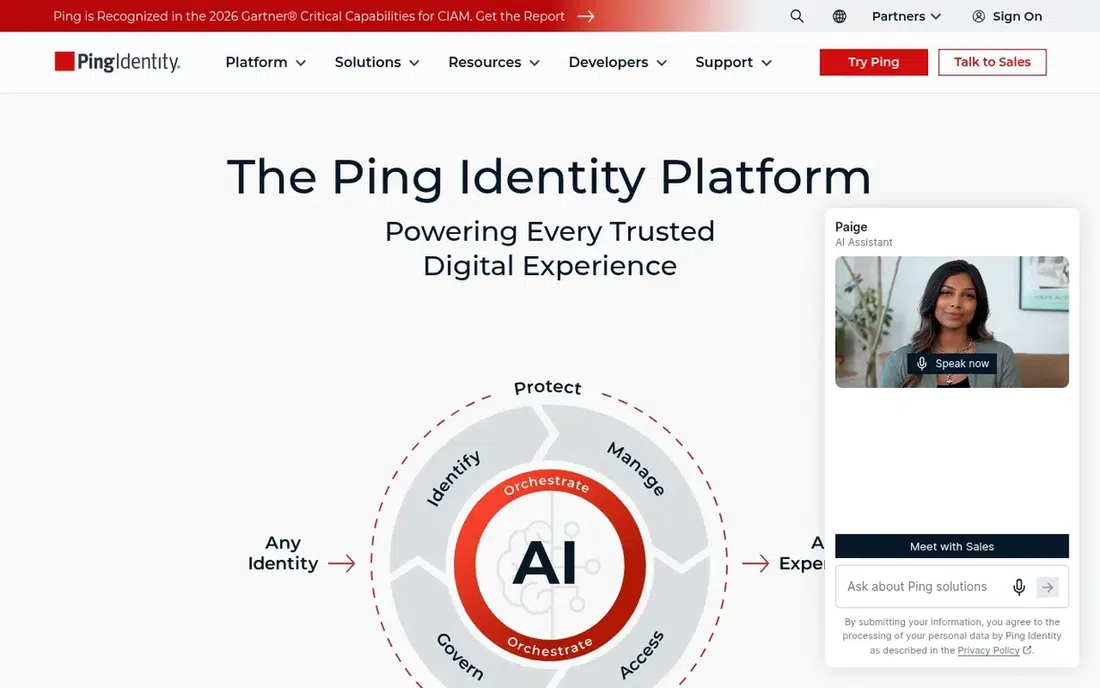
Where Ping Identity PingOne fits: connecting users to apps and APIs. Since it spans numerous environments, configuration and governance can take effort to get right.
Honest limits: Wide scope can add complexity.
Highlights: Links cloud, mobile.
Ping Identity PingOne shows no starting price here, so confirm the cost on the vendor site. Trial and free access: Not stated.
- On-premises apps
- Handles identity and profile data at scale
- Policy design needs planning
Where Cisco Duo fits: Phishing-resistant MFA and device trust. Cisco Duo secures workforce access and defends against advanced identity threats with IAM, phishing-resistant MFA, SSO, passwordless, and device trust.
The main drawbacks: Policy tuning required.
For everyday use, the system is centered on practical identity security for business users. In practice, Duo is not positioned as a full identity governance suite, so access review and lifecycle automation may need another tool. Starting cost for Cisco Duo: $3 per user per month. Free access exists with Cisco Duo.
- Device trust for workforce access
- SSO and passwordless support
- Narrower governance scope
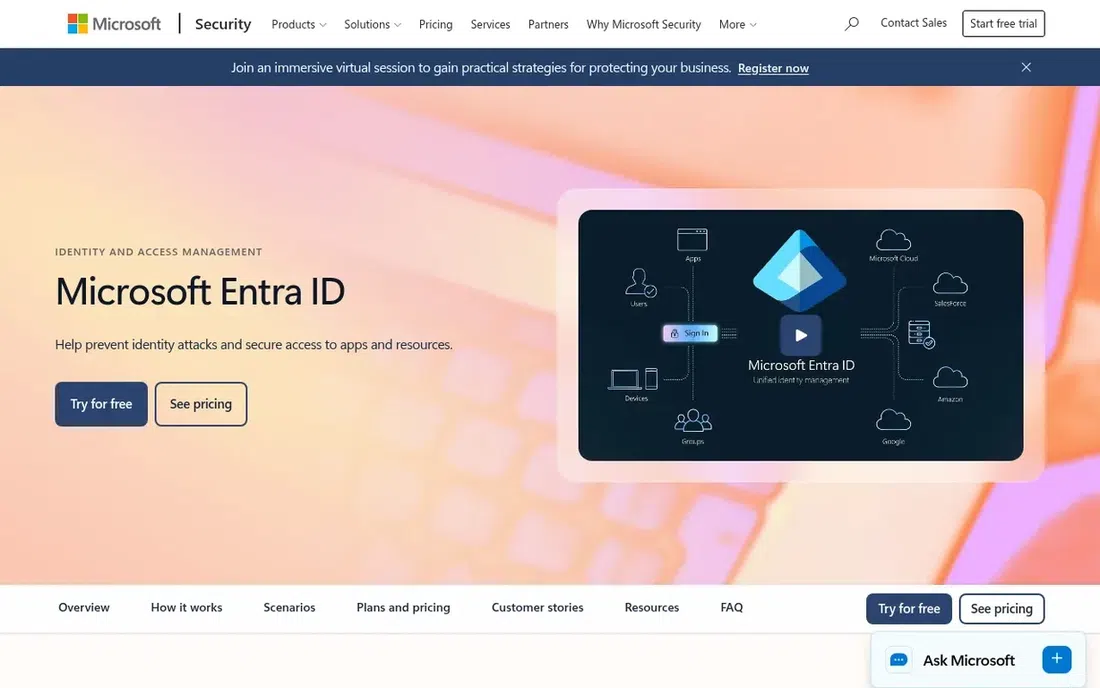
In short, Microsoft Entra ID is for Cloud IAM with Zero Trust and SSO. Microsoft Entra ID is a cloud identity and access management option that centres on preventing identity attacks whereas supporting single sign-on and Zero Trust. The product is positioned around strengthening identity security across cloud resources.
Its depth can need careful policy design, and teams outside the Microsoft ecosystem may find integration planning more involved. If you need a vendor-neutral identity broker or a narrower MFA-first tool, compare PingOne or Cisco Duo before committing. Pricing for Microsoft Entra ID is not stated here, so ask the vendor for current figures. Trial and free access: Not stated.
Drawbacks to consider: Deep tuning may be needed.
- Cloud identity and access management
- Zero Trust alignment
- Best fit for Microsoft-centric estates
Zscaler Private Access
Best for: Private app access without public exposure
For Private app access without public exposure, Zscaler Private Access is a natural candidate. Zscaler Private Access provides a modern approach by offering secure access to private applications without exposing networks to the public internet.
The focus is on private application connectivity under zero trust principles. Check the vendor site for Zscaler Private Access pricing; none is listed in this comparison. Trial and free access: Not stated.
Where it is weaker: Access-centric instead of full IAM.
- Modern remote access approach
- Secure access to private applications
- Needs network planning
What went into this list
LinkVetted used vendor pricing pages and product documentation as the base, then compared plans, free access and documented limits for 5 tools. Where a price is missing, the vendor does not list one publicly or ties it to a quote. Always confirm before budgeting. The order reflects how well each tool fits the most common buying scenario for platforms for zero trust identity security, then price clarity, then free plan access. It is a starting point, not a verdict.
What to check before you buy
- Get a written quote from Google Cloud Identity, Ping Identity PingOne, Microsoft Entra ID and Zscaler Private Access; the list shows no starting price for them.
- Test the free plan from Cisco Duo against your real workload before relying on it.
- Before choosing Google Cloud Identity, weigh its main limit: best fit for Google-centric environments.
- Before you load data into Ping Identity PingOne, check what an export looks like and who can run it.
- Find out what support Microsoft Entra ID includes on your plan, and whether onboarding help costs extra.
FAQ
What is the cheapest option for platforms for zero trust identity security in this list?
On published monthly entry prices, Cisco Duo is the lowest here at $3 per user per month. Entry price is only part of the cost, because seats, add-ons and billing terms can change the total.
Can I try these tools before paying?
Often, yes. Cisco Duo has a free plan. Use your own data and a real task during the test, and check what the free tier or trial limits before you rely on it.
Which options for platforms for zero trust identity security have a free plan?
Cisco Duo is the only tool in this list with a free plan. Free plans usually cap users, projects or features, so check the limits on the vendor page.
Do these tools publish their prices?
Not all of them. Google Cloud Identity, Ping Identity PingOne, Microsoft Entra ID and Zscaler Private Access publish no starting price, so expect a quote request for those. The rest, Cisco Duo included, show a starting price, though seats and billing terms still change the final cost.
What makes a product a zero trust identity tool?
It should verify users and devices before granting access and apply policy per application instead of trusting the network. In practice, look for capable authentication, SSO, and access controls that can be tuned over time.
Sources
- https://cloud.google.com/identity
- https://www.pingidentity.com/en/platform.html
- https://duo.com
- https://www.microsoft.com/en-us/security/business/identity-access/microsoft-entra-id
- https://www.zscaler.com/products/zscaler-private-access