Best Patient Scheduling Software for Startups for 2026: Our 5 Vetted Picks
Compare 5 best patient scheduling software for startups, with prices, free plans and who each fits. Plus the drawbacks of each tool. Current for November 2026.
- Editor's choice
 Calendly
Meeting coordination around appointments
Starts at$10 per seat per monthVisit calendly.comFull review - Great alternative
 SimplePractice
Therapy and wellness practices
Starts at$49 a monthVisit simplepractice.comFull review - Also consider
 Practice Fusion
Small medical practices needing an EHR
Starts at$199 a month per providerVisit practicefusion.comFull review
Direct answer
If you need meeting coordination around appointments, Calendly is the first tool to look at here. Listed starting prices: Calendly from $10 per seat per month, SimplePractice from $49 a month and Practice Fusion from $199 a month per provider. SimplePractice is the stronger choice for therapy and wellness practices, while Practice Fusion suits small medical practices needing an EHR. Details, prices and limits for the rest of the 5 tools are below.
TL;DR:
- Calendly takes the first slot, best suited to meeting coordination around appointments.
- Only Calendly offers a free plan among these 5 tools.
- One limit worth knowing about SimplePractice: centred on wellness specialties.
- AdvancedMD suits scalable cloud practice management.
- For the cheapest start, look at Calendly: $10 per seat per month.
Last checked November 2026. Prices and plan details were read from the vendors' own pages in November 2026; vendors change plans often, so confirm the current price on the vendor site before you buy.
Quick comparison
| Tool | Best for | Starts at | Free plan? | |
|---|---|---|---|---|
| Calendly | Meeting coordination around appointments | $10 per seat per month | Yes | Visit |
| SimplePractice | Therapy and wellness practices | $49 a month | Free trial | Visit |
| Practice Fusion | Small medical practices needing an EHR | $199 a month per provider | Free trial | Visit |
 Acuity Scheduling | Adaptable online appointment booking | $16 a month | Free trial | Visit |
 AdvancedMD | Scalable cloud practice management | $130 per provider a month | Not stated | Visit |
The 5 tools in detail
Choosing patient scheduling software for startups usually comes down to price, fit and limits. This LinkVetted guide sets 5 tools side by side on those three points, with the facts kept short and checkable.
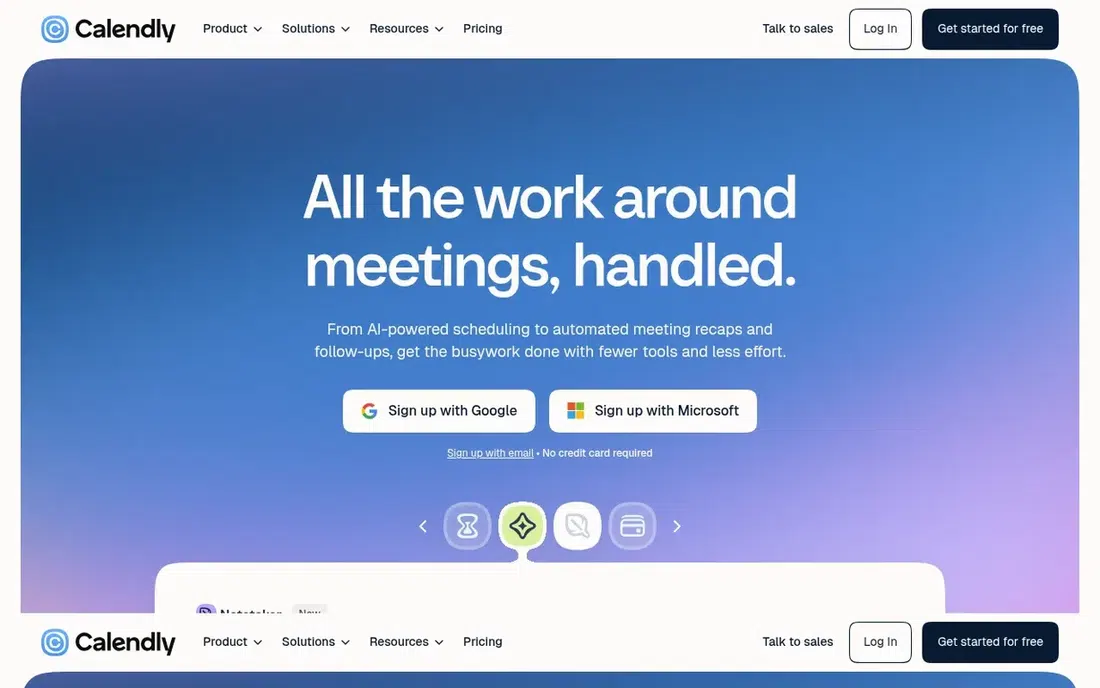
Think of Calendly for meeting coordination around appointments. Pick a dedicated healthcare product when compliance and charting requirements drive the decision.
Teams with regulated record-keeping needs should treat it as a coordination layer instead of the core system. Worth adding: Calendly is not a patient record or practice management system, so clinical documentation, insurance workflows and medical billing sit outside it. Calendly starts at: $10 per seat per month. Calendly includes a free tier.
Honest limits: Not designed for clinical workflows.
- Meeting prep and follow-up support
- Straightforward scheduling links
- Restricted practice management depth
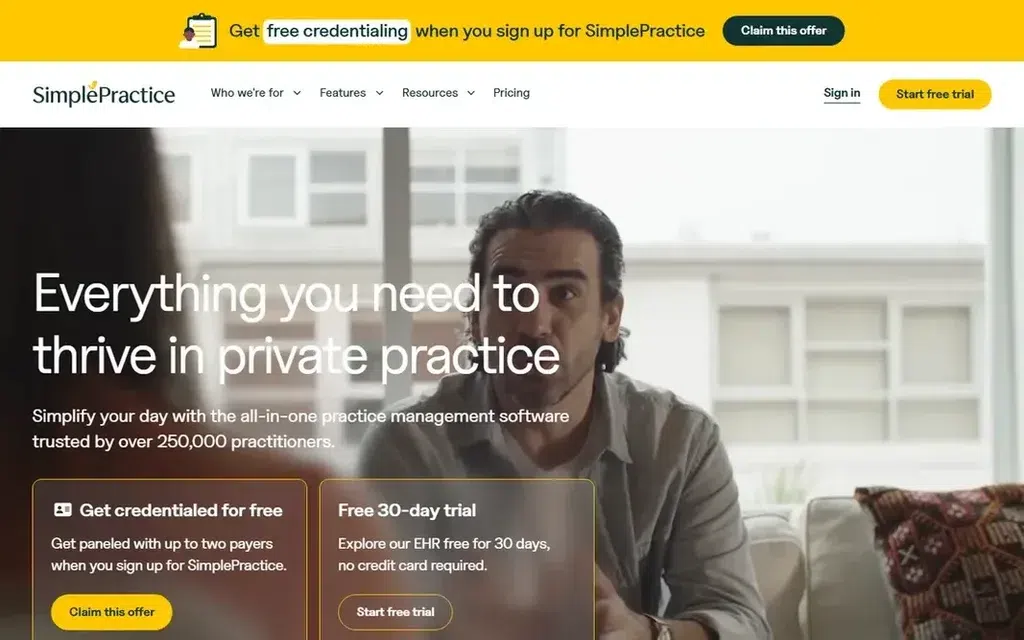
SimplePractice is a good fit for therapy and wellness practices. For a startup built around therapy, counseling or similar wellness services, that combination cuts the number of separate tools the team has to handle whereas keeping appointments close to the client record. Its focus on wellness specialties means a general medical practice with different billing and clinical requirements may find it a partial fit.
Highlights: Made for health and wellness professionals.
Where it is weaker: Concentrated on wellness specialties. In practice, consider a broader medical product when the practice spans primary care or multi-specialty services. Teams should check whether their specialty workflows are supported before committing. SimplePractice pricing: $49 per month. As for free access: Free trial.
- Merges EHR and practice management
- Scheduling within a clinical context
- May not fit general medical groups
Practice Fusion is aimed squarely at small medical practices needing an EHR. The product centers on the EHR, so teams expecting deep billing, marketing or patient engagement features in the same product may need extra systems.
Limits to weigh: Restricted practice management breadth.
As for the details, a full practice management suite may be a better fit when revenue cycle tools are a priority. Practice Fusion is an EHR made for medical practices, placing scheduling alongside the clinical record. Starting cost for Practice Fusion: $199 per month per provider. As for free access: Free trial.
- Aimed at smaller teams
- EHR concentrated on medical practices
- Fewer startup-friendly scheduling extras
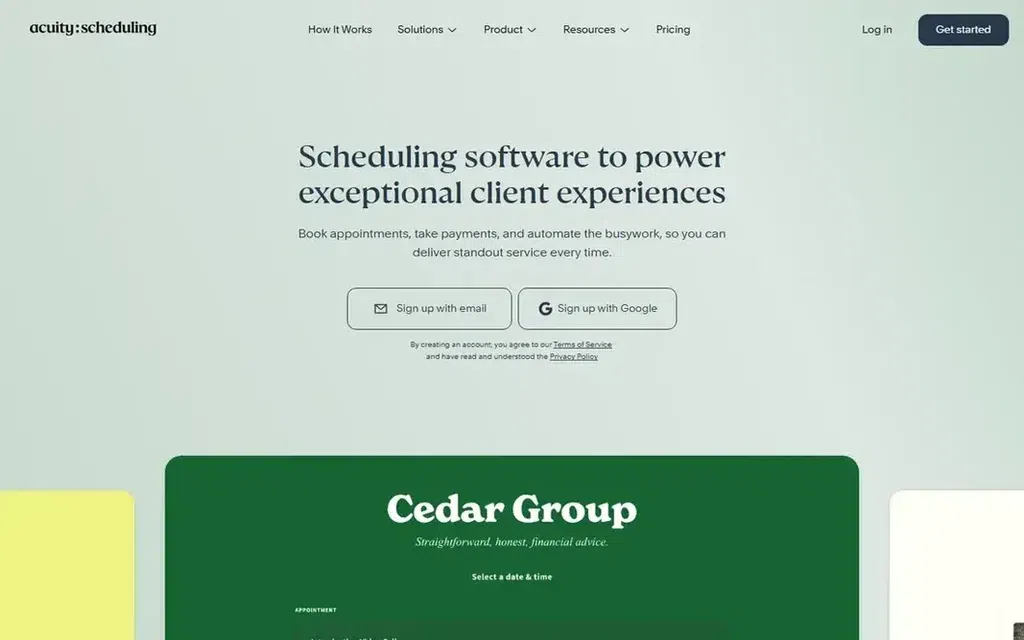
Where Acuity Scheduling fits: adaptable online appointment booking. For a startup, that means clients or patients can reserve time without back and forth messages.
The team can shape availability, intake questions and calendar rules to fit how the practice actually runs. It also relies on how your existing calendars and workflows link. Price to start with Acuity Scheduling: $16 per month. As for free access: Free trial.
Drawbacks to consider: Restricted medical record features.
- Configurable booking pages
- Works for plenty of service types
- Not a clinical EHR
AdvancedMD is aimed squarely at scalable cloud practice management. AdvancedMD provides a single cloud-based option that unifies practice management, patient engagement and EHR needs.
Limits to weigh: Thorough and configuration heavy.
It is also not a fast booking widget for a single provider. AdvancedMD starts at: $130 per provider per month. As for free access: Not stated.
- Single cloud-based option
- Practice management and patient engagement
- Not a light booking app
How these tools were picked
LinkVetted looked at what each vendor publishes: pricing, plan limits, feature coverage for patient scheduling software for startups and stated drawbacks. No hands-on testing is claimed. Figures are shown as the vendors publish them. Billing terms, seat minimums and add-ons can change the real cost. Order on the page follows fit for the typical buyer first, then price transparency and free access. Your own requirements should decide the final pick.
What to confirm before you sign up
- Prices are a starting point; Calendly shows $10 per seat per month to start, so verify what your seat count would cost.
- Test the free plan from Calendly against your real workload before relying on it.
- Take the trial from SimplePractice, Practice Fusion and Acuity Scheduling and push a live task through it before you pay.
- Read the limits listed for Calendly first: not made for clinical workflows.
- Look at the help docs and support options for AdvancedMD before you commit.
- Check whether Practice Fusion bills monthly or annually, and what cancelling early costs.
FAQ
Do these tools publish their prices?
Yes. Every tool from Calendly to AdvancedMD shows a starting price, though seats, add-ons and billing terms still change the final cost.
What is the cheapest option for patient scheduling software for startups in this list?
On published monthly entry prices, Calendly is the lowest here at $10 per seat per month. Entry price is only part of the cost, because seats, add-ons and billing terms can change the total. All 5 picks in this patient scheduling software for startups comparison list a starting price, free plan details and the main limits on their cards above.
Is Calendly the right pick for everyone comparing patient scheduling software for startups?
No single tool suits every team. Calendly comes first because it fits meeting coordination around appointments, while SimplePractice suits therapy and wellness practices and Practice Fusion suits small medical practices needing an EHR. Match the tool to your own size, budget and workflow before deciding.
Which options for patient scheduling software for startups have a free plan?
Calendly is the only tool in this list with a free plan. Free plans usually cap users, projects or features, so check the limits on the vendor page. Several others offer a trial instead. For the full picture, the cards above cover all 5 entries of this patient scheduling software for startups list, including price, free plan and limits.
How do EHR-based schedulers differ from standalone booking apps?
Standalone booking apps are quicker to adopt and simpler to customize for service firms. The right pick relies on whether clinical workflows are already part of your daily operations.
Sources
- https://calendly.com
- https://www.simplepractice.com
- https://www.practicefusion.com
- https://acuityscheduling.com
- https://www.advancedmd.com