Best Medical Software for Hospitals (2026): 5 Picks Checked on Vendor Pages
Best medical software for hospitals, compared. 5 tools with published prices, free plans and limits. Trade-offs are spelled out for each entry. Details below.
- Editor's choiceMEDITECH
Completely integrated, interoperable hospital EHR
Starts atPricing on requestVisit meditech.comFull review - Great alternative
 Oracle Health
Secure, insight-driven hospital options
Starts atPricing on requestVisit oracle.comFull review - Also considerCerner
Hospital EHR within Oracle Health
Starts atPricing on requestVisit cerner.comFull review
Direct answer
This list puts MEDITECH first for completely integrated, interoperable hospital EHR. Look at Oracle Health for secure, insight-driven hospital options, and at Cerner for Hospital EHR within Oracle Health. Details and limits for the rest of the 5 tools are below. None of these vendors publish plan prices, so pricing is on request for every option.
TL;DR:
- MEDITECH is the opening pick, best for completely integrated, interoperable hospital EHR.
- One limit worth knowing about MEDITECH: customization may need vendor involvement.
- Neither MEDITECH nor Epic, nor any of the other 3 tools, has a permanent free plan; trials and quotes are the norm.
- Epic is the one to check for thorough hospital EHR and population health.
Last checked November 2026. Pricing on request: vendors did not publish plan prices when this guide was last checked (November 2026), so ask each vendor for a written quote.
Quick comparison
| Tool | Best for | Starts at | Free plan? | |
|---|---|---|---|---|
| MEDITECH | Completely integrated, interoperable hospital EHR | Pricing on request | Not stated | Visit |
| Oracle Health | Secure, insight-driven hospital options | Pricing on request | Not stated | Visit |
| Cerner | Hospital EHR within Oracle Health | Pricing on request | Not stated | Visit |
 athenahealth | Ambulatory care connectivity and workflow | Pricing on request | Not stated | Visit |
 Epic | Thorough hospital EHR and population health | Pricing on request | Not stated | Visit |
The best medical software for hospitals
This LinkVetted guide covers 5 medical software for hospitals. Each profile lists a starting price, free plan details, strengths and drawbacks, so you can drop poor fits quickly.
MEDITECH
Best for: Completely integrated, interoperable hospital EHR
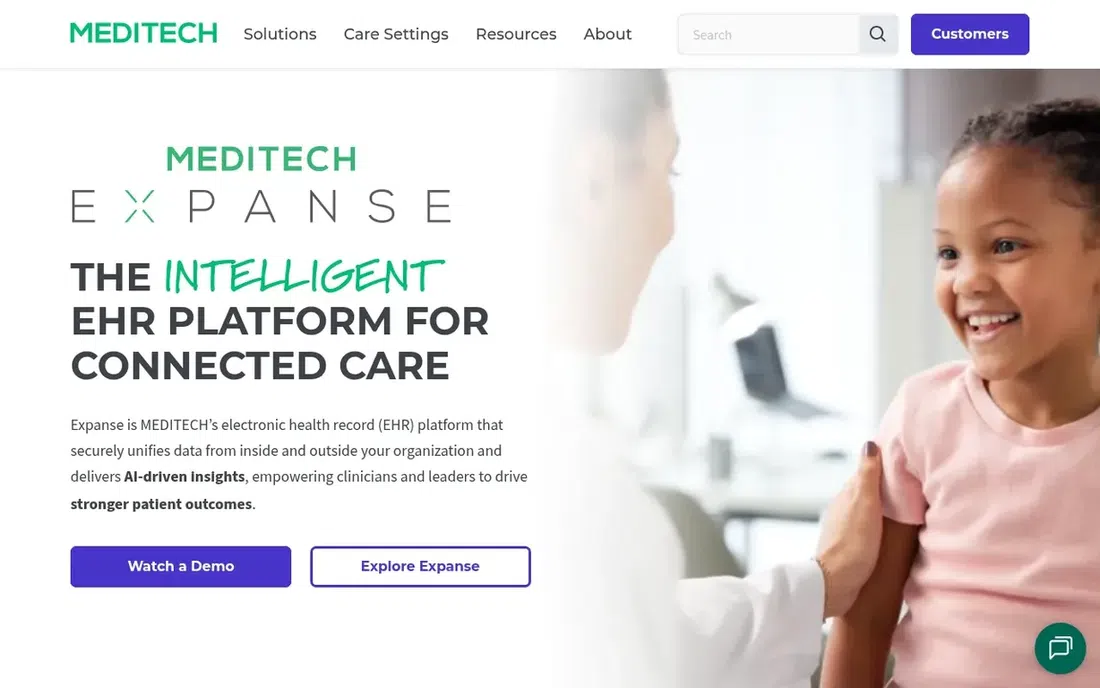
MEDITECH makes the most sense for completely integrated, interoperable hospital EHR. MEDITECH supplies a completely integrated, interoperable EHR software used by plenty of institutions worldwide to support the communities they serve. Beyond that, Hospitals with highly specialized workflows may have to confirm how well the system adapts.
Where it falls short: Customization may need vendor involvement.
Compare support and upgrade paths with the vendor, and consider other options if a lighter ambulatory focus is the priority. Hospitals that value an integrated record across clinical areas and interoperability with other systems should contain MEDITECH on their shortlist, notably when seeking a cohesive product for diverse care settings. On top of that, integrated systems can involve complicated configuration and ongoing training requirements. MEDITECH shows no starting price here, so confirm the cost on the vendor site. Trial and free access: Not stated.
- Completely integrated EHR
- Used by numerous institutions worldwide
- Training needs can be substantial
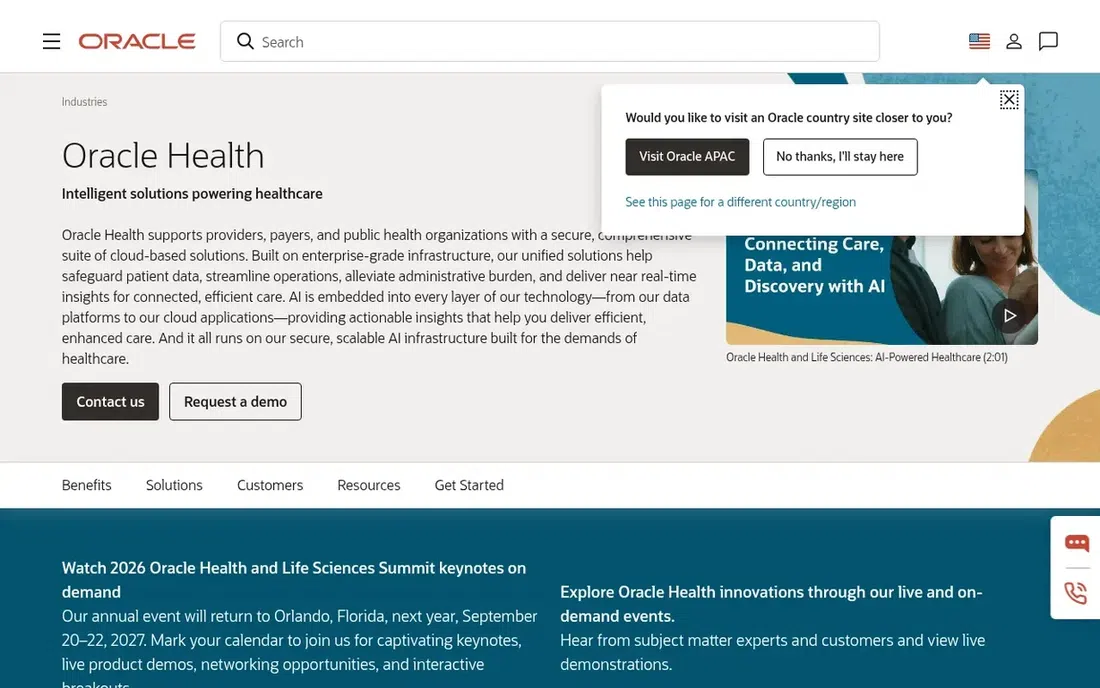
Oracle Health makes the most sense for secure, insight-driven hospital options. The breadth of the Oracle Health portfolio means hospitals should define scope carefully to avoid unnecessary complexity. On top of that, Hospitals looking for a vendor with a capable emphasis on data insights and reliability may find it a solid fit, especially when aligning clinical and operational data across departments.
Worth adding: Oracle Health describes its mission as advancing how health happens by offering secure and steady options that deliver better healthcare insights and people-centric experiences. For everyday use, organizations seeking a narrowly focused ambulatory tool might prefer a specialized vendor. Check the vendor site for Oracle Health pricing; none is listed in this comparison. As for free access: Not stated.
Trade-offs to know: Wide portfolio may need careful scoping.
- Focus on secure and steady options
- Emphasis on healthcare insights
- Transition planning can be complicated
Cerner
Best for: Hospital EHR within Oracle Health
Cerner is designed for Hospital EHR within Oracle Health. Cerner is now part of Oracle Health, whose homepage describes advancing how health happens through secure and dependable options that deliver better healthcare insights and people-centric experiences.
No starting price is listed for Cerner here; confirm pricing on the vendor site. Free plan details: Not stated.
Where it falls short: Brand transition may complicate planning.
- Focus on secure healthcare options
- Insight-driven approach
- Scope definition needs care
Think of athenahealth for ambulatory care connectivity and workflow. Beyond that, Hospitals with significant outpatient or ambulatory operations may find athenahealth relevant for simplifying workflows and connecting care teams across the community. Athenahealth supplies healthcare products and services for ambulatory care, with a mission to cure complexity and link the healthcare ecosystem.
Its homepage flags a large connected clinician network. Worth adding: confirm interoperability and support details straight with the vendor. Check the vendor site for athenahealth pricing; none is listed in this comparison. Free options: Not stated.
Watch-outs: Hospital inpatient needs may need other tools.
- Large connected clinician network
- Mission to cut complexity
- Primarily ambulatory-oriented
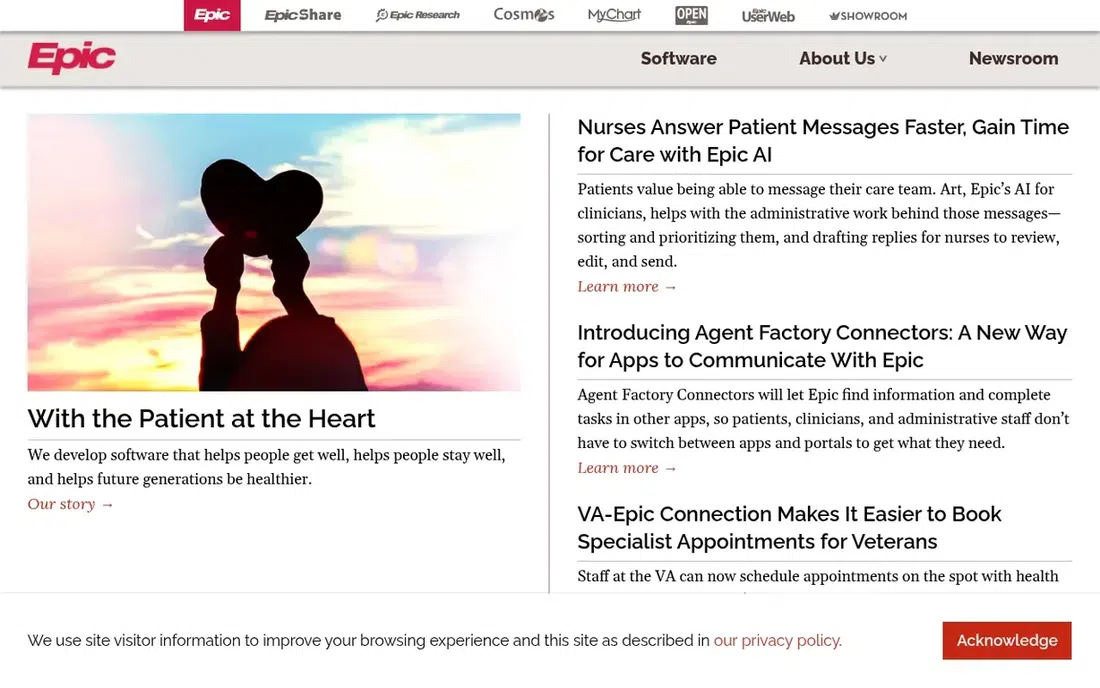
In short, Epic is for thorough hospital EHR and population health. Its homepage emphasizes keeping the patient at the heart of care. Confirm module scope and support terms straight with the vendor.
In practice, Hospitals seeking a thorough EHR with a capable patient-care orientation should consider Epic, particularly when integration across clinical and administrative areas is a priority. Worth adding: Epic implementations can be deep and may demand substantial planning and staff training. As for the details, organizations with restricted IT resources or a preference for lighter, specialty-focused systems might evaluate other choices first. Epic shows no starting price here, so confirm the cost on the vendor site. Free plan details: Not stated.
Limits to weigh: Complicated implementation.
- Wide EHR functionality
- Focus on patient-centered care
- May need significant training
What went into this list
For each of the 5 tools we noted price, free plan or trial, fit for medical software for hospitals and the main limit, using vendor pages and documentation. Prices and plan limits come from vendor pages and can change, so confirm them on the vendor site before you buy. The ranking is editorial: typical fit first, then clear pricing, then free access. If your needs are unusual, read the profiles rather than relying on position.
A buyer's checklist
- Ask each vendor, from MEDITECH to Epic, for a written quote; none of them publishes a starting price.
- Read the limits listed for MEDITECH first: customization may need vendor involvement.
- Look at the renewal terms for MEDITECH: auto-renewal, notice periods and price changes can matter more than the first-year price.
- Let daily users try Cerner on real work; their feedback beats any feature checklist.
- Total up the real monthly cost of athenahealth, including add-ons, extra users and usage-based fees.
FAQ
Do these tools publish their prices?
No. None of the tools, from MEDITECH to Epic, shows a fixed starting price here, so budget time for quotes. For the full picture, the cards above cover all 5 entries of this medical software for Hospitals list, including price, free plan and limits.
How does Epic compare with Oracle Health for hospitals?
Epic emphasizes patient-centered care and a long-standing EHR focus, whereas Oracle Health flags secure, dependable options and healthcare insights. The better choice relies on your integration priorities and data strategy.
Is MEDITECH the right pick for everyone comparing medical software for hospitals?
No single tool suits every team. MEDITECH comes first because it fits fully integrated, interoperable hospital EHR, while Oracle Health suits secure, insight-driven hospital solutions and Cerner suits Hospital EHR within Oracle Health. Match the tool to your own size, budget and workflow before deciding.
How are the tools for medical software for hospitals ordered?
MEDITECH sits first and Epic last because the order follows typical fit for medical software for hospitals, then price clarity and free access. It is a judgement call, so read each profile for fit and limits.
Is MEDITECH a good match for large hospitals?
MEDITECH describes a completely integrated, interoperable EHR used by plenty of institutions worldwide, which can suit large hospitals seeking a cohesive record. Confirm module scope and support with the vendor.
Can ambulatory-focused tools like athenahealth work in hospitals?
For complicated inpatient needs, they may have to be paired with other systems. From a buyer's view, evaluate interoperability and workflow fit before deciding.
Sources
- https://www.meditech.com
- https://www.oracle.com/health
- https://www.cerner.com
- https://www.athenahealth.com
- https://www.epic.com