6 ERP Tools for Fashion Retail Worth Shortlisting in 2026
6 options for the best ERP tools for fashion retail, with entry costs, free tiers and the buyer each one serves. With pricing notes and limits. Plain facts.
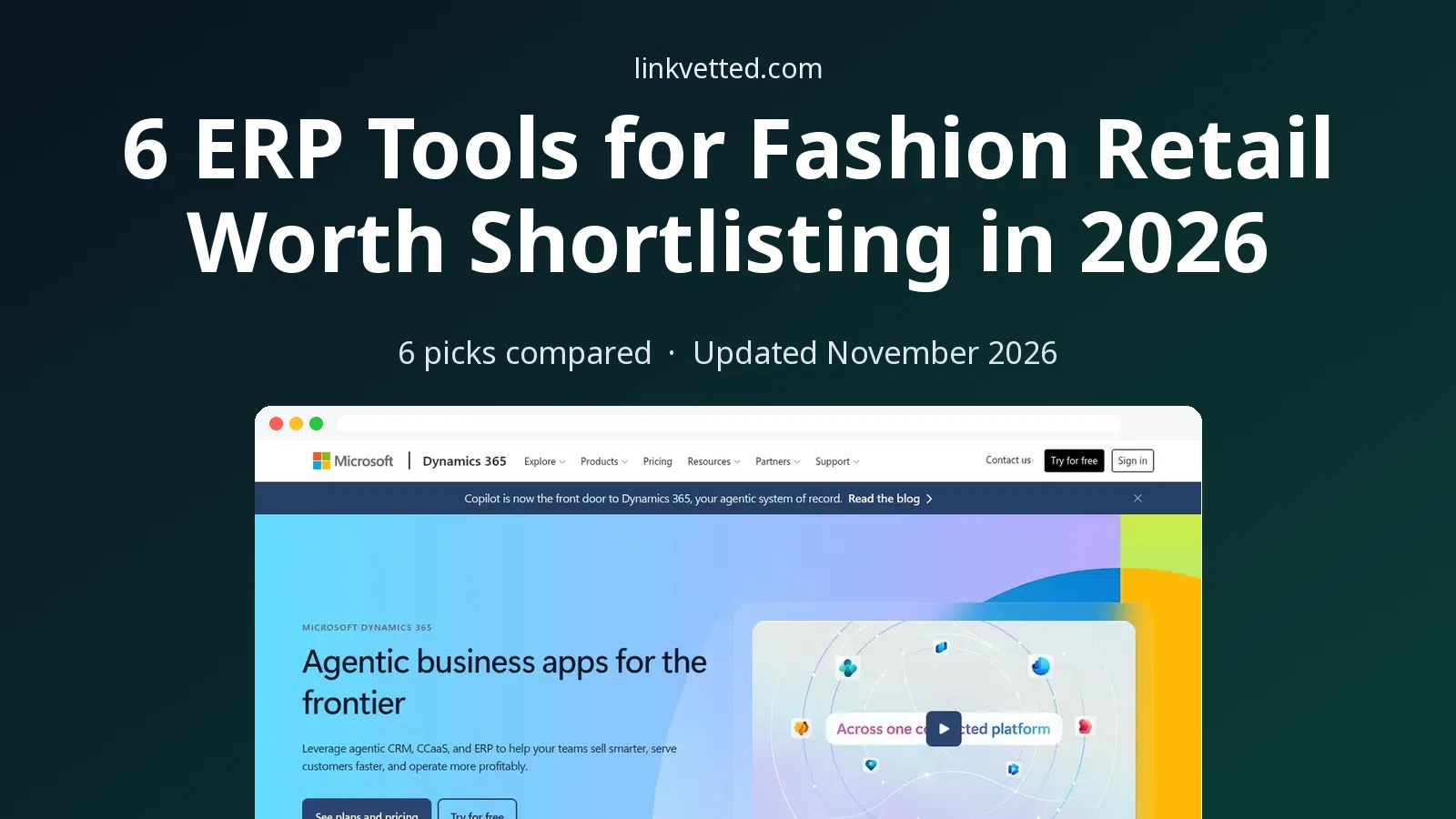
- Editor's choice
 Oracle Fusion Cloud ERP
Agility and quick business model changes
Starts atPricing on requestVisit oracle.comFull review - Great alternative
 Microsoft Dynamics 365
Microsoft-centric retail operations
Starts atPricing on requestVisit microsoft.comFull review - Also consider
 SAP S/4HANA
Scalable modular cloud ERP core
Starts atPricing on requestVisit sap.comFull review
Direct answer
This list puts Oracle Fusion Cloud ERP first for Agility and quick business model changes. Look at Microsoft Dynamics 365 for Microsoft-centric retail operations, and at SAP S/4HANA for scalable modular cloud ERP core. The remaining 3 options are covered below with pricing notes and limits. None of these vendors publish plan prices, so pricing is on request for every option.
TL;DR:
- Oracle Fusion Cloud ERP takes the first slot, best suited to Agility and quick business model changes.
- A fair warning about NetSuite: wide scope can mean a longer setup.
- Only Odoo offers a free plan among these 6 tools.
- Oracle Fusion Cloud ERP, Odoo and the 4 others all sell by quote; expect sales conversations before you see a price.
- Odoo is the one to check for integrated apps for smaller brands.
Last checked November 2026. Pricing on request: vendors did not publish plan prices when this guide was last checked (November 2026), so ask each vendor for a written quote.
Quick comparison
| Tool | Best for | Starts at | Free plan? | |
|---|---|---|---|---|
| Oracle Fusion Cloud ERP | Agility and quick business model changes | Pricing on request | Not stated | Visit |
| Microsoft Dynamics 365 | Microsoft-centric retail operations | Pricing on request | Not stated | Visit |
| SAP S/4HANA | Scalable modular cloud ERP core | Pricing on request | Not stated | Visit |
 NetSuite | Unified financials, inventory and CRM | Pricing on request | Not stated | Visit |
| Epicor ERP | Unifying operations and efficiency | Pricing on request | Not stated | Visit |
 Odoo | Integrated apps for smaller brands | Pricing on request | Yes | Visit |
ERP Tools for Fashion Retail compared in detail
Choosing ERP tools for fashion retail usually comes down to price, fit and limits. This LinkVetted guide sets 6 tools side by side on those three points, with the facts kept short and checkable.
Choose Oracle Fusion Cloud ERP for Agility and quick business model changes. Fashion retailers facing shifting channels and seasonal demand may value that adaptability.
Retailers with modest requirements should weigh more straightforward choices before committing. This comparison lists no price for Oracle Fusion Cloud ERP; ask the vendor. On free options: Not stated.
Where it is weaker: Requires careful change management.
- Enterprise resource management breadth
- Cloud ERP centred on resilience and agility
- Enterprise focus can feel heavy for small brands
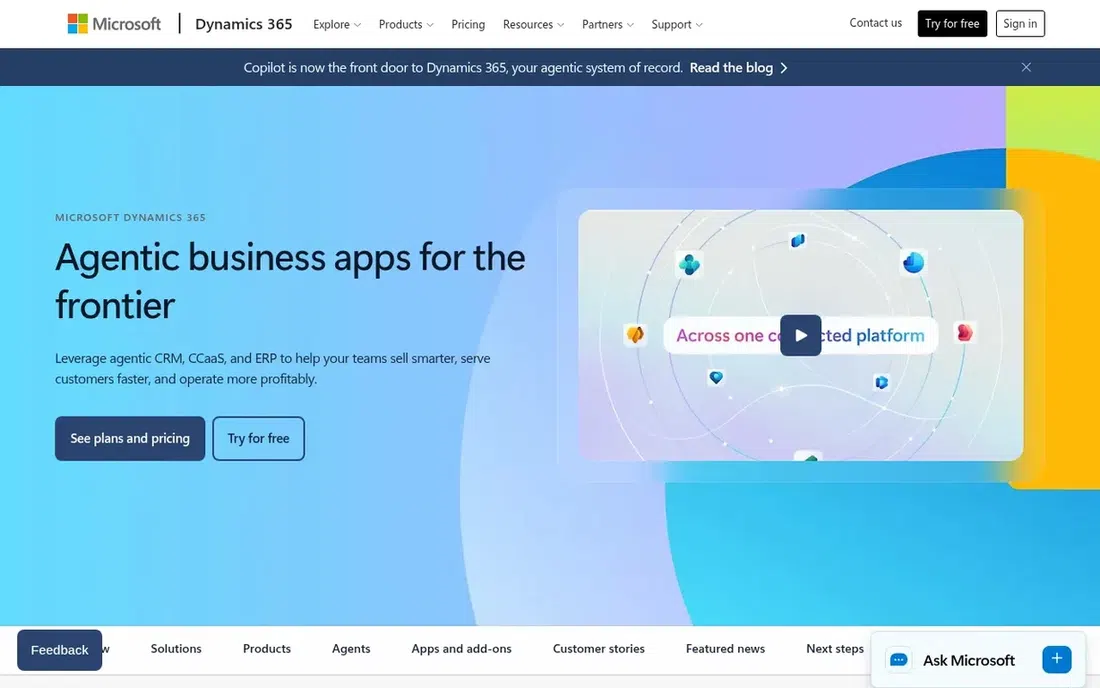
Microsoft Dynamics 365 is a good fit for Microsoft-centric retail operations. Microsoft Dynamics 365 is a family of CRM and ERP business applications that link teams, processes and data, positioned around what Microsoft calls agentic business.
Strengths: Suits organizations already using Microsoft tools.
What to check first: Module structure takes planning.
As for the details, fashion retailers that already depend on Microsoft productivity and data tools frequently find the integration path natural. Heavy customization can make future changes harder to handle. Pricing for Microsoft Dynamics 365 is not stated here, so ask the vendor for current figures. Free options: Not stated.
- Processes and data
- Links CRM and ERP applications
- Customization can add complexity
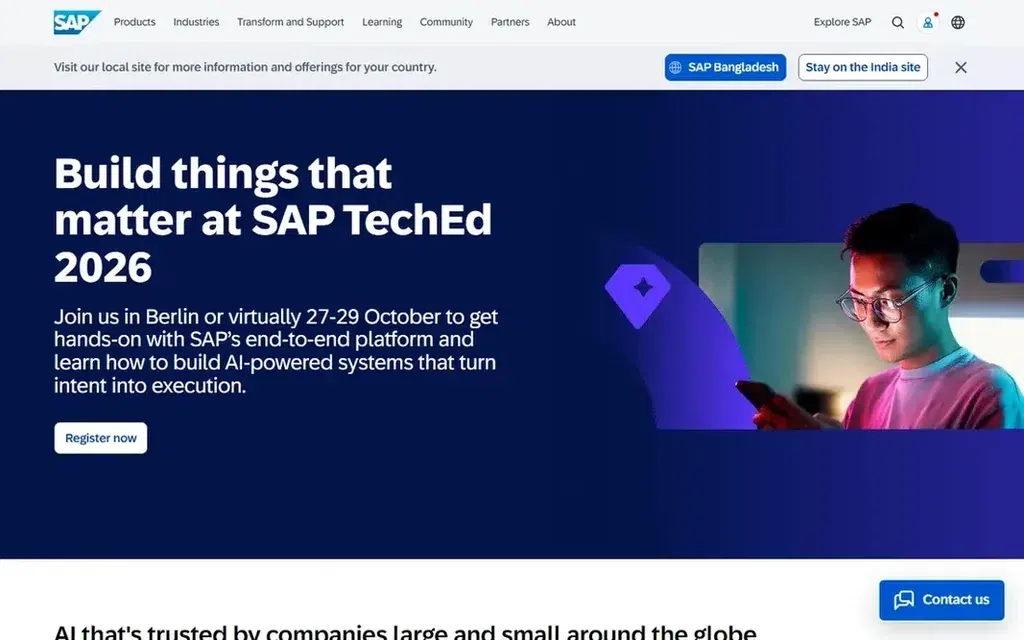
For scalable modular cloud ERP core, SAP S/4HANA is a natural candidate. SAP S/4HANA is an ERP cloud offering, with S/4HANA Cloud Public Edition described as a modular option that brings built-in AI to core business processes so firms can scale. Smaller fashion retailers may find the structure and cost of ownership beyond their needs.
What to check first: Best value at bigger scale.
On top of that, a lighter cloud ERP is typically a better starting point for lean teams. Fashion firms with complicated supply chains and plans for growth commonly look at SAP for a standardized core. SAP S/4HANA shows no starting price here, so confirm the cost on the vendor site. Free options: Not stated.
- Built-in AI in core processes
- Cloud Public Edition choice
- Implementation demands specialist resources
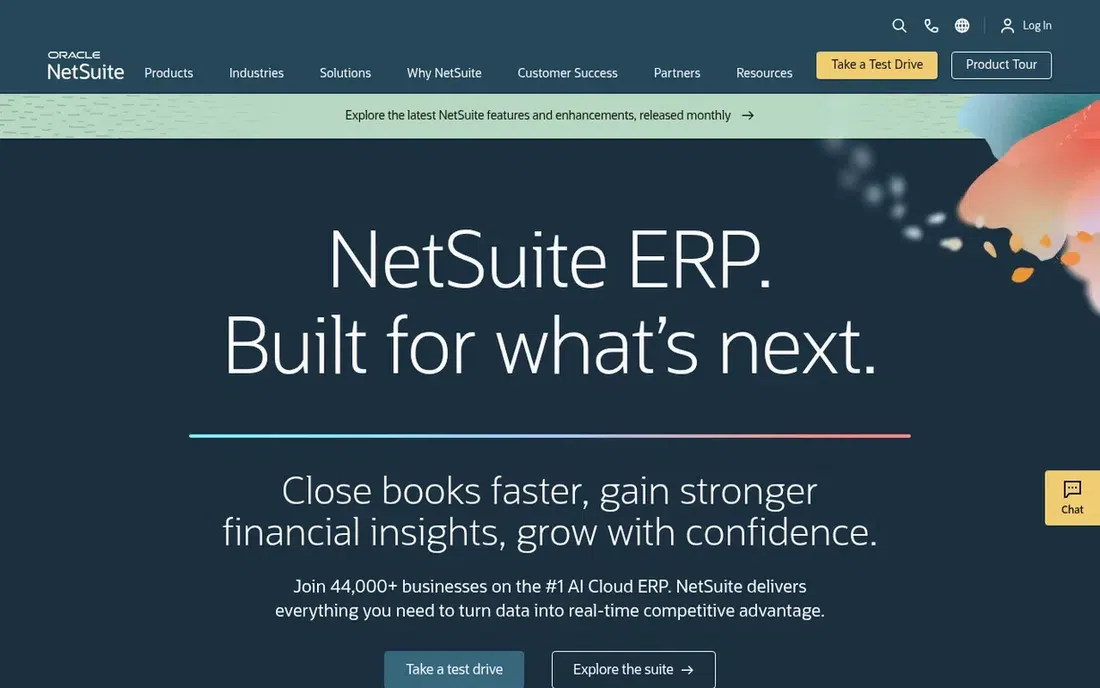
NetSuite serves unified financials, inventory and CRM. Smaller retailers with straightforward needs may find the scope heavier than required.
What users get: accounting and inventory.
What to check first: Configuration may need specialist help. NetSuite does not show a starting price in this comparison, so check the vendor site for current pricing. Trial and free access: Not stated.
- Cloud delivery fits multi-channel selling
- Merges financials, CRM
- Wide scope can mean a longer setup
Epicor ERP
Best for: Unifying operations and efficiency
In short, Epicor ERP is for unifying operations and efficiency. Epicor supplies enterprise resource planning systems that boost efficiency, unify operations and support growth. The vendor gives you guidance on finding the right ERP for your business.
The main drawbacks: Needs clear process mapping first.
Retailers whose needs center on fashion-specific merchandising depth should compare carefully. Beyond that, fashion retailers with distribution and operations complexity may find the operational focus relevant. For everyday use, results depend heavily on matching configuration to your processes, so requirements mapping should come first. Check the vendor site for Epicor ERP pricing; none is listed in this comparison. Trial and free access: Not stated.
- Positioned to support growth
- Brings together operations across the business
- Fit depends on your industry configuration
Odoo was built for integrated apps for smaller brands. For smaller fashion retailers, that means storefront, customer management and back-office functions can share one environment. As for the details, consider an enterprise-focused system if scale and deep retail specialization are priorities.
The app breadth builds configuration decisions, and teams should plan which modules to enable first. Very large or highly specialized fashion operations may outgrow a general integrated suite. Odoo does not show a starting price in this comparison, so check the vendor site for current pricing. Free access exists with Odoo.
Downsides: Plenty of apps mean more configuration choices.
- ECommerce and CMS in one system
- Completely integrated app approach
- Deep enterprise scale may need extras
How we chose
Questions to settle before buying
- Ask each vendor, from Oracle Fusion Cloud ERP to Odoo, for a written quote; none of them publishes a starting price.
- Look at the free plan from Odoo closely: its caps decide whether it is usable for real work.
- Read the limits listed for Oracle Fusion Cloud ERP first: enterprise focus can feel heavy for small brands.
- Confirm minimum seats and billing terms with Oracle Fusion Cloud ERP before you commit to an annual plan.
- Read the plan comparison for NetSuite carefully; key features often start on a higher tier.
FAQ
Can I try these tools before paying?
Often, yes. Odoo has a free plan. Use your own data and a real task during the test, and check what the free tier or trial limits before you rely on it. Each of the 6 options in this ERP tools for Fashion retail guide has its own card above with the price, free plan and limits.
How long should an ERP evaluation take?
Plan enough time to map your processes, review vendor documentation and confirm integration needs before committing. Involve finance, operations and merchandising in the review.
Is a general ERP enough for apparel and footwear?
General ERP products can work when configured for variant inventory and seasonal planning, but the depth varies. As for the details, compare configurations instead of assuming out-of-the-box fit.
Do these tools publish their prices?
No. None of the tools, from Oracle Fusion Cloud ERP to Odoo, shows a fixed starting price here, so budget time for quotes.
How are the tools for ERP tools for fashion retail ordered?
Oracle Fusion Cloud ERP sits first and Odoo last because the order follows typical fit for ERP tools for fashion retail, then price clarity and free access. It is a judgement call, so read each profile for fit and limits.
Is Oracle Fusion Cloud ERP the right pick for everyone comparing ERP tools for fashion retail?
No single tool suits every team. Oracle Fusion Cloud ERP comes first because it fits Agility and fast business model changes, while Microsoft Dynamics 365 suits Microsoft-centric retail operations and SAP S/4HANA suits scalable modular cloud ERP core. Match the tool to your own size, budget and workflow before deciding.
Sources
- https://www.oracle.com/erp
- https://www.microsoft.com/en-us/dynamics-365
- https://www.sap.com/products/erp/s4hana.html
- https://www.netsuite.com
- https://www.epicor.com/en-us/products/erp
- https://www.odoo.com