Best Digital OOH Advertising Platforms in 2026: 8 Platforms Compared
Looking for the best digital OOH advertising platforms? We compared 8 DOOH platforms for programmatic buying, screens, targeting, measurement and pricing.
- Editor's choice
 Vistar Media
Enterprise programmatic DOOH
Starts atSee websiteVisit vistarmedia.comFull review - Great alternative
 Broadsign
Media owners and large networks
Starts atSee websiteVisit broadsign.comFull review - Also consider
 AdQuick
Marketplace plus managed buying
Starts atSee websiteVisit adquick.comFull review
TL;DR:
- Digital OOH, or DOOH, means ads on digital screens outside the home, such as billboards, transit screens, airport displays and place-based screens.
- Vistar Media is our pick for enterprise programmatic DOOH, thanks to its supply and demand tools and broad screen access.
- AdQuick suits buyers who want a marketplace plus managed help, with test campaigns from around 1,500 dollars in many US markets.
- Adomni suits self-serve buyers who want audience-based programmatic DOOH without a large agency setup.
- Most DOOH pricing is custom or auction-based, so ask for minimums, CPM ranges and measurement terms before you commit.
Quick comparison
| Tool | Best for | Starts at | Free plan? | |
|---|---|---|---|---|
| Vistar Media | Enterprise programmatic DOOH | See website | No | Visit |
| Broadsign | Media owners and large networks | See website | No | Visit |
| AdQuick | Marketplace plus managed buying | See website | No | Visit |
 Adomni | Self-serve audience-based DOOH | See website | No | Visit |
 Place Exchange | Programmatic OOH supply | See website | No | Visit |
 StackAdapt | DOOH inside a multi-channel plan | See website | No | Visit |
 The Trade Desk | DOOH inside an omnichannel plan | See website | No | Visit |
 Blip Billboards | Small self-serve billboard buys | See website | No | Visit |
The best digital OOH advertising platforms
Digital out-of-home advertising puts your creative on screens people see in daily life: roadside digital billboards, transit hubs, airports, offices, gyms and retail spaces. Programmatic DOOH lets you buy those screens through auctions, by audience, venue, daypart or trigger such as weather, rather than buying each board by hand. We compared official platform pages and industry guides, and we favoured platforms with clear inventory, targeting, measurement and pricing terms.
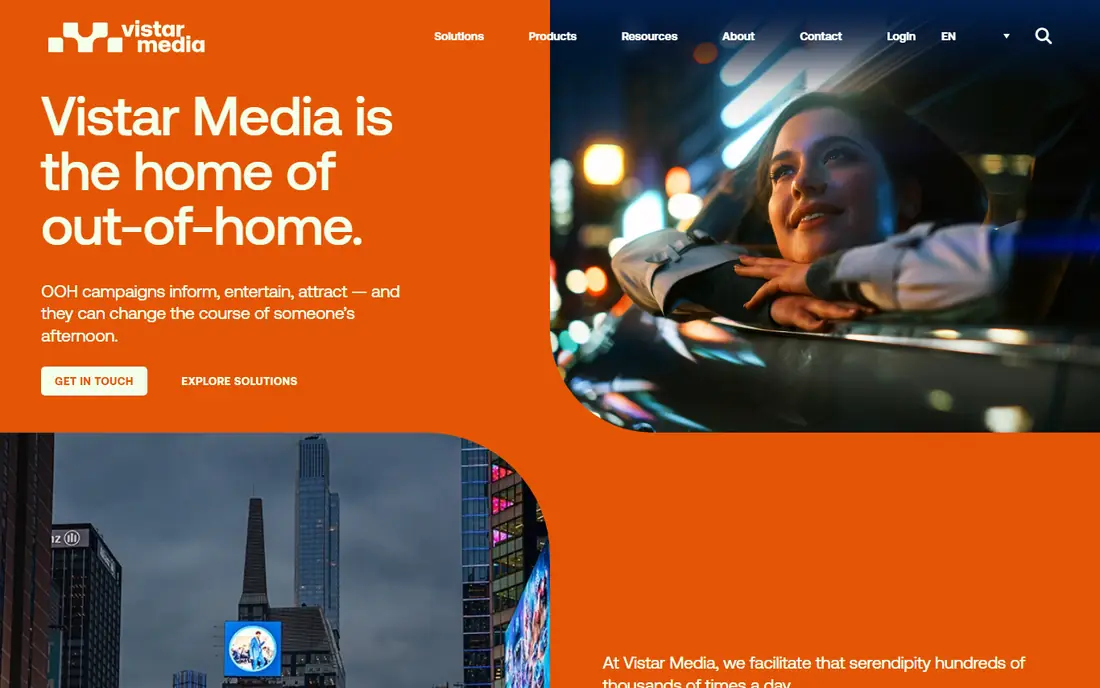
Vistar Media is our pick for enterprise programmatic DOOH because it works on both sides of the market. Media owners use its supply tools to sell screen inventory, while buyers use its demand tools to plan, buy and measure campaigns across many networks. That breadth helps large brands and agencies run DOOH at scale, with consistent reporting.
The enterprise focus is the limit for small buyers. There is no simple public self-serve signup with a fixed price, and costs depend on auction, venue and audience. Small businesses will usually access Vistar inventory through a DSP or a managed partner. If you run DOOH at scale, Vistar is the infrastructure most serious buyers start with.
- Supply-side and demand-side tools for DOOH
- Broad programmatic screen access
- Audience and venue targeting
- Enterprise focus, so small buyers may need a partner
- Pricing is auction and custom
- Self-serve signup is limited
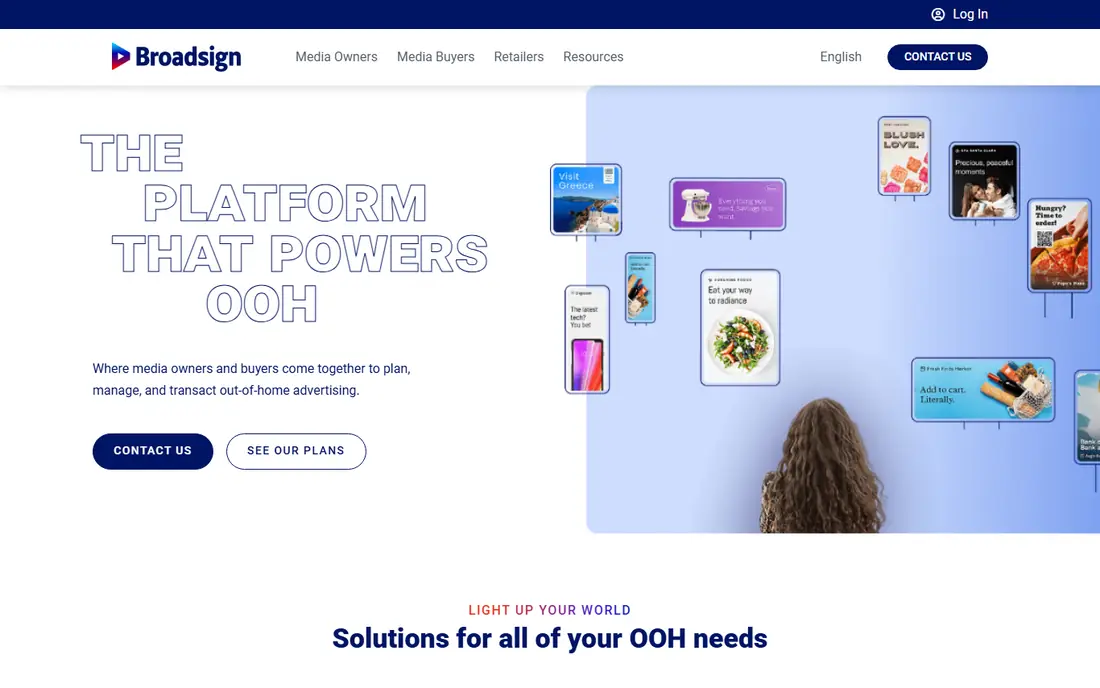
Broadsign suits media owners and large networks that run thousands of screens. Its platform handles content scheduling, campaign automation, programmatic selling and proof-of-play reporting, which proves an ad actually ran as booked. For a network owner, that audit trail matters for billing and client trust.
Buyers should note that Broadsign is primarily a media-owner platform, not a simple self-serve buying tool. Pricing needs a custom quote, and the learning curve is steep for new admins. If you own or operate screens and want to sell them programmatically, Broadsign is a leading choice. If you only want to buy a few screens, a marketplace is simpler.
- Campaign automation and scheduling at scale
- Programmatic integration
- Proof-of-play reporting
- Pricing is custom quote only
- Learning curve for new admins
- Media-owner focus can feel heavy for simple buys

AdQuick combines a marketplace with managed buying help, which suits brands that want guidance without hiring a full agency. You can plan classic and digital out-of-home together, buy programmatically or direct, and see reporting in one platform. Test campaigns in many US markets start around 1,500 to 2,500 dollars on programmatic DSPs, though premium spots cost far more.
Minimums and CPMs vary widely by city, venue and format, from a few dollars on open exchange to far higher rates for premium downtown or airport screens. Managed service may also add fees, so ask what is included. For a brand testing DOOH with support, AdQuick is a practical starting point.
- Marketplace plus managed service
- Classic and digital OOH in one platform
- Unified reporting
- Minimums vary by market and format
- Premium inventory costs far more than open exchange
- Managed help may add fees
Adomni suits self-serve buyers who want to run audience-based DOOH without an agency. You can target by audience, venue and geography, upload creative, and buy programmatically across US screens. That self-serve model lowers the barrier for a first DOOH test, compared with enterprise platforms that need a sales call.
You still need a test budget, and minimums vary by campaign and inventory. Creative specs, dayparting and measurement also depend on the screens you buy, so check specs early. If you want to run DOOH yourself, with audience targeting and a clear dashboard, Adomni is a strong choice.
- Self-serve programmatic buying
- Audience-based targeting
- US screen access without agency setup
- Minimums vary
- Creative and measurement options depend on inventory
- Smaller buyers still need a test budget
Place Exchange is a programmatic supply platform for out-of-home media. It connects screen owners to demand through major DSPs, with venue and audience data that helps buyers plan by place and people, not just by board location. For agencies and DSP users, that supply breadth is valuable.
Most buyers will not log into Place Exchange directly. You access its inventory through a DSP such as The Trade Desk, StackAdapt or Vistar, and pricing is auction-based. If you already use a DSP, ask whether Place Exchange supply is included. If you want a direct self-serve buy, AdQuick, Adomni or Blip will feel simpler.
- Large programmatic OOH supply network
- Access through major DSPs
- Venue and audience data
- Supply-side platform, so buyers access it via a DSP
- No direct self-serve buying for most users
- Pricing is auction-based
StackAdapt suits advertisers who want DOOH as one line in a wider digital plan, alongside display, video and native ads. You can use weather, time-of-day and audience triggers, and manage DOOH with other channels in one platform. That consolidation helps agencies that report across channels and want a single workflow.
DOOH is not StackAdapt's sole focus, so specialist DOOH buyers may want deeper screen tools elsewhere. Pricing is custom, and access is demo-led rather than instant self-serve. If DOOH sits inside a multi-channel campaign, StackAdapt is a convenient way to include it without a separate platform.
- DOOH alongside display, video and other channels
- Weather and time-of-day triggers
- Demo-led onboarding
- DOOH is one channel among many, not a specialist focus
- Pricing is custom
- Self-serve access is demo-led
The Trade Desk is an omnichannel demand-side platform that includes DOOH alongside display, video, audio and connected TV. Large advertisers use it to plan audiences once and reach them across channels, with DOOH as a physical extension of a digital plan. Measurement and audience tools are a strength for teams that already use the platform.
It is not a beginner DOOH tool. Enterprise seats, minimums and trading expertise make it a poor fit for a small first test. If your team already buys programmatic media through The Trade Desk, adding DOOH there makes sense. If DOOH is your only channel, a specialist marketplace will be faster.
- Omnichannel DSP with DOOH supply
- Strong audience and measurement tools
- Access to major DOOH exchanges
- Enterprise seat and minimums
- Complex for a first DOOH test
- DOOH expertise depends on your trading team
Blip Billboards is the small-buyer option on this list. It lets you bid daily for individual digital billboards, set dayparts, and run a small test without an agency or a large minimum. That per-screen control suits local businesses, events and short promotions that only need a few boards in one city.
The network is focused on US digital billboards, so it lacks the transit, airport and place-based depth of larger platforms. Creative must also fit billboard specs and be readable at speed and distance. For a simple, low-cost billboard test, Blip is the most accessible entry point here.
- Self-serve daily bidding per screen
- Low minimums for small tests
- Daypart controls
- US digital billboard focus, so no transit or place-based depth
- Creative must fit billboard specs
- Reach is limited to its network
How we picked these
We compared official platform pages and industry guides for digital OOH platforms available in the United States in October 2026. We favoured clear inventory, programmatic access, targeting options, measurement and honest pricing terms. We included DSPs, SSPs, marketplaces and media-owner platforms, because DOOH buyers meet the market from different sides, and we noted which side each platform serves.
We did not claim hands-on testing that did not happen. Our comparison rests on published platform features, pricing notes and industry guides. DOOH costs vary widely by city, venue, format and auction, so treat any CPM range as a guide, not a quote, and confirm minimums and measurement terms with the platform before you book.
What to look for in a digital OOH advertising platform
Start with your buying side. If you own screens, you need a media-owner platform such as Broadsign. If you buy screens, you need a DSP, marketplace or self-serve tool such as Vistar, AdQuick, Adomni or Blip. Mixing those up wastes time, since a supply platform will not give you a simple buying dashboard, and a small marketplace will not run a national network.
Next, check inventory, targeting and measurement together. Ask which venues and cities are covered, whether you can target by audience, venue, daypart or trigger, and how delivery is proven. Proof-of-play reports, impression estimates and footfall or sales measurement vary by platform. A platform that cannot show where and when your ad ran should not get a large budget.
Creative and specs
DOOH creative must be simple, bold and readable in seconds. Use short headlines, large type, high contrast and one clear action, such as a short web address or a QR code. Check specs early, including size, file type, duration and whether audio is allowed, since most roadside screens are silent. Test creative on a phone screen at arm's length: if you cannot read it in three seconds, a driver or passer-by will not either.
Budgeting a first test
For a first test, pick one city, one audience and a four-week flight, with a clear goal such as store visits, website visits or event tickets. Programmatic test budgets often start around 1,500 to 2,500 dollars in a single market, while premium or national campaigns cost far more. Keep creative, targeting and measurement fixed during the test, so you can judge what worked before you scale.
FAQ
What is digital OOH advertising?
Digital OOH, or DOOH, is advertising on digital screens outside the home, such as roadside digital billboards, transit screens, airport displays, office lobbies, gyms and retail screens. Unlike static billboards, digital screens can change creative by time, weather, audience or event, and many can be bought programmatically through auctions.
How much does digital OOH advertising cost?
Costs vary widely by city, venue and buying method. Programmatic open exchange inventory often runs a few dollars per thousand impressions, while premium downtown, airport or Times Square inventory costs far more. Test campaigns on programmatic platforms often start around 1,500 to 2,500 dollars in a single market, while national campaigns run far higher. Ask for a quote for your city and format.
What is the best digital OOH platform for small businesses?
Blip Billboards suits small local billboard tests, with daily per-screen bidding and low minimums. Adomni and AdQuick suit small to mid-size buyers who want audience targeting and a wider screen network. Start with one city and a four-week test, and choose the platform whose inventory covers the places your customers actually visit.
What is the difference between a DOOH DSP and a DOOH SSP?
A DSP, or demand-side platform, helps advertisers buy screen impressions, often through auctions. An SSP, or supply-side platform, helps media owners sell screen inventory to buyers. Vistar and Place Exchange work on both sides in different ways, while The Trade Desk and StackAdapt are mainly DSPs, and Broadsign is mainly a media-owner platform.
How is DOOH advertising measured?
DOOH measurement usually combines proof-of-play reports, which show when and where an ad ran, with impression estimates based on traffic and audience data. Some platforms add footfall measurement, website visits or sales lift studies. Ask what measurement is included, what it costs, and how impressions are counted before you compare platforms.
Can I target DOOH ads by weather or time of day?
Yes, on many programmatic DOOH platforms. You can daypart by hour or day, and use triggers such as weather, temperature, sports scores or traffic where the platform supports them. Trigger options vary by platform and inventory, so confirm which triggers are available for the screens you plan to buy.