How to Pick Digital Advertising Platform: 7 Tools Compared
Best digital advertising platform: 7 contenders ranked by fit, with entry costs and free tiers. With pricing notes and limits. Current for November 2026.
- Editor's choice
 LinkedIn Ads
B2B advertisers with high deal values and precise job-title targeting
Starts at$10/day minimum campaign budgetVisit linkedin.comFull review - Great alternative
 Microsoft Advertising
Advertisers wanting less expensive search clicks than Google
Starts atNo minimum spend (pay per click; you set the budget)Visit ads.microsoft.comFull review - Also consider
 TikTok Ads
Brands targeting under-40 buyers with video-first creative
Starts at$50/day campaign minimum (self-serve)Visit ads.tiktok.comFull review
Direct answer
Start with LinkedIn Ads if you need B2B advertisers with high deal values and precise job-title targeting. Microsoft Advertising is better for advertisers wanting less expensive search clicks than Google, and TikTok Ads is better for brands targeting under-40 buyers with video-first creative. The remaining 4 options are covered below with prices and limits.
TL;DR:
- Top of the list is LinkedIn Ads, which targets B2B advertisers with high deal values and precise job-title targeting.
- Amazon Ads and Taboola: pricing is by quote only, so plan time for a sales conversation.
- Neither LinkedIn Ads nor Taboola, nor any of the other 5 tools, has a permanent free plan; trials and quotes are the norm.
- Taboola is the one to check for advertisers wanting cheap native reach on publisher sites.
Quick comparison
| Tool | Best for | Starts at | Free plan? | |
|---|---|---|---|---|
| LinkedIn Ads | B2B advertisers with high deal values and precise job-title targeting | $10/day minimum campaign budget | No | Visit |
| Microsoft Advertising | Advertisers wanting less expensive search clicks than Google | No minimum spend (pay per click; you set the budget) | No | Visit |
| TikTok Ads | Brands targeting under-40 buyers with video-first creative | $50/day campaign minimum (self-serve) | No | Visit |
 Amazon Ads | Brands selling on Amazon or competing for product searches | See website (auction-based; no published minimum for self-serve) | No | Visit |
 Meta Ads | Firms that require to build demand across Facebook and Instagram | No minimum spend (auction-based; you set daily or lifetime budgets) | No | Visit |
 Google Ads | Firms that want to capture people actively searching to buy | No minimum spend (pay per click; you set the budget) | No | Visit |
 Taboola | Advertisers wanting cheap native reach on publisher sites | See website (minimums vary by account type) | No | Visit |
Digital Advertising Platform profiles
LinkVetted compared 7 tools for digital advertising platform. The goal is a practical shortlist: published prices, free plan facts, best-fit use cases and honest limits for every entry.
LinkedIn Ads
Best for: B2B advertisers with high deal values and precise job-title targeting

LinkedIn Ads is designed for B2B advertisers with high deal values and precise job-title targeting. For B2B with high customer lifetime value (SaaS, agencies, commercial services), that precision justifies click costs that would be absurd anywhere else. For everyday use, LinkedIn Ads is the only system where you can target "VP of Operations at manufacturing firms with 200-plus employees" and mean it.
What to check first: The most costly clicks in digital advertising.
Clicks routinely cost several times their Google or Meta equivalents, small audiences exhaust rapidly, and the $10/day minimum understates real test budgets. For everyday use, high ticket or stay away. From a buyer's view, if one enterprise deal pays for per year of ads, LinkedIn is rational. LinkedIn Ads starts at: $10/day minimum campaign budget. LinkedIn Ads has no permanent free option.
- Capable for lead gen with high lifetime values
- Reaches decision-makers during work mindset
- $10/day minimum with real costs far above it in practice
Microsoft Advertising
Best for: Advertisers wanting less expensive search clicks than Google
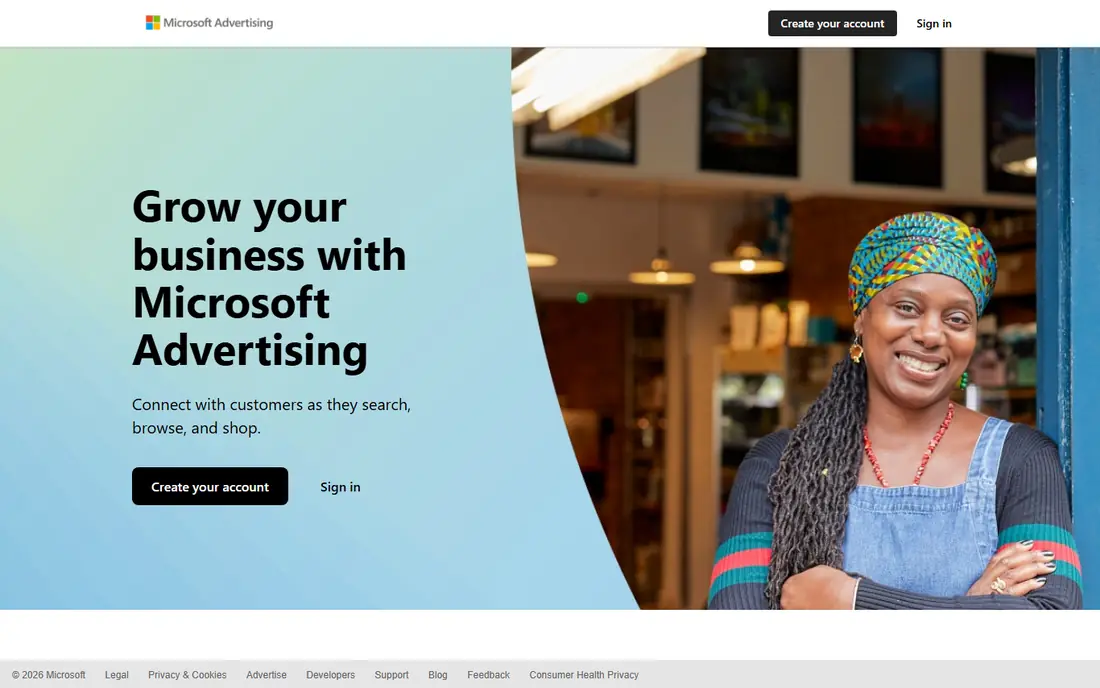
Microsoft Advertising is aimed squarely at advertisers wanting less expensive search clicks than Google. Search volume is a fraction of Google's, so it complements instead of replaces it. The user base skews older and more desktop-heavy, which fits some categories (finance, B2B, home services) and misses others.
On top of that, Microsoft Advertising is the arbitrage play in search. Worth adding: the limits are volume and audience. Starting cost for Microsoft Advertising: No minimum spend. No free plan comes with Microsoft Advertising.
Trade-offs to know: Much smaller search volume, so it caps how far you can scale.
Strengths: AOL and Edge audiences Google misses.
- Reaches Bing, Yahoo
- Lower cost per click than Google in most categories
- Fewer advanced features than Google Ads
TikTok Ads
Best for: Brands targeting under-40 buyers with video-first creative
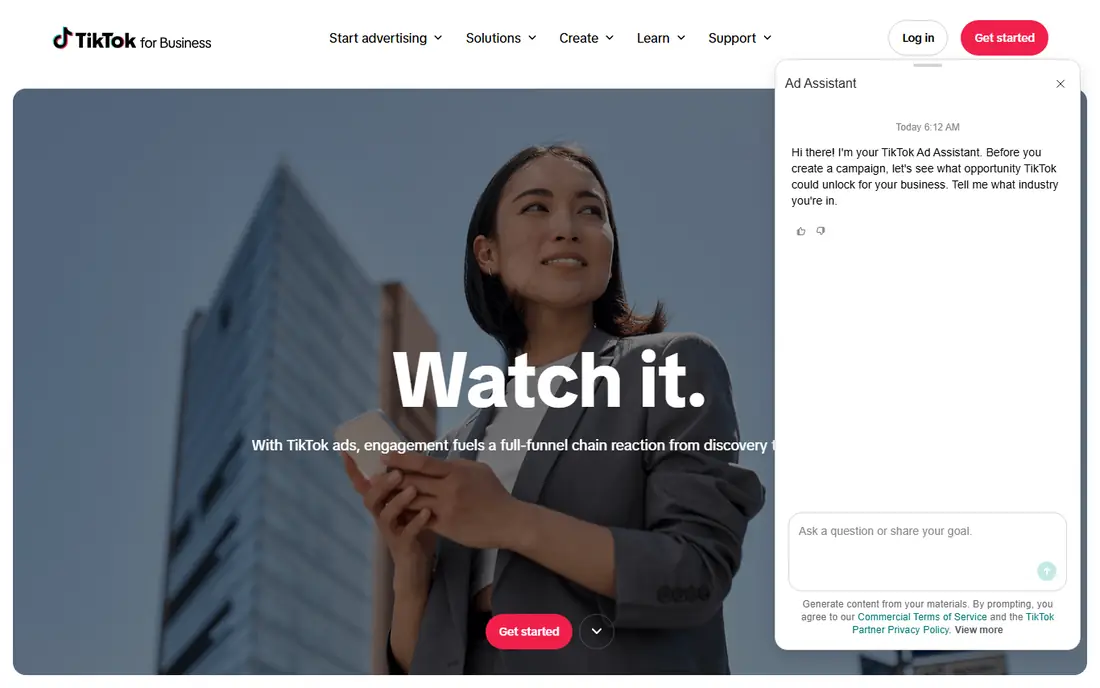
In short, TikTok Ads is for brands targeting under-40 buyers with video-first creative. The barriers are the minimum and the creative bar. In daily use, TikTok Ads rewards advertisers who understand the feed.
What TikTok Ads does well: apps and direct-to-consumer.
Native-feeling short video, creator-style content and Spark Ads (boosting organic posts) can deliver reach per dollar that embarrasses other systems for the right product: ecommerce, mobile apps, beauty, food and anything visual geared toward under-40 buyers. If your customer is on TikTok and you can produce native video weekly, test it. If not, the minimum makes it a pricey lesson. As for the details, measurement is the weakest of the major systems, so incrementality testing matters. From a buyer's view, the $50/day campaign minimum means a real test costs over $1,000 per month, and refined corporate ads flop whereas lo-fi creator content wins. TikTok Ads starts at: $50/day campaign minimum. There is no free plan with TikTok Ads. Where it falls short: Creative must feel native or it dies.
- Enormous organic-style reach for brands that nail native creative
- Spark Ads boost existing organic posts
- Attribution and measurement are weaker than Google or Meta
Amazon Ads
Best for: Brands selling on Amazon or competing for product searches
Amazon Ads works best for brands selling on Amazon or competing for product searches. Amazon Ads is the closest thing to a checkout-line billboard in digital advertising. If you do not sell on Amazon, the product's value drops sharply (the DSP excepted).
On top of that, the main limit is the tollbooth economics. For brands selling on Amazon, advertising is effectively mandatory: organic rank follows sales velocity, and ads buy the velocity. From a buyer's view, for Amazon sellers, start with promoted Products on your best-converting ASINs and expand only with the margin math in hand. Amazon Ads shows no starting price here, so confirm the cost on the vendor site. Amazon Ads has no free tier.
Downsides: Largely relevant if you sell on Amazon.
- Promoted Products are self-serve and simple to start
- Records shoppers at the point of purchase with the highest buyer intent in ecommerce
- Brand-building formats cost real money
Meta Ads
Best for: Firms that require to build demand across Facebook and Instagram
Meta Ads serves firms that require to produce demand across Facebook and Instagram. For ecommerce, local services and direct-to-consumer brands, Meta is normally the first social system to test.
From a buyer's view, performance has also grown more volatile with privacy changes, which makes wide targeting and good creative more important than micro-targeting. More specifically, budgets are completely self-serve with no minimum. The starting price for Meta Ads: No minimum spend. Meta Ads does not include a free plan.
Where it falls short: No search intent, so you are interrupting, not capturing.
- Huge US audience across Facebook and Instagram
- The best interest and behavior targeting at SMB budgets
- Performance swings with algorithm and privacy changes
Google Ads
Best for: Firms that want to capture people actively searching to buy
Google Ads makes the most sense for firms that want to capture people actively searching to buy. Someone searching "emergency plumber near me" or "best CRM for startups" has intent you cannot manufacture on a social feed, and Google lets you bid on exactly that moment. On top of that, there is no minimum spend: a local business can start at $10 a day and scale what works.
Limits to weigh: Click costs in competitive categories (legal, insurance, SaaS) punish beginners.
What works well: Unmatched intent: you bid on searches from people ready to act. Competitive keywords cost tens of dollars per click, wide match burns budget on irrelevant searches. The automatic bidding needs conversion data to work well. On cost, Google Ads starts like this: No minimum spend. Google Ads has no free tier.
- Enormous reach across Search, YouTube
- Precise budget control down to the keyword
- Click fraud and broad-match waste need active management
Think of Taboola for advertisers wanting cheap native reach on publisher sites. Taboola buys the "recommended stories" units on publisher sites: native placements at article ends across a large network. Setup is straightforward, and the reach is real.
More specifically, traffic quality varies by publisher, so active blocklisting of poor placements is mandatory. The classic chumbox adjacency raises brand-safety questions some advertisers will not accept. On top of that, intent is low: readers are browsing, not buying. No starting price is listed for Taboola here; confirm pricing on the vendor site. There is no free plan with Taboola.
Downsides: "chumbox" ad placements carry brand-safety considerations.
- Lead gen and ecommerce discovery
- Low cost per click for large-scale native reach across premium publishers
- Traffic quality varies and needs active blocklisting
How these tools were picked
We compared the tools on published pricing, free plan or trial availability, feature coverage for digital advertising platform, and the limits each vendor documents. Treat prices as a snapshot: vendors change plans often, so check the vendor site for the figure that applies today. The sequence is a judgement call: typical use case first, then pricing transparency, then free access. Use the profiles to check fit.
What to confirm before you sign up
- Ask Amazon Ads and Taboola for a written quote, since no starting price is shown.
- Before choosing LinkedIn Ads, weigh its main limit: the most pricey clicks in digital advertising.
- Before rolling out Amazon Ads, verify the integrations your workflow depends on.
- Total up the real monthly cost of Taboola, including add-ons, extra users and usage-based fees.
- Read the plan comparison for Meta Ads carefully; key features often start on a higher tier.
FAQ
Does any tool for digital advertising platform here have a free plan?
A permanent free plan is not offered by LinkedIn Ads, Taboola or the other tools here. Plan a short evaluation period instead.
How are the tools for digital advertising platform ordered?
The order follows typical fit for digital advertising platform, with LinkedIn Ads first and Taboola last, then price clarity and free access. It is editorial judgement, not a score, so another team could rank the tools differently.
Can I try these tools before paying?
Not by default. None of the tools, from LinkedIn Ads to Taboola, lists a free plan or a free trial here, so ask each vendor for a demo before committing.
Is LinkedIn Ads the right pick for everyone comparing digital advertising platform?
No single tool suits every team. LinkedIn Ads comes first because it fits B2B advertisers with high deal values and precise job-title targeting, while Microsoft Advertising suits advertisers wanting cheaper search clicks than Google and TikTok Ads suits brands targeting under-40 buyers with video-first creative. Match the tool to your own size, budget and workflow before deciding.
How much should a small business spend on digital ads?
Start with a test budget of $500 to $1,500 per product over 2 to 4 weeks, with conversion tracking in place. Scale the winners and kill the losers by cost per acquired customer, not by clicks.