Top 6 Developer Portals for API Catalogs for 2026 (Prices and Free Plans)
Best developer portals for API catalogs: 6 contenders ranked by fit, with entry costs and free tiers. Each tool gets a one-line verdict. Quick to scan.
- Editor's choice
 Postman
API engineering and collaboration
Starts at$9 a monthVisit postman.comFull review - Great alternative
 Redocly
OpenAPI documentation and SDK generation
Starts at$249 a monthVisit redocly.comFull review - Also consider
 ReadMe
Developer-friendly interactive API documentation
Starts atSee websiteVisit readme.comFull review
Direct answer
If you need API engineering and collaboration, Postman is the first tool to look at here. Listed starting prices: Postman from $9 a month, Redocly from $249 a month and Kong Konnect from $25 per month plus usage. Redocly is better for OpenAPI documentation and SDK generation, and ReadMe is better for developer-friendly interactive API documentation. The remaining 3 options are covered below with prices and limits.
TL;DR:
- Postman takes the first slot, best suited to API engineering and collaboration.
- Only Postman offers a free plan among these 6 tools.
- The lowest published monthly entry price here is $9 per month, from Postman.
- Kong Konnect comes with a trade-off: complicated setup for beginners.
- Apigee suits enterprise API management and security.
Last checked November 2026. Prices and plan details were read from the vendors' own pages in November 2026; vendors change plans often, so confirm the current price on the vendor site before you buy.
Quick comparison
| Tool | Best for | Starts at | Free plan? | |
|---|---|---|---|---|
| Postman | API engineering and collaboration | $9 a month | Yes | Visit |
| Redocly | OpenAPI documentation and SDK generation | $249 a month | Free trial | Visit |
| ReadMe | Developer-friendly interactive API documentation | See website | Not stated | Visit |
 Kong Konnect | Unified API, AI, and event connectivity | $25 per month plus usage | Free trial | Visit |
 MuleSoft Anypoint Platform | Full lifecycle API control and integration | See website | Not stated | Visit |
 Apigee | Enterprise API management and security | See website | Not stated | Visit |
The full developer portals for API catalogs list
LinkVetted put together this guide to developer portals for API catalogs for readers who want a clear shortlist without reading every vendor page. It compares 6 tools on starting price, free plans, who each one suits and where each one falls short.
Postman was built for API engineering and collaboration. Postman is noted for API engineering, helping teams go quicker from development to production with higher accuracy and fewer tokens. It supplies a collaborative environment for designing, testing, and documenting APIs.
In daily use, whereas not a traditional developer portal, Postman can serve as a central hub for API catalogs, particularly for engineering-focused teams. Postman's portal capabilities may not match dedicated portal tools for customization and governance. What you pay to start with Postman: $9 per month. A free plan is available with Postman.
Trade-offs to know: Focused more on engineering than cataloging.
- Simplifies development to production
- Supports API testing and documentation
- Portal features may be restricted
Redocly is designed for OpenAPI documentation and SDK generation. If you need thorough API governance, you might have to pair it with another tool. Beyond that, Redocly, from the makers of Redoc, concentrates on turning OpenAPI descriptions into reference docs, a MCP server, SDKs, and tests, kept current on every pull request.
It is well suited to teams that prioritize high-quality, always-up-to-date API documentation. More specifically, choose Redocly when documentation quality and automation are key. What you pay to start with Redocly: $249 per month. On free options: Free trial.
What to check first: Concentrated on documentation.
- Turns OpenAPI into reference docs
- Creates SDKs and tests
- May lack full API management features
ReadMe works best for developer-friendly interactive API documentation. ReadMe helps you build beautiful, interactive API documentation that developers love. Beyond that, if you need full governance, you may have to connect with other tools.
Points against: Restricted API management features.
On top of that, the portal is well-suited for public-facing API docs and internal developer hubs where documentation is the primary focus. In daily use, choose ReadMe when documentation quality and developer experience are paramount. This comparison lists no price for ReadMe; ask the vendor. Free access: Not stated.
- Simple to set up
- Developer-friendly experience
- Centred on documentation
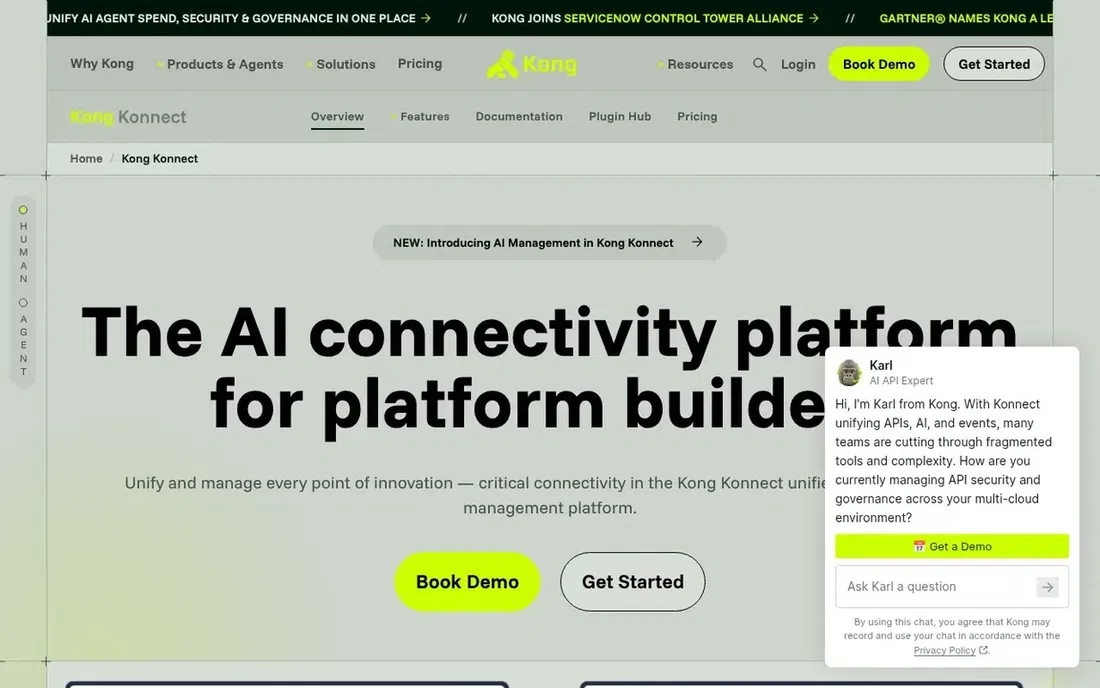
Kong Konnect makes the most sense for unified API, AI, and event connectivity. Kong Konnect brings together API, AI, and event connectivity, enabling teams to govern, observe, and scale APIs, agents, MCP servers, AI traffic, and event streams.
More specifically, choose Kong Konnect when you have to run complicated, multi-protocol environments. Kong Konnect's advanced capabilities may be more than needed for straightforward API catalogs, and setting it up can need expertise. Kong Konnect cost at the entry level: $25 per month plus usage. On free options: Free trial.
Trade-offs to know: May require specialized knowledge.
What works well: Governs APIs, AI.
- Observability and scaling features
- Event streams
- Complicated setup for beginners
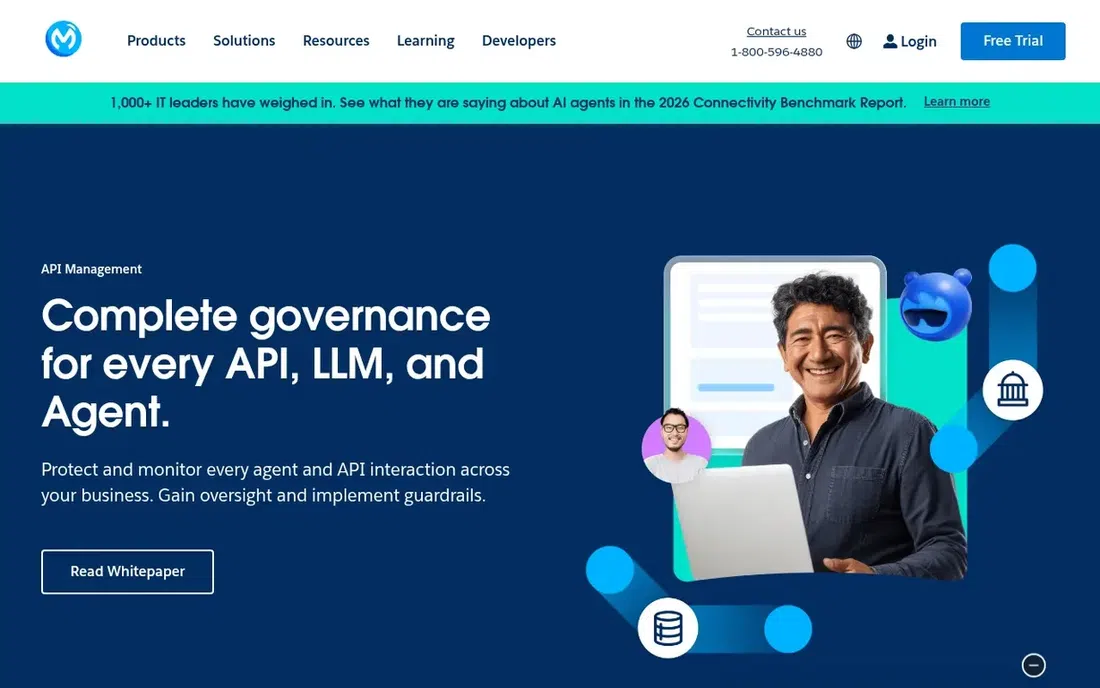
In short, MuleSoft Anypoint Platform is for full lifecycle API control and integration. The system's breadth can be overwhelming if you only need a light developer portal. It may also need training to use effectively.
MuleSoft Anypoint Platform offers API management with full lifecycle control, allowing teams to design, test, publish, and secure APIs. The portal supports publishing APIs to a catalog for internal and external consumers. No starting price is listed for MuleSoft Anypoint Platform here; confirm pricing on the vendor site. Free options: Not stated.
Strengths: Design, test, publish.
Drawbacks to consider: Needs familiarity with MuleSoft.
- Integration with MuleSoft ecosystem
- Centralized lifecycle management
- May be heavy for straightforward catalogs
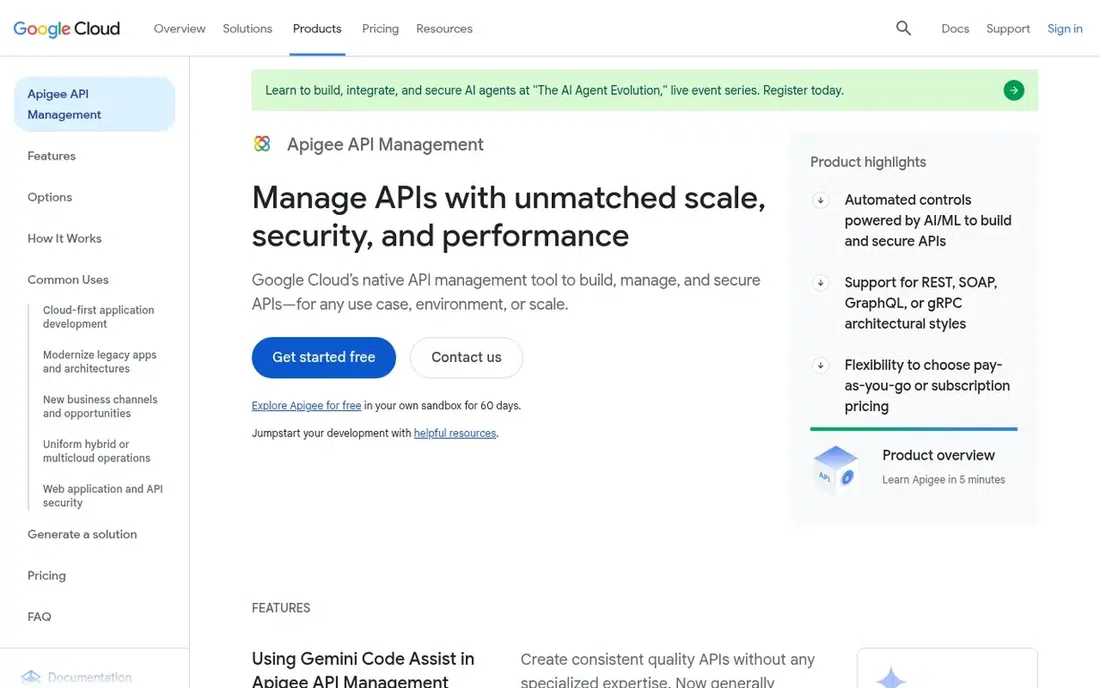
Choose Apigee for enterprise API management and security. Apigee, from Google Cloud, is an API management product built to build, handle, and secure APIs for any use case, environment, or scale.
The main drawbacks: Can be complicated to set up.
Apigee's broad feature set can introduce complexity, particularly for smaller teams without dedicated API operations staff. For everyday use, teams looking for a full lifecycle option with enterprise support will find Apigee a capable candidate. No starting price is listed for Apigee here; confirm pricing on the vendor site. On free options: Not stated.
- Scales across environments
- Solid security features
- May need dedicated admin
How we compared the tools
A buyer's checklist
- Ask ReadMe, MuleSoft Anypoint Platform and Apigee for a written quote, since no starting price is shown.
- Look at the free plan from Postman closely: its caps decide whether it is usable for real work.
- Run a trial of Redocly and Kong Konnect with real work before paying for a year; your own workflow is the best test.
- Before choosing Postman, weigh its main limit: portal features may be restricted.
- Work out what Kong Konnect costs with your real seat count, add-ons and usage, not just the entry price.
- Find out what support ReadMe includes on your plan, and whether onboarding help costs extra.
FAQ
How are the tools for developer portals for API catalogs ordered?
Postman sits first and Apigee last because the order follows typical fit for developer portals for API catalogs, then price clarity and free access. It is a judgement call, so read each profile for fit and limits.
Do these tools publish their prices?
Not all of them. ReadMe, MuleSoft Anypoint Platform and Apigee publish no starting price, so expect a quote request for those. The rest, Postman included, show a starting price, though seats and billing terms still change the final cost.
Can I try these tools before paying?
Often, yes. Postman has a free plan and Redocly and Kong Konnect offer a free trial. Use your own data and a real task during the test, and check what the free tier or trial limits before you rely on it.
Is Postman the right pick for everyone comparing developer portals for API catalogs?
No single tool suits every team. Postman comes first because it fits API engineering and collaboration, while Redocly suits OpenAPI documentation and SDK generation and ReadMe suits developer-friendly interactive API documentation. Match the tool to your own size, budget and workflow before deciding.
What is a developer portal for API catalogs?
A developer portal for API catalogs is a centralized interface where developers can discover, access, and learn about APIs. It usually contains documentation, API keys, and interactive tools. Tools like Apigee and ReadMe specialize in this area.
Sources
- https://www.postman.com
- https://redocly.com
- https://readme.com
- https://konghq.com/products/kong-konnect
- https://www.mulesoft.com/platform/api-management
- https://cloud.google.com/apigee