Best Database Management Systems for Remote Teams for 2026: Our 5 Vetted Picks
Compare 5 best database management systems for remote teams, with prices, free plans and who each fits. Each entry gets a plain verdict. Checked this month.
- Editor's choice
 Oracle Database
Enterprise-grade relational database with AI
Starts atPricing on requestVisit oracle.comFull review - Great alternative
 Google Cloud SQL
Completely managed relational database service
Starts atPricing on requestVisit cloud.google.comFull review - Also consider
 MongoDB
Adaptable document-oriented database
Starts atPricing on requestVisit mongodb.comFull review
Direct answer
Oracle Database leads the list, best for enterprise-grade relational database with AI. Alternatives: Google Cloud SQL for completely managed relational database service, and MongoDB for adaptable document-oriented database. All 5 tools are compared below on fit, free plan and limits. None of these vendors publish plan prices, so pricing is on request for every option.
TL;DR:
- The list opens with Oracle Database, aimed at enterprise-grade relational database with AI.
- Microsoft SQL Server fits integrated enterprise data system.
- The main caution on Google Cloud SQL: restricted to supported database engines.
- Every tool from Oracle Database to Microsoft SQL Server works by quote, with no list price shown.
- MongoDB stands alone as the one tool in this list with a free plan.
Last checked November 2026. Pricing on request: vendors did not publish plan prices when this guide was last checked (November 2026), so ask each vendor for a written quote.
Quick comparison
| Tool | Best for | Starts at | Free plan? | |
|---|---|---|---|---|
| Oracle Database | Enterprise-grade relational database with AI | Pricing on request | Not stated | Visit |
| Google Cloud SQL | Completely managed relational database service | Pricing on request | Not stated | Visit |
| MongoDB | Adaptable document-oriented database | Pricing on request | Yes | Visit |
 MySQL | Widely supported open source relational database | Pricing on request | Not stated | Visit |
 Microsoft SQL Server | Integrated enterprise data system | Pricing on request | Not stated | Visit |
The best database management systems for remote teams
LinkVetted compared 5 database management systems for remote teams. The goal is a practical shortlist: published prices, free plan facts, best-fit use cases and honest limits for every entry.
Oracle Database is aimed squarely at enterprise-grade relational database with AI. Remote teams with demanding requirements and existing Oracle investments may find it a good fit.
However, Oracle Database can be complicated to administer and may need specialized skills. This comparison lists no price for Oracle Database; ask the vendor. Free plan details: Not stated.
Where it falls short: Complicated administration.
- Full feature set
- Capable support for critical workloads
- Resource-intensive
Google Cloud SQL is built with completely managed relational database service in mind. It takes care of routine tasks like backups, replication, and patching, allowing remote teams to focus on application development.
It also needs a Google Cloud account and may not be well suited to organizations standardized on other cloud providers. Check the vendor site for Google Cloud SQL pricing; none is listed in this comparison. Free options: Not stated.
Limits to weigh: Needs Google Cloud account.
Where it shines: Completely managed by Google Cloud.
- Supports MySQL, PostgreSQL
- SQL Server
- Restricted to supported database engines
Think of MongoDB for adaptable document-oriented database. MongoDB may not be well suited to applications requiring complicated multi-document transactions or strict relational integrity. It is aimed at scalability and live data processing, making it a solid fit for remote teams building modern applications that require to adapt rapidly.
Trade-offs to know: Less suited for complicated transactions.
As for the details, MongoDB excels when adaptability and scalability are priorities. Worth adding: the system is available across major cloud providers and supports a variety of workloads. MongoDB does not show a starting price in this comparison, so check the vendor site for current pricing. MongoDB has a free plan.
- Live data processing
- Schema adaptability for evolving data
- Needs different modeling approach
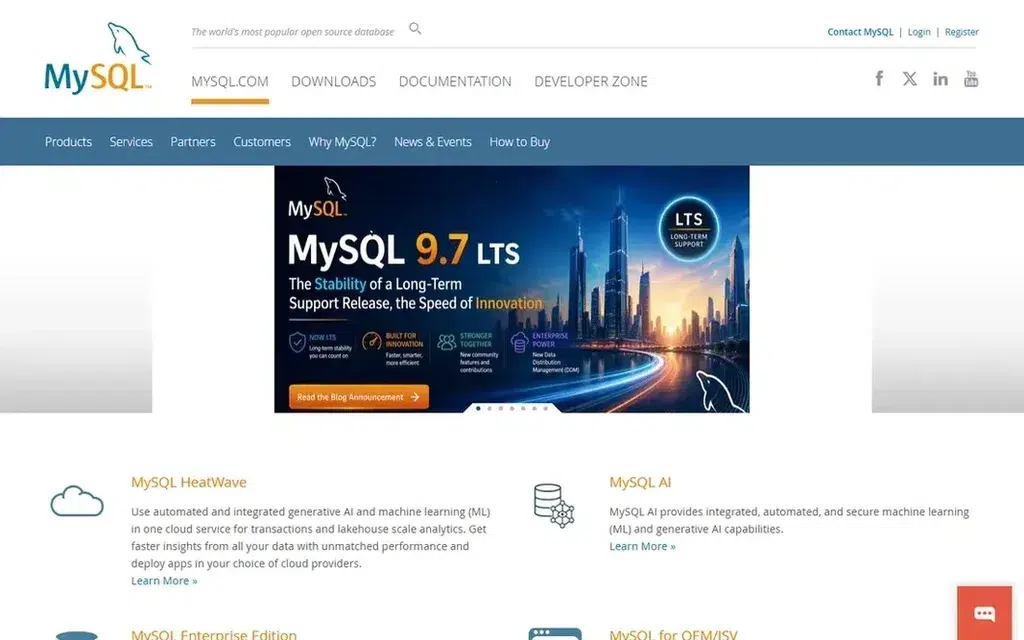
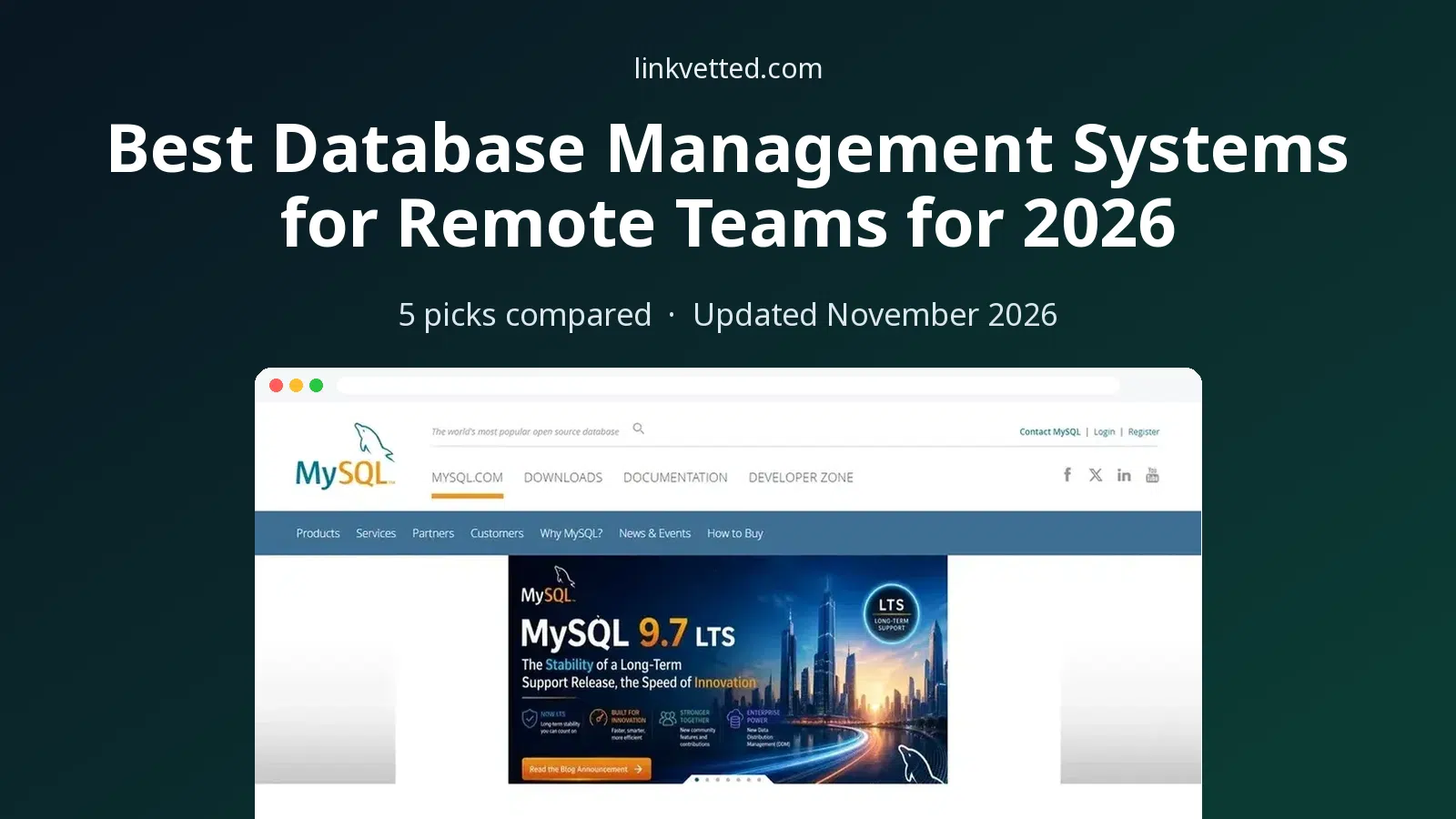
Choose MySQL for widely supported open source relational database. MySQL is a widely used open source relational database management system.
Its wide compatibility with hosting providers and tools means teams can deploy it in plenty of environments without significant changes. That said, MySQL may lack some advanced features found in other systems, for example certain types of indexing or complicated query optimizations. Pricing for MySQL is not stated here, so ask the vendor for current figures. Free access: Not stated.
Trade-offs to know: Fewer advanced features than some competitors.
- Wide hosting and cloud support
- Large community and deep documentation
- Some features vary by storage engine
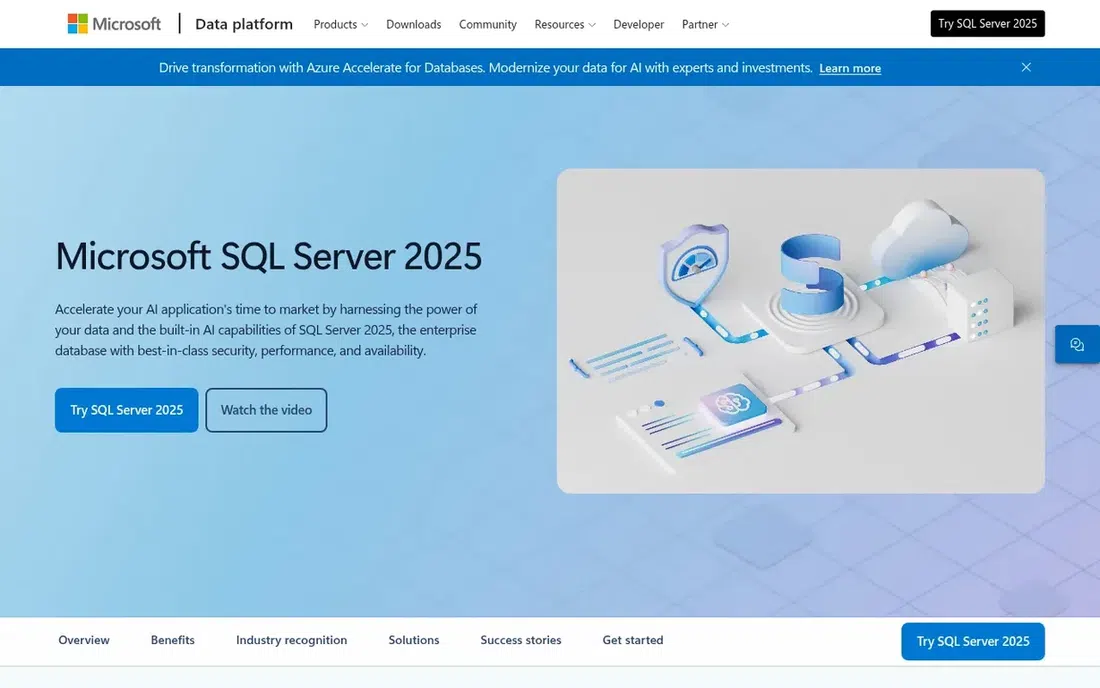
Microsoft SQL Server serves integrated enterprise data platform. It is well-suited for enterprises and remote teams already using Microsoft tools, offering developer-first features and built-in capabilities for advanced analytics. On top of that, the system supports critical workloads and gives you solid security features.
Limits to weigh: Licensing can be complicated.
Even so, SQL Server is most often deployed on Windows, which may not suit teams standardized on Linux. More specifically, teams without Microsoft dependencies might find other databases more straightforward. This comparison lists no price for Microsoft SQL Server; ask the vendor. On free options: Not stated.
- Capable integration with Microsoft tools
- Solid security and compliance choices
- Primarily made for Windows environments
How we compared the tools
Selection started from tools commonly considered for database management systems for remote teams, then narrowed to 5 that have clear pricing information or a clear quote process. Plan names, prices and limits change often. Treat the figures here as a starting point and verify them with the vendor. Tools are placed by general fit for database management systems for remote teams, with price clarity and free access as tie-breakers. A different team can reasonably rank them differently.
Pre-purchase checklist
- Request quotes from Oracle Database, Microsoft SQL Server and the others; the list shows no fixed prices.
- Look at the free plan from MongoDB closely: its caps decide whether it is usable for real work.
- Before choosing Oracle Database, weigh its main limit: complicated administration.
- Total up the real monthly cost of Oracle Database, including add-ons, extra users and usage-based fees.
- Before rolling out MySQL, verify the integrations your workflow depends on.
FAQ
Which database is a good match for teams using Microsoft tools?
Oracle Database is the pick this page puts first, mainly for enterprise-grade relational database with AI. If your situation differs, Google Cloud SQL suits completely managed relational database service, and MongoDB suits adaptable document-oriented database. Compare price and limits before you decide.
Is Oracle Database the right pick for everyone comparing database management systems for remote teams?
No single tool suits every team. Oracle Database comes first because it fits enterprise-grade relational database with AI, while Google Cloud SQL suits fully managed relational database service and MongoDB suits flexible document-oriented database. Match the tool to your own size, budget and workflow before deciding.
Do these tools publish their prices?
No. None of the tools, from Oracle Database to Microsoft SQL Server, shows a fixed starting price here, so budget time for quotes.
How are the tools for database management systems for remote teams ordered?
Oracle Database sits first and Microsoft SQL Server last because the order follows typical fit for database management systems for remote teams, then price clarity and free access. It is a judgement call, so read each profile for fit and limits.
Which options for database management systems for remote teams have a free plan?
MongoDB is the only tool in this list with a free plan. Free plans usually cap users, projects or features, so check the limits on the vendor page. For the full picture, the cards above cover all 5 entries of this database management systems for remote teams list, including price, free plan and limits.
Sources
- https://www.oracle.com/database
- https://cloud.google.com/sql
- https://www.mongodb.com
- https://www.mysql.com
- https://www.microsoft.com/en-us/sql-server