Best CRM Software for Medical Device Sales in 2026: 5 Tools Compared
Searching for the best CRM software for medical device sales? Here are 5 options with prices and free plans. Details on cost, catches and fit. Choose faster.
- Editor's choice
 Pipedrive
Pipeline-focused sales teams
Starts atPricing on requestVisit pipedrive.comFull review - Great alternativeVeeva CRM
Life sciences teams needing industry depth
Starts atPricing on requestVisit veeva.comFull review - Also consider
 HubSpot CRM
Smaller teams organizing contacts and deals
Starts atPricing on requestVisit hubspot.comFull review
Direct answer
This list puts Pipedrive first for pipeline-focused sales teams. Look at Veeva CRM for life sciences teams needing industry depth, and at HubSpot CRM for smaller teams organizing contacts and deals. All 5 tools are compared below on fit, free plan and limits. None of these vendors publish plan prices, so pricing is on request for every option.
TL;DR:
- Pipedrive takes the first slot, best suited to pipeline-focused sales teams.
- A fair warning about Pipedrive: restricted life sciences depth.
- Pipedrive, Microsoft Dynamics 365 Sales and the 3 others all sell by quote; expect sales conversations before you see a price.
- Microsoft Dynamics 365 Sales fits organizations standardized on Microsoft tools.
- None of the 5 tools, from Pipedrive to Microsoft Dynamics 365 Sales, has a free plan, so budget for a subscription or use a trial.
Last checked November 2026. Pricing on request: vendors did not publish plan prices when this guide was last checked (November 2026), so ask each vendor for a written quote.
Quick comparison
| Tool | Best for | Starts at | Free plan? | |
|---|---|---|---|---|
| Pipedrive | Pipeline-focused sales teams | Pricing on request | Not stated | Visit |
| Veeva CRM | Life sciences teams needing industry depth | Pricing on request | Not stated | Visit |
| HubSpot CRM | Smaller teams organizing contacts and deals | Pricing on request | Not stated | Visit |
 Zoho CRM | Budget-conscious teams wanting adaptability | Pricing on request | Not stated | Visit |
 Microsoft Dynamics 365 Sales | Organizations standardized on Microsoft tools | Pricing on request | Not stated | Visit |
Every option for CRM software for medical device sales explained
Choosing CRM software for medical device sales usually comes down to price, fit and limits. This LinkVetted guide sets 5 tools side by side on those three points, with the facts kept short and checkable.
Pipedrive is aimed squarely at pipeline-focused sales teams. Pipedrive is a sales CRM centered on pipeline management, helping teams get more qualified leads and grow through a clear, visual deal process.
Where it is weaker: Fewer medical-specific workflows.
As for the details, smaller or regional teams often value its straightforward approach. From a buyer's view, organizations with heavy regulatory requirements should consider a specialized CRM or plan for integrations. Pipedrive shows no starting price here, so confirm the cost on the vendor site. Free options: Not stated.
- Clear visual deal tracking
- Lead qualification focus
- Restricted life sciences depth
Veeva CRM
Best for: Life sciences teams needing industry depth
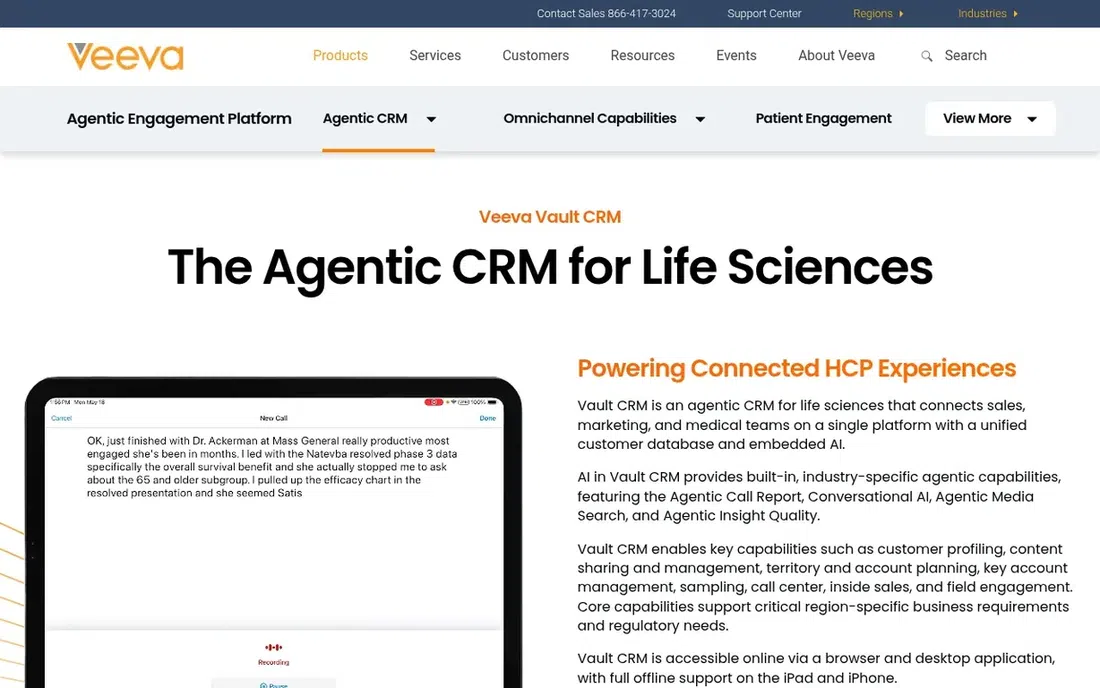
Where Veeva CRM fits: life sciences teams needing industry depth. For medical device companies that require to coordinate field sales with medical and marketing colleagues, this industry focus is the primary draw. Its life sciences orientation means it is less suited to businesses wanting a generic, light CRM for unrelated business lines.
What to check first: May be more than small teams need.
Veeva CRM, presented as Vault CRM, is an agentic CRM for life sciences that links sales, marketing and medical teams on a single product with a unified customer database and embedded AI. On top of that, smaller teams without dedicated administrators may find the product broader than their immediate needs. No starting price is listed for Veeva CRM here; confirm pricing on the vendor site. As for free access: Not stated.
- Unified customer database
- Embedded AI across teams
- Narrow focus outside life sciences

For smaller teams organizing contacts and deals, HubSpot CRM is a natural candidate. HubSpot CRM is a general-purpose product pitched at small firms that want to organize contacts, track deals and close more sales, with built-in AI support.
Downsides: Advanced needs may need extras.
In daily use, teams with strict regulatory documentation needs should look at a specialized system instead, or plan for configuration work. In practice, since it is designed for wide business use, it does not carry life sciences specific workflows for example medical review or clinical stakeholder tracking from day one. No starting price is listed for HubSpot CRM here; confirm pricing on the vendor site. Free plan details: Not stated.
- Contact and deal tracking in one place
- Built-in AI assistance
- Restricted life sciences specific features
Zoho CRM targets budget-conscious teams wanting adaptability. Zoho CRM is an agentic CRM system that helps teams run sales operations and close more deals, with a broad set of configuration choices.
Where it is weaker: Life sciences features not native.
Beyond that, organizations with varied product lines commonly appreciate the capacity to shape modules and workflows. Teams needing validated processes or medical team coordination from day one should weigh a specialized product first. This comparison lists no price for Zoho CRM; ask the vendor. Free options: Not stated.
- Agentic CRM system
- Wide customization choices
- Setup quality varies by admin
Microsoft Dynamics 365 Sales
Best for: Organizations standardized on Microsoft tools
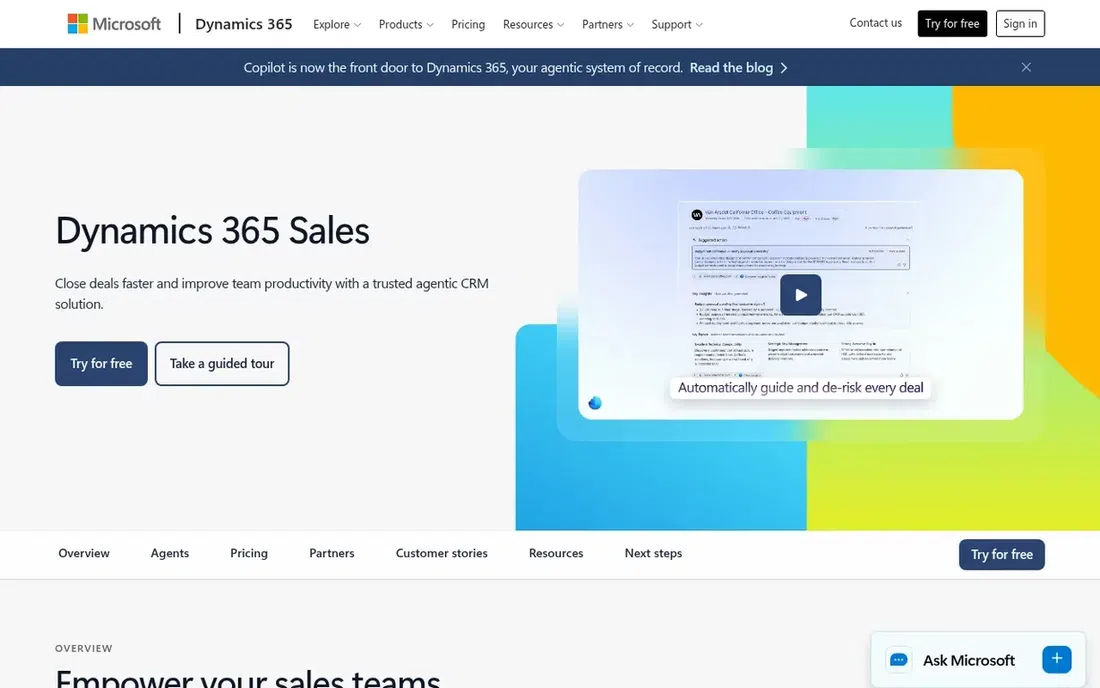
Pick Microsoft Dynamics 365 Sales if this describes you: organizations standardized on Microsoft tools. Bigger sales forces with structured processes tend to benefit most from its breadth.
Where it is weaker: Life sciences depth relies on partners.
More specifically, getting value commonly relies on thoughtful configuration and internal expertise, which can slow smaller teams. Microsoft Dynamics 365 Sales shows no starting price here, so confirm the cost on the vendor site. Free plan details: Not stated.
- Collaboration features
- Agentic CRM positioning
- Configuration can be involved
How these tools were picked
What to confirm before you sign up
- Request quotes from Pipedrive, Microsoft Dynamics 365 Sales and the others; the list shows no fixed prices.
- Read the limits listed for Pipedrive first: limited life sciences depth.
- Map your must-have features to a specific Veeva CRM plan before you compare prices.
- Test the integrations you rely on with Microsoft Dynamics 365 Sales before committing; some connectors sit on upper tiers.
- Ask the daily users to test HubSpot CRM on a live task before you roll it out to everyone.
FAQ
What should I check before buying a CRM?
Confirm that the product supports your compliance documentation, integrates with existing systems and hands field and medical teams a shared customer view.
Is Pipedrive the right pick for everyone comparing CRM software for medical device sales?
No single tool suits every team. Pipedrive comes first because it fits pipeline-focused sales teams, while Veeva CRM suits life sciences teams needing industry depth and HubSpot CRM suits smaller teams organizing contacts and deals. Match the tool to your own size, budget and workflow before deciding.
Can I try these tools before paying?
Not by default. None of the tools, from Pipedrive to Microsoft Dynamics 365 Sales, lists a free plan or a free trial here, so ask each vendor for a demo before committing.
How does Microsoft Dynamics 365 Sales compare with Veeva CRM?
Dynamics 365 Sales emphasizes insights, automation and collaboration within the Microsoft ecosystem, whereas Veeva CRM is purpose-built for life sciences with a unified customer database. The better choice relies on whether industry depth or ecosystem alignment matters more.
Do these tools publish their prices?
No. None of the tools, from Pipedrive to Microsoft Dynamics 365 Sales, shows a fixed starting price here, so budget time for quotes.
Why choose a life sciences CRM for medical device sales?
Medical device selling involves clinical stakeholders, regulated content and coordination between sales and medical teams. A life sciences focused CRM is built around those relationships, whereas general CRMs normally need configuration to match them.
Sources
- https://www.pipedrive.com
- https://www.veeva.com/products/crm
- https://www.hubspot.com/products/crm
- https://www.zoho.com/crm
- https://www.microsoft.com/en-us/dynamics-365/products/sales