Best Data Integration Software for Healthcare Practices in 2026: Prices, Free Plans and 5 Picks
Compare 5 best data integration software for healthcare practices, with prices, free plans and who each fits. Every tool lists pros and cons. Jump to the table.
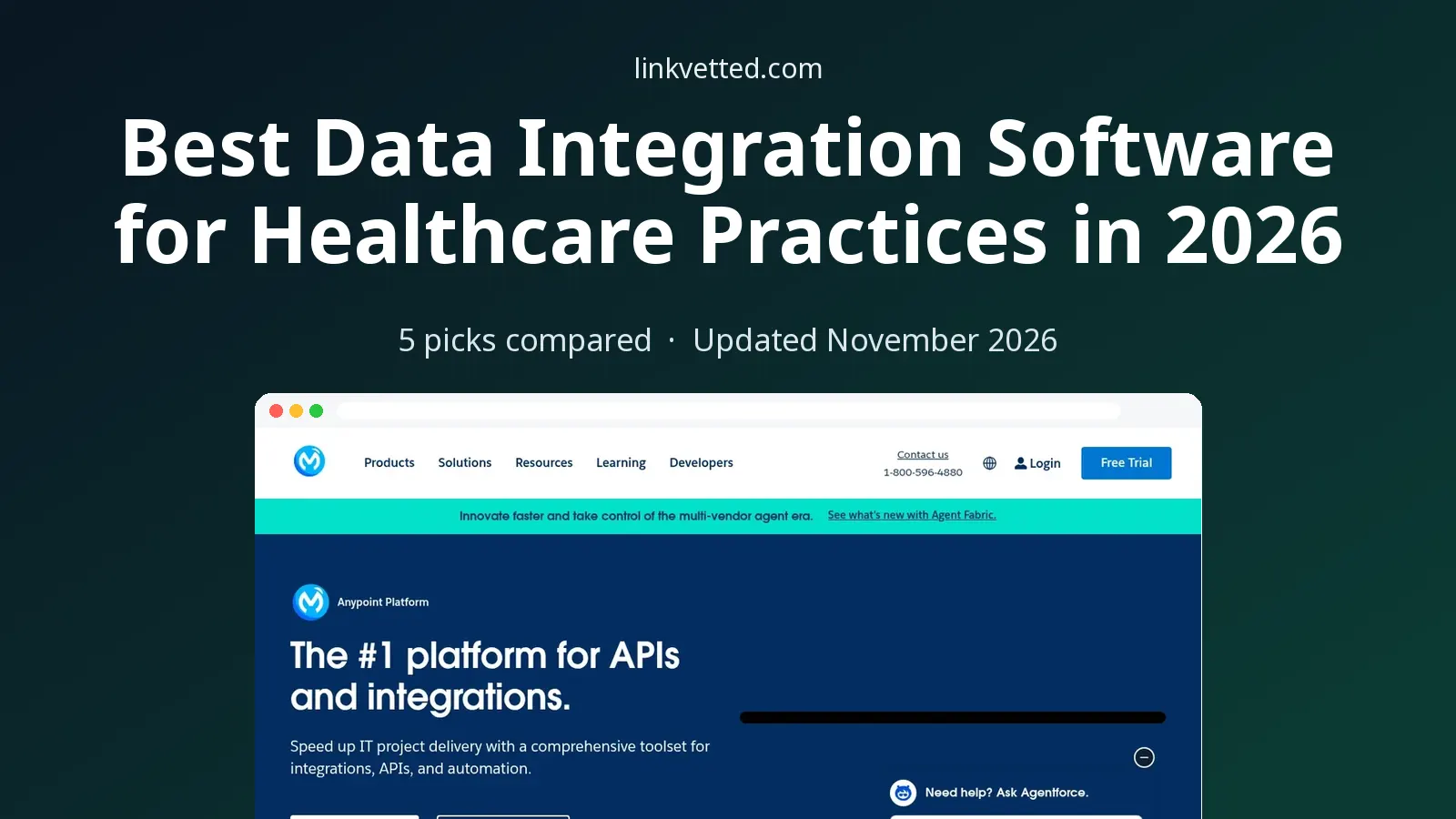
- Editor's choice
 MuleSoft Anypoint Platform
Hybrid API and SaaS integration
Starts atSee websiteVisit mulesoft.comFull review - Great alternative
 Fivetran
Automatic data movement to analytics
Starts at$12,000Visit fivetran.comFull review - Also considerInterSystems HealthShare
Clinical health data interoperability
Starts atSee websiteVisit intersystems.comFull review
Direct answer
MuleSoft Anypoint Platform is the first pick on this list for hybrid API and SaaS integration. Listed starting prices: Fivetran from $12,000. If your case is different, Fivetran suits automatic data movement to analytics and InterSystems HealthShare suits clinical health data interoperability. The remaining 2 options are covered below with prices and limits.
TL;DR:
- The list opens with MuleSoft Anypoint Platform, aimed at hybrid API and SaaS integration.
- Boomi AtomSphere suits unified integration and data readiness.
- The main caution on Microsoft Azure Data Factory: tied to the Azure ecosystem.
- Fivetran is the only tool of the 5 with a free plan.
- MuleSoft Anypoint Platform, InterSystems HealthShare, Microsoft Azure Data Factory and Boomi AtomSphere: pricing is by quote only, so plan time for a sales conversation.
Last checked November 2026. Prices and plan details were read from the vendors' own pages in November 2026; vendors change plans often, so confirm the current price on the vendor site before you buy.
Quick comparison
| Tool | Best for | Starts at | Free plan? | |
|---|---|---|---|---|
| MuleSoft Anypoint Platform | Hybrid API and SaaS integration | See website | Not stated | Visit |
| Fivetran | Automatic data movement to analytics | $12,000 | Yes | Visit |
| InterSystems HealthShare | Clinical health data interoperability | See website | Not stated | Visit |
| Microsoft Azure Data Factory | Code-free hybrid cloud pipelines | See website | Free trial | Visit |
| Boomi AtomSphere | Unified integration and data readiness | See website | Not stated | Visit |
The best data integration software for healthcare practices
If you are comparing data integration software for healthcare practices, this page covers 5 tools in one place: what each is best for, what it costs to start, whether it has a free plan, and the main limit to know about.
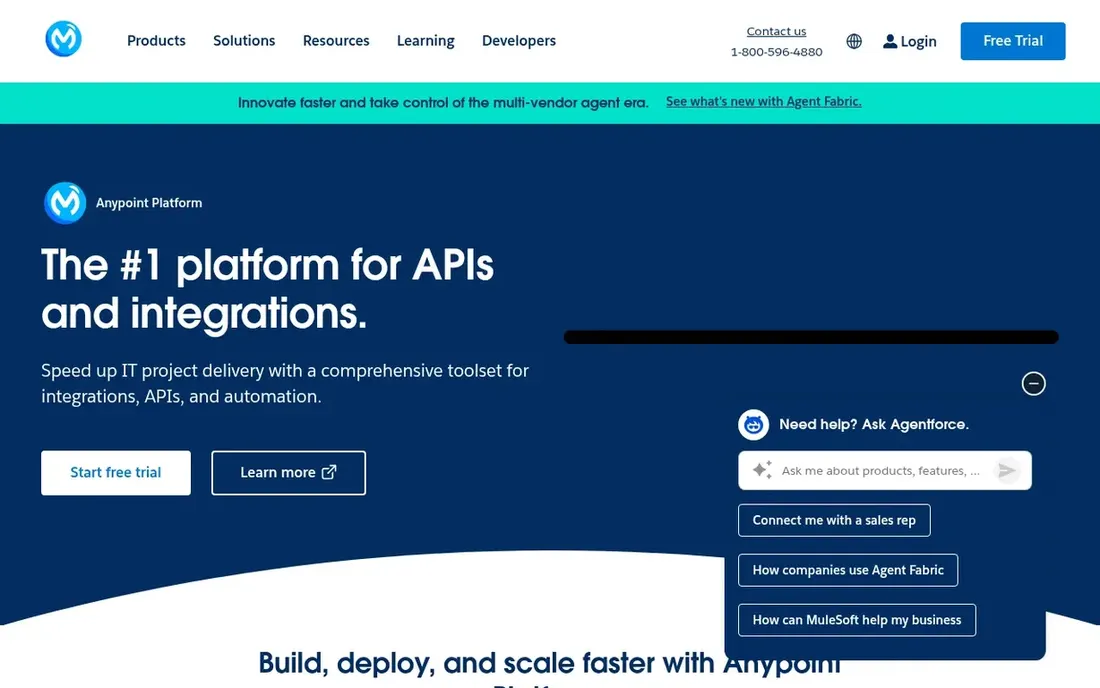
MuleSoft Anypoint Platform was built for hybrid API and SaaS integration. MuleSoft Anypoint Platform is described as a complete hybrid integration product for SOA, SaaS and APIs, with the freedom to integrate on-premises or in the cloud.
Highlights: SaaS and APIs.
Also, the system's breadth means a steeper ramp-up time, and practices without dedicated integration staff may find it heavy for straightforward needs. No starting price is listed for MuleSoft Anypoint Platform here; confirm pricing on the vendor site. Trial and free access: Not stated. Drawbacks to consider: Needs integration and API skills.
- Spans SOA
- Runs on-premises or in the cloud
- Wide scope can be complicated for small teams
Fivetran serves automatic data movement to analytics. Fivetran is an automatic data movement product that centralizes the data a team needs so insights can arrive quicker.
Where it falls short: Concentrated on movement instead of governance.
For everyday use, Fivetran concentrates on moving and centralizing data, so practices needing clinical interoperability or heavy in-platform transformation should look to the specialists above. Governance and quality controls are lighter by design. Starting cost for Fivetran: $12,000. You can start on Fivetran without paying.
- Easy positioning for analytics teams
- Centralizes data for quicker insights
- Less suited to clinical interoperability
InterSystems HealthShare
Best for: Clinical health data interoperability
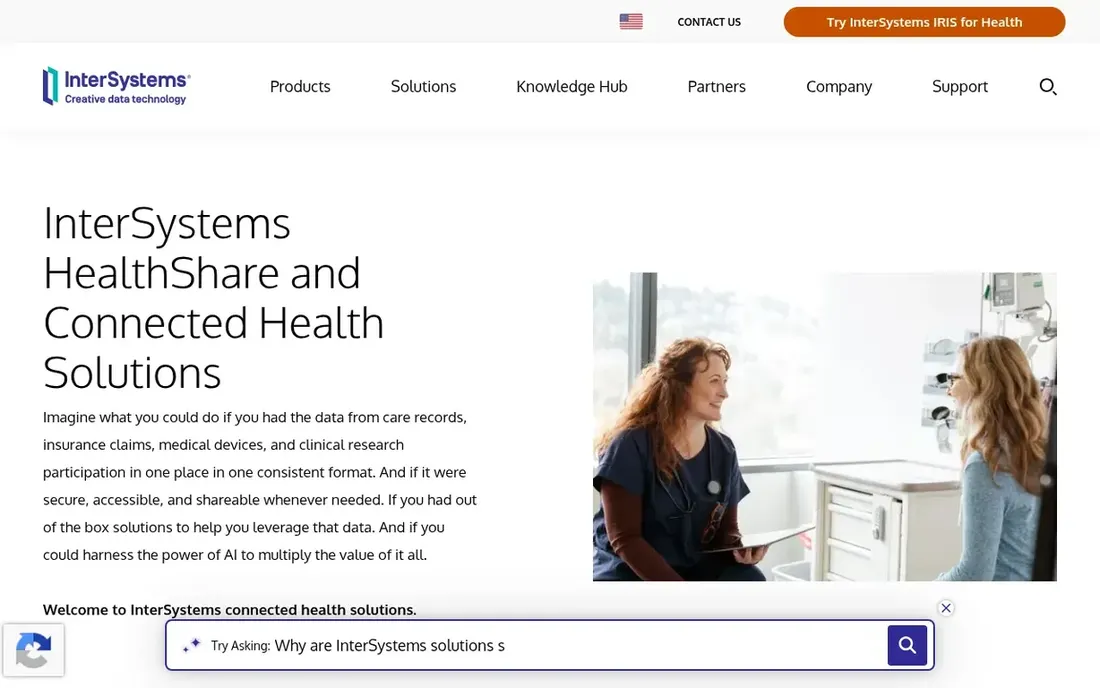
Think of InterSystems HealthShare for clinical health data interoperability. Teams with a solid healthcare data focus will find its purpose clear and aligned with their needs.
Limits to weigh: Specialized focus may not suit general IT integration.
It suits healthcare practices and organizations that prioritize clinical data exchange across systems, for example connecting records between care settings or sharing information with partners. InterSystems HealthShare shows no starting price here, so confirm the cost on the vendor site. Free plan details: Not stated.
- Built around healthcare interoperability needs
- Keeps shared data secure and accessible
- Needs healthcare data expertise to configure
Microsoft Azure Data Factory
Best for: Code-free hybrid cloud pipelines
Microsoft Azure Data Factory works best for code-free hybrid cloud pipelines. Whereas coding is not required, designing dependable pipelines still takes planning and monitoring.
Drawbacks to consider: Pipeline design still needs planning.
As for the details, Azure Data Factory is Microsoft's cloud-based hybrid data integration service, positioned as a simple way to build data factories without coding at enterprise scale. Its value is greatest inside the Azure ecosystem, so practices standardized on other clouds may face additional friction. No starting price is listed for Microsoft Azure Data Factory here; confirm pricing on the vendor site. Free options: Free trial.
- Build data factories without coding
- Made for enterprise scale
- Tied to the Azure ecosystem
Boomi AtomSphere
Best for: Unified integration and data readiness
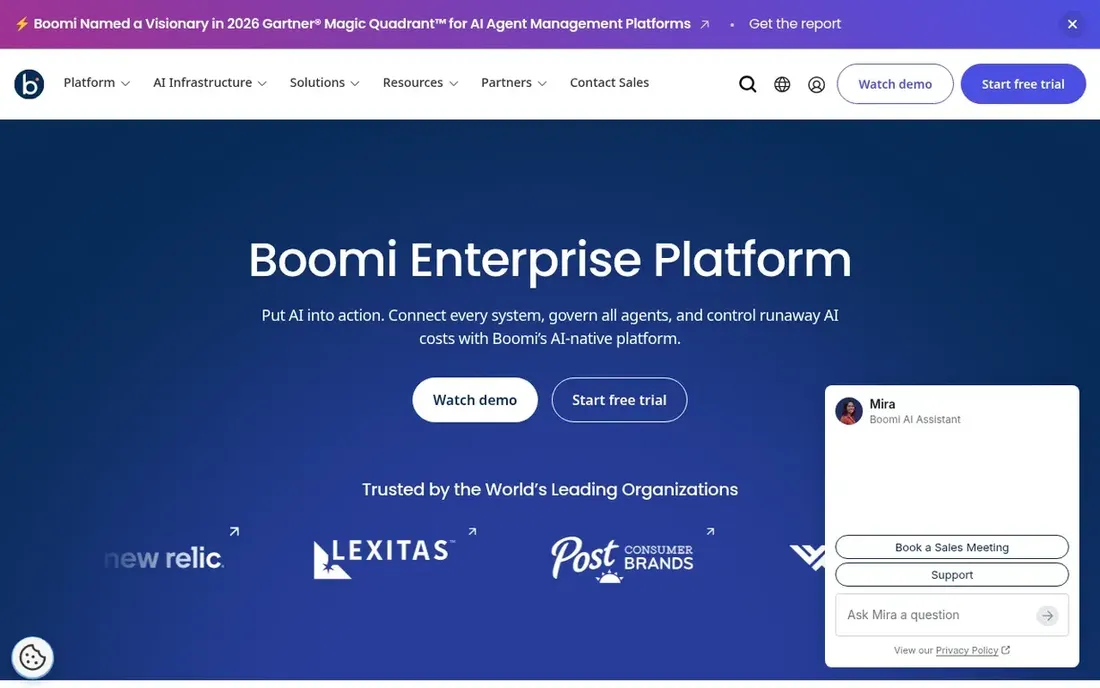
Boomi AtomSphere works best for unified integration and data readiness. The enterprise framing means smaller practices may pay for capability they do not use, and the range of features needs time to learn.
In practice, mid-sized and bigger environments with multiple systems to link benefit most. From a buyer's view, Boomi AtomSphere is presented as one enterprise system for integration, data readiness and agent management, engineered for hybrid and agentic enterprises. Pricing for Boomi AtomSphere is not stated here, so ask the vendor for current figures. As for free access: Not stated.
What to check first: Enterprise orientation may exceed small practice needs.
- Engineered for hybrid enterprises
- One product for integration and data readiness
- Feature breadth takes time to learn
Selection criteria
A buyer's checklist
- Ask MuleSoft Anypoint Platform, InterSystems HealthShare, Microsoft Azure Data Factory and Boomi AtomSphere for a written quote, since no starting price is shown.
- Test the free plan from Fivetran against your real workload before relying on it.
- Use real work to test the free trial from Microsoft Azure Data Factory, rather than a demo project.
- Read the limits listed for MuleSoft Anypoint Platform first: wide scope can be complex for small teams.
- Look at the help docs and support options for Fivetran before you commit.
- Confirm the exact InterSystems HealthShare plan that includes your must-have features.
FAQ
Which options for data integration software for healthcare practices have a free plan?
Fivetran is the only tool in this list with a free plan. Free plans usually cap users, projects or features, so check the limits on the vendor page. One other tool offers a trial instead.
Is MuleSoft Anypoint Platform the right pick for everyone comparing data integration software for healthcare practices?
No single tool suits every team. MuleSoft Anypoint Platform comes first because it fits hybrid API and SaaS integration, while Fivetran suits automated data movement to analytics and InterSystems HealthShare suits clinical health data interoperability. Match the tool to your own size, budget and workflow before deciding.
How do integration systems differ from data movement tools?
Data movement tools concentrate on replicating data into a warehouse for analytics. Practices needing clinical exchange, governance or complicated transformation should favor the broader systems.
What should a practice check before choosing a system?
Confirm supported data sources and standards, deployment choices, required technical skills and security controls. Reviewing these points with the vendor keeps expectations realistic.
Can I try these tools before paying?
Often, yes. Fivetran has a free plan and Microsoft Azure Data Factory offers a free trial. Use your own data and a real task during the test, and check what the free tier or trial limits before you rely on it.
Which system is a good match for clinical data exchange between systems?
For most readers this guide would start with MuleSoft Anypoint Platform, built for hybrid API and SaaS integration. Fivetran is the alternative for automatic data movement to analytics, and InterSystems HealthShare for clinical health data interoperability. The right answer depends on budget and workflow.
Sources
- https://www.mulesoft.com/platform/enterprise-integration
- https://www.fivetran.com
- https://www.intersystems.com/products/healthshare
- https://azure.microsoft.com/en-us/products/data-factory
- https://boomi.com/platform