Best App to Learn Turkish in 2026: 8 Products Compared
Find the best app to learn turkish with our 2026 comparison of 8 apps, covering Turkish grammar, vocabulary, speaking practice, pricing and free plans.
- Editor's choice
 Duolingo
Beginners building a daily habit
Starts atFreeVisit duolingo.comFull review - Great alternative
 Babbel
Learners who want clear grammar structure
Starts at$13.95 per monthVisit babbel.comFull review - Also consider
 Busuu
Learners who want corrections from native speakers
Starts at$13.95 per monthVisit busuu.comFull review
TL;DR:
- Duolingo and Mondly suit beginners who want short daily lessons, while Babbel and Busuu give more structured grammar and conversation practice.
- Pimsleur and italki work best for speaking and listening, since Turkish pronunciation and vowel harmony are easier to learn by ear than by reading alone.
- WaniKani-style memorisation does not apply here, so pick an app with Turkish-specific content, including suffixes, cases, and everyday phrases.
- A free plan is enough to test the teaching style, but paid plans usually add offline access, full courses, and review tools.
- Pair one core app with short speaking practice each week for faster progress than using one app alone.
Quick comparison
| Tool | Best for | Starts at | Free plan? | |
|---|---|---|---|---|
| Duolingo | Beginners building a daily habit | Free | Yes | Visit |
| Babbel | Learners who want clear grammar structure | $13.95 per month | Limited | Visit |
| Busuu | Learners who want corrections from native speakers | $13.95 per month | Yes | Visit |
 Pimsleur | Commuters and learners who learn by listening | $20.95 per month | No | Visit |
 Mondly | Casual learners who like varied short lessons | $9.99 per month | Limited | Visit |
 Memrise | Vocabulary building and listening to real speech | $8.99 per month | Yes | Visit |
 Rosetta Stone | Learners who prefer learning without translation | $11.99 per month | No | Visit |
 italki | Learners who want live conversation with a tutor | Pay per lesson | No | Visit |
The best apps to learn Turkish
We compared official feature pages, pricing pages, app store listings, privacy policies, and public reviews for Turkish courses, with attention to grammar depth, speaking practice, and how far each course goes beyond beginner phrases.
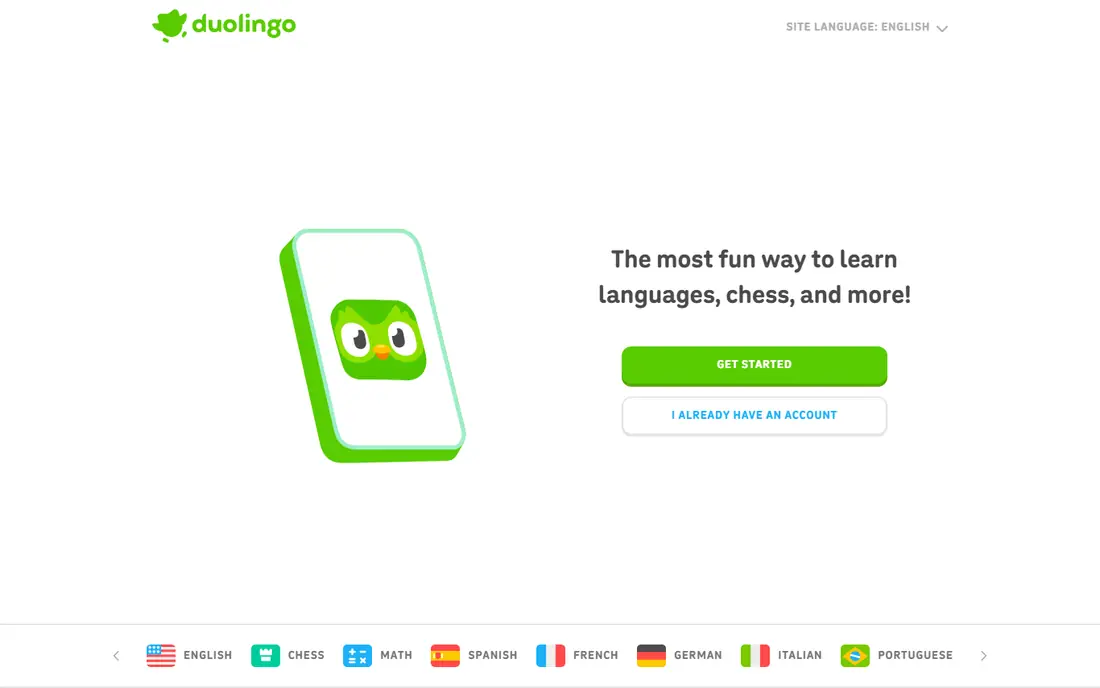
Duolingo is the easiest place to start if you have never studied Turkish. Lessons are short, visual, and built around repetition, so a ten minute session still feels useful. The Turkish course covers common words, basic sentences, and everyday topics, and the streak system helps many learners return each day. The trade-off is depth. Grammar explanations are brief, and Turkish suffixes can feel confusing without extra reading or a tutor to explain the pattern. Treat Duolingo as a warm-up and vocabulary builder, then add a more structured course when you want to form your own sentences with confidence.
- Free core course, short lessons, speech practice
- Limited grammar explanation, thin advanced content
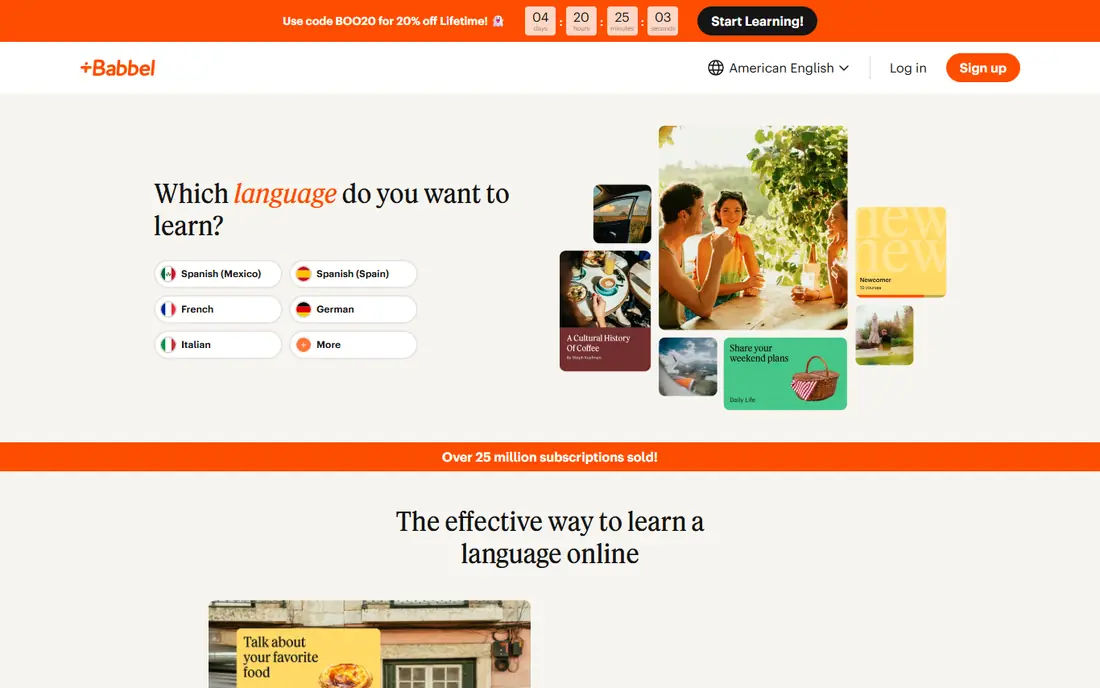
Babbel takes a more classroom-like path than Duolingo, with lessons built around topics such as travel, work, and daily life. Turkish learners get explanations for patterns that matter, including word order and suffix changes, rather than only matching words to pictures. Review sessions help move new words into longer term memory. Babbel is less playful, which suits some learners and bores others. Its Turkish catalogue is also narrower than its Spanish or French courses, so advanced learners may run out of new material sooner. For beginners and lower intermediate learners, though, the structure is a clear strength.
- Structured lessons, real-life dialogues, speech recognition
- Smaller Turkish course than its larger languages, no free full course
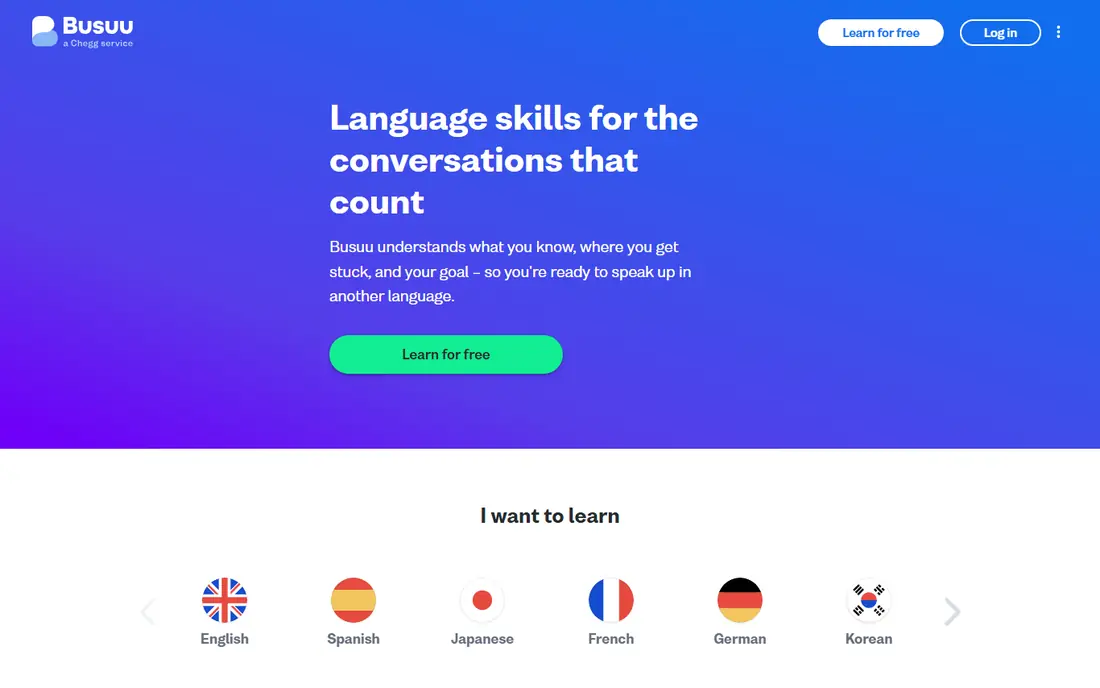
Busuu combines short lessons with a study plan and a community feature where native speakers can correct written and spoken exercises. That feedback is valuable for Turkish, where a small suffix change can change meaning. The course structure moves from everyday survival phrases toward more complex conversation topics. The free plan gives a useful taste but locks much of the grammar and review material behind Premium. Busuu also works best when you actually submit exercises for correction, so shy learners may not get the full benefit. Used actively, it offers a good balance of structure and human feedback.
- Community corrections, study plan, grammar units
- Free tier is limited, speaking practice is not live by default
Pimsleur teaches through listening and speaking, with a narrator guiding you to build sentences step by step. That approach fits Turkish well, because pronunciation, stress, and vowel harmony become clearer when you hear them repeated in context. Lessons work while walking, driving, or doing chores, which makes daily practice easier to fit in. Reading and writing get less attention, so Pimsleur alone will not teach the Turkish alphabet in depth or prepare you for long written texts. Pair it with a reading app or a tutor if you also want to read menus, messages, and news. For speaking confidence, it remains one of the strongest options in this list.
- Audio-first method, speaking from the first lesson, hands-free use
- Higher price, less reading and writing practice
Mondly covers Turkish with daily lessons, vocabulary builders, and chatbot conversations that let you practise common exchanges without pressure. The interface is colourful and quick, and topics range from food and travel to business and family life. That variety helps if you get bored repeating the same lesson format. Depth is the weakness. Mondly explains less grammar than Babbel or Busuu, and its chatbot exchanges can feel scripted after a while. It works well as a second app for vocabulary and light conversation practice, especially for travellers who need useful phrases fast.
- Wide topic range, chatbot conversations, augmented reality features
- Grammar depth is limited, some lessons feel repetitive
Memrise focuses on words and phrases you can actually use, with video clips that show how native speakers sound in real life. That helps Turkish learners hear natural speed, intonation, and informal speech, which textbook audio sometimes misses. Spaced repetition brings words back at intervals designed to support recall. Memrise is not a full grammar course, so you will still need explanations for cases, tenses, and suffix rules. Think of it as a strong companion for vocabulary and listening, rather than the only tool in your routine. Learners who enjoy short, video-led sessions tend to stick with it longer.
- Video clips of native speakers, spaced repetition, useful phrases
- Less structured grammar teaching, course depth varies by language
Rosetta Stone teaches Turkish through images, audio, and matching exercises, without translating everything into English. That immersion can build strong listening habits and pronunciation awareness, and its speech tool gives feedback on how close your pronunciation is to the model. The method suits patient learners who like to infer patterns from examples. The same method frustrates learners who want a rule explained plainly. Turkish suffix patterns, in particular, can take longer to grasp without a written explanation. Rosetta Stone works best for learners who enjoy immersion and are willing to supplement grammar elsewhere, or who already know some basics.
- Immersive picture-based method, pronunciation feedback, offline access
- No explicit grammar explanations, slower for some learners
italki connects learners with Turkish tutors and teachers for live video lessons, priced per lesson rather than as a fixed subscription. That flexibility matters, because you can book a weekly conversation session, ask for grammar help, or practise for a trip without committing to a full course. Tutor profiles show prices, availability, and learner reviews. Quality varies, as with any marketplace, so reading profiles and trying a trial lesson helps. italki also requires more self-direction than an app with a set path, since you or your tutor decide what to study. For speaking practice and personal feedback, no app-only tool in this list matches a live tutor.
- One-to-one lessons, choice of tutors, flexible scheduling
- Price varies by tutor, no fixed curriculum unless the tutor provides one
How we picked these
We compared official feature pages, pricing pages, app store listings, privacy policies, and public reviews, and we kept only apps with a real Turkish course available in October 2026. We favoured apps that teach Turkish-specific patterns, offer speaking or listening practice, and state their prices clearly. Apps with only a generic language template, or with Turkish content that was too thin to support a full course, were left out.
Buying guide: how to choose the best app to learn Turkish
Start with your goal
A traveller needs phrases, numbers, directions, and polite forms. A learner moving to Turkey, or with Turkish family, needs grammar, listening, and conversation. A student preparing for an exam needs structured vocabulary and reading practice. Write down your goal before paying, because the best app for a holiday trip is rarely the best app for long term study.
Check how Turkish grammar is taught
Turkish builds meaning with suffixes, so an app that only teaches isolated words will leave gaps. Look for lessons that show suffix changes in full sentences, explain vowel harmony in plain terms, and give you chances to build your own sentences. If an app hides all grammar, plan to pair it with a tutor or a grammar resource.
Test speaking early
Pronunciation matters more than a perfect vocabulary score. Use the free tier or trial to test speech recognition, audio quality, and whether you can practise aloud without feeling rushed. Pimsleur and italki score well here, while picture-matching apps need extra speaking practice on the side.
Watch the total cost
Monthly prices look small until several apps stack up. Start with one paid app plus a free companion, and add a tutor only when you have a regular study habit. Check whether annual billing, lifetime plans, or student discounts apply, and confirm the renewal price before subscribing.
FAQ
What is the best app for learning Turkish as a complete beginner?
Duolingo or Mondly make a gentle start, and Babbel gives more structure if you want grammar from the beginning. Try the free tiers first, then keep the app whose lesson style you actually reopen each day.
Are the best apps to learn Turkish free?
Duolingo, Busuu, and Memrise offer free tiers, but full courses, offline access, and advanced review tools usually need a paid plan. A free plan is enough to test the method, though serious learners often pay for one core app.
How long does it take to learn Turkish with an app?
That depends on study time, prior language experience, and speaking practice. Daily short sessions can build useful travel Turkish in a few months, while conversational fluency usually takes longer and benefits from live conversation.
Is Turkish hard to learn for English speakers?
Turkish grammar works differently from English, especially word order and suffixes, but pronunciation is fairly regular once you learn the alphabet. Many learners find the logic satisfying once the suffix system clicks.
Should I use one app or several apps for Turkish?
Most learners do better with one core app plus one speaking or vocabulary companion. Too many apps can split your time and make progress hard to track, so keep the routine simple and consistent.
Do these apps teach the Turkish alphabet?
Most beginner courses introduce the alphabet and pronunciation early, but audio-led apps cover it in less depth. If reading matters to you, check the first lessons before subscribing, or add a reading-focused resource.
Sources
https://www.duolingo.com https://www.babbel.com https://www.busuu.com https://www.pimsleur.com https://www.mondly.com https://www.memrise.com https://www.rosettastone.com https://www.italki.com