API Mocking Software for Remote Teams in 2026: The 5 Best Options Side by Side
Searching for the best API mocking software for remote teams? Here are 5 options with prices and free plans. Where a tool struggles is spelled out. Facts only.
- Editor's choiceMirage JS
Frontend JavaScript mocking in tests
Starts atSee websiteVisit miragejs.comFull review - Great alternative
 Beeceptor
Quick prompt-driven mock servers
Starts at$10 a monthVisit beeceptor.comFull review - Also considerWireMock Cloud
High-fidelity environment simulation
Starts atSee websiteVisit wiremock.ioFull review
Direct answer
Mirage JS is the first pick on this list for Frontend JavaScript mocking in tests. Listed starting prices: Beeceptor from $10 a month, Postman from $9 per month and Stoplight from $44 a month. Beeceptor fits quick prompt-driven mock servers; WireMock Cloud fits high-fidelity environment simulation. The full list of 5 tools follows, with prices and free plan facts.
TL;DR:
- Number one here is Mirage JS, a fit for Frontend JavaScript mocking in tests.
- Free plans exist at 3 of 5 tools (Beeceptor, WireMock Cloud, Postman).
- Before buying Beeceptor, weigh this: AI-generated responses still need review.
- For design-first mocking with OpenAPI, Stoplight is worth a look.
Last checked November 2026. Prices and plan details were read from the vendors' own pages in November 2026; vendors change plans often, so confirm the current price on the vendor site before you buy.
Quick comparison
| Tool | Best for | Starts at | Free plan? | |
|---|---|---|---|---|
| Mirage JS | Frontend JavaScript mocking in tests | See website | Not stated | Visit |
| Beeceptor | Quick prompt-driven mock servers | $10 a month | Yes | Visit |
| WireMock Cloud | High-fidelity environment simulation | See website | Yes | Visit |
 Postman | Teams wanting API work and mocking together | $9 per month | Yes | Visit |
 Stoplight | Design-first mocking with OpenAPI | $44 a month | Free trial | Visit |
The 5 tools in detail
LinkVetted compared 5 API mocking software for remote teams. The goal is a practical shortlist: published prices, free plan facts, best-fit use cases and honest limits for every entry.
Mirage JS
Best for: Frontend JavaScript mocking in tests
Mirage JS works best for Frontend JavaScript mocking in tests. Mirage JS is an API mocking library for frontend developers that lets teams build, test and demo JavaScript applications without a real API. Beyond that, setup needs developer involvement.
Pick Mirage JS when your remote team wants mocks living inside the frontend codebase. From a buyer's view, the library approach keeps mocking close to the components that consume it. This comparison lists no price for Mirage JS; ask the vendor. Free plan details: Not stated.
Points against: Concentrated on frontend instead of shared services. Main advantages: Builds.
- Library-based and developer controlled
- Suits JavaScript frontend workflows
- Needs JavaScript development effort
Beeceptor is a good fit for quick prompt-driven mock servers. The prompt-driven approach lowers the barrier for non-specialists.
From a buyer's view, teams with strict schema governance may prefer design-first tools. In practice, generated responses should be checked against real contracts before teams depend on them. The starting price for Beeceptor: $10 per month. Free access exists with Beeceptor.
Limits to weigh: AI-generated responses still need review.
- GraphQL and gRPC
- Creates mock servers from prompts or traffic
- Broad protocol support can add choice overhead
WireMock Cloud
Best for: High-fidelity environment simulation
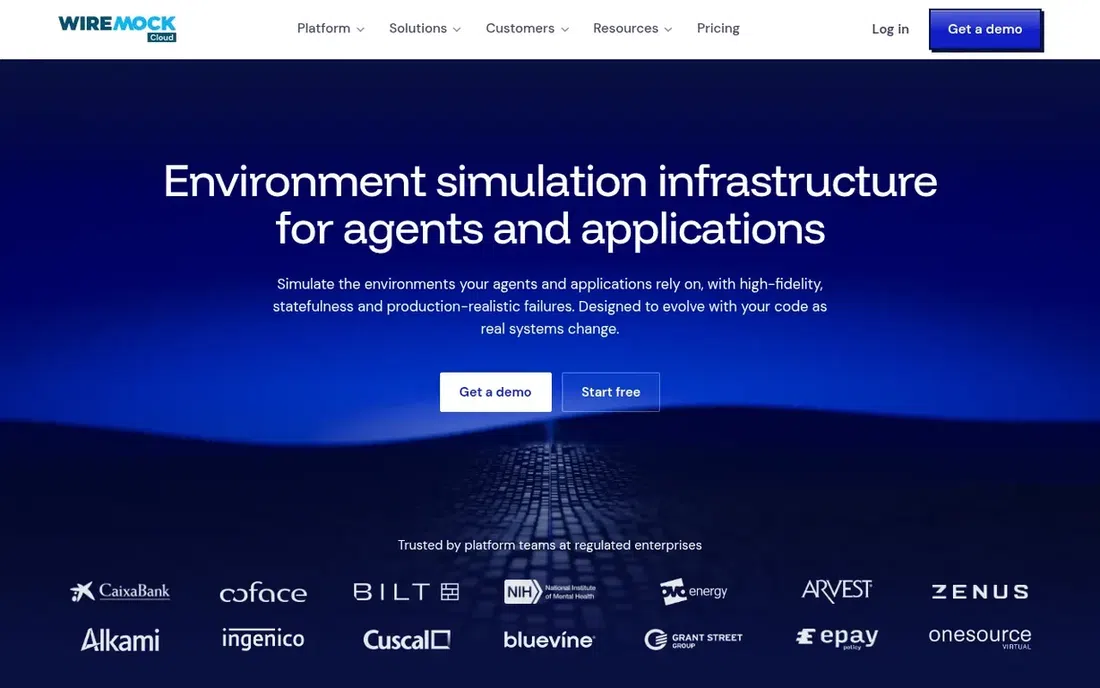
WireMock Cloud was built for high-fidelity environment simulation. WireMock Cloud is an environment simulation and API mocking service built to reproduce the systems applications and agents rely on, including stateful behavior and production-realistic failures. Beyond that, choose WireMock Cloud when realistic, stateful simulation is central to your testing strategy.
Downsides: May be more than basic mock needs need.
The product is built to evolve as real systems change. Its emphasis on fidelity means more setup thought than a straightforward stub server. WireMock Cloud does not show a starting price in this comparison, so check the vendor site for current pricing. Free access exists with WireMock Cloud.
- Supports statefulness and realistic failures
- Simulates environments applications depend on
- Concentrated on simulation depth over simplicity
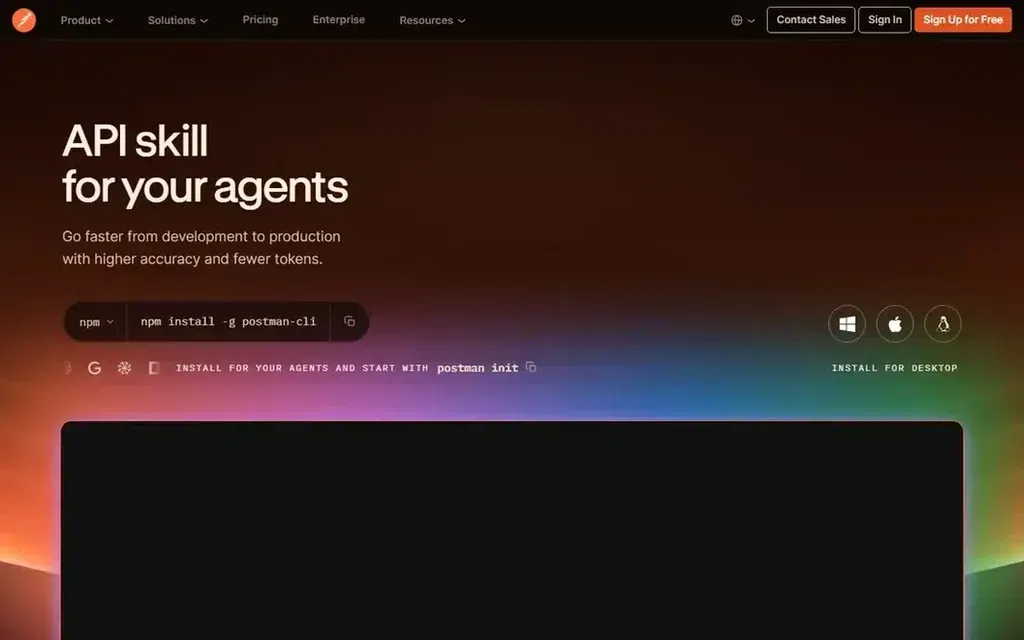
Pick Postman if this describes you: teams wanting API work and mocking together. Consider Postman when API collaboration and engineering breadth matter more than a single-purpose mock server.
The system is wide, so teams that only need a fast throwaway mock may find it more than necessary. Worth adding: Postman is an API engineering system that helps teams move from development to production with accuracy and fewer tokens. Starting cost for Postman: $9 per month. Postman includes a free tier.
Limits to weigh: Feature depth can feel heavy for straightforward mocks.
- Supports collaboration across distributed teams
- Wide coverage from development to production
- Collaboration features may exceed small team needs
In short, Stoplight is for design-first mocking with OpenAPI. Stoplight is an OpenAPI design and documentation management tool that also produces mock servers, all in one centralized product.
More specifically, the approach cuts specialized knowledge needed to begin. Price to start with Stoplight: $44 per month. Free plan details: Free trial.
The main drawbacks: Mocking is tied to specification quality.
- Centralized product for teams
- Builds OpenAPI descriptions and docs
- Design-first workflow needs discipline
How we chose
LinkVetted looked at what each vendor publishes: pricing, plan limits, feature coverage for API mocking software for remote teams and stated drawbacks. No hands-on testing is claimed. Seat minimums, billing terms and add-ons can move the real cost, so the starting prices here are a guide and not a quote. Position on the page reflects fit for a typical buyer first, with price clarity and free access breaking ties. Treat it as a guide, not a ruling.
Before you commit
- Confirm the entry price on the vendor page. For Mirage JS and WireMock Cloud that means a quote rather than a fixed price.
- Look at free plan limits closely: Beeceptor, WireMock Cloud and Postman have one, and the caps decide whether it is usable for real work.
- Take the trial from Stoplight and push a live task through it before you pay.
- Read the limits listed for Mirage JS first: centred on frontend instead of shared services.
- Confirm you can export your data from Mirage JS, so leaving later does not mean losing records.
- Pick one real project and run it in WireMock Cloud first; a small pilot shows fit faster than a checklist.
FAQ
What makes API mocking software right for remote teams?
Remote teams need mocks that every member can reach and edit without local setup friction. Tools that align mocks with API specifications also cut miscommunication across time zones.
How are the tools for API mocking software for remote teams ordered?
Mirage JS sits first and Stoplight last because the order follows typical fit for API mocking software for remote teams, then price clarity and free access. It is a judgement call, so read each profile for fit and limits.
Is Mirage JS the right pick for everyone comparing API mocking software for remote teams?
No single tool suits every team. Mirage JS comes first because it fits Frontend JavaScript mocking in tests, while Beeceptor suits fast prompt-driven mock servers and WireMock Cloud suits high-fidelity environment simulation. Match the tool to your own size, budget and workflow before deciding.
Can I try these tools before paying?
Often, yes. Beeceptor, WireMock Cloud and Postman have a free plan and Stoplight offers a free trial. Use your own data and a real task during the test, and check what the free tier or trial limits before you rely on it.
Should we choose a hosted or self-hosted mocking tool?
Hosted tools cut maintenance and provide distributed members instant access, whereas self-hosted choices offer more control over data and deployment. Teams without infrastructure support frequently lean hosted.
Can frontend libraries replace a shared mock server?
A library like Mirage JS keeps mocks inside the frontend codebase, which fits JavaScript developers testing components. It does not provide backend or QA teams a shared endpoint.
Sources
- https://miragejs.com
- https://beeceptor.com
- https://www.wiremock.io
- https://www.postman.com
- https://stoplight.io