Best AI Spanish Learning Apps in 2026: 8 Apps Compared
Searching for the best ai spanish learning app? We compare 8 apps on AI conversation, lessons, speaking practice and price for real progress daily now.
- Editor's choice
 Duolingo
Daily habit and AI conversation
Starts atFreeVisit duolingo.comFull review - Great alternative
 Babbel
Structured grammar and dialogue
Starts atSee websiteVisit babbel.comFull review - Also consider
 Busuu
Lessons plus community correction
Starts atSee websiteVisit busuu.comFull review
TL;DR:
- AI conversation is most useful after you know basic vocabulary, since it gives you a place to practise full sentences without pressure.
- Duolingo Max and Talkpal offer the most direct AI chat practice, while Babbel and Busuu offer more structured grammar and correction.
- Live tutors on italki still beat AI for nuanced feedback, pronunciation detail and cultural context.
- A free plan can build a habit, but speaking progress usually needs a paid tier, live practice, or both.
Quick comparison
| Tool | Best for | Starts at | Free plan? | |
|---|---|---|---|---|
| Duolingo | Daily habit and AI conversation | Free | Yes | Visit |
| Babbel | Structured grammar and dialogue | See website | No | Visit |
| Busuu | Lessons plus community correction | See website | Yes | Visit |
 Rosetta Stone | Immersion without translation | See website | Free trial | Visit |
 Pimsleur | Audio and speaking on the move | See website | Free trial | Visit |
 italki | Live lessons with real tutors | See website | No | Visit |
 Memrise | Vocabulary and video clips | See website | Yes | Visit |
 Talkpal | AI chat and roleplay practice | See website | Yes | Visit |
The best ai spanish learning apps
AI features now sit inside many Spanish apps, but they do very different jobs. Some give you a chatbot to talk with, some explain grammar on demand, and some simply adapt the next lesson. We compared apps that cover conversational Spanish, not just word drills.

Duolingo is the easiest app to start with, and the hardest to ignore once a streak begins. Lessons are short, visual and game like, which helps learners who struggle to sit down for a long study session. Spanish content covers a wide range of topics, from travel phrases to work and daily life, and the app adapts difficulty as you progress.
The AI features sit in the Max tier, where you can practise conversation in a video call format and in roleplay scenarios. That is a useful step up from multiple choice drills, though it does not replace a human tutor for detailed correction. Our pick for most beginners is to use the free tier to build a daily habit, then consider Max only if you are already practising most days and want more speaking time.
- Free core course
- Short daily lessons
- Max tier adds AI video call and roleplay
- Grammar explanations are light
- Free version has ads and limits
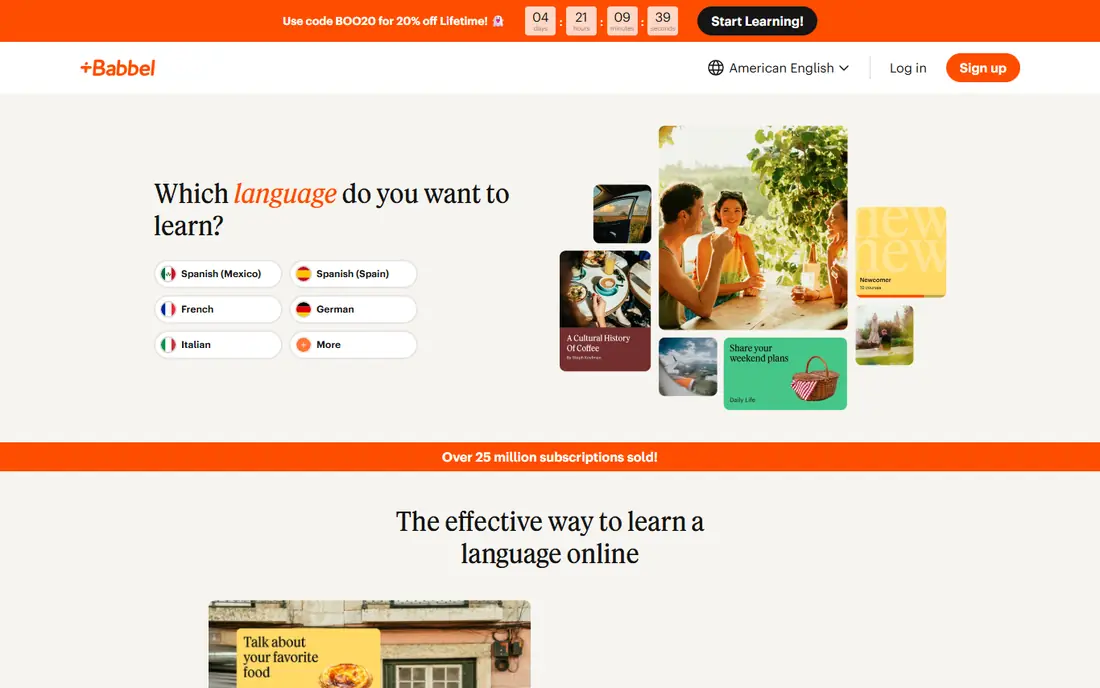
Babbel takes a more classroom like approach than Duolingo, with lessons built around realistic dialogues and clear grammar notes. That structure helps intermediate learners who want to understand why a sentence works, not just repeat it. Lessons are short enough for a commute, but they feel more deliberate than a game.
The weakness is the lack of a generous free tier, since only the first lesson of each course is free. That makes it harder to test over a few weeks before paying. Babbel also offers live classes as a separate product, which can fill the speaking gap if self study alone is not enough. Choose Babbel if you like order, explanations and a set path through the language.
- Clear grammar explanations
- Dialogue based lessons
- Review sessions for retention
- No full free tier beyond a first lesson
- AI features are less central than in Duolingo Max

Busuu combines structured lessons with feedback from other learners, which is a rare mix at this price. You can submit writing and speaking exercises and receive corrections from native speakers, and you can return the favour for learners of your own language. That social layer makes mistakes feel less abstract, because a real person explains them.
The catch is consistency. Community corrections vary in detail, and you may wait for feedback on some exercises. Paid plans add more lessons, offline mode and grammar review, which matter for intermediate learners. Busuu is a good middle ground if you want structure plus human input without booking live lessons every week.
- Free basic lessons
- Native speaker corrections
- Personalised study plan
- Correction quality varies
- Some advanced content sits behind paywall
Rosetta Stone teaches through images, audio and matching exercises rather than translation. That immersion method can build a strong feel for common phrases, especially for visual learners. Speech recognition gives you a chance to practise pronunciation, and the course structure is steady and predictable.
The trade off is grammar. If you want to know why Spanish uses subjunctive forms or how verb endings change, you will need extra material. Rosetta Stone also suits learners who prefer a calm, consistent routine over games and social features. It is a solid choice for beginners who want immersion, and a weaker choice for learners who need detailed explanations.
- Image based immersion
- Speech recognition
- Long track record
- Little explicit grammar teaching
- Subscription can feel pricey for one language
Pimsleur is built for listening and speaking, with audio lessons of about 30 minutes that prompt you to respond out loud. That format works well while driving, walking or doing chores, and it builds recall through repeated prompts at spaced intervals. Many learners find it helps them actually say sentences, rather than only recognise words on screen.
The pace can feel slow if you already know basic Spanish, and the course offers less reading, writing and grammar detail than app based rivals. Pimsleur also works best as a speaking companion to another app, rather than a complete course on its own. If your main goal is to hold a simple conversation on a trip, it deserves a close look.
- Strong listening and speaking focus
- Hands free audio lessons
- Spaced recall
- Slow pace for some learners
- Less reading and writing practice
italki is not an AI app in the usual sense, and that is the point. It connects you with live Spanish tutors for one to one video lessons, which gives you feedback that AI still struggles to match. A good tutor can correct pronunciation in real time, explain a cultural point, and adjust the lesson to your job, travel plans or exam.
The risk is choice. With many tutors available, you may need to try two or three before you find the right fit, and prices vary by tutor and lesson length. italki works best when you combine it with an app for daily vocabulary, then use lessons for speaking and correction. For intermediate learners who feel stuck, a weekly live session often makes more difference than another app feature.
- One to one live lessons
- Tutor choice by price and style
- Conversation focused sessions
- No fixed curriculum unless tutor provides one
- Quality varies by tutor
Memrise focuses on vocabulary and listening, with short clips of native speakers using words in real contexts. That helps you hear natural speed and accent variation, which textbook audio often misses. Spaced repetition reviews words at intervals, so you are less likely to forget them after a week.
Memrise is less strong as a full course. Grammar teaching is lighter than Babbel, and conversation practice is not its main strength. Use it as a supplement, especially if you know the grammar but lack words, or if you want to train your ear. It pairs well with Duolingo, Babbel or italki, depending on your main weakness.
- Free core content
- Short video clips of native speakers
- Spaced repetition
- Less structured grammar path
- AI conversation is not the main focus
Talkpal is built around AI conversation. You can chat by text or voice, practise roleplays such as ordering food or checking into a hotel, and get instant corrections and suggestions. That low pressure setting helps learners who freeze in live conversation, since you can retry a sentence without embarrassment.
The limit is that AI feedback, however fast, is not the same as a tutor hearing your tone, hesitation and intent. Talkpal also offers less of a fixed curriculum than Duolingo or Babbel, so self directed learners will get more from it. It is a strong choice for extra speaking reps between lessons, and for learners who want to practise conversation every day without booking a tutor.
- AI chat in many scenarios
- Roleplay for travel, work and daily life
- Instant feedback
- AI feedback can miss nuance
- Smaller course structure than major rivals
How we picked these
We compared official feature pages, pricing pages, app store listings and public user reviews, with a focus on Spanish conversation rather than general language claims. We favoured apps with a real Spanish course, a clear speaking or conversation feature, and current availability in the United States. We included one live tutoring option because AI practice alone rarely solves pronunciation and real time comprehension.
How to choose for your level
Beginners should prioritise a daily habit and basic vocabulary, so a free friendly app with short lessons is a good start. Add AI chat only when you can form simple sentences, or it will feel like guesswork. Intermediate learners should look for grammar explanations, native speaker feedback or live lessons, since the gap at that stage is usually accuracy and fluency, not word count.
Try any paid app for at least two weeks before judging it, and judge it on speaking, not streaks. Can you order food, describe a problem, or hold a two minute exchange? If not, change the mix. A common winning mix is one structured app for lessons, one tool for vocabulary, and either AI chat or a weekly tutor for speaking.
FAQ
What is the best AI app to learn Spanish?
Duolingo Max is the most widely available AI conversation option, while Talkpal offers more roleplay scenarios. The best choice depends on your level. Beginners often benefit more from structured lessons first, then AI chat once they can form basic sentences.
Can AI replace a Spanish tutor?
AI is useful for daily reps, instant corrections and low pressure practice, but a tutor gives better feedback on pronunciation, tone and cultural use. Many learners get the best results by combining an app with a weekly live lesson on italki or a similar service.
Is there a free AI Spanish learning app?
Duolingo offers a free tier, and Talkpal and Memrise offer free plans with limits. Free tiers usually include ads, fewer lessons or limited AI features. Check the current plan page before you rely on a free tier for a long study plan.
Which app is best for conversational Spanish?
Apps with voice chat, roleplay or live lessons help most, including Duolingo Max, Talkpal and italki. Apps focused only on word matching will build vocabulary but may leave you hesitant in a real conversation.
How long does it take to speak Spanish with an app?
It depends on study time, prior language experience and speaking practice. Daily practice plus regular conversation, even for 15 to 30 minutes, usually produces simple conversational ability faster than occasional long sessions with no speaking.
Do these apps work for intermediate learners?
Yes, but the right app changes. Intermediate learners often need grammar review, native feedback and harder listening material. Babbel, Busuu and italki tend to suit that stage better than a beginner focused game app alone.