Best AI Personalized Learning Tools in 2026: 8 Tools Compared
We compared the best ai personalized learning tools for students and adults, covering adaptive practice, tutoring, languages and courses, at your own pace.
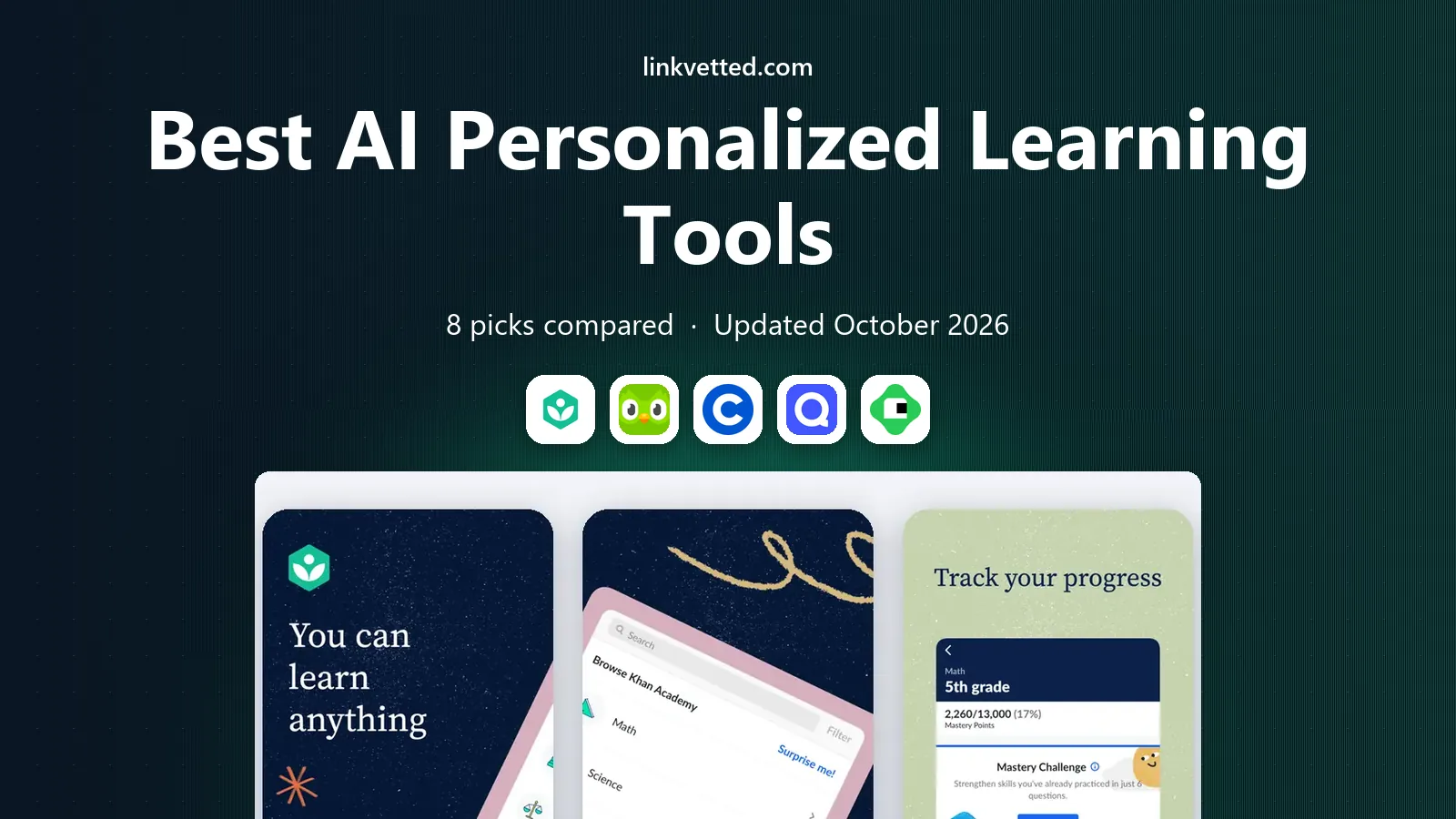
- Editor's choice
 Khan Academy
Free school subjects and tutoring
Starts atFreeVisit khanacademy.orgFull review - Great alternative
 Duolingo
Language learning with adaptive practice
Starts atFreeVisit duolingo.comFull review - Also consider
 Coursera
University and career courses
Starts atFreeVisit coursera.orgFull review
TL;DR:
- The best ai personalized learning tools adapt difficulty based on answers, not just by recommending the next video in a fixed course.
- Khan Academy, Duolingo and IXL suit school and skill practice, while Coursera and Brilliant suit adult learners and career skills.
- Free tiers are useful for testing, but AI tutoring and full courses often sit behind paid plans or school licenses.
- For children, check age settings, privacy policies and teacher or parent controls before signing up.
- Short, regular practice with feedback beats long, passive study sessions on almost every platform.
Quick comparison
| Tool | Best for | Starts at | Free plan? | |
|---|---|---|---|---|
| Khan Academy | Free school subjects and tutoring | Free | Yes | Visit |
| Duolingo | Language learning with adaptive practice | Free | Yes | Visit |
| Coursera | University and career courses | Free | Yes | Visit |
 Quizlet | Flashcards and AI study help | Free | Yes | Visit |
 Brilliant | Math, science and coding by doing | See website | Free trial | Visit |
 IXL | School practice across subjects | See website | Free trial | Visit |
 DreamBox | Adaptive math for younger learners | See website | Free trial | Visit |
 Century Tech | AI adaptive learning for schools | See website | Free trial | Visit |
The best ai personalized learning tools
Personalized learning should mean more than a playlist of videos. The tools below adjust what you practice next based on what you got right, what you got wrong, and how confident you were, and many now add AI tutoring that explains steps instead of just giving answers. We compared official product pages, pricing pages and help centers, and we focused on adaptivity, subject coverage, feedback quality, age suitability and cost.
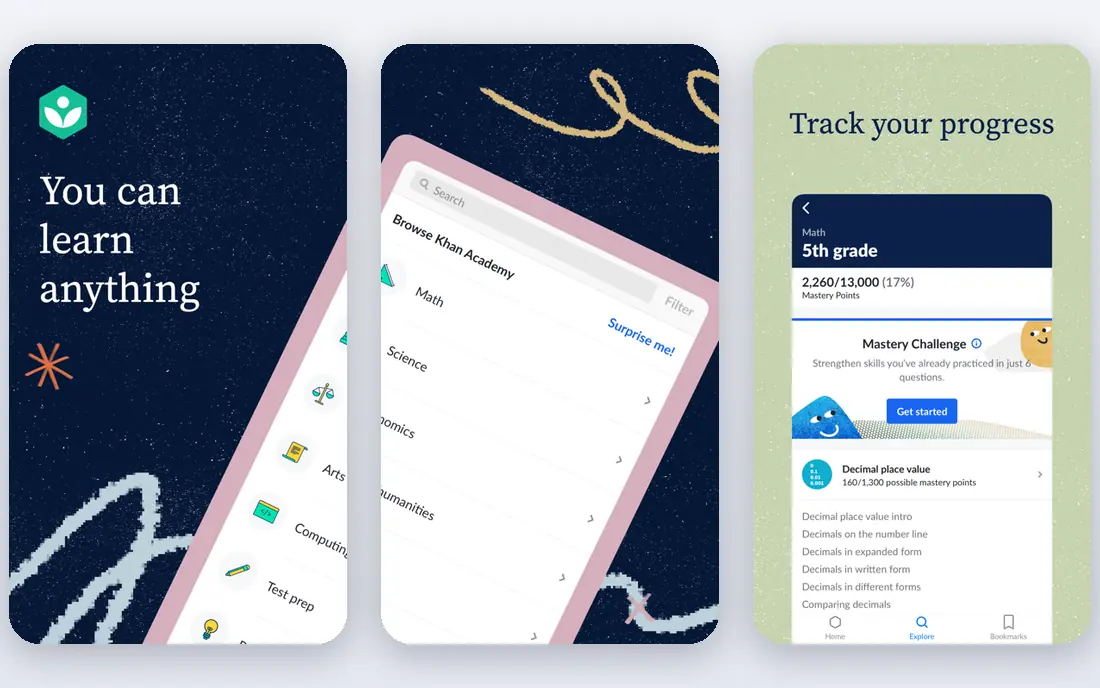
Khan Academy remains our pick for free, structured school learning. Its mastery system tracks progress by skill, recommends practice at the right level, and lets learners move ahead only when they show understanding. Video lessons, practice problems and quizzes work together, which helps students who need to fill gaps from earlier grades as well as those who want to move ahead.
Khanmigo, its AI tutor, adds guided help that asks questions and explains steps, rather than simply giving answers. Availability, pricing and school access for Khanmigo have varied, so check the current Khan Academy page for your situation. For families and adult learners who want solid math, science and test prep without a subscription, Khan Academy is the first tool to try.
- Free core courses for math, science and more
- Mastery based practice
- Khanmigo AI tutor for eligible users
- AI tutor availability and pricing vary by school and plan
- Less focused on adult career skills
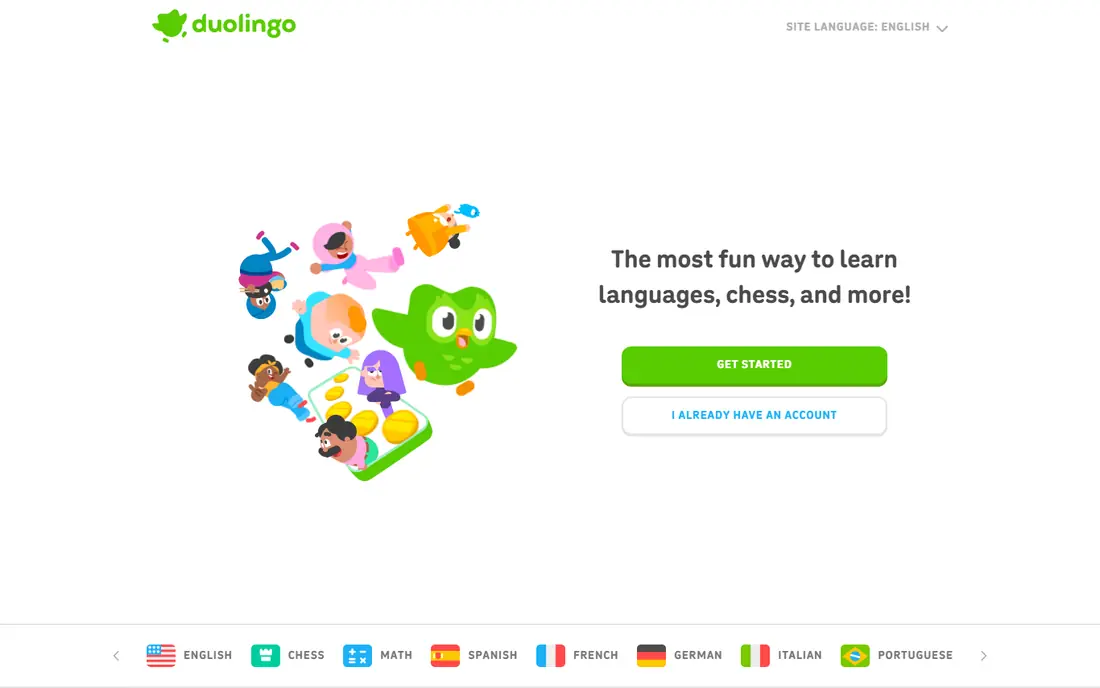
Duolingo adapts language practice by adjusting exercises based on mistakes and review timing. Short lessons cover vocabulary, grammar, listening and speaking, and spaced review brings back words just as you are about to forget them. That structure suits daily habit building, especially for beginners and intermediate learners.
Duolingo alone will not make you fluent. Advanced learners need conversation, reading and listening outside the app, and the free tier includes ads and some limits. Paid plans remove ads and add features, but the core adaptive practice is available free. Use Duolingo for daily practice, then add conversation practice when you reach intermediate level.
- Adaptive language practice in short lessons
- Speaking, listening and reading exercises
- Fun streak and review system
- Free tier includes ads and limits
- Advanced conversation needs real practice beyond the app
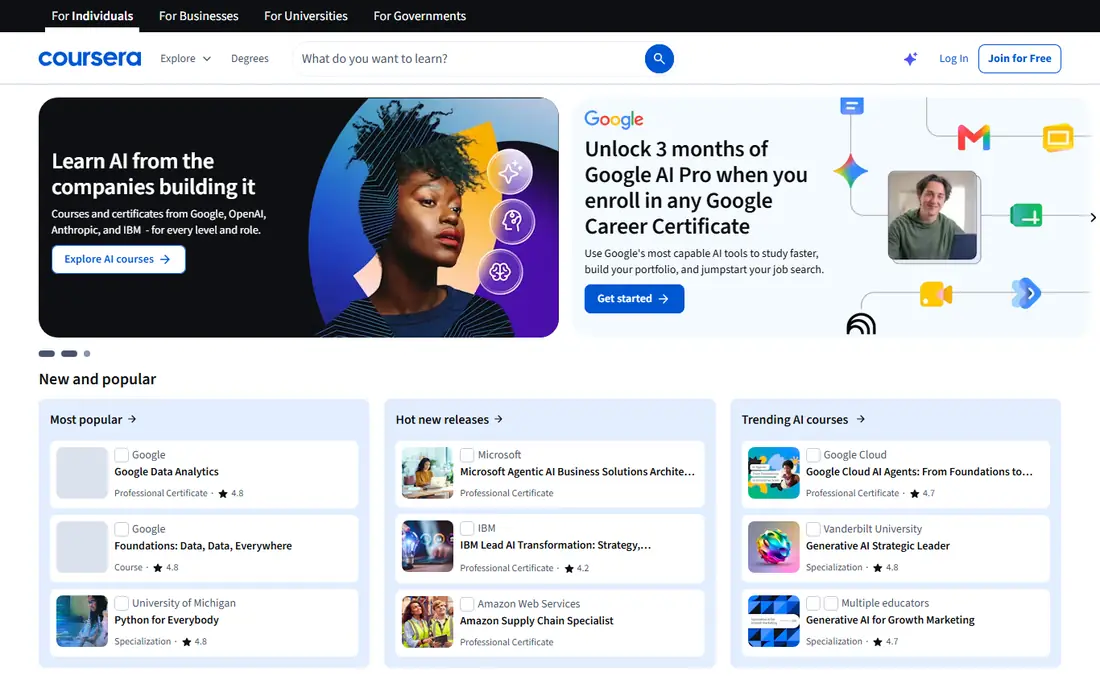
Coursera personalizes learning mainly through recommendations, skill paths and adaptive course suggestions, rather than through minute by minute difficulty adjustment. Learners can audit many courses free, then pay for graded assignments and certificates when they need proof of completion. Career paths in data, business, technology and health suit adults who want structured progress toward a job skill.
Check whether a course offers free audit access before paying, since certificate pricing and subscription options differ. Coursera is best for adult learners who want university style courses with a clear syllabus, not for young children who need game based practice. Pair it with hands on projects for skills that employers test in practice, not just on a quiz.
- Courses from universities and companies
- Guided projects and certificates
- Personalized recommendations
- Certificates and graded work often require payment
- Course quality varies by provider
Quizlet turns study material into flashcards, practice tests and games, and its Learn mode focuses more time on terms you miss. AI features can generate practice questions and explanations from study sets, which helps students turn class notes into active practice quickly. That active recall approach is more effective than re-reading notes for many subjects.
Quality varies because many sets are user created, so check the source before trusting a set for an exam. Paid plans add more AI features and remove ads, while the free tier covers core flashcards and study modes. Quizlet works best when learners create or curate their own sets, rather than relying only on the first set they find.
- Large flashcard sets and study modes
- Learn mode adapts to mistakes
- AI features for explanations and practice questions
- User created sets vary in quality
- Best AI features sit behind paid plans
Brilliant teaches by asking learners to solve problems, with short explanations and visuals between steps. Paths adapt to progress, so learners who master basics move to harder problems, while those who struggle get more practice at the same level. Math, data science, programming and physics are the strongest areas, and the interactive style suits learners who get bored by long video lectures.
Brilliant is not a general school platform. It does not cover essay writing, history in depth or language learning, and full access requires a paid plan after a trial. For adults and older students who want to build math and coding intuition by doing, it is one of the most engaging personalized tools available.
- Interactive problem solving instead of lectures
- Adaptive paths in math, science and coding
- Clear visual explanations
- No free full plan
- Less suited to essay subjects and languages
IXL is a school focused practice platform that adapts question difficulty as learners answer. Its diagnostic tool identifies grade level strengths and gaps, then recommends skills to practice next. Parents and teachers get reports that show progress by skill, which helps target homework and tutoring time.
The style is practice heavy, with many short questions rather than long lessons, so some learners find it repetitive. IXL suits families and schools that want structured practice across subjects and clear progress data. Try the free trial with one subject first, and check whether your school already provides access before paying for a family plan.
- Adaptive practice across math, English, science and social studies
- Detailed diagnostics
- Parent and teacher reports
- Practice heavy style can feel repetitive
- Pricing is per subject or bundle and varies by plan
DreamBox adapts math lessons in real time based on how a child solves problems, not just whether the final answer is right. Lessons use visual models and game based activities, which suit elementary and middle school learners who need to build number sense. Parents and teachers can see progress and time spent, without needing to design lessons themselves.
DreamBox is mainly a math tool, so it does not replace reading or science practice. Access is often through schools, with family plans available in some regions, so check current pricing on the official site. For younger learners who need math practice that adjusts to their level, DreamBox is a strong, focused choice.
- Adaptive math lessons that adjust in real time
- Game based activities for younger learners
- Progress reports for adults
- Mainly math focused
- Pricing is often through schools or family plans
Century Tech uses an AI engine to build personal learning paths from diagnostic assessments, then adapts recommendations as learners answer questions. It covers subjects across the school curriculum and gives teachers dashboards showing gaps, progress and recommended next steps. That school focus makes it useful for classrooms where each student needs a different path through the same curriculum.
Individual families may find access harder to buy directly, since Century is mainly sold to schools and districts. If your school uses Century, use its recommendations alongside classwork and ask teachers how to interpret the dashboard. For schools choosing an AI adaptive platform, Century is worth comparing with IXL and DreamBox on subject coverage and reporting.
- AI engine that builds personal learning paths
- Subjects across school curriculum
- Teacher dashboards and insights
- Mainly sold to schools
- Individual access varies by region
How we picked these
We compared official product pages, pricing pages and help centers for AI personalized learning tools and platforms that are available in October 2026. We favored tools that adapt content based on learner performance, that cover a clear subject area, and that offer a free tier or trial for testing. We did not claim hands-on classroom testing. Instead, we weighed adaptivity, feedback quality, subject breadth, age suitability, privacy controls and cost, and we noted where a tool is best for school learners and where it is best for adults.
How to choose a personalized learning tool
Start with the learner and the goal. A child who needs math help, an adult learning a language, and a professional studying data skills need different tools, even though all three can be called personalized learning. Write down the subject, the current level, the time available each week and whether a certificate or school report matters.
Next, test adaptivity, not just content. Answer some questions wrong on purpose during a trial, and see whether the tool gives easier practice, an explanation and a second chance, or simply moves on. Good personalized tools explain why an answer was wrong and adjust the next set. Tools that only recommend the next video in a fixed order are less personalized than they claim.
Finally, check privacy and motivation together. For children, confirm age settings, data policies and parent controls. For adults, check whether streaks, goals and reminders help or distract you. A tool you use for 20 minutes a day for a month will beat a more advanced tool you abandon after a week, so choose the one that fits daily life.
FAQ
What are the best ai personalized learning platforms for students?
Khan Academy, IXL, DreamBox and Century Tech are strong for school students, with Khan Academy offering the broadest free coverage. Duolingo suits language learners, while Brilliant suits older students who want interactive math, science and coding practice.
Are AI personalized learning tools free?
Some are free for core use, including Khan Academy, Duolingo and Quizlet, with paid plans adding AI tutoring, certificates or extra features. Brilliant, IXL and DreamBox mainly use paid plans or school licenses, with trials for testing. Check the current pricing page before committing to a yearly plan.
Can AI tutors replace a human tutor?
No, not fully. AI tutors help with practice, explanations and homework guidance at any hour, which is valuable for regular study. Human tutors are still better for complex misunderstandings, motivation, exam strategy and subjects that need discussion and feedback on writing or speaking.
How does adaptive learning work?
Adaptive learning tracks answers, mistakes and response patterns, then adjusts difficulty and recommends the next skill to practice. Strong systems use diagnostics and spaced review to focus time on gaps, while weaker systems only suggest the next lesson in a fixed course.
Is Duolingo enough to learn a language?
Duolingo is good for vocabulary, grammar basics and daily practice, but it is not enough alone for fluency. Add conversation practice, listening to native media and reading in the language once you reach intermediate level, and use Duolingo to keep vocabulary and grammar fresh.
What should parents check before choosing a learning app for a child?
Check age suitability, privacy policy, data collection, ad settings and parent or teacher controls. Test the app with your child for a week, watch whether feedback is encouraging and clear, and confirm that school progress reports match what you see at home.