Best AI Service Offerings in IT Consulting in 2026: 8 Products Compared
We compared the best ai service offerings in it consulting, from strategy and governance to data, cloud, and building AI tools that work in production.
- Editor's choice
 Accenture AI
Large global programs
Starts atSee websiteVisit accenture.comFull review - Great alternative
 Deloitte AI and Analytics
Regulated industry AI
Starts atSee websiteVisit deloitte.comFull review - Also consider
 IBM Consulting
Governed hybrid cloud AI
Starts atSee websiteVisit ibm.comFull review
TL;DR:
- Accenture and IBM Consulting suit large programs that need AI, cloud, and data work together.
- Deloitte and EY style governance strengths matter most in regulated industries like finance and health care.
- McKinsey QuantumBlack and BCG X fit board level strategy paired with hands on product building.
- Infosys, Cognizant, and Capgemini offer scale for delivery, engineering, and managed AI work.
- Slalom is a strong mid market pick for US companies that want local teams and cloud partners.
Quick comparison
| Tool | Best for | Starts at | Free plan? | |
|---|---|---|---|---|
| Accenture AI | Large global programs | See website | No | Visit |
| Deloitte AI and Analytics | Regulated industry AI | See website | No | Visit |
| IBM Consulting | Governed hybrid cloud AI | See website | No | Visit |
 McKinsey QuantumBlack | Board level AI strategy | See website | No | Visit |
 BCG X | Strategy plus product build | See website | No | Visit |
 Infosys Topaz | AI led delivery at scale | See website | No | Visit |
 Cognizant AI | Operational AI and automation | See website | No | Visit |
 Slalom | Mid market cloud AI | See website | No | Visit |
The best AI service offerings in IT consulting
IT consulting firms now sell AI as a set of services, not as one product. The list below covers strategy, data readiness, governance, model building, and running AI in production, so you can match a firm to the stage your company is actually in.
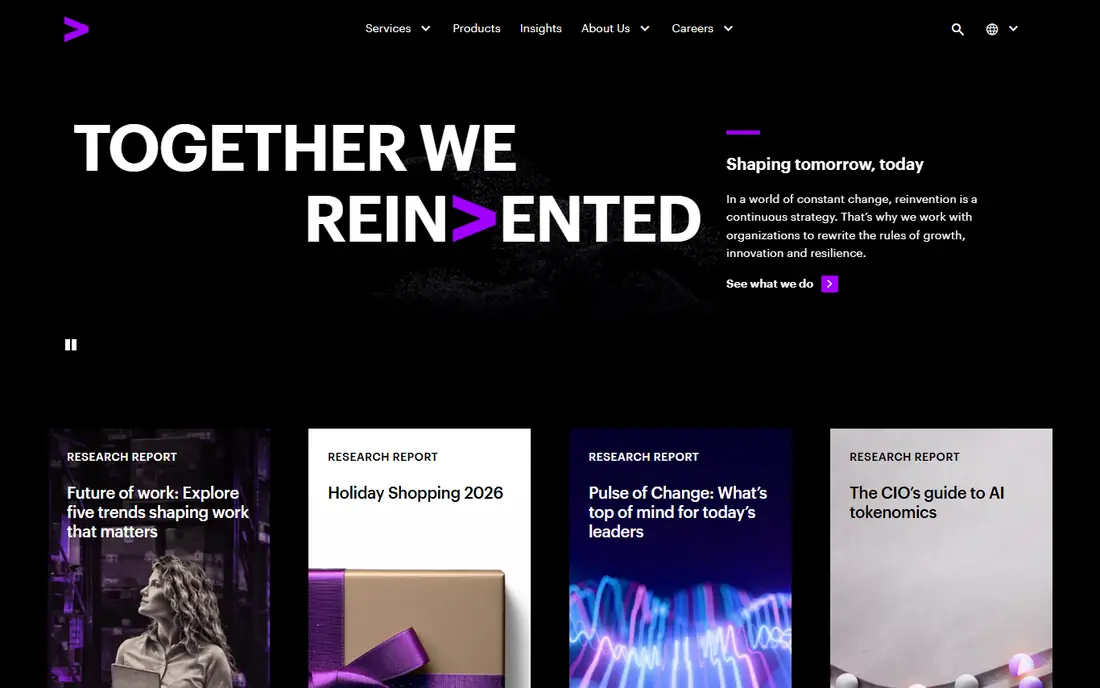
Accenture is the default shortlist choice for a global company that needs AI across many business units. Its AI work spans strategy, data modernization, cloud migration, and building and running AI systems, often with major cloud and software partners. We place it first for scale and breadth, since few firms can staff a multi country program as fast. The drawback is fit: a small company with one use case may find the process and price heavier than needed. Ask for a scoped pilot with clear success measures before committing to a large program.
- Very broad industry and cloud coverage
- Large delivery teams
- Strong AI and data practice
- Premium pricing
- Large firm process can feel heavy for a small pilot

Deloitte pairs AI strategy with analytics, risk, and implementation, which matters when AI touches customer data, financial decisions, or health information. Its governance work covers fairness, explainability, and audit trails, topics that boards and regulators now ask about directly. We think it fits banks, insurers, health systems, and other regulated organizations that need controls built in from the start. The trade off is that thorough governance and review add time and cost, so a company that wants a quick prototype may prefer a smaller builder for the first test.
- Strong governance and risk approach
- Deep industry knowledge
- Strategy plus implementation
- Large engagements can be costly
- Timelines can be long for complex regulated work
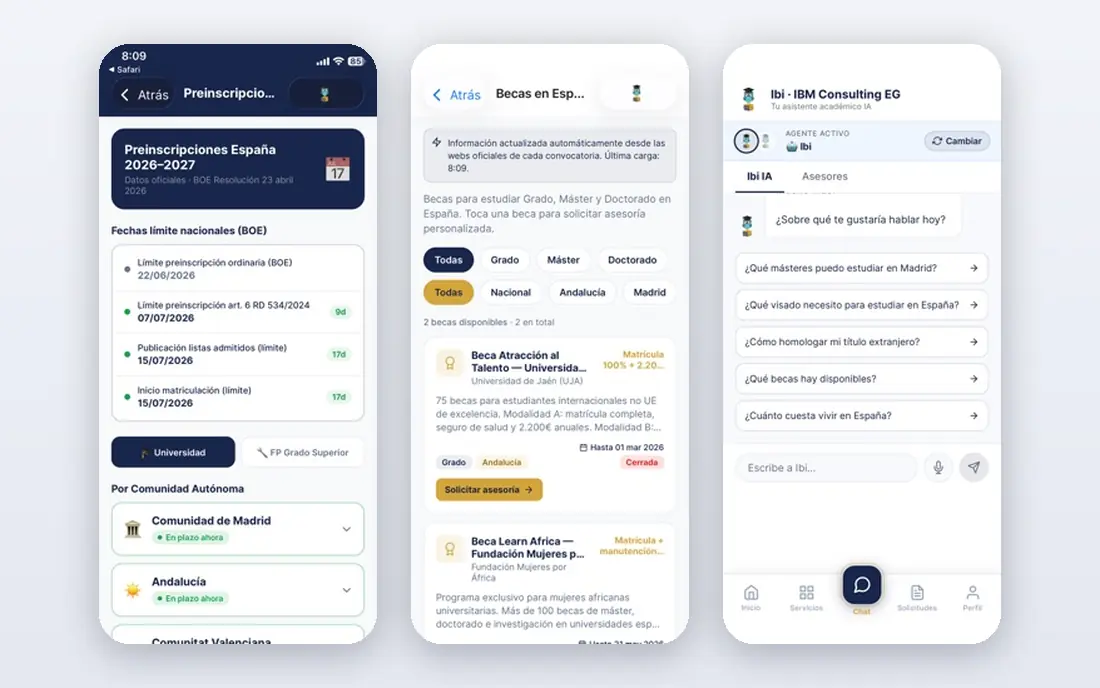
IBM Consulting combines consulting with its watsonx AI platform, which covers data, model governance, and assistants for business use. That pairing helps companies that want AI on hybrid cloud systems, including older core systems that cannot move fully to public cloud. We like it for regulated and large enterprise work where auditability matters. The caution is platform fit: if your company is committed to a different cloud or AI stack, check how much of the work depends on IBM tools before you sign.
- Watsonx platform plus consulting
- Hybrid cloud strength
- Regulated industry experience
- Best value when you already use IBM or hybrid cloud tools
- Platform ties need review
QuantumBlack is McKinsey's AI and analytics arm, and it focuses on tying AI work to business results that a board can track. Its teams work on strategy, data foundations, and building AI products, often for large global companies. We include it for organizations where the main question is which AI bets to make, not only how to build one model. The clear limit is cost and scale: engagements are priced for large enterprises, and a mid sized company will usually get better value from a delivery focused firm.
- Strong strategy and analytics talent
- Focus on measurable business outcomes
- Product building capability
- Very high engagement cost
- Best for large companies with board level backing
BCG X blends strategy consulting with building and running digital and AI products. That mix helps when a company needs both a plan and a working product, rather than a report that sits on a shelf. Its teams prototype quickly, test with real users, and then help scale what works. We think it fits companies that want a product mindset, such as a customer facing assistant or an internal operations tool. As with other strategy firms, pricing is premium, so scope the first product tightly and agree on how success will be measured.
- Build and operate model
- Rapid prototyping
- Strong design and product talent
- Premium pricing
- Engagement size suits larger companies
Infosys Topaz is the firm's AI first set of services, covering generative AI, data, and applied AI across industries. Its scale suits companies that need many teams, long running managed work, or global delivery. We like it for organizations that already outsource IT work and want AI added to that model. The drawback is management overhead: a large vendor needs clear governance, service levels, and a strong internal product owner. Without that, even good delivery can drift from business goals.
- Large delivery capacity
- AI first service set under Topaz
- Broad cloud and data work
- Large vendor management effort
- Smaller projects may get less senior attention
Cognizant focuses AI work on operations: automating workflows, improving service processes, and adding analytics to daily work. That practical angle appeals to companies that want cost and speed gains in existing operations rather than a new customer product. We include it for mid to large enterprises that need delivery scale and industry knowledge. The caution is consistency, since outcomes depend heavily on the account team. Ask to meet the delivery leads, not only the sales team, before you commit.
- Workflow automation focus
- Industry depth in health, banking, and retail
- Large delivery teams
- Service quality can vary by account team
- Scope needs tight control
Slalom is a strong pick for US mid market companies that want AI work with cloud partners like Microsoft, AWS, and Salesforce. Its local team model means you often work with people in your region, which helps with workshops, adoption, and change management. We like it for companies that want a partner, not only a vendor, for the first serious AI projects. The limit is global scale: a company with many countries and languages may need a larger firm or a partner model. For a US focused program, that limit rarely matters.
- Local US teams
- Strong cloud partner work
- Practical adoption focus
- Less global scale than the largest firms
- Large multi country programs may need partners
How we picked these
We reviewed firm service pages, public case material, and industry coverage of AI consulting in 2026. We favored firms with named AI practices, production experience, and a clear mix of strategy, data, governance, and engineering, rather than firms that only publish AI thought pieces. We kept a mix of global scale firms, strategy led firms, and delivery focused firms, so both large enterprises and mid market buyers can find a fit. Engagement prices are quoted in this market, so we list them as such and advise getting a scoped proposal for your use case.
How to buy AI consulting without wasting the budget
The most common mistake is buying a large AI program before data, ownership, and success measures are clear. A smaller, well scoped pilot usually teaches you more than a broad strategy deck.
Start with one business problem
Pick a problem with a clear owner, a measurable outcome, and data you can actually access. Examples include cutting time on a support workflow, improving forecast accuracy, or reducing manual review in an operations queue. Avoid starting with a technology choice, such as a model or platform, before the problem is agreed. A firm that pushes a platform before understanding the problem is selling product, not advice.
Check data, governance, and production plans
Ask how the firm will handle data quality, access, privacy, and model monitoring after launch. A prototype that works in a demo can fail in production when data changes, users behave differently, or costs rise. Require a plan for ownership, retraining, security review, and retirement of models that stop performing. In regulated work, ask for explainability and audit support up front.
Agree on scope, team, and exit terms
Get the delivery team names, the weekly cadence, and the decision points in writing. Clarify who owns code, prompts, data pipelines, and documentation if you end the engagement. A good firm will plan knowledge transfer from the start, so your internal team can run the system after the consultants leave. That transfer is often the difference between a pilot that lasts and one that fades.
FAQ
What does an AI consulting firm actually deliver?
Deliverables vary, but common items include an AI strategy and roadmap, data readiness work, a working prototype or product, governance policies, and training for your team. Larger engagements also include managed running of AI systems. Ask for a deliverable list tied to each phase before you sign.
How much does AI consulting cost?
Costs vary widely by firm size and scope. Small pilots with mid market firms can start in the tens of thousands of dollars, while large enterprise programs run into hundreds of thousands or more. Most large firms quote by engagement, so get a scoped proposal with phases and exit points.
Do I need to fix my data before hiring a firm?
You do not need perfect data, but you need to know where your data lives, who owns it, and what quality problems exist. A good firm will assess data as part of the first phase. If a firm promises strong AI results without looking at your data, treat that as a warning sign.
Should I choose a strategy firm or a delivery firm?
Choose a strategy firm when the main decision is where to invest and how AI changes your business model. Choose a delivery firm when the use case is clear and you need building, integration, and running help. Many companies use a strategy firm for direction and a delivery firm for building, in sequence.
How do I measure success for an AI project?
Tie success to a business metric, such as time saved, cost per case, forecast error, or customer satisfaction, measured before and after launch. Track model performance and user adoption as well, since a technically good model that staff do not use has no business value.
What risks should I watch for with AI vendors?
Watch for data privacy gaps, unclear model ownership, hidden cloud costs, and overpromising on accuracy. Ask about security reviews, bias checks, and how the firm handles failures. A vendor that cannot explain limits plainly is not ready for production work.