Best Accounting Software for Startups in 2026: 8 Tools Compared
We compared the best accounting software for startups in 2026, from free bookkeeping to full double-entry systems, with current pricing and honest limits.
- Editor's choice
 QuickBooks Online
Accountant-friendly scaling
Starts at$38 per monthVisit quickbooks.intuit.comFull review - Great alternative
 Xero
Multi-user startups
Starts at$25 per monthVisit xero.comFull review - Also consider
 FreshBooks
Service startups and invoicing
Starts at$23 per monthVisit freshbooks.comFull review
TL;DR:
- QuickBooks Online suits startups that plan to work with an accountant and scale to payroll and inventory.
- Wave and Zoho Books suit pre-revenue and early startups that need real bookkeeping at low or no cost.
- Xero suits startups with several users, since it does not charge per seat on its plans.
- FreshBooks suits service startups that live on invoices, while Bench suits founders who want bookkeeping done for them.
Quick comparison
| Tool | Best for | Starts at | Free plan? | |
|---|---|---|---|---|
| QuickBooks Online | Accountant-friendly scaling | $38 per month | Free trial | Visit |
| Xero | Multi-user startups | $25 per month | Free trial | Visit |
| FreshBooks | Service startups and invoicing | $23 per month | Free trial | Visit |
 Wave | Free bookkeeping for solos | Free | Yes | Visit |
 Zoho Books | Value for growing startups | Free | Yes | Visit |
 Sage | Established operations | See website | Free trial | Visit |
 Bench | Done-for-you bookkeeping | $189 per month | No | Visit |
 FreeAgent | Simple UK and US small business books | See website | Free trial | Visit |
The best accounting software for startups
Startup accounting needs change fast. A solo founder needs invoices and expense tracking. A funded team needs payroll, inventory, and reports an investor can read. We compared official pricing pages and plan limits for tools that fit startups at different stages.
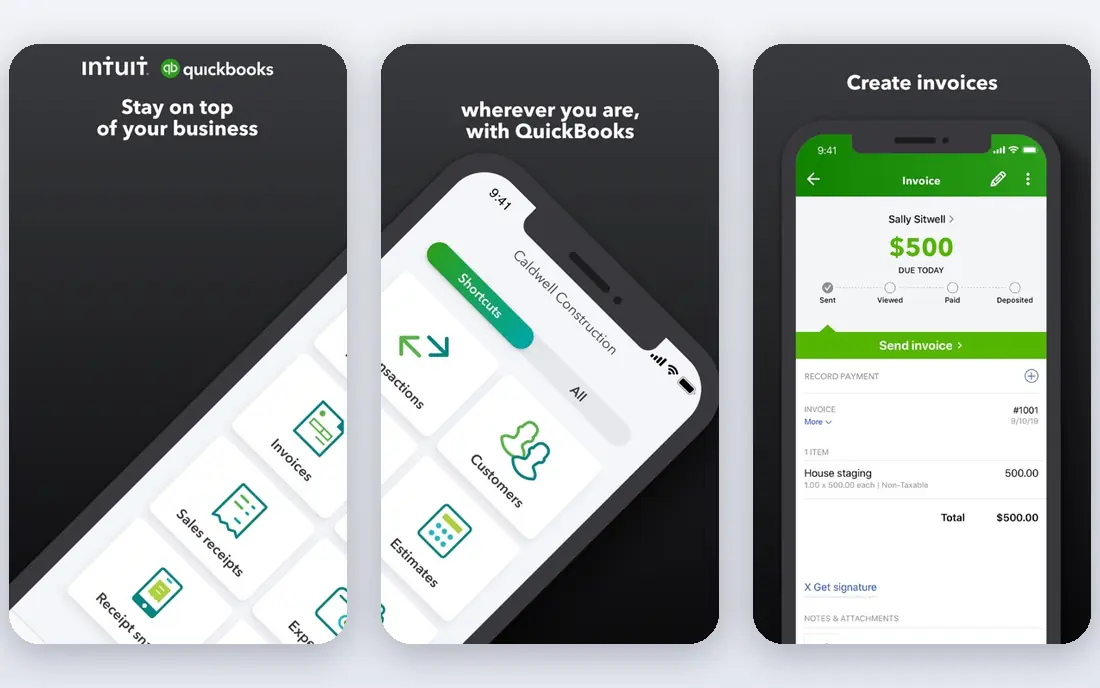
QuickBooks Online is our pick for startups that expect to grow and work with an accountant. Simple Start at $38 a month covers invoicing, expense tracking, and basic reports, and higher tiers add bill management, inventory, and more users. Most US accountants already know QuickBooks, which makes handover and year-end work smoother.
The costs add up. Payroll, payments, and time tracking are extra, and the entry plan allows only one user plus accountant users. Promotional prices also expire, so budget on the list price, not the first-month offer. For a startup that plans to hire, raise money, or sell inventory, that scale is worth it. For a solo founder, a free tool may do for now.
- Full double-entry accounting
- Huge accountant network
- Payroll, payments, and inventory add-ons
- Entry plan allows only one user
- Add-ons raise costs
- Interface can feel crowded for beginners

Xero suits startups where several people touch the books. Every plan includes unlimited users, so a founder, a co-founder, and a bookkeeper can all work without per-seat fees. Bank reconciliation is strong, and multi-currency support helps startups with overseas customers or suppliers.
The entry Early plan at $25 a month caps invoices at 20 and bills at 5 per month, which pushes growing startups to the Growing tier. US payroll is handled through partner integrations rather than natively, which adds a step. If your team is small but multi-user, and you invoice in more than one currency, Xero offers strong value.
- Unlimited users on every plan
- Strong bank reconciliation
- Good multi-currency support
- Entry plan caps invoices and bills
- US payroll runs through partners
- Smaller US accountant network than QuickBooks
FreshBooks is built for service startups that get paid by invoice. Lite at $23 a month covers invoicing for up to five clients, plus expense tracking, time tracking, and payment links that make it easy for clients to pay. For agencies, consultants, and freelancers turning into startups, that workflow feels natural.
It is not a full accounting system in the QuickBooks sense on its entry tiers. Double-entry depth and bank reconciliation are thinner, which matters as a startup adds inventory, loans, or complex reporting. If invoicing and client payments drive your business, FreshBooks is excellent. If your accountant needs full double-entry books, QuickBooks or Xero fit better.
- Clean invoicing and time tracking
- Client-friendly payment links
- Simple expense and mileage capture
- Lite plan covers only five clients
- No full double-entry depth on entry tiers
- Bank reconciliation is limited
Wave is the best free option for a solo founder or a very small startup. The Starter plan is free and includes unlimited invoices, estimates, bills, and bookkeeping records, with no revenue cap. That covers the basics for a pre-revenue startup or a side business testing an idea.
The limits are clear. The free plan does not include automatic bank import, so transactions need more manual work, and advanced reporting is thinner than QuickBooks. Payroll and payment processing cost extra. For a startup with simple books and tight cash, Wave is a genuine free start, with a paid Pro plan at about $19 a month when you need more.
- Free Starter plan with unlimited invoices and bookkeeping
- Simple interface
- Payments and payroll as paid add-ons
- No automatic bank import on the free plan
- Fewer advanced reports
- Support is mainly online
Zoho Books gives startups a lot of accounting per dollar. The free plan covers businesses with annual revenue under $50,000, with up to 1,000 invoices a year. Paid Standard starts at about $15 a month billed annually, with more users and automation. For a startup already using Zoho CRM or Zoho Inventory, the fit is even stronger.
The free plan limits matter as revenue grows. Once you pass $50,000 or 1,000 invoices, you move to a paid plan, which is still low cost. The interface and workflow also feel best inside the Zoho world, though it works standalone too. For a budget-conscious startup that wants real double-entry books, Zoho Books is a strong pick.
- Free plan for businesses under $50,000 in annual revenue
- Full double-entry accounting
- Strong automation
- Free plan caps invoices at 1,000 a year
- Standard plan allows limited users
- Best value inside the Zoho suite
Sage suits startups that already run an established operation, such as a shop with stock or a trade business with jobs to cost. Its accounting products cover invoicing, inventory, and reporting, with higher tiers adding depth for growing firms. The brand has served small businesses for decades, which gives accountants and banks a familiar name.
Sage is harder to compare than the cloud-first tools here, because pricing and features vary by product and by country. Some Sage products also feel less modern than QuickBooks or Xero. Check the exact Sage product and plan for your country before buying, and confirm what payroll, inventory, and support cost on top.
- Long track record with small businesses
- Inventory and job costing on higher tiers
- Strong reporting
- Pricing varies by product and region
- Some products feel dated
- Entry tiers are limited for startups
Bench is not software alone. It pairs you with human bookkeepers who categorize transactions, reconcile accounts, and send monthly financial statements. For a founder who hates bookkeeping or keeps falling behind, that service can be worth $189 a month or more, depending on your transaction volume.
The trade-off is cost and control. Bench costs several times more than QuickBooks or Xero alone, and founders who want to run their own reports daily may find the service rhythm slower. It also suits cash-basis service businesses best, so product or inventory startups should check fit first. If clean books without doing them yourself is the goal, Bench is the clearest pick here.
- Human bookkeepers do the books
- Monthly financial statements
- Tax support options
- Costs far more than software alone
- Less control for founders who like to do their own books
- Pricing depends on your books
FreeAgent suits small businesses that want a simple, calm view of money in and money out. It covers invoicing, expenses, time tracking, and tax timelines in a dashboard that avoids accounting jargon. For a solo founder or a tiny team, that clarity helps keep books current without an accounting background.
Its US presence is smaller than QuickBooks or Xero, and pricing varies by region, so US startups should confirm the current plan and tax features for their state. Integration depth is also thinner. For a simple service business that values ease over scale, FreeAgent is a pleasant, low-friction option.
- Simple dashboard for income, expenses, and tax
- Invoicing and time tracking included
- Clear tax timelines
- Smaller US presence than QuickBooks or Xero
- Pricing needs checking for your region
- Fewer integrations
How we picked these
We compared official pricing pages and plan limits for accounting tools that serve startups, from free solo tools to managed bookkeeping. We favored tools with clear invoicing, bank reconciliation, and reporting, and we noted where payroll, inventory, or multi-user access costs extra. Prices are list prices before promotions, and vendors change plans often, so confirm the current price before buying. This article is general information only and is not financial or tax advice.
How to choose startup accounting software
Start with your stage, not the feature list. A pre-revenue solo founder needs invoices, expenses, and a clean record, which Wave or Zoho Books free plans cover. A growing team needs multi-user access, payroll, and reports for investors, which points to Xero or QuickBooks. A service business that lives on invoices should weigh FreshBooks first.
Then check three limits: users, invoices, and bank connections. Entry plans often cap one of these, and the cap is what forces an upgrade. Also check whether your accountant uses the tool, since a familiar system saves time at tax season. Finally, separate the software price from add-ons. Payroll, payments, and inventory can double the monthly bill, so price the full stack, not just the entry plan.
Keep books clean from day one
Connect bank accounts where the plan allows, categorize transactions weekly, and keep receipts with expenses. That habit matters more than the tool you pick. Clean books make tax filing cheaper, investor questions easier, and cash flow clearer. If you fall behind by months, a managed service such as Bench may cost less than untangling a year of messy records yourself.
FAQ
What is the best accounting software for startups?
QuickBooks Online is the best all-round pick for startups that plan to scale and work with an accountant. Xero suits multi-user teams, Wave and Zoho Books suit early startups on a tight budget, and FreshBooks suits service startups. Match the pick to your stage, user count, and accountant, not just to price.
What is the best bookkeeping software for startups?
Wave is the best free bookkeeping pick for solo founders, with unlimited invoices and bookkeeping records. Zoho Books is the best value full accounting pick, free under $50,000 in revenue. Bench is best when you want a human to do the bookkeeping for you, at a higher monthly cost.
What is the best startup accounting software for a solo founder?
Wave or Zoho Books free plans cover most solo founder needs at no cost. FreshBooks Lite suits solo service founders who invoice clients regularly. QuickBooks Solopreneur, at about $20 a month, suits solo founders who want tax tracking and separation of personal and business spending in one app.
Is free accounting software enough for a startup?
For a pre-revenue or very small startup, yes, if the free plan covers your invoice volume and you keep records current. As you hire, add inventory, or raise money, you will likely need paid features such as payroll, multi-user access, and deeper reports. Start free, and upgrade when a real limit, not a feature list, forces the move.
Does accounting software handle taxes for startups?
Accounting software tracks income, expenses, and reports that help with taxes, but it does not replace a tax professional. Some tools estimate quarterly taxes or connect to tax filing services, and Bench offers tax support options. For entity choice, deductions, and filing, talk to a qualified accountant in your state.
When should a startup switch accounting software?
Switch when you hit a hard limit, such as user caps, invoice caps, or missing inventory or payroll features, or when your accountant cannot work well in your current tool. Switching mid-year takes care, since historical data must move cleanly. Plan the switch at a month or quarter boundary, and run both systems briefly to check the opening balances match.