Best Addigy Alternatives in 2026: 8 Apple Device Tools Compared
Looking for addigy alternatives? We compare 8 Apple device management tools on price, Mac and iOS coverage, and admin depth to help IT teams choose well.
- Editor's choice
 Jamf Pro
Deep Apple management for large fleets
Starts atSee websiteVisit jamf.comFull review - Great alternative
 Mosyle
Budget Apple-only fleets
Starts at$1 per device per monthVisit mosyle.comFull review - Also consider
 Iru
Apple management plus security
Starts atSee websiteVisit iru.comFull review
TL;DR:
- Jamf Pro is the deepest Apple management alternative, while Mosyle is the best budget pick for Mac-only fleets.
- Iru, formerly Kandji, suits larger Apple-first teams that want management plus endpoint security in one vendor.
- SimpleMDM and Scalefusion suit small and frontline fleets that want low per-device pricing without enterprise complexity.
- JumpCloud and Microsoft Intune suit mixed fleets, where Apple devices sit alongside Windows, Android, and identity management.
- Check Apple Business Manager enrollment, FileVault key escrow, patching, and Declarative Device Management support before you choose.
Quick comparison
| Tool | Best for | Starts at | Free plan? | |
|---|---|---|---|---|
| Jamf Pro | Deep Apple management for large fleets | See website | No | Visit |
| Mosyle | Budget Apple-only fleets | $1 per device per month | Yes | Visit |
| Iru | Apple management plus security | See website | No | Visit |
 SimpleMDM | Small Apple fleets | $2.50 per device per month | No | Visit |
 Scalefusion | Low-cost and frontline fleets | $2 per device per month | No | Visit |
 Hexnode UEM | Mixed fleets across many systems | See website | No | Visit |
 JumpCloud | Identity plus device management | $9 per user per month | No | Visit |
 Microsoft Intune | Microsoft 365 mixed fleets | $8 per user per month | No | Visit |
The best addigy alternatives
Addigy is built for IT providers managing Apple devices for many clients, with multi-tenant tools and Mac-focused management. The alternatives below cover the same ground for in-house IT teams, schools, and managed service providers, at different prices and depths.
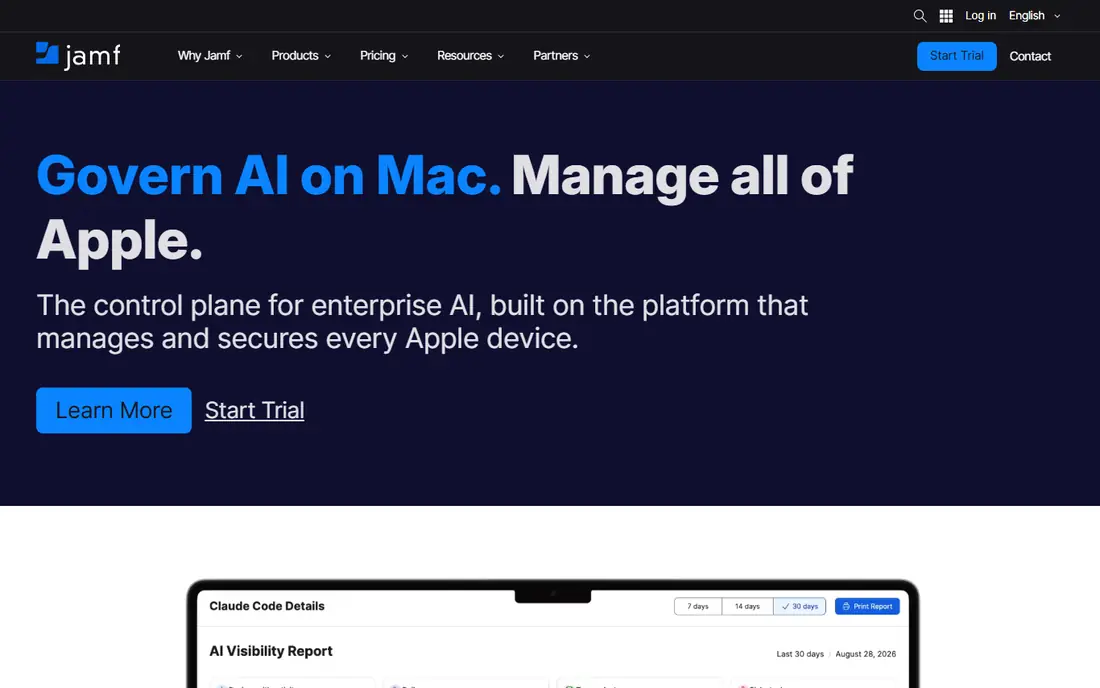
Jamf Pro is the standard for large Apple fleets. It offers deep macOS and iOS management, including policy enforcement, patching, app deployment, and scripting, with support for Apple Business Manager enrollment and Declarative Device Management. Its community and integration ecosystem help large teams solve unusual deployment problems.
The drawbacks are price and complexity. Jamf Pro uses quote-based pricing, often sold as part of a bundle, with device minimums that make it costly for very small fleets. It also rewards an experienced admin. For a large Apple-first organization, Jamf Pro remains the deepest choice. For a small fleet, Mosyle or SimpleMDM will be cheaper and simpler.
- Deepest macOS and iOS management
- Strong scripting and policy tools
- Large admin community and integrations
- Pricing is quote-based
- Minimums and bundles can raise cost
- Setup takes an experienced admin
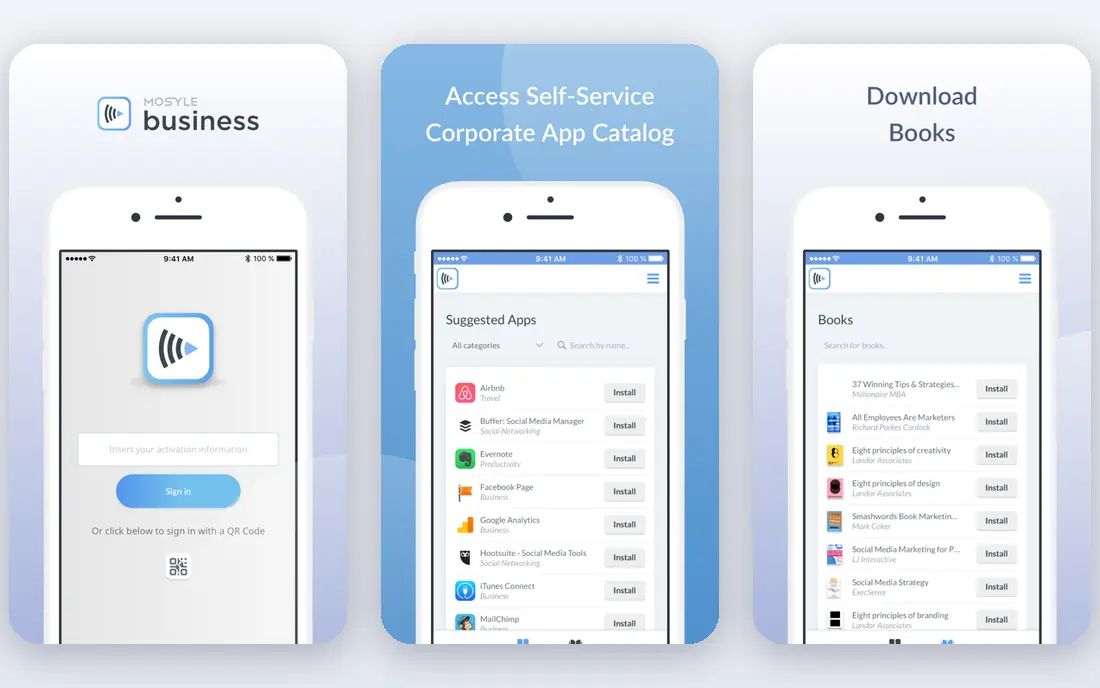
Mosyle is the budget pick for Apple-only fleets. Its free tier covers up to 30 devices, and its paid business tier starts at $1 per device per month, which makes it far cheaper than Jamf or Addigy for a small or mid-size fleet. It manages Macs, iPhones, iPads, and other Apple platforms with a straightforward console.
Mosyle is more hands-on than some rivals, and its security-bundled tiers cost more than the base management tier. Paid plans also often carry a minimum device count. For a cost-conscious team that is comfortable with a practical setup, Mosyle delivers strong Apple management at a low price.
- Free tier for up to 30 devices
- Low paid price
- Apple-only focus with Mac and iOS coverage
- Paid plans often require a device minimum
- Setup is more hands-on than Jamf
- Security bundles cost more
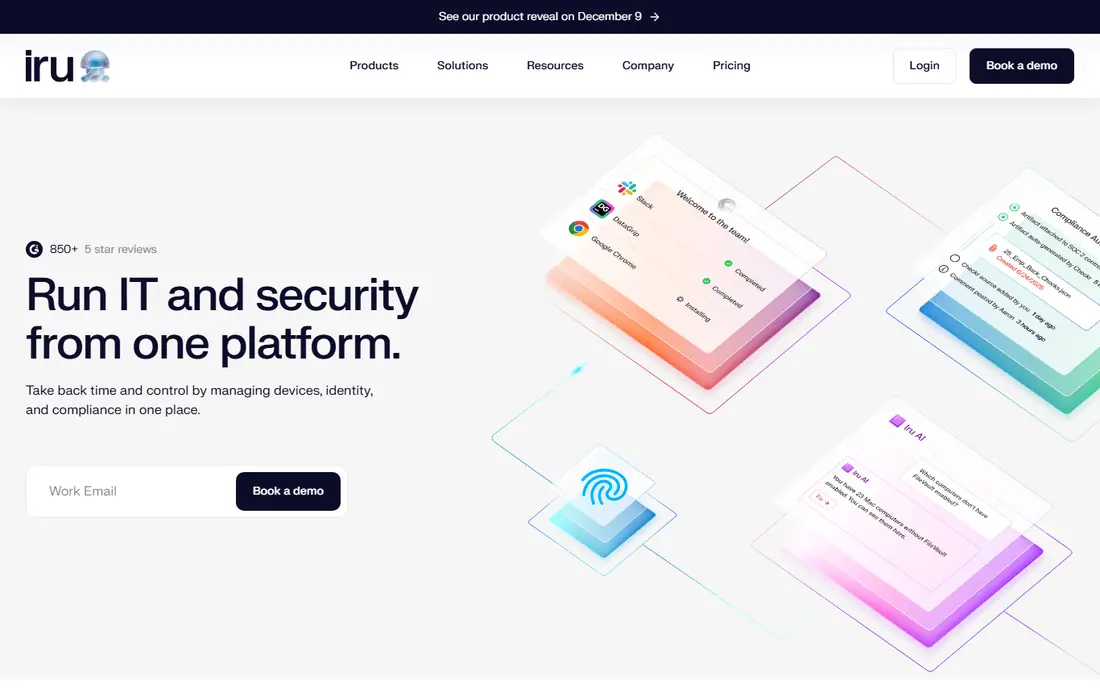
Iru is the new name for Kandji, which rebranded in late 2025 and moved further upmarket with broader endpoint security and identity features. It pairs Apple device management with security controls in one vendor, which suits larger Apple-first teams that want fewer security tools to manage.
Iru's quote-based pricing and higher device minimums make it a poor fit for a five-device office. It is also Apple-focused, so mixed fleets may prefer Intune or JumpCloud. For a larger team that wants Apple management plus security from one vendor, Iru is a strong Addigy alternative, but buyers should confirm the new brand name when searching for pricing and support.
- Apple-focused management with endpoint security
- Modern admin experience
- Good for larger Apple-first teams
- Pricing is quote-based
- Device minimums are high for small teams
- Less suited to mixed Windows fleets
SimpleMDM lives up to its name. It offers straightforward Apple device management for Macs, iPhones, and iPads at $2.50 per device per month, with enrollment through Apple Business Manager and basic policy and app management. Small businesses and schools often choose it when Jamf feels too large and costly.
SimpleMDM is lighter on advanced macOS features than Jamf Pro, including some patching and scripting depth. For a small fleet that needs enrollment, profiles, app deployment, and remote lock or wipe, SimpleMDM covers the essentials well. For a large, complex fleet, Jamf or Iru will offer more depth.
- Low per-device price
- Simple setup for Mac and iOS
- Good for small businesses and schools
- Fewer enterprise features than Jamf
- Less depth on advanced macOS patching
- Smaller integration range
Scalefusion suits mixed and frontline fleets. It manages Apple devices alongside Windows, Android, Linux, and ChromeOS from one console, with kiosk modes and remote support that suit retail, logistics, and field teams. Its $2 per device per month starting price makes it attractive for larger device counts.
Apple-specific depth is lighter than Jamf or Mosyle, so Mac-heavy teams should check FileVault, patching, and admin-rights controls specifically. For a mixed fleet or a frontline deployment where cost and breadth matter more than Mac depth, Scalefusion is a practical alternative.
- Low per-device price
- Covers Apple plus Windows, Android, and Linux
- Strong for kiosk and frontline devices
- Apple depth is lighter than Jamf or Mosyle
- Interface takes learning
- Some advanced Apple features need higher tiers
Hexnode UEM, or unified endpoint management, covers Apple, Windows, Android, and other platforms from one console. It suits organizations with a diverse fleet, including tablets, phones, and desktops across several systems, and it offers kiosk and policy tools for frontline use.
Hexnode's breadth means Apple depth is lighter than Jamf, Mosyle, or Iru, so Mac-focused teams should test macOS-specific features before committing. Pricing also varies by tier, so get a quote at your device count. For a mixed fleet that values one console over Apple specialization, Hexnode is a strong option.
- Covers many operating systems
- Flexible policies and kiosk modes
- Good for diverse device fleets
- Pricing varies by tier and device count
- Apple depth is lighter than Apple specialists
- Setup takes planning for large fleets
JumpCloud combines directory and identity management with device management, which suits cloud-first teams that want one place for users and devices. It manages Macs, Windows, and Linux devices, with single sign-on and access controls that reduce the need for a separate directory service.
JumpCloud is priced per user rather than per device, so teams with many devices per user should compare total cost carefully. Its Apple management is also lighter than Jamf or Mosyle. For a team that wants identity and devices together, JumpCloud is a compelling alternative. For Apple depth alone, an Apple specialist will be stronger.
- Combines user identity with device management
- Covers Mac, Windows, and Linux
- Good for cloud-first teams
- Priced per user, not per device, which changes the comparison
- Apple depth is lighter than specialists
- Setup needs identity planning
Microsoft Intune suits teams already invested in Microsoft 365. It manages Windows, Mac, iOS, and Android devices, with policy, app deployment, and compliance tools, and it may already be included in a Microsoft 365 plan, which can make its effective cost very low. For a mixed fleet centered on Microsoft tools, Intune is the natural consolidation choice.
Intune's Apple management is less deep than Jamf or Mosyle on Mac-specific areas such as scripting and patching workflows. Its admin console is also broad, covering many platforms and policies. For a Microsoft-centric team, those trade-offs are acceptable. For an Apple-only team, a specialist will usually be a better fit.
- Strong fit for Microsoft 365 teams
- Manages Windows, Mac, iOS, and Android
- Included in some Microsoft 365 plans
- Apple management is lighter than Apple specialists
- Admin experience is broad and complex
- Pricing depends on existing Microsoft licensing
How we picked these
We compared official pricing pages, vendor feature pages, and public Apple MDM comparisons updated in 2026. We looked for tools that exist and work now, that manage Apple devices through Apple Business Manager, and that cover Apple-only fleets, mixed fleets, and managed service providers. We weighted Apple depth, price, device coverage, and pricing transparency.
How to choose the right Apple management tool
Start with fleet size and mix. A Mac-only fleet of 20 devices has different needs from a mixed fleet of 500 devices across Mac, Windows, and Android. Apple specialists win on depth, while cross-platform tools win on consolidation, so decide which matters more for your team.
Next, test the four Mac-specific areas that separate good tools from basic ones: FileVault key escrow, admin-rights control, macOS patch orchestration, and command-line access. A tool that only lists macOS support may be weak in one or more of these areas. Run a pilot with a real Mac, enroll it through Apple Business Manager, and test each area.
Finally, compare total cost at your real device and user counts. Per-device, per-user, and bundled pricing produce different totals, and free tiers often cap at 25 or 30 devices. Get written quotes, check minimums, and confirm whether security features are included or sold as a separate bundle.
FAQ
What is the best Addigy alternative for MSPs?
Jamf Pro and Mosyle are strong MSP options, with Jamf offering depth and Mosyle offering low cost, while Addigy itself is built for MSPs. For a multi-tenant MSP, check multi-client management, billing, and remote support features specifically, since those differ more than basic enrollment.
What is the cheapest Addigy alternative?
Mosyle is the cheapest starting point, with a free tier for up to 30 devices and paid plans from $1 per device per month. Scalefusion at $2 per device per month and SimpleMDM at $2.50 per device per month are also low-cost picks. Check device minimums, since they affect small fleets.
Is Kandji still available under that name?
Kandji rebranded to Iru in late 2025, with a move upmarket toward larger teams and broader security features. Search for Iru when looking for current pricing and support, and confirm device minimums, since they are higher than many small teams expect.
Do these tools manage iPhones and iPads as well as Macs?
Yes, all of the tools on this list manage iPhones and iPads alongside Macs, with varying depth. Some tools are stronger on iOS, others on macOS, so test the platform that matters most to your fleet. Check Declarative Device Management support for your Apple OS versions.
Can I migrate from Addigy without wiping every device?
Migration usually involves re-enrollment through Apple Business Manager, and some devices may need to be wiped and re-enrolled, depending on supervision status and the new tool. Plan a pilot with a few devices, test enrollment and policy deployment, and schedule migration in batches to avoid downtime.