The 6 Best Patient Engagement Software for Hospitals in 2026, Ranked
Weighing the top patient engagement software for hospitals? We lined up 6 products by cost, free access and fit. Concise write-ups of every option. Plain facts.
- Editor's choiceKlara
Reducing staff messaging workload
Starts atPricing on requestVisit klara.comFull review - Great alternativeArtera
Cross-EHR outreach automation
Starts atPricing on requestVisit artera.ioFull review - Also consider
 Luma Health
Automatic patient communication
Starts atPricing on requestVisit lumahealth.comFull review
Direct answer
Our first pick is Klara, best for reducing staff messaging workload. Alternatives: Artera for cross-EHR outreach automation, and Luma Health for automatic patient communication. Details and limits for the rest of the 6 tools are below. None of these vendors publish plan prices, so pricing is on request for every option.
TL;DR:
- Top of the list is Klara, which targets reducing staff messaging workload.
- Check the limits for Phreesia before you commit: intake-led instead of full clinical portal.
- A permanent free plan is missing from all 6 tools, Klara and Oracle Cerner Patient Portal included; plan for a trial or a premium start.
- No starting price is shown for any of the 6 tools, Klara and Oracle Cerner Patient Portal included, so plan time for sales calls.
- Oracle Cerner Patient Portal suits Oracle Health organizations.
Last checked November 2026. Pricing on request: vendors did not publish plan prices when this guide was last checked (November 2026), so ask each vendor for a written quote.
Quick comparison
| Tool | Best for | Starts at | Free plan? | |
|---|---|---|---|---|
| Klara | Reducing staff messaging workload | Pricing on request | Not stated | Visit |
| Artera | Cross-EHR outreach automation | Pricing on request | Not stated | Visit |
| Luma Health | Automatic patient communication | Pricing on request | Not stated | Visit |
 Phreesia | Patient intake and front-desk workflows | Pricing on request | Not stated | Visit |
 Epic MyChart | Hospitals already on Epic | Pricing on request | Not stated | Visit |
| Oracle Cerner Patient Portal | Oracle Health organizations | Pricing on request | Not stated | Visit |
Tool-by-tool breakdown
LinkVetted put together this guide to patient engagement software for hospitals for readers who want a clear shortlist without reading every vendor page. It compares 6 tools on starting price, free plans, who each one suits and where each one falls short.
Klara
Best for: Reducing staff messaging workload
Pick Klara if this describes you: reducing staff messaging workload. Hospitals with an established portal may see duplication in messaging and scheduling, so define which channel patients should use. For everyday use, Klara, presented under ModMed Patient Engagement, aims to ease patient access and cut staff workload with tools for scheduling, digital intake and quicker payments.
Points against: Overlaps with portal messaging.
It supports AI-powered communication so routine patient interactions can be handled with less manual effort. Confirm how Klara links to your EHR and payment systems, and check that staff have a clear process for escalations before rollout. This comparison lists no price for Klara; ask the vendor. On free options: Not stated.
- Digital payment support
- Patient messaging and access tools
- Needs clear ownership of channels
Artera
Best for: Cross-EHR outreach automation
Artera is a good fit for cross-EHR outreach automation. The pitch is that manual outreach drains resources, and automation can deal with repetitive contacts.
Worth adding: automatic outreach needs oversight so patients still reach a person when needed. The benefit relies on how much manual contact your teams deal with today. Artera shows no starting price here, so confirm the cost on the vendor site. As for free access: Not stated.
Trade-offs to know: Automation needs careful oversight.
- Works across multiple EHRs
- Automates intake and payments
- Value relies on outreach volume

Luma Health is a good fit for automatic patient communication. Luma Health offers patient communication and engagement tools geared toward automating outreach, scheduling and follow-up so staff spend less time on manual contacts. It is built to sit alongside a hospital's existing systems and coordinate patient touchpoints.
Downsides: Overlaps with EHR-native messaging.
For everyday use, since messaging and scheduling are also offered inside major EHR portals, some hospitals may find overlap and have to decide which system owns each interaction. Confirm integration details with the vendor before committing, notably if your record system already spans much of the same ground. Luma Health does not show a starting price in this comparison, so check the vendor site for current pricing. Free access: Not stated.
- Built to cut manual outreach
- Communication and scheduling automation
- Setup relies on existing workflows
In short, Phreesia is for Patient intake and front-desk workflows. Phreesia centres on patient intake software, presenting itself as a way to cut no-shows and end front-desk chaos for healthcare organizations. In practice, staff workflows change when intake moves digital.
So plan training and confirm how the tool links to your scheduling and billing systems. In daily use, Phreesia is intake-led, so hospitals looking for a full clinical portal or deep record integration may have to pair it with another system. No starting price is listed for Phreesia here; confirm pricing on the vendor site. On free options: Not stated.
Watch-outs: Needs workflow change at the front desk.
- Supports scheduling and payments
- Digital intake and registration
- Intake-led instead of full clinical portal
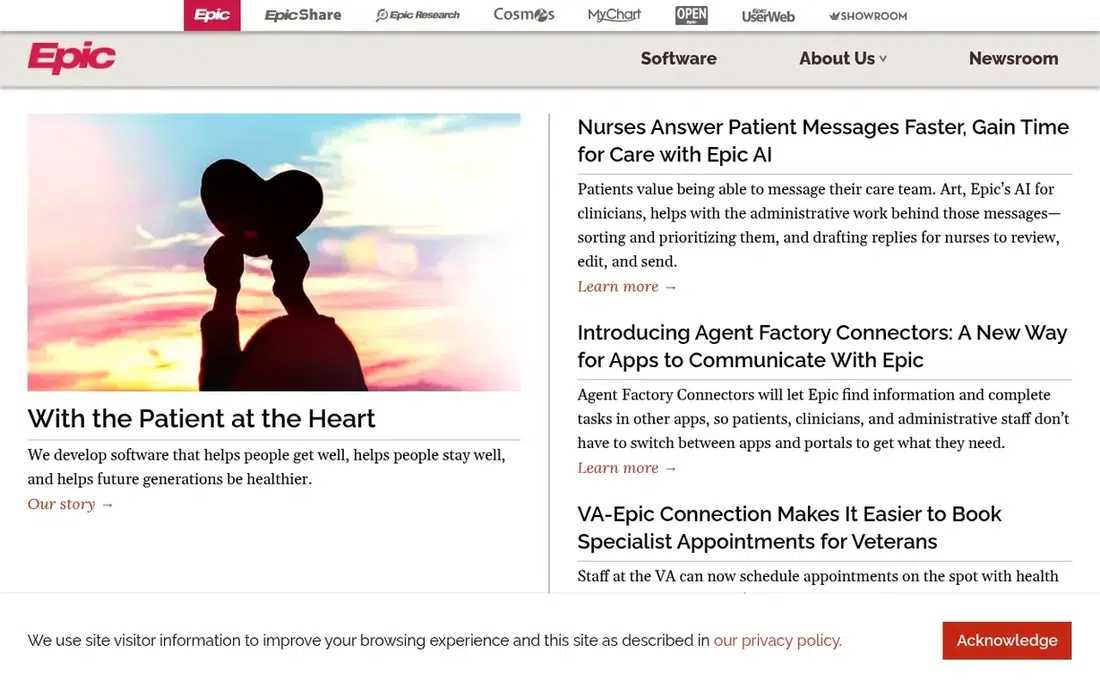
For Hospitals already on Epic, Epic MyChart is a natural candidate. The primary limit is environment fit: organizations not on Epic will find little value here, and the experience depends heavily on how each hospital configures the portal.
Limits to weigh: Configuration relies on the organization.
Epic MyChart is the patient-facing portal connected to Epic's clinical software, which the vendor describes as built to help people get well and stay well. It provides patients a single place to view information and communicate with care teams inside the Epic ecosystem. Epic MyChart shows no starting price here, so confirm the cost on the vendor site. As for free access: Not stated.
- Wide hospital adoption
- Patient-facing portal for records and messaging
- Tied to Epic environments
Oracle Cerner Patient Portal
Best for: Oracle Health organizations
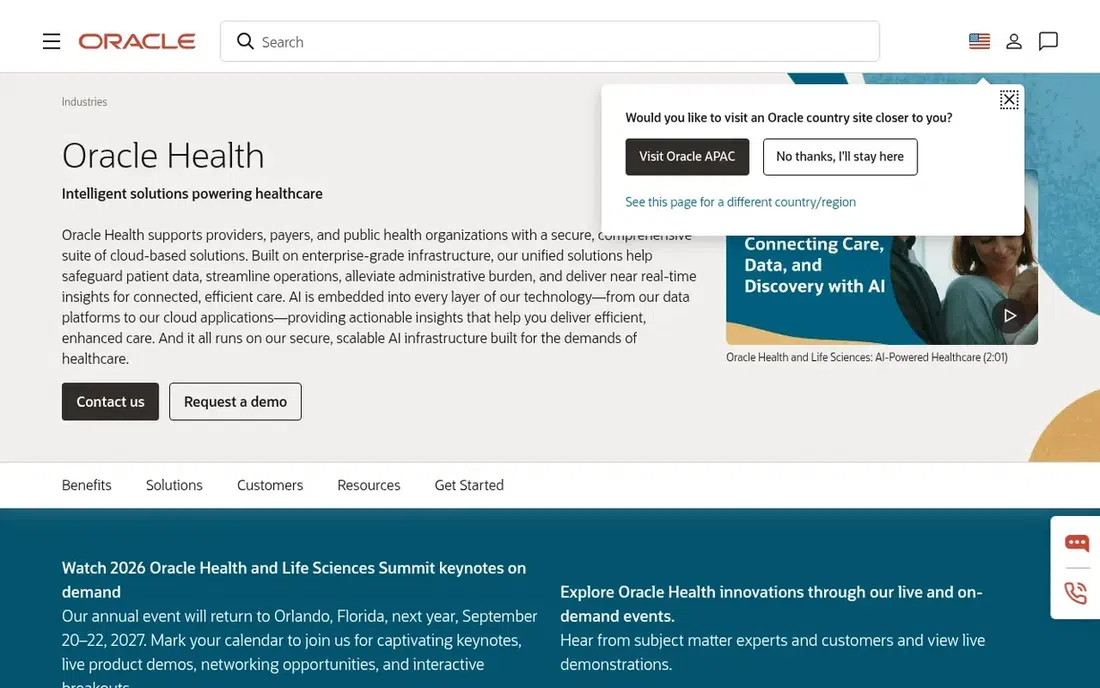
Pick Oracle Cerner Patient Portal if this describes you: Oracle Health organizations. Oracle Cerner Patient Portal sits within Oracle Health, which the vendor describes as advancing how health happens through secure and steady options and people-centric experiences. Organizations wanting light, standalone engagement or automatic outreach across several EHRs should weigh alternatives for example Artera or Luma Health.
Honest limits: Feature depth varies by deployment.
In daily use, Hospitals outside the Oracle Health ecosystem will get less from this portal, and the available functions rely on the deployment. On top of that, the portal hands patients access to their health information and links to the broader Oracle Health data environment. Oracle Cerner Patient Portal does not show a starting price in this comparison, so check the vendor site for current pricing. Free plan details: Not stated.
- Focus on secure
- Supports people-centric experiences
- Best value inside Oracle Health stacks
How we compared the tools
What to confirm before you sign up
- Confirm the entry price with every vendor: no tool from Klara to Oracle Cerner Patient Portal shows a fixed starting price.
- Before choosing Klara, weigh its main limit: overlaps with portal messaging.
- Test how quickly Klara answers a pre-sales question; it hints at how support will feel later.
- Before rolling out Oracle Cerner Patient Portal, verify the integrations your workflow depends on.
- Confirm you can export your data from Epic MyChart, so leaving later does not mean losing records.
FAQ
Can I try these tools before paying?
Not by default. None of the tools, from Klara to Oracle Cerner Patient Portal, lists a free plan or a free trial here, so ask each vendor for a demo before committing.
What should hospitals check before buying patient engagement software?
Confirm integration with your EHR, data security practices, the workflow changes required for staff and how patient messages are escalated to people.
Does any tool for patient engagement software for hospitals here have a free plan?
A permanent free plan is not offered by Klara, Oracle Cerner Patient Portal or the other tools here. Plan a short evaluation period instead.
Can these products work across multiple EHRs?
Some tools, including Artera and Luma Health, are positioned to work alongside several record systems, whereas Epic MyChart and Oracle Cerner Patient Portal are tied to their own environments.
Is Klara the right pick for everyone comparing patient engagement software for hospitals?
No single tool suits every team. Klara comes first because it fits reducing staff messaging workload, while Artera suits cross-EHR outreach automation and Luma Health suits automated patient communication. Match the tool to your own size, budget and workflow before deciding.
Do these tools publish their prices?
No. None of the tools, from Klara to Oracle Cerner Patient Portal, shows a fixed starting price here, so budget time for quotes.
Sources
- https://www.klara.com
- https://www.artera.io
- https://www.lumahealth.com
- https://www.phreesia.com
- https://www.epic.com
- https://www.oracle.com/health