Choosing Software Delivery Best Practices in 2026: 6 Options Compared
Comparing software delivery best practices? 6 contenders, each with entry cost, free tier and best-fit buyer. Includes honest limits for each tool. No filler.
- Editor's choice
 Argo CD
Declarative GitOps delivery for Kubernetes
Starts atSee websiteVisit argo-cd.readthedocs.ioFull review - Great alternativeJFrog Artifactory
Universal artifact and binary management
Starts at$50 a monthVisit jfrog.comFull review - Also consider
 CircleCI
Intelligent validation of every change
Starts at$15 per monthVisit circleci.comFull review
Direct answer
This list puts Argo CD first for Declarative GitOps delivery for Kubernetes. Listed starting prices: JFrog Artifactory from $50 a month, CircleCI from $15 per month and GitLab from $15 per user a month. If your case is different, JFrog Artifactory suits universal artifact and binary management and CircleCI suits intelligent validation of every change. The full list of 6 tools follows, with prices and free plan facts.
TL;DR:
- Argo CD sits first on this list: Declarative GitOps delivery for Kubernetes.
- For unified AI-driven SDLC management, Harness is worth a look.
- Starting prices begin at $4 per user per month with GitHub.
- JFrog Artifactory comes with a trade-off: specialized instead of a full delivery suite.
- Only 4 of the 6 tools have a free plan (CircleCI, GitLab, GitHub, Harness), so check the caps.
Last checked November 2026. Prices and plan details were read from the vendors' own pages in November 2026; vendors change plans often, so confirm the current price on the vendor site before you buy.
Quick comparison
| Tool | Best for | Starts at | Free plan? | |
|---|---|---|---|---|
| Argo CD | Declarative GitOps delivery for Kubernetes | See website | Not stated | Visit |
| JFrog Artifactory | Universal artifact and binary management | $50 a month | Not stated | Visit |
| CircleCI | Intelligent validation of every change | $15 per month | Yes | Visit |
 GitLab | Governed end-to-end lifecycle orchestration | $15 per user a month | Yes | Visit |
 GitHub | Code hosting with integrated automation | $4 per user a month | Yes | Visit |
 Harness | Unified AI-driven SDLC management | See website | Yes | Visit |
The full software delivery best practices list
LinkVetted put together this guide to software delivery best practices for readers who want a clear shortlist without reading every vendor page. It compares 6 tools on starting price, free plans, who each one suits and where each one falls short.
Argo CD is a good fit for Declarative GitOps delivery for Kubernetes. This approach supports best practices around auditable, reproducible deployments in cluster environments.
On top of that, Argo CD assumes Kubernetes and GitOps familiarity, so teams outside that ecosystem will find it a poor fit. It also centres on delivery instead of build and test automation, which must come from other tools. Pricing for Argo CD is not stated here, so ask the vendor for current figures. On free options: Not stated.
Watch-outs: Not a general-purpose CI system.
- Keeps cluster state aligned with Git
- Made for Kubernetes environments
- Needs Kubernetes familiarity
JFrog Artifactory
Best for: Universal artifact and binary management
JFrog Artifactory targets universal artifact and binary management. JFrog Artifactory is a universal artifact repository manager for the full lifecycle of software artifacts, binaries, AI/ML models, containers and packages. As for the details, smaller teams with simple artifact needs may find it more than necessary.
Choose it when artifact governance and multi-format support are central to your delivery process. Sound delivery practice bundles managing what you ship, and Artifactory addresses that layer straight. Artifactory is a repository manager, not a complete delivery product, so version control and pipelines come from elsewhere. JFrog Artifactory pricing: $50 per month. Free plan details: Not stated.
What users get: Handles artifacts; Includes binaries and AI/ML models.
What to check first: Specialized instead of a full delivery suite.
- Containers and packages
- Secure and scalable repository management
- Adds another system to administer
Pick CircleCI if this describes you: intelligent validation of every change. Delivery best practices around quick feedback and consistent testing map well to what the system emphasizes.
CircleCI concentrates on validation and delivery automation, so source control and artifact management come from other tools. Price to start with CircleCI: $15 per month. You can start on CircleCI without paying.
Limits to weigh: Pipeline configuration has a ramp-up time.
- Automation centred on validating changes
- Supports modern AI-era workflows
- Narrower than full lifecycle products
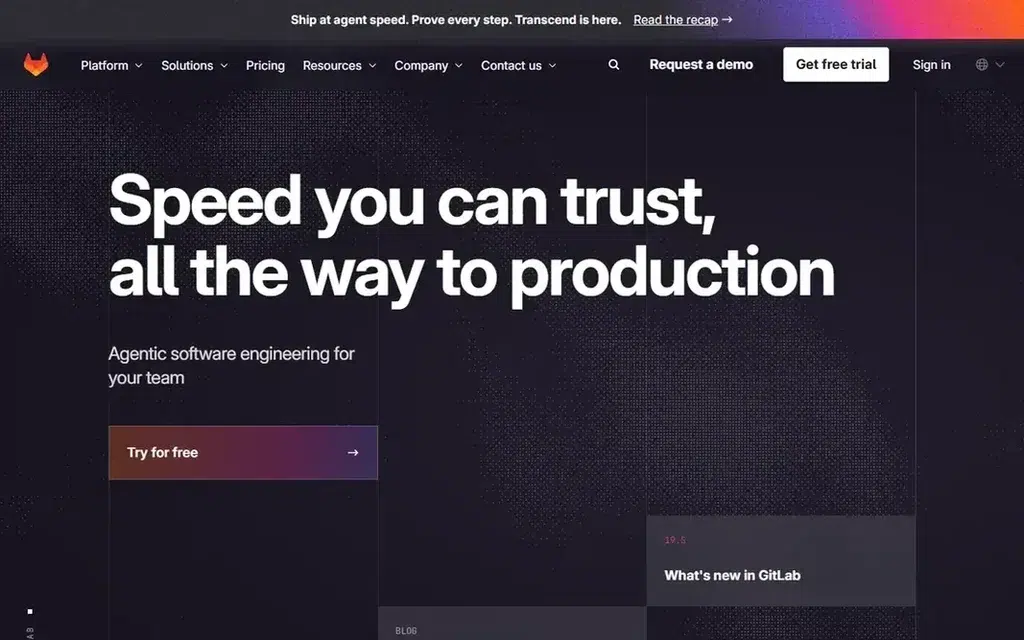
GitLab is built with governed end-to-end lifecycle orchestration in mind. GitLab presents itself as an intelligent orchestration system with context and governance for the whole software lifecycle, targeted at teams and agents shipping trusted software quicker.
Downsides: Configuration depth takes time to learn.
What you pay to start with GitLab: $15 per user per month. GitLab has a free plan.
- Single system for numerous delivery stages
- Context and governance across the lifecycle
- Wide scope can feel heavy for small teams
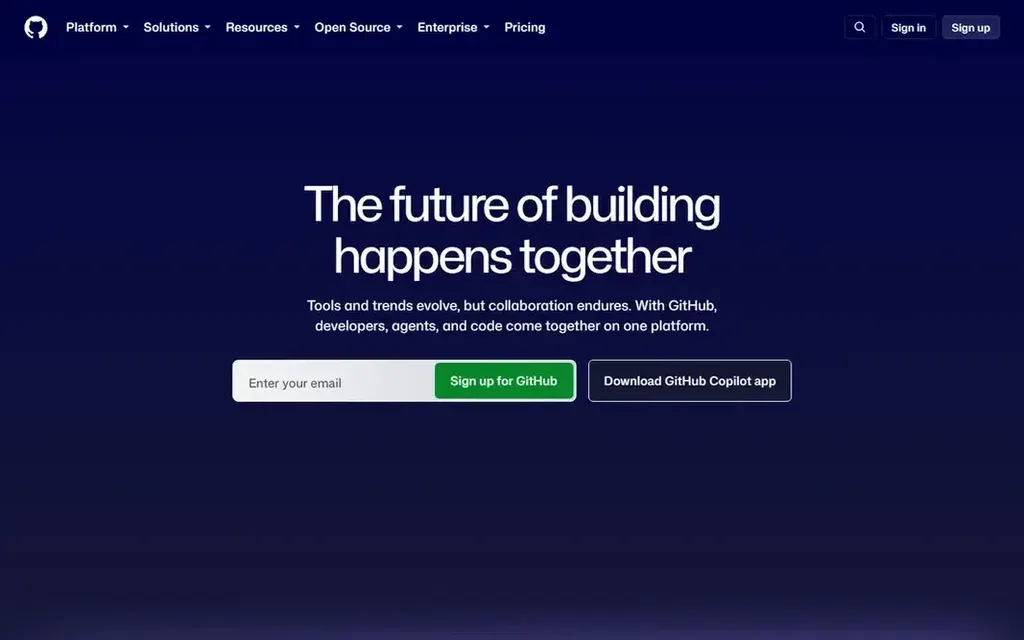
GitHub is designed for code hosting with integrated automation. Since GitHub concentrates on code and collaboration, deeper release orchestration or artifact management may call for companion tools.
Limits to weigh: Pipeline depth may need additional tooling.
What works well: Large open source ecosystem.
Starting cost for GitHub: $4 per user per month. GitHub includes a free tier.
- Merges repositories
- Review and automation
- Advanced controls add complexity
In short, Harness is for unified AI-driven SDLC management. Harness is a unified AI software delivery system that handles the software development lifecycle using purpose-built AI agents.
Drawbacks to consider: Broad product needs onboarding effort.
This comparison lists no price for Harness; ask the vendor. You can start on Harness without paying.
- Unified system for the SDLC
- Pitched at autonomous delivery
- Best value emerges at bigger scale
How the list was put together
We compared the tools on published pricing, free plan or trial availability, feature coverage for software delivery best practices, and the limits each vendor documents. Figures are shown as the vendors publish them. Billing terms, seat minimums and add-ons can change the real cost. The sequence is a judgement call: typical use case first, then pricing transparency, then free access. Use the profiles to check fit.
Before you commit
- Confirm the entry price on the vendor page. For Argo CD and Harness that means a quote rather than a fixed price.
- Read the fine print on the free plans from CircleCI, GitLab, GitHub and Harness; seat, project and feature caps differ.
- Read the limits listed for Argo CD first: needs Kubernetes familiarity.
- Ask GitLab whether prices are locked for the first term and what happens at renewal.
- Ask the daily users to test Argo CD on a live task before you roll it out to everyone.
FAQ
What is the cheapest option for software delivery best practices in this list?
On published monthly entry prices, GitHub is the lowest here at $4 per user per month. Entry price is only part of the cost, because seats, add-ons and billing terms can change the total. Prices, free plan details and limits for all 6 tools in this software delivery best practices roundup sit on the individual cards above.
Which options for software delivery best practices have a free plan?
CircleCI, GitLab, GitHub and Harness offer a free plan in this list. Free plans usually cap users, projects or features, so check the limits on the vendor page.
How are the tools for software delivery best practices ordered?
The order follows typical fit for software delivery best practices, with Argo CD first and Harness last, then price clarity and free access. It is editorial judgement, not a score, so another team could rank the tools differently.
How should I choose between a unified product and focused tools?
A unified product like GitLab or Harness can cut tool sprawl and centralize governance, at the cost of onboarding effort. Match the choice to team size, existing infrastructure and how much process consistency you need.
Is Argo CD the right pick for everyone comparing software delivery best practices?
No single tool suits every team. Argo CD comes first because it fits Declarative GitOps delivery for Kubernetes, while JFrog Artifactory suits universal artifact and binary management and CircleCI suits intelligent validation of every change. Match the tool to your own size, budget and workflow before deciding.
Sources
- https://argo-cd.readthedocs.io
- https://jfrog.com/artifactory
- https://circleci.com
- https://gitlab.com
- https://github.com
- https://www.harness.io