6 Programmatic Platforms for Healthcare Worth Shortlisting in 2026
Need the best programmatic platforms for healthcare? We compare 6 tools on cost, free access and who each suits. Concise write-ups of every option. Facts only.
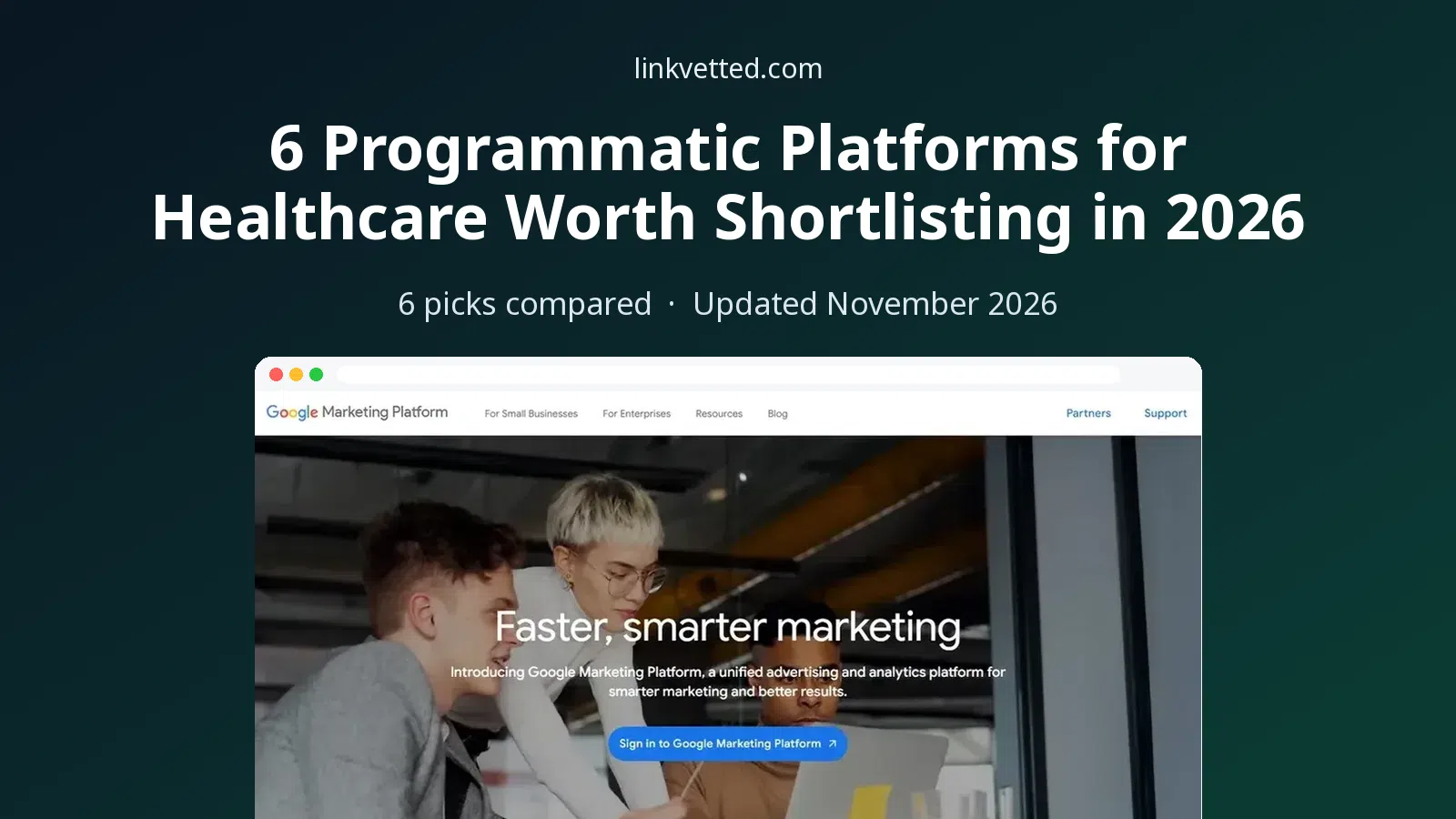
- Editor's choiceMediaMath
API-first control and transparency
Starts atPricing on requestVisit mediamath.comFull review - Great alternativeGoogle Display & Video 360
End-to-end campaign management
Starts atPricing on requestVisit marketingplatform.google.comFull review - Also consider
 Basis Technologies
Unified media automation
Starts atPricing on requestVisit basis.netFull review
Direct answer
MediaMath comes first here, mainly for API-first control and transparency. Google Display & Video 360 fits end-to-end campaign management; Basis Technologies fits unified media automation. All 6 tools are compared below on fit, free plan and limits. None of these vendors publish plan prices, so pricing is on request for every option.
TL;DR:
- MediaMath takes the first slot, best suited to API-first control and transparency.
- Every tool from MediaMath to StackAdapt works by quote, with no list price shown.
- StackAdapt suits AI-driven audience orchestration.
- What to know about The Trade Desk first: may need dedicated management.
Last checked November 2026. Pricing on request: vendors did not publish plan prices when this guide was last checked (November 2026), so ask each vendor for a written quote.
Quick comparison
| Tool | Best for | Starts at | Free plan? | |
|---|---|---|---|---|
| MediaMath | API-first control and transparency | Pricing on request | Not stated | Visit |
| Google Display & Video 360 | End-to-end campaign management | Pricing on request | Not stated | Visit |
| Basis Technologies | Unified media automation | Pricing on request | Not stated | Visit |
 The Trade Desk | Omnichannel brand and performance campaigns | Pricing on request | Not stated | Visit |
 Amazon DSP | Access to Amazon's shopper audiences | Pricing on request | Not stated | Visit |
 StackAdapt | AI-driven audience orchestration | Pricing on request | Not stated | Visit |
Every option for programmatic platforms for healthcare explained
Choosing programmatic platforms for healthcare usually comes down to price, fit and limits. This LinkVetted guide sets 6 tools side by side on those three points, with the facts kept short and checkable.
MediaMath
Best for: API-first control and transparency
MediaMath is designed for API-first control and transparency. The product's composable approach permits for tailored options that fit specific campaign needs.
For teams seeking out-of-the-box simplicity, other systems may be more appropriate. In practice, MediaMath is ideal for organizations that value customization and have the technical capacity to use it. This comparison lists no price for MediaMath; ask the vendor. On free options: Not stated.
Trade-offs to know: Needs technical expertise.
- AI-powered optimization
- Focus on transparency and adaptability
- May be less approachable for non-technical teams
Google Display & Video 360
Best for: End-to-end campaign management
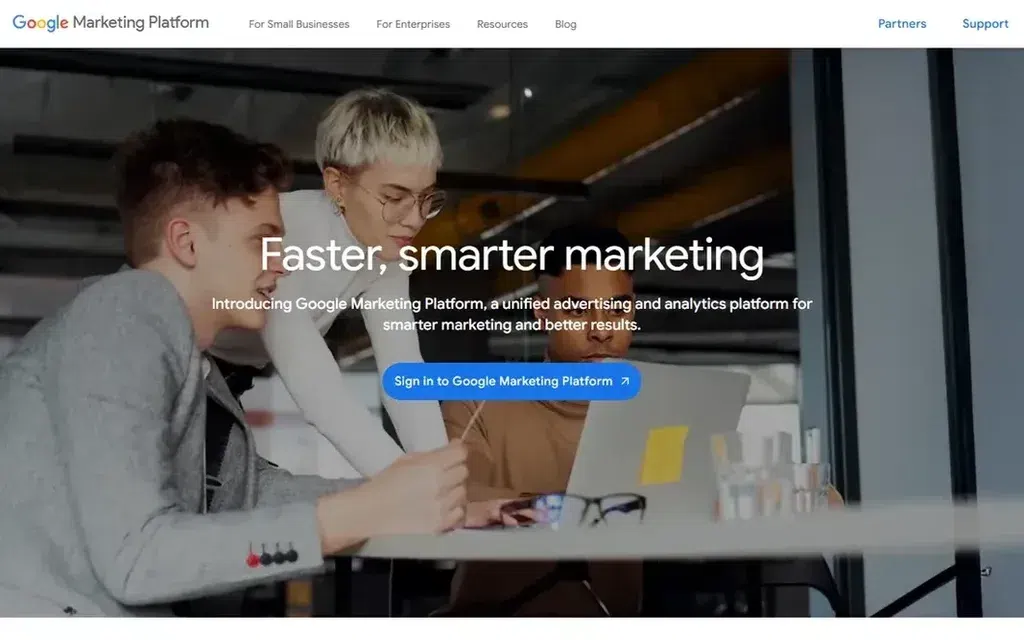
Google Display & Video 360 is designed for end-to-end campaign management. Google Display & Video 360 is an enterprise advertising product that supports media planning, creative development, measurement, and optimization in one place. On top of that, the product makes it possible for sophisticated audience targeting and live optimization across display, video, and connected TV.
Its depth and breadth can be daunting for smaller teams, and full utilization frequently needs specialized knowledge. Display & Video 360 is a strong match for large healthcare advertisers with dedicated programmatic teams. As for the details, for more straightforward campaigns or restricted resources, other products may offer a gentler ramp-up time. Pricing for Google Display & Video 360 is not stated here, so ask the vendor for current figures. On free options: Not stated.
Watch-outs: Complicated interface for new users.
- Capable creative and optimization features
- Integration with Google's ecosystem
- Requires expertise to completely use
In short, Basis Technologies is for unified media automation. The automation-first approach may not suit teams that prefer practical control over every campaign detail. For everyday use, Basis is a good match for mid-to-large healthcare organizations looking to unify media workflows and cut operational overhead.
It is well suited to healthcare advertisers seeking to simplify operations and cut manual tasks across several channels. The product's automation capabilities can boost efficiency and consistency in campaign management. Basis Technologies does not show a starting price in this comparison, so check the vendor site for current pricing. On free options: Not stated.
Where it is weaker: May be complicated to set up.
- Unified product for planning and reconciliation
- Simplifies workflow across channels
- Focus on automation might limit manual control
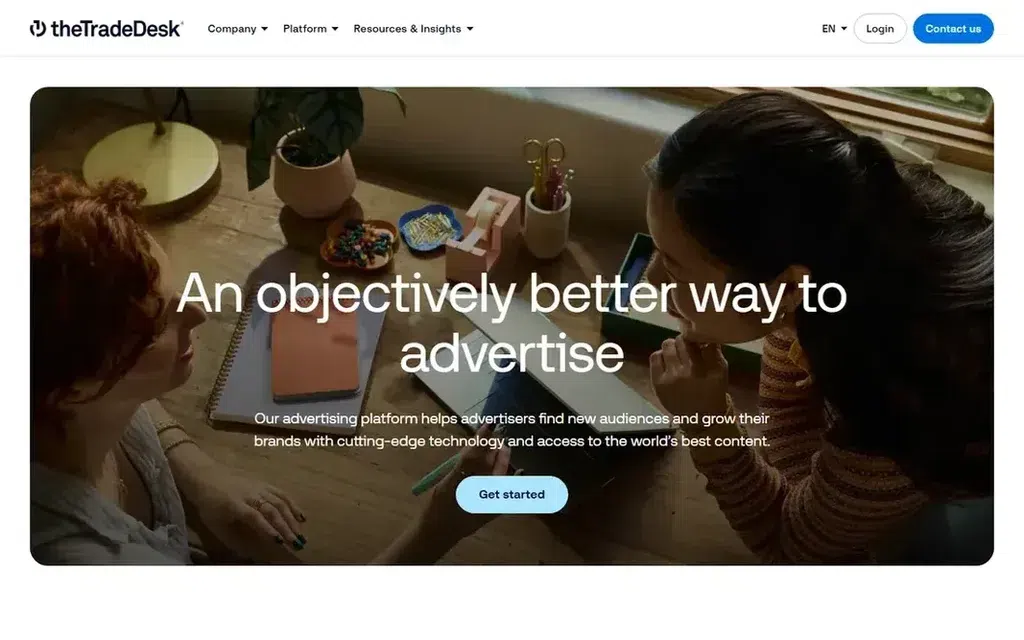
The Trade Desk was built for omnichannel brand and performance campaigns. The Trade Desk is an omnichannel demand-side system that supports brand building and performance marketing across connected TV, display, audio, and more. It is well-suited for healthcare advertisers seeking a single product to handle diverse campaigns with granular controls over inventory and data.
In practice, the product's emphasis on objectivity and reach makes it a solid choice for reaching patients and healthcare professionals. For more straightforward needs or tighter budgets, consider systems with more simplified interfaces. This comparison lists no price for The Trade Desk; ask the vendor. As for free access: Not stated.
Drawbacks to consider: May need dedicated management.
- Unified product for several channels
- Advanced audience targeting
- Complicated for beginners
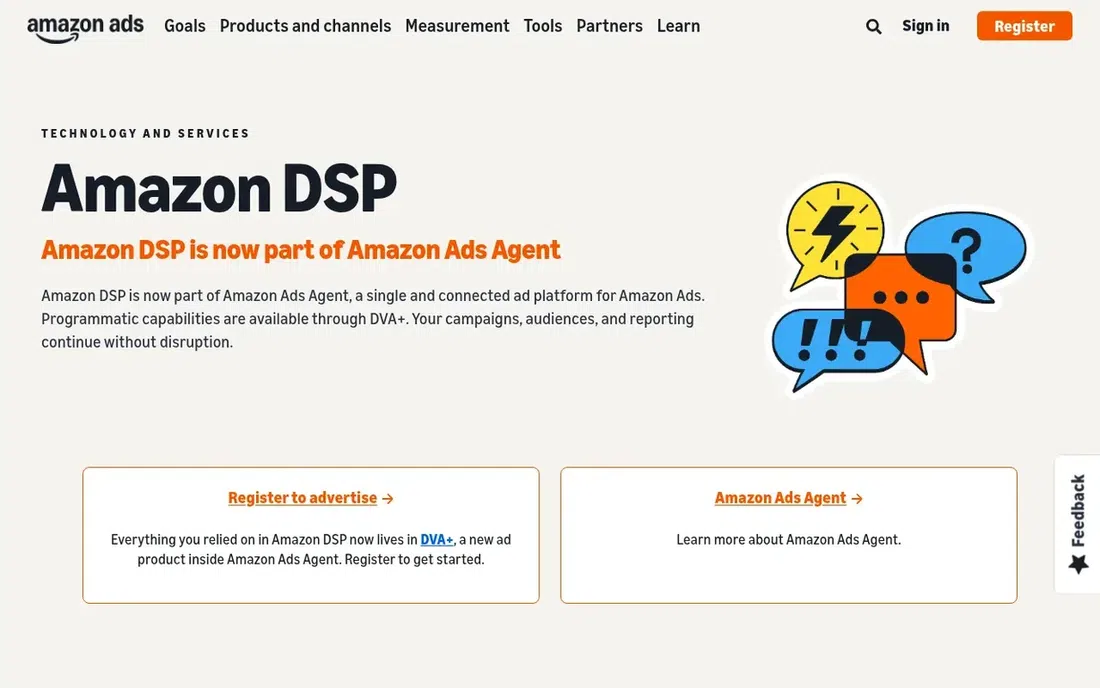
Amazon DSP works best for access to Amazon's shopper audiences. Amazon DSP is a demand-side system that programmatically buys ads to reach new and existing audiences on Amazon and external apps and websites. It is a strong match for healthcare brands looking to connect with health-conscious shoppers or those researching wellness products.
Downsides: Restricted to Amazon's data ecosystem.
Whereas feature-rich for e-commerce and retail-focused campaigns, Amazon DSP may be less a good match for wide awareness campaigns that don't align with shopping intent. Advertisers should also be prepared for potential minimum spend requirements. No starting price is listed for Amazon DSP here; confirm pricing on the vendor site. Free plan details: Not stated.
- Integrated with Amazon's ad ecosystem
- Reaches audiences on and off Amazon
- May require minimum spend commitments
Think of StackAdapt for AI-driven audience orchestration. It is especially handy for healthcare marketers looking to automate and optimize campaigns across display, native, video, and connected TV.
StackAdapt is a good match for teams seeking efficiency and AI-powered insights in an approachable interface. StackAdapt does not show a starting price in this comparison, so check the vendor site for current pricing. As for free access: Not stated.
The main drawbacks: May lack some advanced DSP features.
- Unified system for several channels
- Focus on audience and creative optimization
- Less right for highly customized setups
Selection criteria
We compared the tools on published pricing, free plan or trial availability, feature coverage for programmatic platforms for healthcare, and the limits each vendor documents. Figures are shown as the vendors publish them. Billing terms, seat minimums and add-ons can change the real cost. The ranking is editorial: typical fit first, then clear pricing, then free access. If your needs are unusual, read the profiles rather than relying on position.
Questions to settle before buying
- Request quotes from MediaMath, StackAdapt and the others; the list shows no fixed prices.
- Read the limits listed for MediaMath first: needs technical expertise.
- Check whether StackAdapt bills monthly or annually, and what cancelling early costs.
- Map your must-have features to a specific Google Display & Video 360 plan before you compare prices.
- Check how data leaves Amazon DSP: formats, limits and whether exports are available on every plan.
FAQ
Are there programmatic platforms that specialize in healthcare?
Whereas some products have features tailored to healthcare, plenty of general-purpose DSPs can be configured for healthcare campaigns. The key is to evaluate each system's compliance tools, audience data, and targeting choices to ensure they meet your needs.
Can I try these tools before paying?
Not by default. None of the tools, from MediaMath to StackAdapt, lists a free plan or a free trial here, so ask each vendor for a demo before committing.
Do these tools publish their prices?
No. None of the tools, from MediaMath to StackAdapt, shows a fixed starting price here, so budget time for quotes.
Is MediaMath the right pick for everyone comparing programmatic platforms for healthcare?
No single tool suits every team. MediaMath comes first because it fits API-first control and transparency, while Google Display & Video 360 suits end-to-end campaign management and Basis Technologies suits unified media automation. Match the tool to your own size, budget and workflow before deciding.
Can programmatic products be used for patient recruitment?
Yes, plenty of programmatic systems can be used for patient recruitment by targeting audiences based on health interests, demographics, and location. Even so, advertisers must ensure compliance with privacy laws and avoid targeting sensitive conditions without proper safeguards.
Does any tool for programmatic platforms for healthcare here have a free plan?
A permanent free plan is not offered by MediaMath, StackAdapt or the other tools here. Plan a short evaluation period instead.
Sources
- https://www.mediamath.com
- https://marketingplatform.google.com/about/display-video-360
- https://basis.net
- https://www.thetradedesk.com
- https://advertising.amazon.com/solutions/products/amazon-dsp
- https://www.stackadapt.com