Choosing Platforms for Online Store in 2026: 6 Options Compared
Best platforms for online store in 2026: 6 contenders with entry costs and free tiers. Every profile names its biggest catch. Pricing and limits included.
- Editor's choice
 BigCommerce
Scalable commerce for expanding brands
Starts atSee websiteVisit bigcommerce.comFull review - Great alternative
 Adobe Commerce
Enterprise B2B and B2C options
Starts atSee websiteVisit business.adobe.comFull review - Also consider
 Salesforce Commerce Cloud
Enterprise commerce integrated with CRM
Starts atSee websiteVisit salesforce.comFull review
Direct answer
If you need scalable commerce for expanding brands, BigCommerce is the first tool to look at here. Listed starting prices: WooCommerce from $29 a month and Shopify from $19 a month. Alternatives: Adobe Commerce for enterprise B2B and B2C options, and Salesforce Commerce Cloud for enterprise commerce integrated with CRM. The remaining 3 options are covered below with prices and limits.
TL;DR:
- Top of the list is BigCommerce, which targets scalable commerce for expanding brands.
- Shopify has the lowest monthly starting price in this list: $19 per month.
- A permanent free plan is missing from all 6 tools, BigCommerce and Wix eCommerce included; plan for a trial or a premium start.
- One limit worth knowing about Salesforce Commerce Cloud: high cost and complexity.
- Wix eCommerce fits all-in-one website builder with ecommerce.
Last checked November 2026. Prices and plan details were read from the vendors' own pages in November 2026; vendors change plans often, so confirm the current price on the vendor site before you buy.
Quick comparison
| Tool | Best for | Starts at | Free plan? | |
|---|---|---|---|---|
| BigCommerce | Scalable commerce for expanding brands | See website | Not stated | Visit |
| Adobe Commerce | Enterprise B2B and B2C options | See website | Not stated | Visit |
| Salesforce Commerce Cloud | Enterprise commerce integrated with CRM | See website | Not stated | Visit |
 WooCommerce | Open-source adaptability on WordPress | $29 a month | Not stated | Visit |
 Shopify | All-in-one hosted ecommerce | $19 a month | Free trial | Visit |
 Wix eCommerce | All-in-one website builder with ecommerce | See website | Not stated | Visit |
Tool-by-tool breakdown
Choosing platforms for online store usually comes down to price, fit and limits. This LinkVetted guide sets 6 tools side by side on those three points, with the facts kept short and checkable.
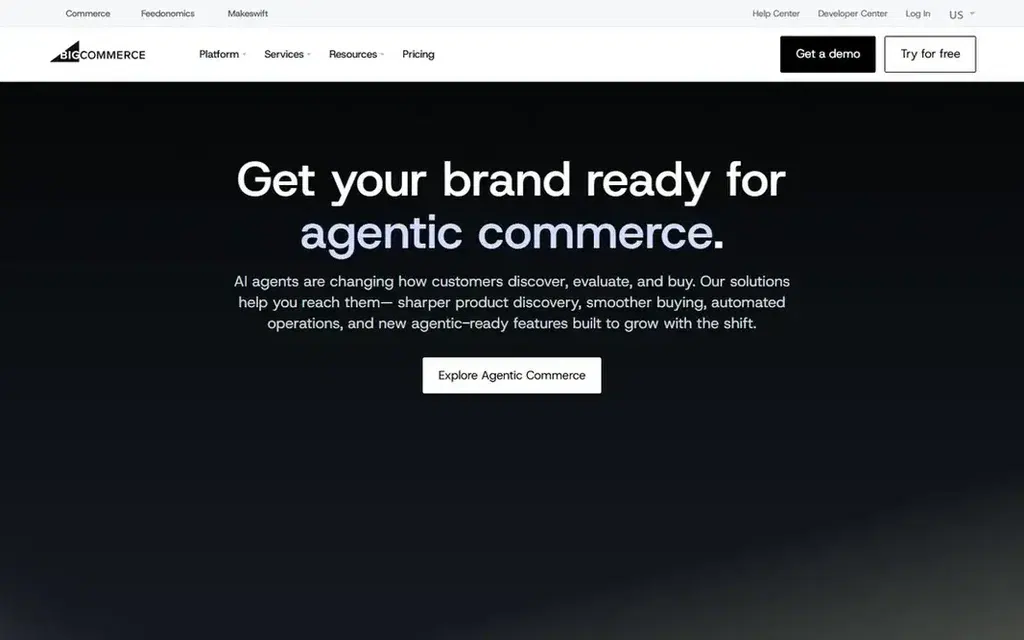
BigCommerce is designed for scalable commerce for expanding brands. The product fits mid-size to large merchants looking for solid, enterprise-ready features without the complexity of a completely custom build.
It is made for firms that require room to grow and want to run several storefronts or expand internationally. No starting price is listed for BigCommerce here; confirm pricing on the vendor site. Trial and free access: Not stated.
Where it falls short: Can be complicated for small keeps.
- Supports several brands and regions
- Modern buying experiences
- May need extras for advanced features
In short, Adobe Commerce is for enterprise B2B and B2C options. The system gives you deep customization and integration choices, and it is built to manage high-volume, multi-channel commerce operations. More specifically, Adobe Commerce, formerly known as Magento, is an AI-powered composable ecommerce system for B2B and B2C companies.
What to check first: Needs dedicated development team.
It gives personalized experiences at global scale, making it a good match for large enterprises with complicated requirements. For everyday use, if you need a more managed or more straightforward enterprise option, consider Salesforce Commerce Cloud or BigCommerce. Worth adding: Adobe Commerce is complex and generally needs significant technical resources and a dedicated development team to implement and maintain. It may be overkill for small or mid-size firms. This comparison lists no price for Adobe Commerce; ask the vendor. On free options: Not stated.
- AI-powered composable system
- Personalized experiences at global scale
- High complexity and resource needs
Choose Salesforce Commerce Cloud for enterprise commerce integrated with CRM. Salesforce Commerce Cloud is an enterprise commerce product that is part of the broader Salesforce ecosystem. Salesforce Commerce Cloud is recognised for its high cost and implementation complexity, frequently requiring specialized expertise and significant resources.
It may not be practical for small or mid-size companies. For everyday use, if you need a more accessible enterprise system, Adobe Commerce or BigCommerce could be alternatives. Salesforce Commerce Cloud shows no starting price here, so confirm the cost on the vendor site. As for free access: Not stated.
What to check first: High cost and complexity.
- Enterprise-grade scalability
- Unified commerce capabilities
- Needs specialized expertise
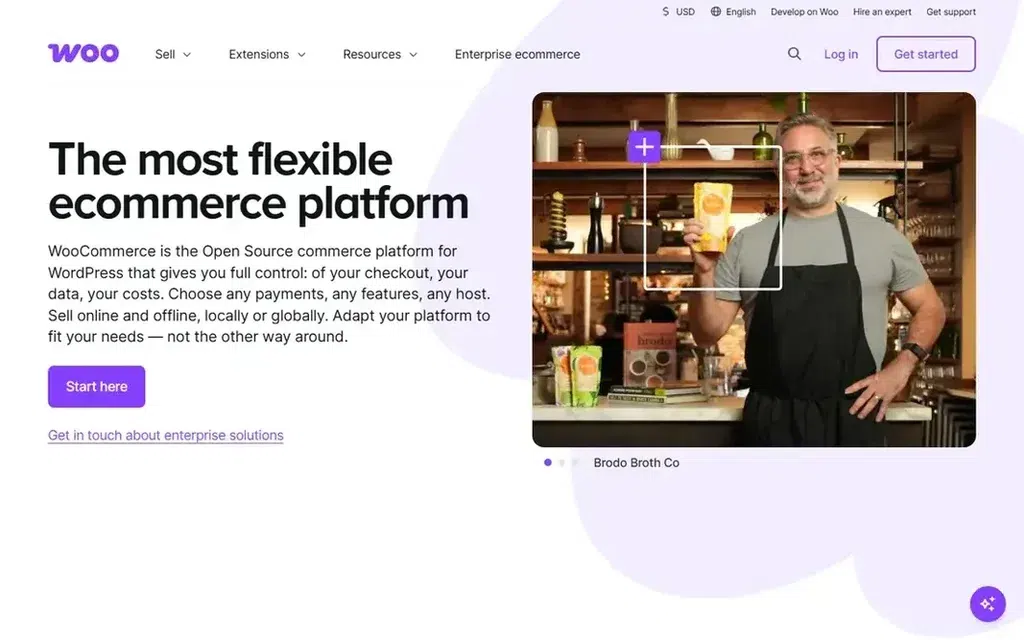
WooCommerce targets open-source adaptability on WordPress. If you prefer a hands-off approach, a hosted choice like Shopify might be a better fit. WooCommerce is an open-source ecommerce system meant to help merchants and developers build successful firms for the long term.
Trade-offs to know: More technical setup and maintenance.
This makes it a decent choice for companies that want deep customization and are comfortable managing their own technical stack. It is especially widely used among developers and agencies. It may not be ideal for users seeking a completely managed, turnkey product. Starting cost for WooCommerce: $29 per month. On free options: Not stated.
- Open-source system
- Designed for merchants and developers
- Requires WordPress hosting

Pick Shopify if this describes you: all-in-one hosted ecommerce. Shopify is a hosted commerce product that offers tools to build and grow a business online. This makes it a solid fit for merchants who want a single, integrated system without managing their own hosting or infrastructure.
Honest limits: Monthly subscription required.
In daily use, some advanced customizations may need apps or development work. Since it is a hosted system, you have less control over the server environment and must work within Shopify's ecosystem. Price to start with Shopify: $19 per month. Free access: Free trial.
- All-in-one commerce product
- AI-powered tools for business management
- Less control over hosting environment
In short, Wix eCommerce is for all-in-one website builder with ecommerce. Wix eCommerce is an all-in-one ecommerce product that lets you create a completely configurable online store using the Wix website builder. It bundles tools to start selling across several channels and is made for users who want an integrated option without technical complexity.
What to check first: May lack advanced enterprise features.
More specifically, if you need deep external integrations or complicated B2B functionality, consider other choices. Worth adding: some advanced features may be limited compared with dedicated commerce systems. Wix eCommerce shows no starting price here, so confirm the cost on the vendor site. As for free access: Not stated.
- All-in-one product
- Integrated website builder
- Restricted open-source customization
Selection criteria
We compared the tools on published pricing, free plan or trial availability, feature coverage for platforms for online store, and the limits each vendor documents. Where a vendor does not publish a price, the entry says quote. Where a price depends on seats or billing term, the entry says so. The ranking is editorial: typical fit first, then clear pricing, then free access. If your needs are unusual, read the profiles rather than relying on position.
Pre-purchase checklist
- Ask BigCommerce, Adobe Commerce, Salesforce Commerce Cloud and Wix eCommerce for a written quote, since no starting price is shown.
- Run a trial of Shopify with real work before paying for a year; your own workflow is the best test.
- Read the limits listed for BigCommerce first: can be complicated for small keeps.
- Total up the real monthly cost of Salesforce Commerce Cloud, including add-ons, extra users and usage-based fees.
- Check whether Shopify bills monthly or annually, and what cancelling early costs.
FAQ
Does any tool for platforms for online store here have a free plan?
No tool in this list, BigCommerce and Wix eCommerce included, has a permanent free plan. Shopify offer a trial. Trials and quotes are the usual route, so plan a short evaluation period.
What is the cheapest option for platforms for online store in this list?
On published monthly entry prices, Shopify is the lowest here at $19 per month. Entry price is only part of the cost, because seats, add-ons and billing terms can change the total. For the full picture, the cards above cover all 6 entries of this platforms for online store list, including price, free plan and limits.
Should I choose WooCommerce or Shopify?
WooCommerce is ideal if you want open-source control and are comfortable with WordPress and technical maintenance. Your choice relies on how much control and responsibility you want.
Do these tools publish their prices?
Not all of them. BigCommerce, Adobe Commerce, Salesforce Commerce Cloud and Wix eCommerce publish no starting price, so expect a quote request for those. The rest, WooCommerce included, show a starting price, though seats and billing terms still change the final cost.
Can I try these tools before paying?
Often, yes. Shopify offers a free trial. Use your own data and a real task during the test, and check what the free tier or trial limits before you rely on it. Prices, free plan details and limits for all 6 tools in this platforms for online store roundup sit on the individual cards above.
Sources
- https://www.bigcommerce.com
- https://business.adobe.com/products/magento/magento-commerce.html
- https://www.salesforce.com/commerce
- https://woocommerce.com
- https://www.shopify.com
- https://www.wix.com/ecommerce