Choosing Multimodal AI Platforms in the United States in 2026: 5 Options Compared
Best multimodal AI platforms in the united states: 5 tools compared on price, free plans and fit. Hidden costs and gaps are flagged. Straight answers.
- Editor's choice
 Anthropic Claude
Safety-focused multimodal reasoning
Starts at$17 per monthVisit anthropic.comFull review - Great alternative
 Mistral AI
Open-weight models with deployment control
Starts at$14.99 a monthVisit mistral.aiFull review - Also consider
 Google Gemini
Accessible multimodal assistant for general use
Starts atSee websiteVisit gemini.google.comFull review
Direct answer
For safety-focused multimodal reasoning, Anthropic Claude is where this list starts. Listed starting prices: Anthropic Claude from $17 per month and Mistral AI from $14.99 a month. Mistral AI is better for open-weight models with deployment control, and Google Gemini is better for accessible multimodal assistant for general use. The full list of 5 tools follows, with prices and free plan facts.
TL;DR:
- Anthropic Claude sits first on this list: safety-focused multimodal reasoning.
- Only 2 of the 5 tools have a free plan (Anthropic Claude, Mistral AI), so check the caps.
- For the cheapest start, look at Mistral AI: $14.99 per month.
- For enterprise AI with private, secure customization, Cohere is worth a look.
Last checked November 2026. Prices and plan details were read from the vendors' own pages in November 2026; vendors change plans often, so confirm the current price on the vendor site before you buy.
Quick comparison
| Tool | Best for | Starts at | Free plan? | |
|---|---|---|---|---|
| Anthropic Claude | Safety-focused multimodal reasoning | $17 per month | Yes | Visit |
| Mistral AI | Open-weight models with deployment control | $14.99 a month | Yes | Visit |
| Google Gemini | Accessible multimodal assistant for general use | See website | Not stated | Visit |
| Microsoft Azure AI | Enterprise AI app development with prebuilt tools | See website | Free trial | Visit |
 Cohere | Enterprise AI with private, secure customization | See website | Not stated | Visit |
Multimodal AI Platforms in the United States, one by one
LinkVetted compared 5 multimodal AI platforms in the united states. The goal is a practical shortlist: published prices, free plan facts, best-fit use cases and honest limits for every entry.
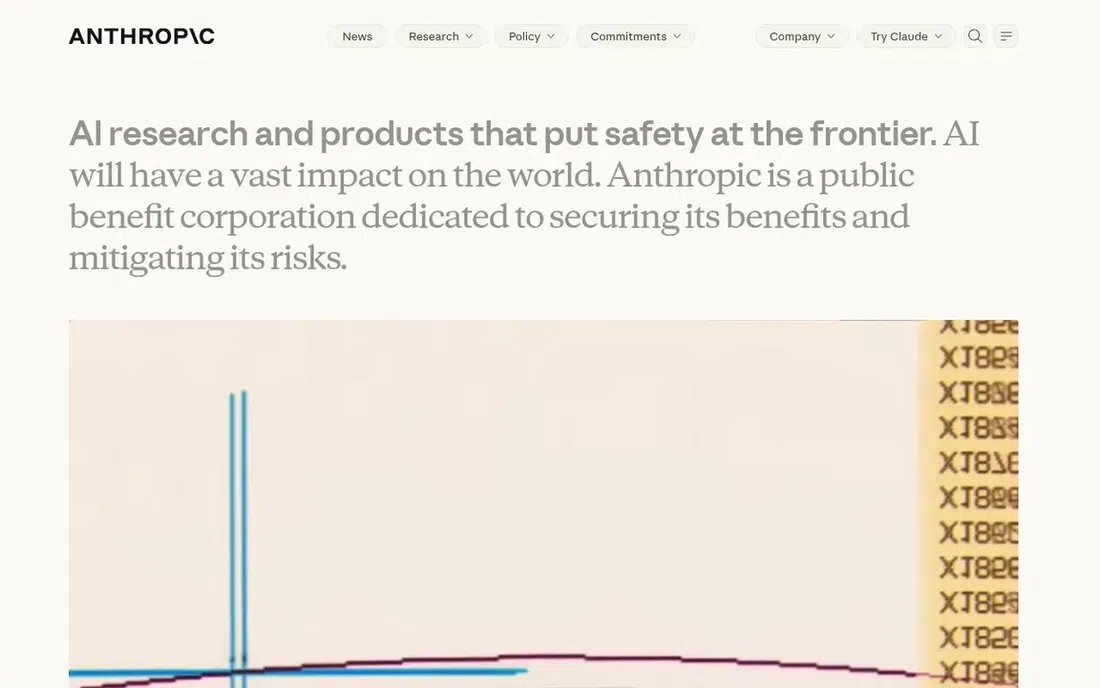
Where Anthropic Claude fits: safety-focused multimodal reasoning. Anthropic Claude is built by an AI safety and research company centred on creating steady, interpretable, and steerable AI systems.
Limits to weigh: Less focus on prebuilt enterprise tools.
In daily use, Claude is noted for its thoughtful handling of complicated reasoning tasks. As for the details, Whereas Claude excels in safety and interpretability, it may not offer the same breadth of multimodal features or prebuilt enterprise tools as products like Microsoft Azure AI. The starting price for Anthropic Claude: $17 per month. Anthropic Claude includes a free tier.
- Solid emphasis on AI safety
- Steady and interpretable outputs
- Restricted multimodal capabilities compared with some peers
Mistral AI works best for open-weight models with deployment control. Mistral AI is noted for its focus on open models and adaptable deployment.
In practice, Mistral AI is a strong match for organizations with the expertise to run their own model deployments. Mistral AI pricing: $14.99 per month. Mistral AI offers a free plan.
Downsides: Restricted prebuilt multimodal tools.
- Open-weight models
- Deploy on-prem or in VPC
- Less brand recognition
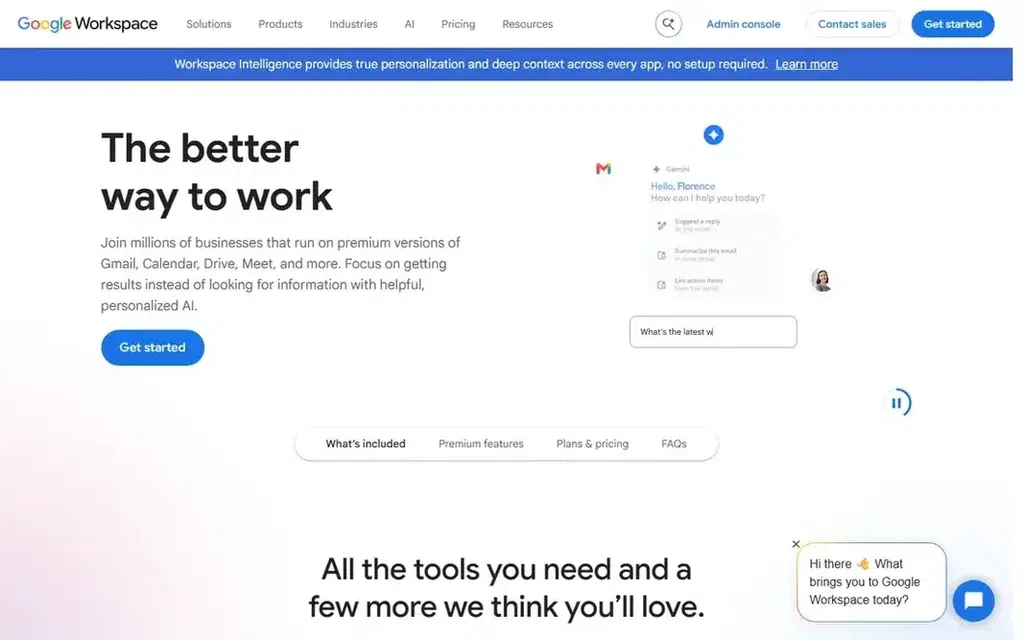
Choose Google Gemini for accessible multimodal assistant for general use. Google Gemini is a multimodal AI system from Google, designed to manage text, images, and other data types in a unified assistant.
Limits to weigh: Feature set varies by access method.
Even so, Gemini may offer less customization for enterprise-specific workflows compared with dedicated cloud AI systems. No starting price is listed for Google Gemini here; confirm pricing on the vendor site. Trial and free access: Not stated.
- Widely accessible
- Supports several data types
- Restricted enterprise customization
Microsoft Azure AI
Best for: Enterprise AI app development with prebuilt tools
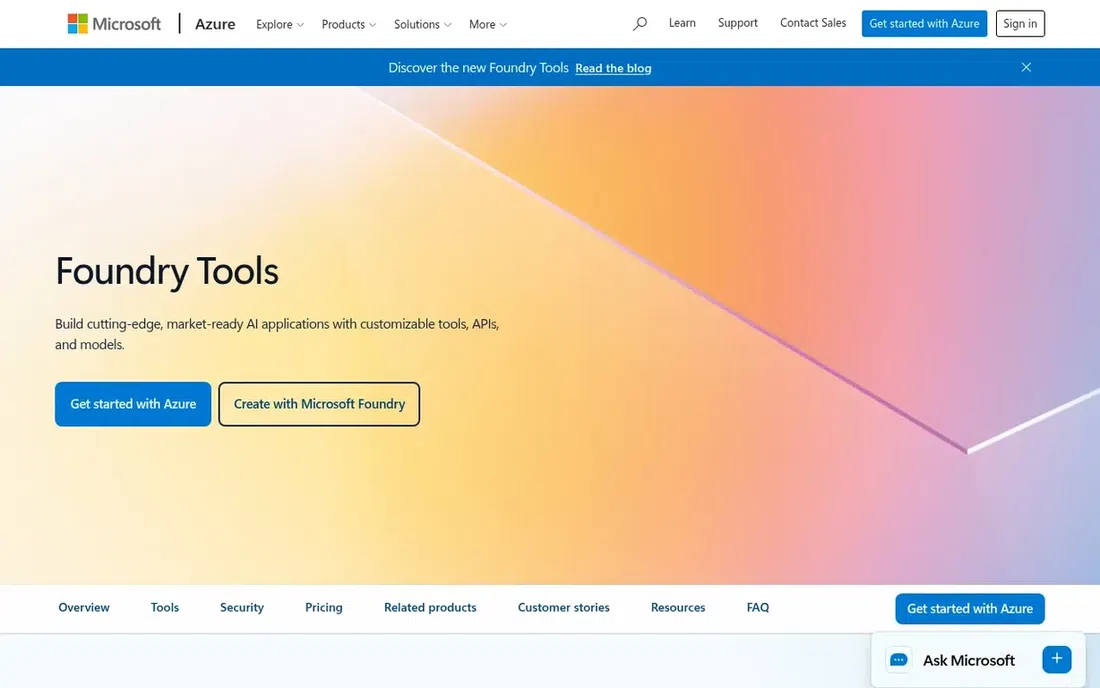
Microsoft Azure AI targets enterprise AI app development with prebuilt tools. Organizations seeking more straightforward, more focused multimodal systems might prefer Google Gemini or Anthropic Claude.
What to check first: Complex pricing structure.
The product supports multimodal capabilities through several cognitive services. No starting price is listed for Microsoft Azure AI here; confirm pricing on the vendor site. Free access: Free trial.
- Integration with Azure ecosystem
- Thorough API access
- Needs Azure familiarity
Cohere is a good fit for enterprise AI with private, secure customization. Cohere builds feature-rich models and AI options enabling enterprises to automate processes, enable employees, and turn fragmented data into actionable insights. Also, Cohere is a good match for enterprises seeking secure, configurable language AI with capable data governance.
Cohere's focus on enterprise text processing means its multimodal capabilities may be less developed compared with systems like Google Gemini or Microsoft Azure AI. Also, Cohere emphasizes enterprise-grade deployment and data privacy. Also, organizations needing solid image and video analysis might look elsewhere. Cohere shows no starting price here, so confirm the cost on the vendor site. Trial and free access: Not stated.
Points against: Less emphasis on multimodal capabilities.
- Configurable models
- Data insight extraction
- Restricted consumer-facing presence
How we compared the tools
LinkVetted looked at what each vendor publishes: pricing, plan limits, feature coverage for multimodal AI platforms in the united states and stated drawbacks. No hands-on testing is claimed. Treat prices as a snapshot: vendors change plans often, so check the vendor site for the figure that applies today. The order reflects how well each tool fits the most common buying scenario for multimodal AI platforms in the united states, then price clarity, then free plan access. It is a starting point, not a verdict.
Questions to settle before buying
- Get a written quote from Google Gemini, Microsoft Azure AI and Cohere; the list shows no starting price for them.
- Read the fine print on the free plans from Anthropic Claude and Mistral AI; seat, project and feature caps differ.
- Run a trial of Microsoft Azure AI with real work before paying for a year; your own workflow is the best test.
- Read the limits listed for Anthropic Claude first: restricted multimodal capabilities compared with some peers.
- Let daily users try Google Gemini on real work; their feedback beats any feature checklist.
- Check how data leaves Cohere: formats, limits and whether exports are available on every plan.
FAQ
Which options for multimodal AI platforms in the united states have a free plan?
Anthropic Claude and Mistral AI offer a free plan in this list. Free plans usually cap users, projects or features, so check the limits on the vendor page. One other tool offers a trial instead.
Which platform is a good match for enterprises new to multimodal AI?
Anthropic Claude is the pick this page puts first, mainly for safety-focused multimodal reasoning. If your situation differs, Mistral AI suits open-weight models with deployment control, and Google Gemini suits accessible multimodal assistant for general use. Compare price and limits before you decide.
Is Anthropic Claude the right pick for everyone comparing multimodal AI platforms in the united states?
No single tool suits every team. Anthropic Claude comes first because it fits safety-focused multimodal reasoning, while Mistral AI suits open-weight models with deployment control and Google Gemini suits accessible multimodal assistant for general use. Match the tool to your own size, budget and workflow before deciding.
Can I try these tools before paying?
Often, yes. Anthropic Claude and Mistral AI have a free plan and Microsoft Azure AI offers a free trial. Use your own data and a real task during the test, and check what the free tier or trial limits before you rely on it.
How are the tools for multimodal AI platforms in the united states ordered?
The order follows typical fit for multimodal AI platforms in the united states, with Anthropic Claude first and Cohere last, then price clarity and free access. It is editorial judgement, not a score, so another team could rank the tools differently.
What is a multimodal AI system?
A multimodal AI product can process and produce several types of data, for example text, images, and audio, within a single system.
Sources
- https://www.anthropic.com
- https://mistral.ai
- https://gemini.google.com
- https://azure.microsoft.com/en-us/products/ai-services
- https://cohere.com