The 6 Best Inventory Management Software for Ecommerce Brands in 2026, Ranked
6 best inventory management software for ecommerce brands, with entry costs, free tiers and the buyer each one serves. A comparison table is included.
- Editor's choice
 Brightpearl
Multichannel retail operations
Starts atSee websiteVisit brightpearl.comFull review - Great alternative
 Fishbowl Inventory
QuickBooks and Xero users
Starts at$229 a monthVisit fishbowlinventory.comFull review - Also consider
 NetSuite
Bigger brands needing full ERP
Starts atSee websiteVisit netsuite.comFull review
Direct answer
Brightpearl comes first here, mainly for multichannel retail operations. Listed starting prices: Fishbowl Inventory from $229 a month, Cin7 from $349 a month and Ordoro from $59 per month. Alternatives: Fishbowl Inventory for QuickBooks and Xero users, and NetSuite for bigger brands needing full ERP. Prices, free plans and limits for all 6 tools follow.
TL;DR:
- Brightpearl takes the first slot, best suited to multichannel retail operations.
- For the cheapest start, look at Shopify: $19 per month.
- Brightpearl, Shopify and the 4 others all need a premium plan or a trial, since no free plan is listed.
- What to know about Cin7 first: feature depth varies by business size.
Last checked November 2026. Prices and plan details were read from the vendors' own pages in November 2026; vendors change plans often, so confirm the current price on the vendor site before you buy.
Quick comparison
| Tool | Best for | Starts at | Free plan? | |
|---|---|---|---|---|
| Brightpearl | Multichannel retail operations | See website | Not stated | Visit |
| Fishbowl Inventory | QuickBooks and Xero users | $229 a month | Not stated | Visit |
| NetSuite | Bigger brands needing full ERP | See website | Not stated | Visit |
 Cin7 | Multichannel stock simplifying | $349 a month | No | Visit |
 Ordoro | Shipping and dropshipping automation | $59 per month | Free trial | Visit |
 Shopify | Brands selling on Shopify | $19 a month | Free trial | Visit |
Tool-by-tool breakdown
Choosing inventory management software for ecommerce brands usually comes down to price, fit and limits. This LinkVetted guide sets 6 tools side by side on those three points, with the facts kept short and checkable.
Choose Brightpearl for multichannel retail operations. Brands needing only straightforward inventory counts may prefer a lighter commerce-native choice. For everyday use, Brightpearl by Sage is a retail ERP for multichannel retailers that runs inventory, orders, purchasing and finance from one source of truth.
Highlights: orders and purchasing together.
Drawbacks to consider: Retail ERP scope may overwhelm tiny sellers.
Ecommerce brands selling through multiple channels can handle stock and orders together whereas keeping finance connected. For everyday use, as a retail ERP, its scope is broader than an entry-level stock tracker, which can mean more setup effort for very small teams. Brightpearl shows no starting price here, so confirm the cost on the vendor site. Free options: Not stated.
- Finance in one source of truth
- Cuts manual work
- Needs organized operational data
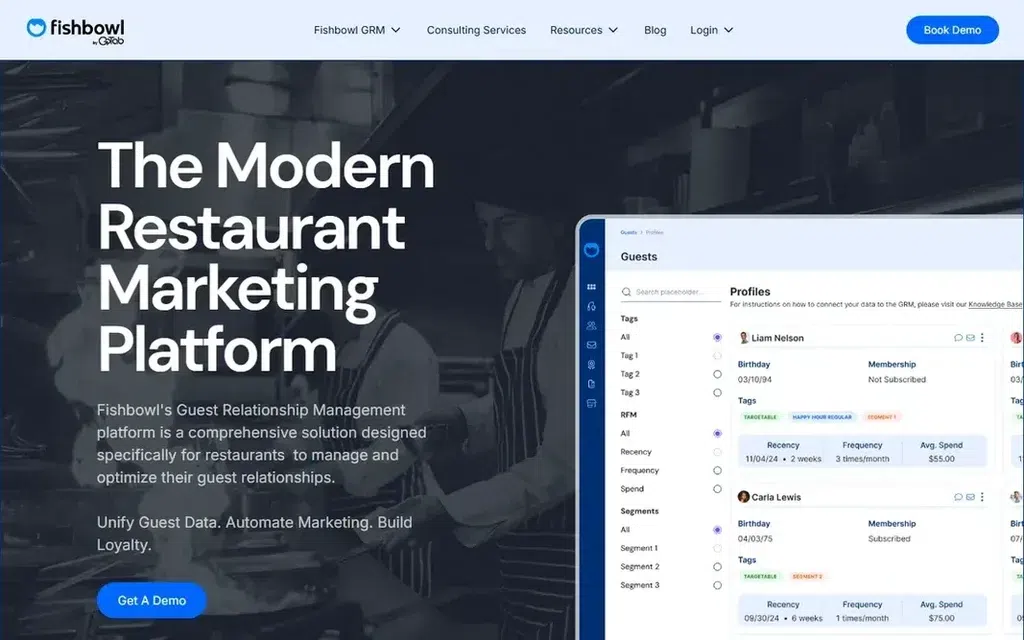
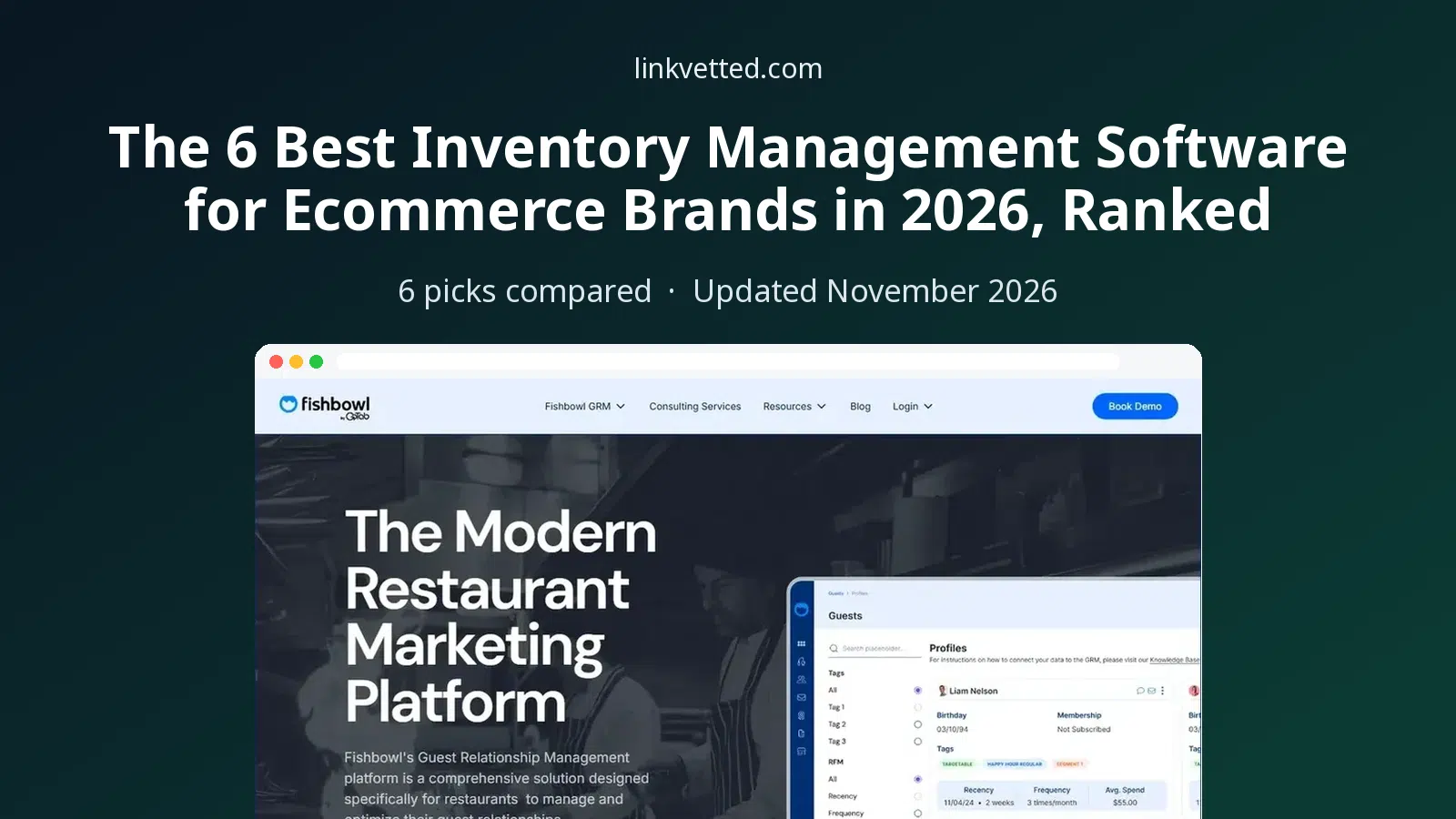
Fishbowl Inventory makes the most sense for QuickBooks and Xero users. Ecommerce brands that already run their books on those accounting systems can keep inventory and accounting aligned.
Honest limits: May suit manufacturers and wholesalers more than pure retail.
Its emphasis on accounting integration and warehouse workflows means the fit relies on your existing finance stack. On cost, Fishbowl Inventory starts like this: $229 per month. Free access: Not stated.
- Stock tracking and automatic reorders
- Built around QuickBooks and Xero
- Centered on accounting integrations
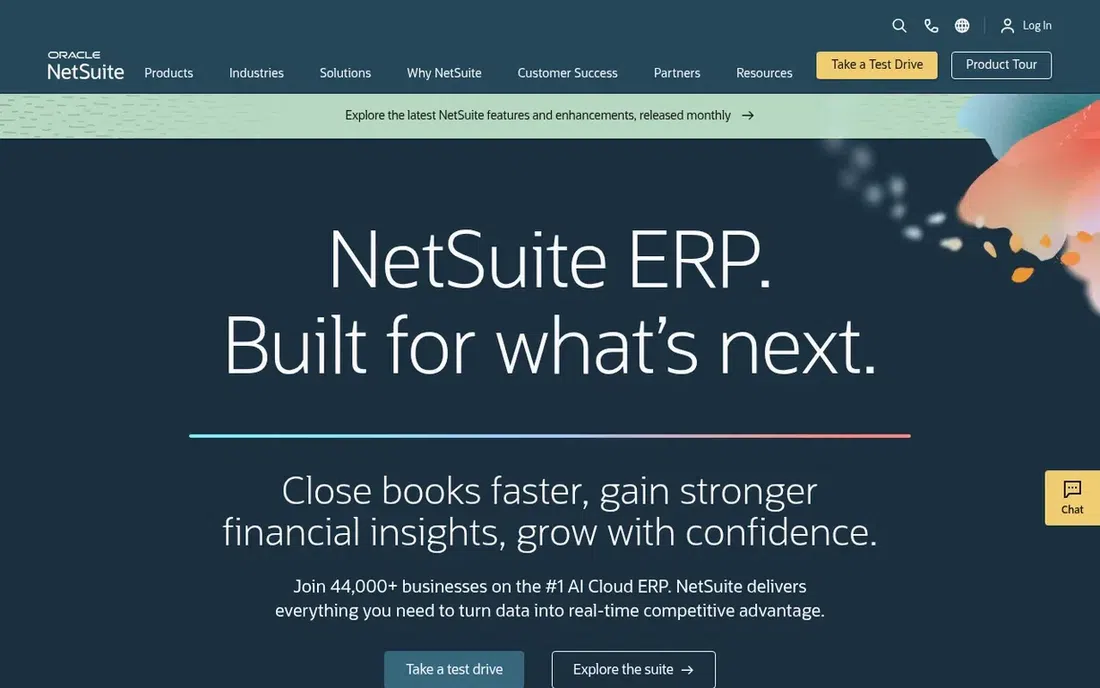
Pick NetSuite if this describes you: bigger brands needing full ERP. NetSuite presents itself as an AI cloud ERP that brings financials, CRM, accounting and inventory management together.
What works well: Turns operational data into action.
More specifically, the breadth that makes NetSuite capable also makes it heavier than a focused inventory tool, so very small brands may find it more than they need. Beyond that, consider a dedicated inventory product instead if you primarily want stock tracking and reordering without a full ERP. Check the vendor site for NetSuite pricing; none is listed in this comparison. Free access: Not stated.
Points against: More than small brands usually need.
- CRM and inventory
- Merges financials
- Wide scope can be complicated to set up
Cin7 is a good fit for multichannel stock simplifying. Cin7 describes itself as inventory management software and small business ERP, targeted at simplifying how stock is managed. Brands with very complicated financial requirements may prefer a broader ERP, whereas very small sellers may find a more straightforward tool sufficient.
Where it is weaker: Setup demands clean product data.
As with any inventory system, results rely on accurate product and stock data feeding it. More specifically, for ecommerce brands selling across multiple channels, a dedicated inventory layer can help keep quantities consistent. On cost, Cin7 starts like this: $349 per month. Cin7 has no free plan.
- Small business ERP capabilities
- Pitched at simplifying stock
- Feature depth varies by business size
Pick Ordoro if this describes you: shipping and dropshipping automation. If your priority is thorough accounting or complicated manufacturing inventory, a broader product may fit better. For brands spending hours on fulfillment admin, that focus can free time for growth.
Where it is weaker: Narrower than a full ERP.
Its strength is operational automation, so it does not replace a full ERP for finance and purchasing depth. Ordoro describes itself as an operational backbone for ecommerce merchants, automating repetitive shipping, inventory and dropshipping tasks. On cost, Ordoro starts like this: $59 per month. Trial and free access: Free trial.
- Automates shipping tasks
- Geared toward ecommerce operations
- Best value for shipping-heavy workflows

For brands selling on Shopify, Shopify is a natural candidate. Shopify is an all-in-one commerce product that bundles store building with tools to handle many parts of a business, including product and order data.
Also, pick something else if you need deep ERP-level financials or specialized inventory logic across plenty of locations. Shopify cost at the entry level: $19 per month. Free access: Free trial.
Trade-offs to know: Best value inside its own ecosystem.
- Wide business management tools
- Made for building and expanding keeps
- Less suited to complicated multi-warehouse operations
How the list was put together
The comparison looks at four things: starting price, free access, how well the feature set matches inventory management software for ecommerce brands, and the main limit of each tool. Figures are shown as the vendors publish them. Billing terms, seat minimums and add-ons can change the real cost. Tools are placed by general fit for inventory management software for ecommerce brands, with price clarity and free access as tie-breakers. A different team can reasonably rank them differently.
A buyer's checklist
- Confirm the entry price on the vendor page. For Brightpearl and NetSuite that means a quote rather than a fixed price.
- Use real work to test the free trial from Ordoro and Shopify, rather than a demo project.
- Read the limits listed for Brightpearl first: retail ERP scope may overwhelm tiny sellers.
- Read the plan comparison for Brightpearl carefully; key features often start on a higher tier.
- Verify that exporting from Fishbowl Inventory is possible on your plan and covers all your records.
FAQ
What is the cheapest option for inventory management software for ecommerce brands in this list?
On published monthly entry prices, Shopify is the lowest here at $19 per month. Entry price is only part of the cost, because seats, add-ons and billing terms can change the total. Each of the 6 options in this inventory management software for ecommerce brands guide has its own card above with the price, free plan and limits.
Can I run inventory inside my storefront product?
Yes, systems like Shopify bundle inventory and order management alongside the storefront. That does well for brands selling primarily in one ecosystem, though complicated multi-warehouse needs may call for a dedicated system.
Does any tool for inventory management software for ecommerce brands here have a free plan?
No tool in this list, Brightpearl and Shopify included, has a permanent free plan. Ordoro, Shopify offer a trial. Trials and quotes are the usual route, so plan a short evaluation period.
Is Brightpearl the right pick for everyone comparing inventory management software for ecommerce brands?
No single tool suits every team. Brightpearl comes first because it fits multichannel retail operations, while Fishbowl Inventory suits QuickBooks and Xero users and NetSuite suits larger brands needing full ERP. Match the tool to your own size, budget and workflow before deciding.
When does a full ERP make sense over a dedicated inventory tool?
A full ERP fits brands whose inventory decisions are tightly tied to finance, purchasing and customer data. NetSuite and Brightpearl represent that broader approach, whereas Cin7 and Fishbowl focus more narrowly on inventory.
How are the tools for inventory management software for ecommerce brands ordered?
The order follows typical fit for inventory management software for ecommerce brands, with Brightpearl first and Shopify last, then price clarity and free access. It is editorial judgement, not a score, so another team could rank the tools differently.
Sources
- https://www.brightpearl.com
- https://www.fishbowlinventory.com
- https://www.netsuite.com
- https://www.cin7.com
- https://www.ordoro.com
- https://www.shopify.com