Choosing Hybrid Cloud Solutions for Healthcare in 2026: 6 Options Compared
Best hybrid cloud solutions for healthcare: 6 tools compared on price, free plans and fit. Verdicts stay brief and factual. Current for November 2026.
- Editor's choice
 Google Cloud
AI and data analytics in hybrid setups
Starts atPricing on requestVisit cloud.google.comFull review - Great alternativeVMware Cloud Foundation
Private cloud with public cloud agility
Starts atPricing on requestVisit vmware.comFull review - Also consider
 Microsoft Azure
Healthcare compliance and hybrid integration
Starts atPricing on requestVisit azure.microsoft.comFull review
Direct answer
Google Cloud is the first pick on this list for AI and data analytics in hybrid setups. VMware Cloud Foundation is better for private cloud with public cloud agility, and Microsoft Azure is better for healthcare compliance and hybrid integration. Details and limits for the rest of the 6 tools are below. None of these vendors publish plan prices, so pricing is on request for every option.
TL;DR:
- Google Cloud is the opening pick, best for AI and data analytics in hybrid setups.
- Before buying AWS, weigh this: cost management can be challenging.
- Google Cloud, IBM Cloud and the 4 others all sell by quote; expect sales conversations before you see a price.
- IBM Cloud fits regulated industries and enterprise workloads.
- Just one of the 6 tools, AWS, has a free plan.
Last checked November 2026. Pricing on request: vendors did not publish plan prices when this guide was last checked (November 2026), so ask each vendor for a written quote.
Quick comparison
| Tool | Best for | Starts at | Free plan? | |
|---|---|---|---|---|
| Google Cloud | AI and data analytics in hybrid setups | Pricing on request | Not stated | Visit |
| VMware Cloud Foundation | Private cloud with public cloud agility | Pricing on request | Not stated | Visit |
| Microsoft Azure | Healthcare compliance and hybrid integration | Pricing on request | Free trial | Visit |
 AWS | Wide service catalog and scalability | Pricing on request | Yes | Visit |
| Nutanix Cloud Clusters | Simplifying hybrid cloud operations | Pricing on request | No | Visit |
 IBM Cloud | Regulated industries and enterprise workloads | Pricing on request | Free trial | Visit |
Every option for hybrid cloud solutions for healthcare explained
Short on time? The summary and table above give the quick view of 6 tools for hybrid cloud solutions for healthcare, and the profiles that follow give the detail behind each entry.
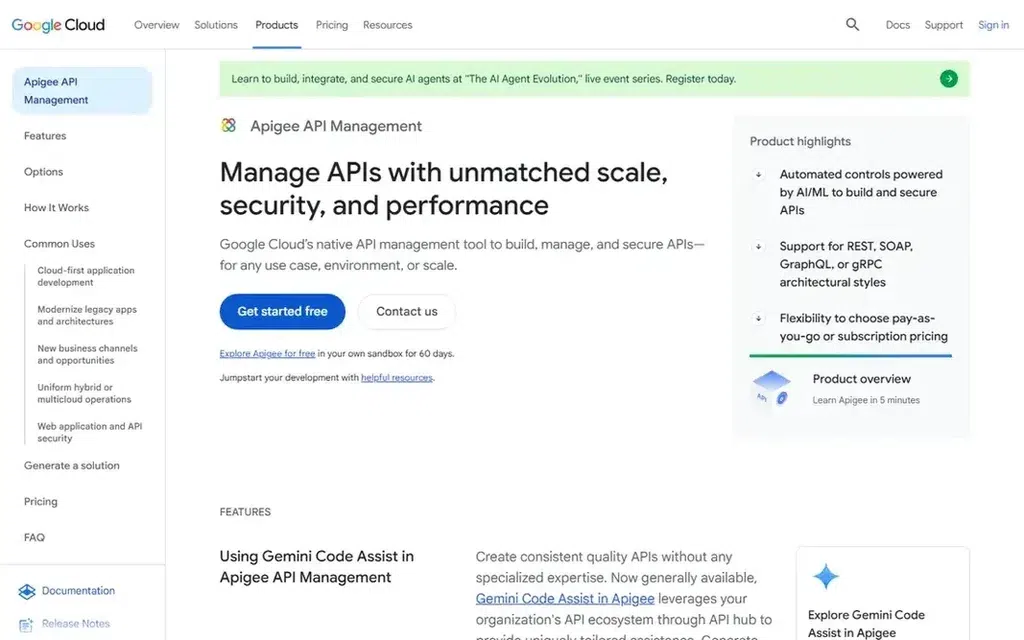
Google Cloud was built for AI and data analytics in hybrid setups. Google Cloud's strengths in data processing and machine learning can be valuable for population health and research workloads. Consider if your workloads align with Google's strengths.
Google Cloud has a smaller presence in some traditional enterprise sectors. Its hybrid cloud tools may not be as mature as those from competitors. Pricing for Google Cloud is not stated here, so ask the vendor for current figures. Free plan details: Not stated.
Where it falls short: Hybrid offerings still maturing.
- Solid AI and data tools
- Commitment to security
- Smaller enterprise footprint
VMware Cloud Foundation
Best for: Private cloud with public cloud agility
VMware Cloud Foundation makes the most sense for private cloud with public cloud agility. It is well suited to healthcare organizations that require to maintain strict control over data whereas achieving cloud-like efficiency. Worth adding: VMware Cloud Foundation may need specialized skills and significant upfront investment in infrastructure.
Where it falls short: Needs VMware expertise.
It is less suited for organizations seeking a completely managed public cloud experience. In daily use, consider if you have the resources to handle a private cloud environment. Pricing for VMware Cloud Foundation is not stated here, so ask the vendor for current figures. Free options: Not stated.
- Capable security and performance
- Integrated private cloud system
- Restricted public cloud native services
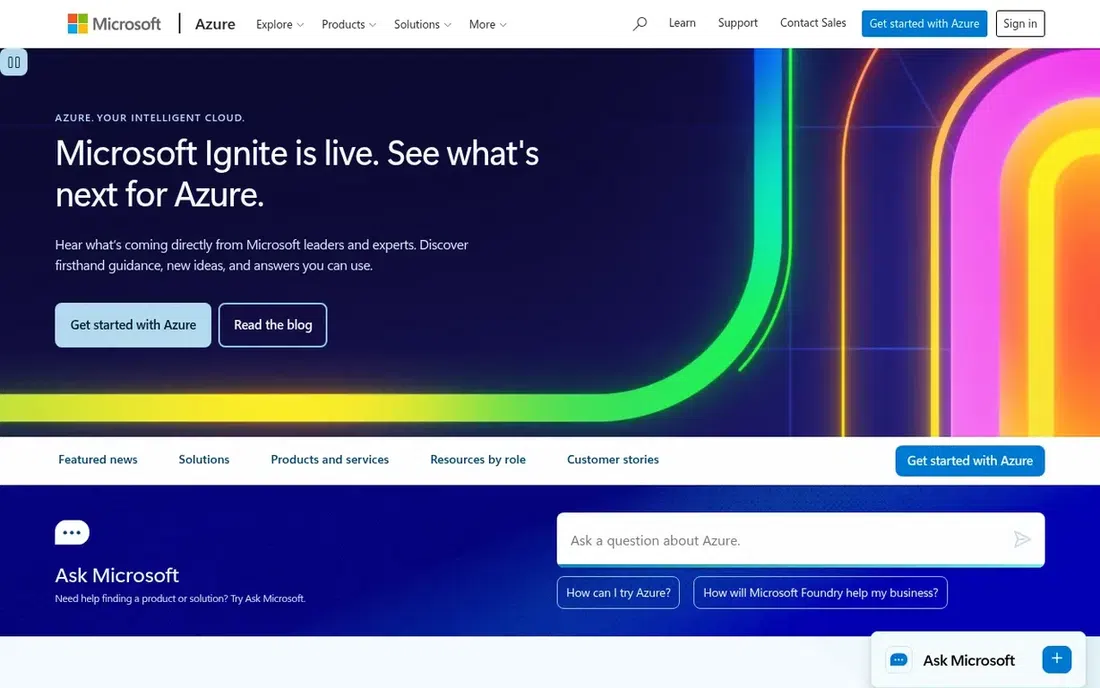
Choose Microsoft Azure for healthcare compliance and hybrid integration. Azure's wide service catalog can result in complexity and unpredictable costs if not managed carefully.
Consider alternatives if you need more straightforward pricing or are heavily invested in other ecosystems. Check the vendor site for Microsoft Azure pricing; none is listed in this comparison. Trial and free access: Free trial.
Downsides: Needs expertise to optimize.
- Capable compliance certifications
- Integration with Microsoft ecosystem
- Complicated pricing structure
AWS is built with wide service catalog and scalability in mind. Amazon Web Services (AWS) supplies steady, scalable cloud computing services with hybrid choices like AWS Outposts for extending AWS infrastructure on-premises. In practice, AWS is well suited to teams looking to innovate rapidly with a mature ecosystem.
AWS can become pricey without careful cost governance, and its hybrid options may need significant integration effort. On top of that, evaluate if your team has the skills to handle AWS effectively. Also, organizations seeking a more turnkey hybrid experience might prefer systems with tighter on-premises integration. AWS shows no starting price here, so confirm the cost on the vendor site. Free access exists with AWS.
Honest limits: Cost management can be challenging.
- Wide range of services
- Mature hybrid offerings like Outposts
- Hybrid tools need extra setup
Nutanix Cloud Clusters
Best for: Simplifying hybrid cloud operations
Nutanix Cloud Clusters is aimed squarely at simplifying hybrid cloud operations. Nutanix Cloud Clusters is tightly integrated with Nutanix's hyperconverged infrastructure, which may limit adaptability for organizations using other products.
On top of that, consider if you are committed to the Nutanix ecosystem. Nutanix Cloud Clusters shows no starting price here, so confirm the cost on the vendor site. Nutanix Cloud Clusters has no free tier.
Drawbacks to consider: Needs Nutanix infrastructure.
- Smooth workload mobility
- Cuts operational complexity
- Restricted to Nutanix ecosystem
IBM Cloud serves regulated industries and enterprise workloads. IBM Cloud offers cloud-based options that combine feature-rich infrastructure choices, a solid development system, and industry-leading services. It is especially well-suited for healthcare organizations in regulated environments that need stringent security and compliance.
Trade-offs to know: Complex service catalog.
IBM's hybrid capabilities allow for smooth integration with existing on-premises systems. From a buyer's view, evaluate if IBM's enterprise focus aligns with your operational needs. No starting price is listed for IBM Cloud here; confirm pricing on the vendor site. As for free access: Free trial.
- Industry-leading services
- Hybrid infrastructure choices
- Higher ramp-up time
How these tools were picked
Questions to settle before buying
- Ask each vendor, from Google Cloud to IBM Cloud, for a written quote; none of them publishes a starting price.
- Look at the free plan from AWS closely: its caps decide whether it is usable for real work.
- Use real work to test the free trial from Microsoft Azure and IBM Cloud, rather than a demo project.
- Before choosing Google Cloud, weigh its main limit: smaller enterprise footprint.
- Add up seats, add-ons and usage charges for VMware Cloud Foundation before comparing it with cheaper entries.
- Ask IBM Cloud which support channels and response times come with the plan you would buy.
FAQ
Can I try these tools before paying?
Often, yes. AWS has a free plan and Microsoft Azure and IBM Cloud offer a free trial. Use your own data and a real task during the test, and check what the free tier or trial limits before you rely on it.
Do these tools publish their prices?
No. None of the tools, from Google Cloud to IBM Cloud, shows a fixed starting price here, so budget time for quotes. Each of the 6 options in this hybrid cloud solutions for healthcare guide has its own card above with the price, free plan and limits.
What should healthcare organizations look for in a hybrid cloud option?
Healthcare organizations should prioritize compliance with regulations like HIPAA, data security, and the capacity to plug into existing systems. Hybrid cloud options should offer adaptability to keep sensitive data on-premises whereas using public cloud for scalability.
Is Google Cloud the right pick for everyone comparing hybrid cloud solutions for healthcare?
No single tool suits every team. Google Cloud comes first because it fits AI and data analytics in hybrid setups, while VMware Cloud Foundation suits private cloud with public cloud agility and Microsoft Azure suits healthcare compliance and hybrid integration. Match the tool to your own size, budget and workflow before deciding.
Which options for hybrid cloud solutions for healthcare have a free plan?
AWS is the only tool in this list with a free plan. Free plans usually cap users, projects or features, so check the limits on the vendor page. Several others offer a trial instead. All 6 picks in this hybrid cloud solutions for healthcare comparison list a starting price, free plan details and the main limits on their cards above.
Sources
- https://cloud.google.com
- https://www.vmware.com/products/cloud-foundation.html
- https://azure.microsoft.com
- https://aws.amazon.com
- https://www.nutanix.com/products/nutanix-cloud-clusters
- https://www.ibm.com/cloud