Best Financial Research Software in 2026: 8 Tools Compared
We compared the best financial research software, from Bloomberg and FactSet to affordable tools like Koyfin, with data coverage, workflows, and pricing notes.
- Editor's choice
 Bloomberg Terminal
Institutional market intelligence
Starts atSee websiteVisit bloomberg.comFull review - Great alternative
 FactSet
Investment research and modeling
Starts atSee websiteVisit factset.comFull review - Also consider
 S&P Capital IQ Pro
Company and deal research
Starts atSee websiteVisit capitaliq.comFull review
TL;DR:
- Bloomberg Terminal, FactSet, and S&P Capital IQ Pro serve institutional teams that need deep data, estimates, and modeling tools.
- AlphaSense and PitchBook suit document research and private market research respectively, rather than general market data.
- Koyfin is the most affordable serious option here, with a free plan and paid tiers for dashboards and screening.
- Most enterprise tools use custom pricing, so budget for seats, modules, and data feeds, not a single published price.
- This guide is for research and comparison only, and it is not financial advice for any investment decision.
Quick comparison
| Tool | Best for | Starts at | Free plan? | |
|---|---|---|---|---|
| Bloomberg Terminal | Institutional market intelligence | See website | No | Visit |
| FactSet | Investment research and modeling | See website | No | Visit |
| S&P Capital IQ Pro | Company and deal research | See website | No | Visit |
 LSEG Workspace | Global market data | See website | No | Visit |
 Morningstar Direct | Fund and portfolio research | See website | No | Visit |
 PitchBook | Private market research | See website | No | Visit |
 AlphaSense | AI document search | See website | No | Visit |
 Koyfin | Affordable public market research | Free | Yes | Visit |
The best financial research software
We covered institutional platforms, specialist research tools, and one affordable option, since budgets in this category range from free to five figures per seat per year. Each tool below serves a different research job.
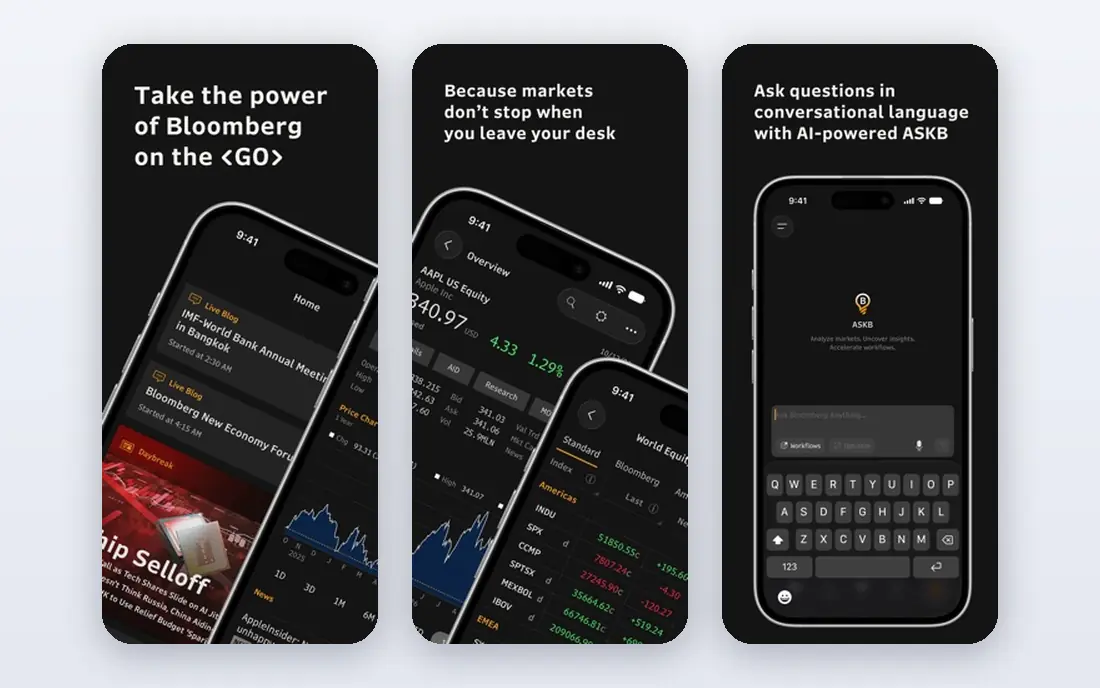
Bloomberg Terminal remains the default research platform for many trading desks, banks, and large asset managers. It combines real-time market data, news, analytics, and messaging in one system, with trading and portfolio tools beside research. The messaging network alone keeps many professionals tied to it, since counterparts and clients use it daily.
Cost and complexity are the barriers. Pricing is custom and high, and new users need training to use the function-code interface well. Smaller teams should weigh whether they need live cross-asset data and messaging, or whether a cheaper research tool plus a news source covers the same work.
- Real-time data across asset classes
- Bloomberg News and messaging network
- Excel tools for custom models and charts
- Very high cost per seat
- Steep learning curve for new users

FactSet suits equity research, portfolio management, and investment banking teams that live in Excel. Its workstation pulls financials, estimates, prices, and ownership into models, and its portfolio tools support attribution and risk views. Many teams prefer its interface to Bloomberg for fundamental work.
Pricing depends on seats and modules, so quotes vary widely. Teams that need trading execution or the Bloomberg messaging network will still miss those features. For fundamental research and modeling, FactSet is often the strongest single alternative to Bloomberg.
- Deep fundamentals, estimates, and ownership data
- Strong Excel integration for models
- Portfolio analytics and research management
- Custom pricing by seat and module
- Real-time trading features are thinner than Bloomberg
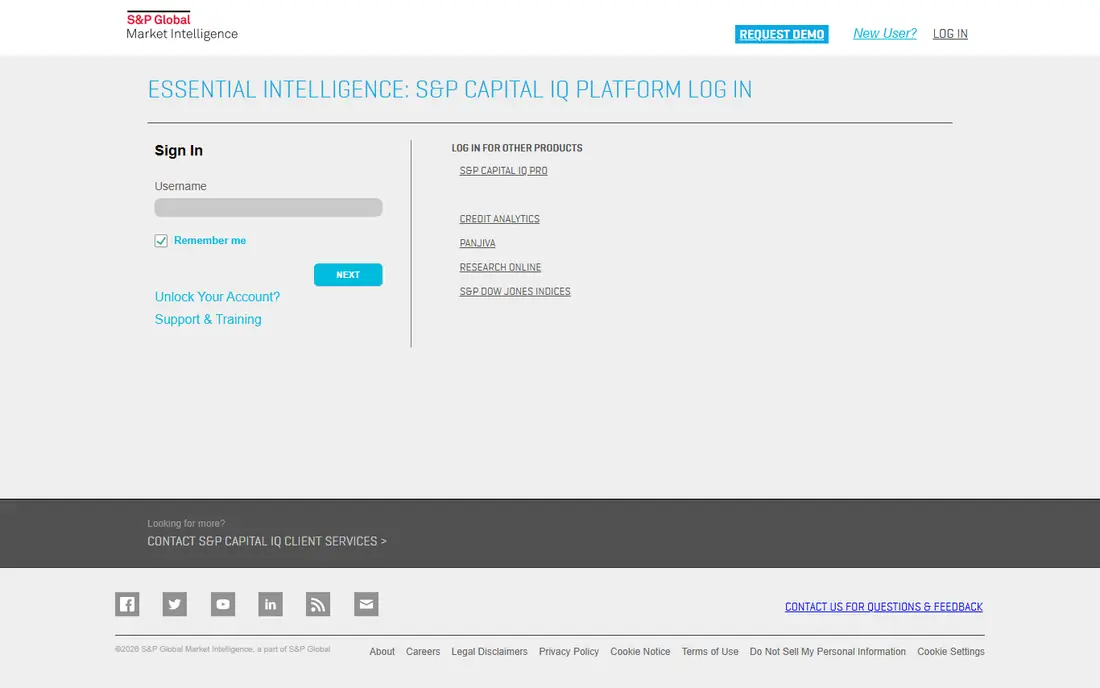
S&P Capital IQ Pro is a strong pick for corporate development, private equity, and credit research. Its company database covers public and private firms, with financials, ownership, transactions, and key developments in one place. Screening tools help deal teams find targets by size, sector, geography, and financial criteria.
It is less of a trading terminal than Bloomberg, so desks that need live execution tools should look elsewhere. For company research, comps, and deal sourcing, Capital IQ Pro is often the most complete single source. Confirm which modules your quote includes, since data depth varies by package.
- Very deep public and private company data
- Screening for deals and credit work
- Office tools for financials and comps
- Custom pricing
- Less focus on live trading data
LSEG Workspace, formerly Refinitiv Workspace, covers global markets with data, news, analytics, and charting. It is strong in foreign exchange, fixed income, and European markets, and Reuters news adds depth for macro and company events. Large teams can add enterprise data feeds for internal systems.
Bloomberg users may need time to adjust, since shortcuts and messaging habits do not transfer directly. Pricing is custom, and the right package depends on asset classes and user counts. For global market coverage without Bloomberg, LSEG Workspace is the closest direct rival.
- Global market data and Reuters news
- Analytics and charting across asset classes
- Enterprise data feeds for larger teams
- Custom pricing
- Interface and workflow differ from Bloomberg habits
Morningstar Direct serves advisors, asset managers, and researchers who compare funds and build portfolios. It covers fund performance, holdings, fees, and manager data, with portfolio analytics and reporting tools for client work. Advisors value the ready-made charts and reports for meetings.
It is not a trading terminal, and equity traders will find its workflow different from Bloomberg or FactSet. For fund selection, asset allocation, and portfolio reporting, Morningstar Direct is a specialist that general platforms do not match. Ask about user tiers, since advisor and institutional packages differ.
- Deep fund, stock, and ETF research
- Portfolio analytics and client reporting
- Strong manager and holdings data
- Custom pricing
- Less suited to single-stock trading workflows
PitchBook is the go-to source for private market research. It tracks companies, investors, funds, deals, and exits across venture capital and private equity, with valuations and financials where available. Deal teams use it to map competitors, find buyers, and benchmark private transactions.
Public market researchers may still need a general terminal beside it. Pricing is custom and aimed at professional teams. If your work centers on private companies and investors, PitchBook covers ground that Bloomberg, FactSet, and Capital IQ Pro handle less deeply.
- Private company, investor, fund, and deal data
- Valuations and comparables for private firms
- Strong venture and private equity coverage
- Custom pricing
- Public market data is thinner than general terminals
AlphaSense helps analysts find answers inside filings, earnings transcripts, broker research, and company documents. Search results link back to sources, so you can check context before citing a figure. AI summaries speed up earnings season, when analysts must read many transcripts quickly.
It does not replace market data, prices, or portfolio tools, so most teams pair it with a data platform. Pricing is custom per seat. For research teams drowning in documents, AlphaSense can save more time than another data feed.
- Source-linked search across filings, transcripts, and reports
- AI summaries with links back to documents
- Covers broker research and company disclosures
- Custom pricing
- It is a document research tool, not a full market data terminal
Koyfin is the accessible option on this list. The free plan covers dashboards, watchlists, screening, and charting for public markets, and paid tiers add more data, templates, and macro tools. Independent investors, students, and small advisors can do serious public market research without an enterprise contract.
It cannot match Bloomberg or PitchBook for private data, broker research, or deal sourcing. Data depth and history also vary by tier. Still, for public market screening and portfolio tracking on a budget, Koyfin is the clear starting point before any enterprise purchase.
- Free plan with dashboards and screening
- Global equity, ETF, and macro data
- Custom watchlists and charting
- No institutional depth for private markets
- Advanced features need paid tiers
How we picked these
We compared official feature pages, pricing pages, and public buyer guides for financial research platforms. We favored tools with clear data coverage, a defined research workflow, and current availability in 2026. We included both enterprise platforms and affordable tools, since readers range from students to institutional teams.
We did not claim hands-on testing, and we did not invent prices, ratings, or awards. Enterprise pricing is negotiated and varies by seats and modules, so we listed See website for those tools rather than repeating third-party estimates as vendor prices. Confirm quotes, data coverage, and contract terms directly with each vendor.
How to choose without overpaying
Enterprise research contracts can cost more than salaries for small teams, so match the tool to the actual research job.
Start from the question you answer daily
If you screen public stocks and track portfolios, Koyfin or Morningstar Direct may cover the work. If you source private deals, PitchBook or Capital IQ Pro matter more. If you read filings all day, AlphaSense saves time that a data terminal does not. Buying a full terminal for one workflow wastes budget and training time.
Check data, history, and export options
Confirm coverage for your markets, how far history goes, and whether you can export to Excel or an internal system. FactSet and Capital IQ Pro are strong on Excel workflows, while Bloomberg adds live data and messaging. Ask about API access and data feed costs, since those lines often appear after the seat price.
Pilot with a small team first
Run a short pilot with two or three real research projects, and track which features get used daily. Check support quality, training needs, and whether the tool fits compliance rules for data handling. A pilot also reveals whether one seat can serve a team through shared dashboards, or whether each analyst truly needs a license.
FAQ
What is the best financial research software overall?
Bloomberg Terminal is the most complete institutional platform, but it is not the best pick for every budget or workflow. FactSet suits fundamental research and modeling, Capital IQ Pro suits company and deal research, and Koyfin suits affordable public market work. Match the tool to your daily research job first.
Is there free financial research software?
Yes. Koyfin offers a free plan for public market dashboards, screening, and charting, and public sources cover prices and filings at no cost. Free tools lack private market depth, broker research, and institutional estimates. They work well for learning, screening, and personal research, but professional teams usually need paid data.
How much does a Bloomberg Terminal cost?
Bloomberg does not publish a simple list price, and cost varies by contract length, seats, and region. Third-party buyer reports in 2026 put annual cost roughly in the tens of thousands of dollars per user. Treat any single figure as an estimate, and request a direct quote for your team size and term.
What is the difference between FactSet and Capital IQ Pro?
FactSet is often preferred for equity research, portfolio work, and Excel modeling, while Capital IQ Pro is often preferred for company data, private firms, and deal screening. Both cover fundamentals and estimates, so the choice depends on your workflow. Trial both with the same research project to see which fits your team.
Do I need AlphaSense if I have Bloomberg or FactSet?
You may, if document research takes much of your day. AlphaSense searches filings, transcripts, and broker research with source links, which speeds up earnings and event research. Data terminals cover prices and financials, but document search is a different job. Many teams use both.
Is this guide financial advice?
No. This guide compares research tools and does not recommend any security, fund, or investment strategy. Investment decisions need your own research and, where needed, advice from a licensed professional. Check data accuracy against primary sources such as filings before acting on any figure.