Financial Analytics Software for Small Business in 2026: The 6 Best Options Side by Side
Need the best financial analytics software for small business? We compare 6 tools on cost, free access and who each suits. Every entry states what it lacks.
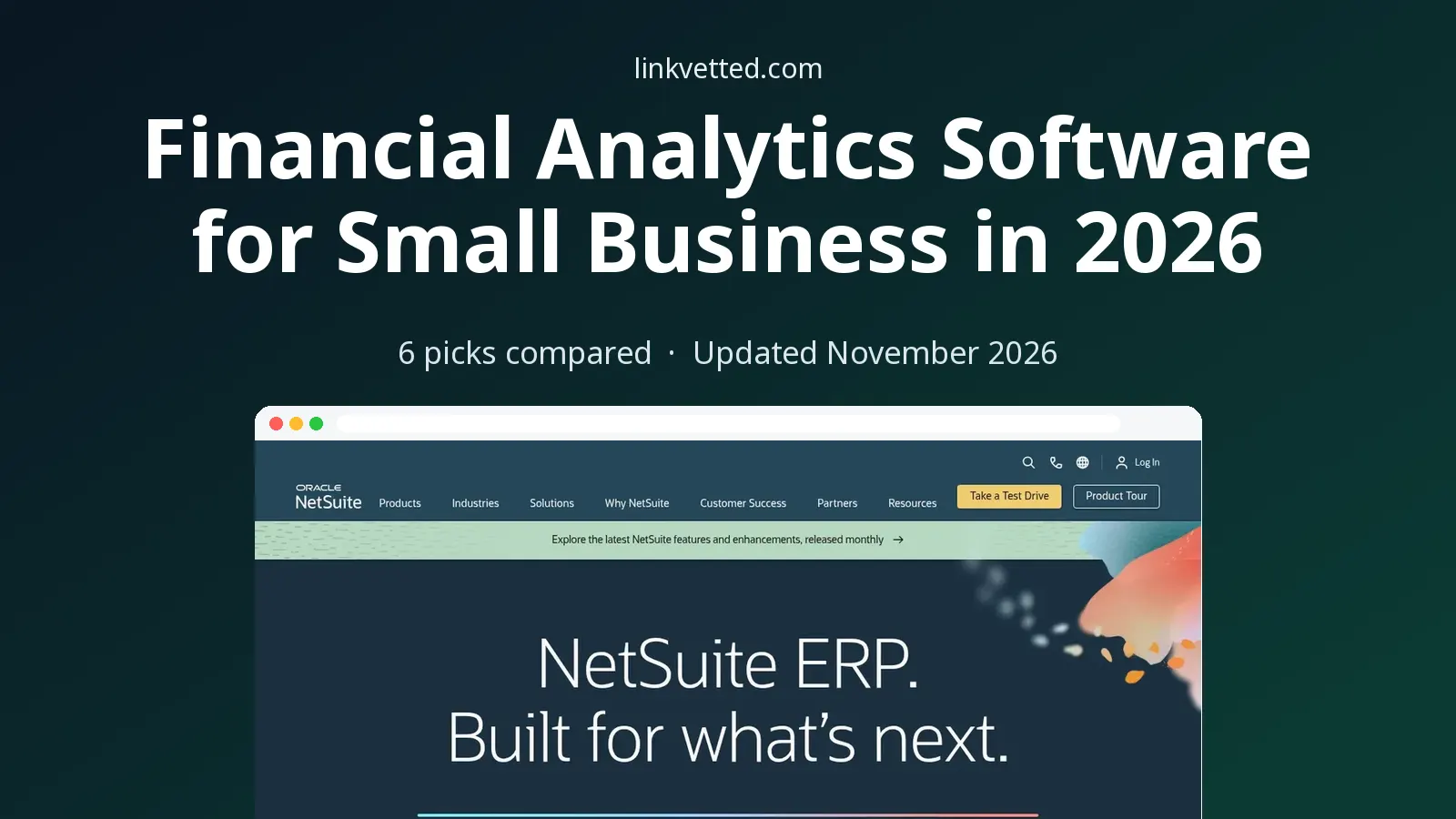
- Editor's choice
 Wave
Freelancers and micro-businesses on a budget
Starts at$19 per monthVisit waveapps.comFull review - Great alternative
 NetSuite
Scaling firms needing advanced ERP analytics
Starts atSee websiteVisit netsuite.comFull review - Also consider
 QuickBooks Online
Full small business financial management
Starts at$11.40 a monthVisit quickbooks.intuit.comFull review
Direct answer
For freelancers and micro-businesses on a budget, Wave is where this list starts. Listed starting prices: Wave from $19 per month, QuickBooks Online from $11.40 a month and FreshBooks from $23.00 per month. NetSuite is the stronger choice for scaling companies needing advanced ERP analytics, while QuickBooks Online suits comprehensive small business financial management. All 6 tools are compared below on price, free plan and limits.
TL;DR:
- The list opens with Wave, aimed at freelancers and micro-businesses on a budget.
- Xero fits bank connectivity and accountant collaboration.
- One limit worth knowing about QuickBooks Online: can be complex for beginners.
- Starting prices begin at $7 per month with Xero.
Last checked November 2026. Prices and plan details were read from the vendors' own pages in November 2026; vendors change plans often, so confirm the current price on the vendor site before you buy.
Quick comparison
| Tool | Best for | Starts at | Free plan? | |
|---|---|---|---|---|
| Wave | Freelancers and micro-businesses on a budget | $19 per month | Yes | Visit |
| NetSuite | Scaling firms needing advanced ERP analytics | See website | Not stated | Visit |
| QuickBooks Online | Full small business financial management | $11.40 a month | Free trial | Visit |
 Zoho Books | Cloud accounting with automation for small teams | See website | Not stated | Visit |
 FreshBooks | Service-based firms needing invoicing and time tracking | $23.00 per month | Free trial | Visit |
 Xero | Bank connectivity and accountant collaboration | $7 per month | Free trial | Visit |
Financial Analytics Software for Small Business, one by one
LinkVetted put together this guide to financial analytics software for small business for readers who want a clear shortlist without reading every vendor page. It compares 6 tools on starting price, free plans, who each one suits and where each one falls short.
Wave is aimed squarely at freelancers and micro-businesses on a budget. Wave's simplicity and focus on core tasks make it a decent starting point for those new to financial software.
Wave supplies small business software that comes with invoicing, online payments, and accounting tools in one place. What you pay to start with Wave: $19 per month. Wave includes a free tier.
Trade-offs to know: Restricted feature set.
- Approachable interface
- Straightforward invoicing and payments
- Less a good match for expanding companies
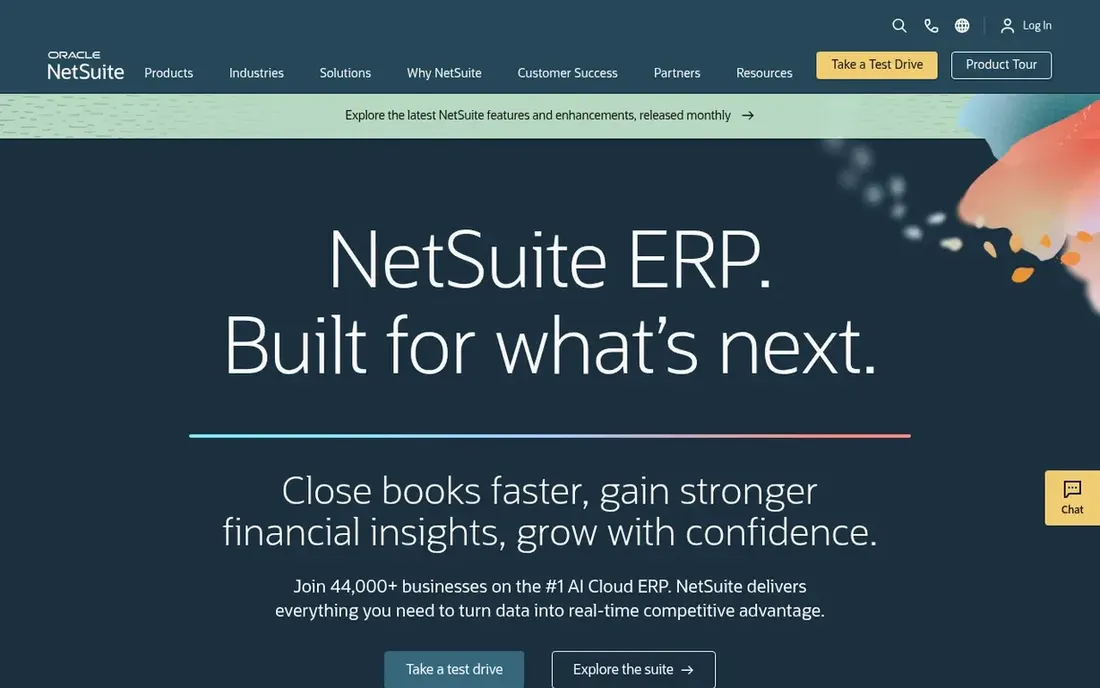
Choose NetSuite for scaling firms needing advanced ERP analytics. NetSuite is an AI-powered cloud ERP that merges financials, CRM, accounting, inventory management, and more. It is meant to ease work and turn data into actionable insights.
What to check first: May be overkill for very small firms.
On top of that, for more straightforward needs, consider QuickBooks Online or Zoho Books. NetSuite's extensive capabilities come with a steeper ramp-up time and may be too complex for startups or very small teams. NetSuite does not show a starting price in this comparison, so check the vendor site for current pricing. On free options: Not stated.
- Merges financials and CRM
- Scalable for growth
- Higher complexity
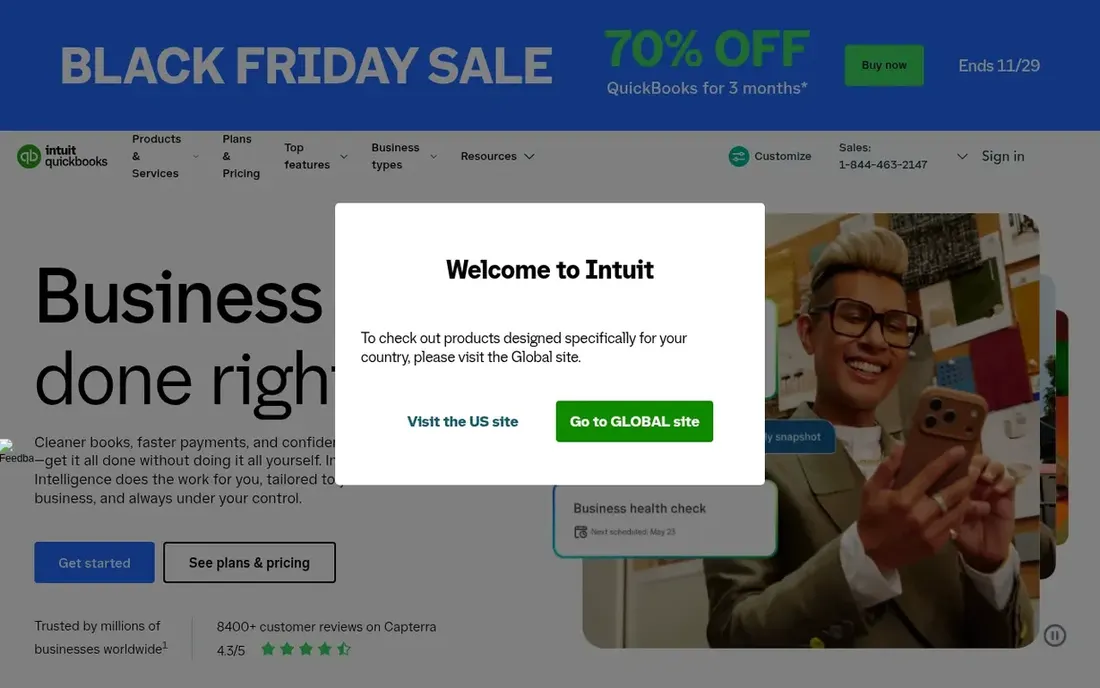
QuickBooks Online is aimed squarely at thorough small business financial management. If you need a more straightforward tool with entry-level invoicing, consider FreshBooks or Wave instead. More specifically, the product emphasizes ease of setup and smart tools that help business owners stay on top of their financial data.
Where it is weaker: Can be complicated for beginners.
Beyond that, QuickBooks Online is a cloud-based accounting option aimed at small companies. It provides tools to organize and handle finances, track expenses, and create reports. QuickBooks Online cost at the entry level: $11.40 per month. Free plan details: Free trial.
- Quick and simple setup
- Wide feature set
- Some features need extras
Zoho Books is a good fit for cloud accounting with automation for small teams. Zoho Books is cloud-based accounting software that eases invoicing, expenses, tax management, bank reconciliation, and financial reporting for small companies. It offers automation to cut manual work and supplies a clear view of your financial health.
Drawbacks to consider: Restricted advanced analytics.
If you need advanced data visualization, you might pair it with a separate BI tool. Beyond that, Zoho Books is well-suited for small teams looking for an efficient, integrated accounting option. Pricing for Zoho Books is not stated here, so ask the vendor for current figures. On free options: Not stated.
- Budget-friendly for small firms
- Solid tax management
- Interface can feel cluttered
FreshBooks was built for service-based companies needing invoicing and time tracking. If you need solid inventory and reporting, QuickBooks Online or Zoho Books could be better choices. Worth adding: FreshBooks lacks advanced inventory management and may not suit product-based companies.
It allows you to accept credit card payments and run projects efficiently. FreshBooks is a strong match for freelancers and service-based firms that require straightforward financial tools. Starting cost for FreshBooks: $23.00 per month. As for free access: Free trial.
The main drawbacks: Restricted inventory features.
- Simple invoicing and expense tracking
- Built-in time tracking
- Fewer integrations than some competitors
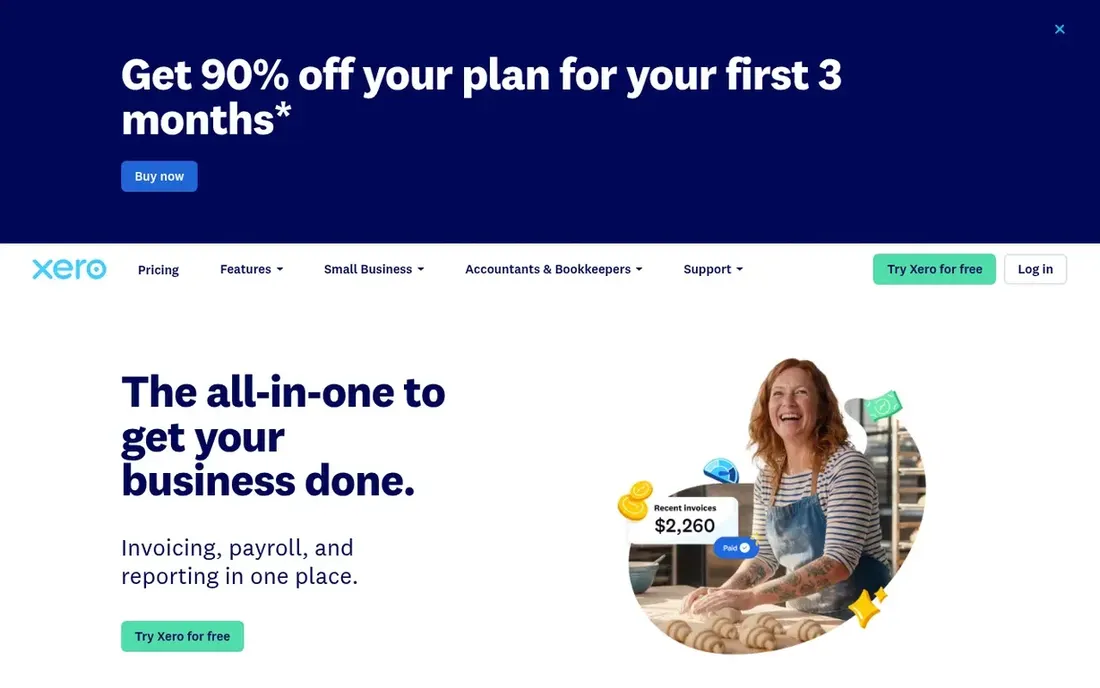
Xero is designed for bank connectivity and accountant collaboration. If you need solid project management alongside accounting, Zoho Books might be a better fit. Also, Xero may lack some advanced features like built-in time tracking, which could be a drawback for service-based companies.
What Xero does well: Approachable interface.
Xero is accounting software for small firms that concentrates on connecting you to your bank, accountant, bookkeeper, and other business apps. It gives you a central hub for financial data, making reconciliation and collaboration straightforward. Xero is a strong match for firms that value solid integrations and live financial visibility. Starting cost for Xero: $7 per month. On free options: Free trial. What to check first: Restricted payroll choices in some regions.
- Plugs into plenty of apps
- Links to bank and accountant
- No built-in time tracking
How we chose
For each of the 6 tools we noted price, free plan or trial, fit for financial analytics software for small business and the main limit, using vendor pages and documentation. Prices and plan limits come from vendor pages and can change, so confirm them on the vendor site before you buy. The order reflects how well each tool fits the most common buying scenario for financial analytics software for small business, then price clarity, then free plan access. It is a starting point, not a verdict.
Pre-purchase checklist
- Get a written quote from NetSuite and Zoho Books; the list shows no starting price for them.
- Test the free plan from Wave against your real workload before relying on it.
- Run a trial of QuickBooks Online, FreshBooks and Xero with real work before paying for a year; your own workflow is the best test.
- Before choosing Wave, weigh its main limit: restricted feature set.
- Before rolling out Zoho Books, verify the integrations your workflow depends on.
- Check whether Wave bills monthly or annually, and what cancelling early costs.
FAQ
Can I try these tools before paying?
Often, yes. Wave has a free plan and QuickBooks Online, FreshBooks and Xero offer a free trial. Use your own data and a real task during the test, and check what the free tier or trial limits before you rely on it.
Which tool is best for a service-based business?
The first pick on this list is Wave, because it suits freelancers and micro-businesses on a budget. NetSuite is better for scaling companies needing advanced ERP analytics, and QuickBooks Online for full small business financial management. Check price and limits against your own needs before choosing.
Which options for financial analytics software for small business have a free plan?
Wave is the only tool in this list with a free plan. Free plans usually cap users, projects or features, so check the limits on the vendor page. Several others offer a trial instead. Prices, free plan details and limits for all 6 tools in this financial analytics software for small business roundup sit on the individual cards above.
Is Wave the right pick for everyone comparing financial analytics software for small business?
No single tool suits every team. Wave comes first because it fits freelancers and micro-businesses on a budget, while NetSuite suits scaling businesses needing advanced ERP analytics and QuickBooks Online suits comprehensive small business financial management. Match the tool to your own size, budget and workflow before deciding.
How are the tools for financial analytics software for small business ordered?
The order follows typical fit for financial analytics software for small business, with Wave first and Xero last, then price clarity and free access. It is editorial judgement, not a score, so another team could rank the tools differently.
Sources
- https://www.waveapps.com
- https://www.netsuite.com
- https://quickbooks.intuit.com
- https://www.zoho.com/books
- https://www.freshbooks.com
- https://www.xero.com