Best Extended Detection Response Software in 2026: 9 Platforms Compared
Our best extended detection response software reviews compare CrowdStrike, SentinelOne, Microsoft, Palo Alto, and Trend Micro for teams of all sizes now.
- Editor's choice
 CrowdStrike Falcon
Cloud-native XDR with managed options
Starts atSee websiteVisit crowdstrike.comFull review - Great alternative
 SentinelOne Singularity
Autonomous response and rollback
Starts atSee websiteVisit sentinelone.comFull review - Also consider
 Microsoft Defender XDR
Microsoft 365 environments
Starts atSee websiteVisit microsoft.comFull review
TL;DR:
- Extended detection and response, or XDR, earns its keep when it links endpoint, email, identity, and cloud signals into one incident, rather than four separate alerts.
- Microsoft Defender XDR is often the best value for teams already on Microsoft 365 E5, because much of the cost is already in that licence.
- CrowdStrike Falcon and SentinelOne Singularity lead for cloud-native endpoint depth and autonomous response, but both are quote-based at enterprise scale.
- Most XDR vendors do not publish a simple list price, so compare retention, data ingest charges, and managed service options, not just the headline per-endpoint rate.
Quick comparison
| Tool | Best for | Starts at | Free plan? | |
|---|---|---|---|---|
| CrowdStrike Falcon | Cloud-native XDR with managed options | See website | Free trial | Visit |
| SentinelOne Singularity | Autonomous response and rollback | See website | Free trial | Visit |
| Microsoft Defender XDR | Microsoft 365 environments | See website | Free trial | Visit |
 Palo Alto Networks Cortex XDR | Palo Alto network customers | See website | Free trial | Visit |
 Trend Micro Vision One | Broad multi-layer protection | See website | Free trial | Visit |
 Sophos Intercept X with XDR | Small teams on the Sophos stack | See website | Free trial | Visit |
 Cynet | Lean teams wanting XDR plus managed detection | See website | Free trial | Visit |
 Trellix XDR | Enterprises consolidating Trellix tools | See website | No | Visit |
 Cisco XDR | Cisco security suite customers | See website | Free trial | Visit |
The best extended detection response software
XDR is different from basic antivirus and from endpoint detection alone. It pulls signals from endpoints, email, identity, network, and cloud workloads, correlates them, and helps analysts investigate one attack story instead of chasing separate alerts. That promise only holds when the data sources are actually connected, so our reviews below focus on what each platform covers, how it responds, and where it falls short.
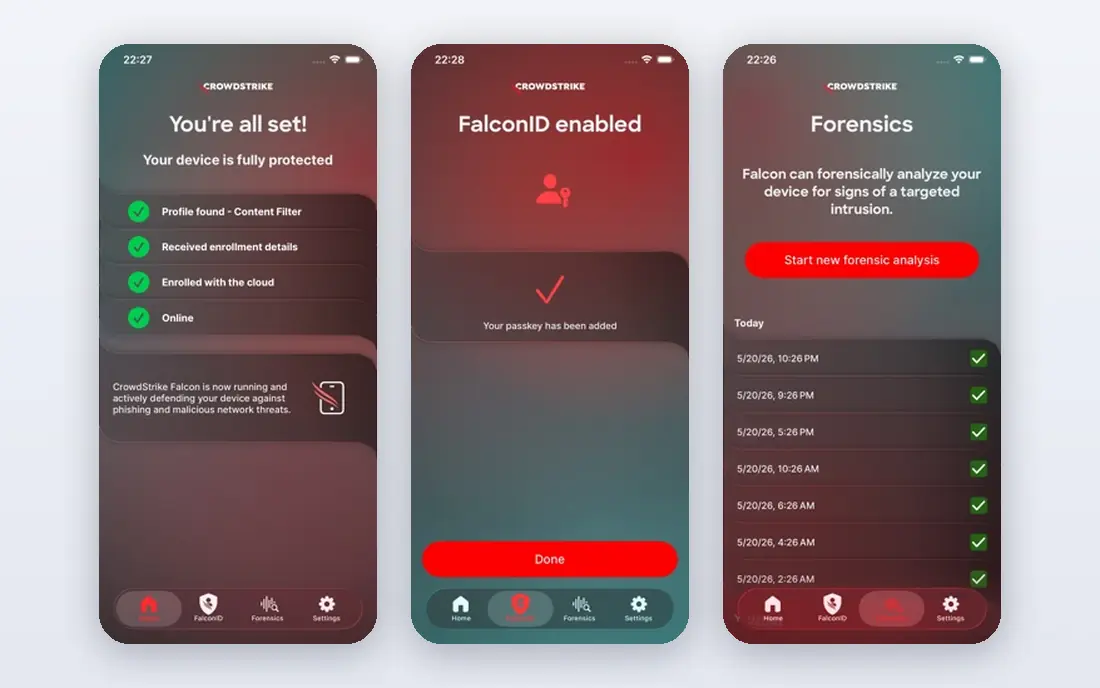
CrowdStrike Falcon built its reputation on endpoint detection, and its XDR extends that same cloud architecture across identity, cloud, and third-party telemetry. The agent is known for low impact on endpoints, and the Threat Graph links events across a fleet so analysts can trace an attack from first access to later movement. Threat intelligence is a genuine strength, with research that many teams cite when they choose the platform.
The cost model needs care. Small business tiers publish prices in some markets, but enterprise XDR, data retention, and managed service options are quoted per organisation. Falcon Complete, which adds a vendor-run security operations centre, is attractive for teams without a 24-hour SOC, but it adds a large share to the bill. For teams that want one vendor from prevention to response, Falcon is our pick for the reference platform.
- Lightweight cloud-native agent
- Strong threat intelligence
- Falcon Complete managed option
- Enterprise pricing is quote-based
- Full XDR modules add cost on top of endpoint tiers
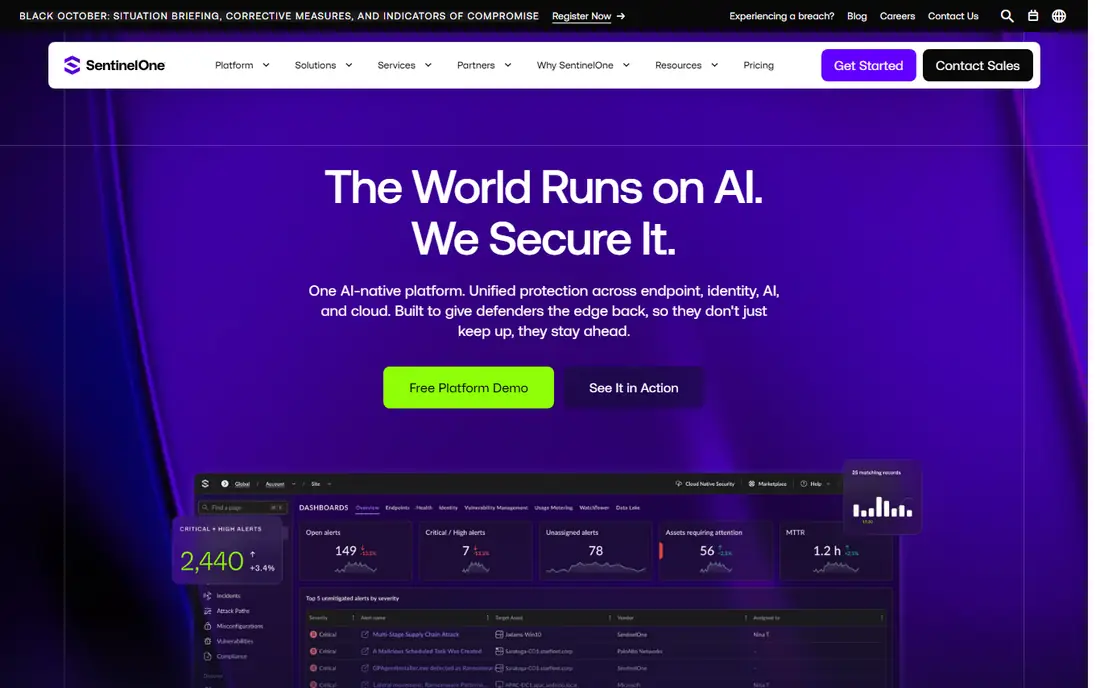
SentinelOne Singularity is known for acting without waiting for a human analyst. Its agent can kill processes, quarantine files, and roll back changes after ransomware activity, which matters when an attack spreads in minutes rather than hours. The platform covers endpoints, cloud workloads, and identity signals, and its Storyline view shows an attack chain in a readable timeline.
That autonomy needs tuning, because aggressive automated actions can disrupt a legitimate app if rules are too broad. Start with monitor mode for sensitive systems, review actions for a few weeks, and then widen automation. Pricing is tiered per endpoint, with higher tiers adding XDR data and managed Vigilance response. For teams that want fast, automated containment, SentinelOne is a strong shortlist pick.
- Autonomous response actions
- Ransomware rollback feature
- Strong Linux and macOS support
- Quote-based enterprise pricing
- Advanced features need higher tiers
Microsoft Defender XDR links Defender for Endpoint, Defender for Office 365, Defender for Identity, and Defender for Cloud Apps into one incident view. For a team already on Microsoft 365, that link is powerful, because email phishing, identity compromise, and endpoint activity often form one attack, and Defender can show them together. Advanced hunting lets analysts query raw telemetry, and Defender Experts adds a managed option.
The catch is ecosystem fit. If your email, identity, and endpoints are all Microsoft, Defender XDR is often the best value in this list, because E5 already includes much of it. If you run Google Workspace, mixed endpoints, or many non-Microsoft cloud tools, integration takes more effort and some signals will be thinner. Check your current Microsoft licence first, because you may already own a credible XDR.
- Included in Microsoft 365 E5
- Deep email, identity, and endpoint correlation
- Familiar admin centre
- Best value only inside Microsoft 365
- Non-Microsoft data sources need extra work
Cortex XDR stands out for teams that already run Palo Alto firewalls, because network telemetry joins endpoint and identity data in the same investigation. That network view helps analysts see lateral movement, command-and-control traffic, and data exfiltration that endpoint logs alone might miss. Behaviour analytics flag unusual user and device activity, and Unit 42 offers incident response and managed detection for teams that need help.
Pricing is quote-based and can include per-endpoint and data ingest elements, so ask how retention and third-party data affect the total. Smaller teams may find the platform heavy and the sales process long. For Palo Alto customers who want network and endpoint investigation in one place, Cortex XDR is a natural, strong pick.
- Strong network and endpoint data fusion
- Behaviour analytics
- Unit 42 managed options
- Quote-based pricing with data ingest charges
- Best fit inside Palo Alto estates
Trend Micro Vision One pulls together endpoint, email, network, server, and cloud signals, with a focus on helping smaller security teams follow a guided investigation. Instead of only showing raw alerts, it groups related events, shows risk context, and suggests next steps, which helps junior analysts work through an incident without missing a layer. Server and cloud workload coverage is a plus for hybrid estates.
The platform is broad, and that breadth means the console has many sections to learn. Pricing is quote-based, with tiers that change which layers and retention you get. For mid-size teams that want one vendor across many layers and prefer guided workflows over raw query tools, Vision One is worth a trial against CrowdStrike and Microsoft.
- Covers endpoint, email, network, and cloud layers
- Guided investigation workflows
- Partner managed options
- Quote-based pricing
- Console depth takes time to learn
Sophos Intercept X with XDR suits small and mid-size teams that need solid protection without a dedicated security operations centre. The console is clearer than many enterprise tools, anti-ransomware features include CryptoGuard protections, and Sophos MDR adds a managed team that can investigate and respond on your behalf. For a small IT team, that managed option often matters more than a long feature list.
Larger, complex estates may outgrow it, especially when they need deep custom hunting across many third-party sources. Some XDR data and retention options sit in higher tiers, so check what a quoted tier actually includes. For schools, clinics, and small businesses that already use Sophos firewalls or endpoint tools, this is a practical, well-judged pick.
- Clear console for non-specialist IT staff
- Strong anti-ransomware features
- Sophos MDR managed option
- Less depth for large, complex estates
- Some advanced XDR data needs higher tiers
Cynet targets lean teams that want XDR and a managed detection service in one purchase, rather than buying a platform and then a separate SOC contract. Its platform covers endpoints, network, users, and files, with automated response playbooks that can isolate hosts, block files, and revoke access. The included 24-hour managed detection team reviews alerts and acts on confirmed threats, which helps teams without night cover.
The trade-off is ecosystem size. Cynet has fewer large-enterprise integrations than CrowdStrike or Palo Alto, and very large estates may need custom work for niche tools. For a team of a few IT staff who need real coverage without building a SOC, Cynet offers a clear, all-in-one value case. Trial it with your real data sources, not just endpoints, to test correlation.
- All-in-one XDR plus managed detection included
- Automated response playbooks
- Simpler pricing for lean teams
- Smaller ecosystem than market leaders
- Fewer third-party integrations at enterprise scale
Trellix XDR brings together signals from Trellix endpoint, network, email, and data protection tools into one investigation view. For organisations that already run McAfee Enterprise and FireEye lineage products under the Trellix name, that consolidation can cut console sprawl and give analysts a fuller attack story. Managed detection options add vendor help for teams that need it.
Outside a Trellix estate, the case is weaker, because much of the value comes from native integration rather than broad third-party ingestion. Pricing is quote-based, and implementation for a large estate needs planning. If you are already standardised on Trellix, shortlist it. If you are starting fresh, compare it closely with CrowdStrike, SentinelOne, and Microsoft on integration breadth.
- Consolidates endpoint, network, and data protection signals
- Strong for Trellix estates
- Managed options available
- Quote-based pricing
- Weakest case outside a Trellix estate
Cisco XDR correlates signals from Cisco Secure Firewall, Secure Email, Umbrella, Duo, and Secure Endpoint, which gives Cisco customers a wide view from network to identity. That breadth helps when an attack crosses email, VPN, and endpoint layers, because the same vendor owns much of the telemetry. Partner managed services can add 24-hour monitoring for teams without a SOC.
The weakness mirrors other ecosystem tools: if you do not run much Cisco security gear, you will get less value and more integration work. Pricing is quote-based, and the full picture needs several Cisco modules. For Cisco-heavy networks, Cisco XDR is a logical pick. For mixed estates, test how well it ingests your non-Cisco sources before you commit.
- Links Cisco network, email, firewall, and endpoint data
- Strong for Cisco estates
- Managed options via partners
- Quote-based pricing
- Best results need several Cisco products in place
How we picked these
We compared official feature pages, pricing pages, and public documentation for XDR platforms that are sold and supported in 2026. We favoured platforms that genuinely correlate more than one data source, offer response actions beyond alerts, and publish a trial or managed option. We did not claim hands-on lab testing. Prices shown as See website mean the vendor quotes per organisation, so ask for retention, ingest, and managed service costs in writing.
How to choose an XDR platform
Start with your data sources, not the vendor pitch. List your endpoints, email system, identity provider, firewalls, and cloud workloads, then ask each vendor which of those it ingests natively and which need custom work. Next, check response: can it isolate a host, block a file, disable an account, and roll back changes, and who approves those actions? Finally, check retention, because a short retention window limits investigations into slow attacks.
Run a proof of concept on a real subset of devices, with a real phishing test and a real endpoint alert, and time how long investigation takes. Ask who will watch alerts at night, because an XDR platform without night cover is a daytime tool for a round-the-clock problem. Those tests separate genuine XDR from a renamed endpoint tool.
EDR or XDR, and do you need managed detection
If you only have endpoints, endpoint detection and response may be enough, and cheaper. XDR earns its price when you have at least two other signal types, such as email and identity, that need linking. Managed detection is worth the extra cost for most small teams, because it adds human review and night cover without hiring a full SOC.
FAQ
What is extended detection and response software?
Extended detection and response software links signals from endpoints, email, identity, network, and cloud tools into one investigation view. It helps analysts see a full attack story, respond faster, and reduce duplicate alerts. It differs from endpoint detection alone, which only covers devices.
Is XDR the same as EDR?
No. Endpoint detection and response covers devices. XDR extends that coverage to email, identity, network, and cloud signals, and correlates them. XDR usually costs more, and it makes most sense when you have several of those signal types to link.
How much does XDR software cost?
Most enterprise XDR is quote-based, priced per endpoint or per user, with extra charges for data retention, ingest, and managed services. Small business tiers from some vendors start at a few dollars per device per month, while enterprise XDR with managed detection can cost far more. Always ask for a three-year total.
Do small businesses need XDR?
Many small businesses do well with strong endpoint protection, email security, and a managed detection service, rather than full XDR. XDR becomes more useful as you add cloud apps, remote staff, and identity tools that need linking. A lean all-in-one option such as Cynet or Sophos MDR can bridge that gap.
What data sources should XDR cover?
At minimum, endpoints, email, and identity. Network, firewall, and cloud workload data add a great deal, especially for tracing lateral movement and data theft. Ask each vendor to show a real incident that used at least three of your sources, not just a slide diagram.
How long does XDR implementation take?
A basic endpoint rollout can take days to weeks. Full XDR with email, identity, network, and cloud ingestion, plus response playbooks and tuning, often takes one to three months for a mid-size organisation. Budget time for tuning, because early alert volume is usually high.