Choosing Enterprise Data Platform for Analytics in 2026: 6 Options Compared
Best enterprise data platform for analytics: 6 contenders ranked by fit, with entry costs and free tiers. Each pick comes with its main catch. Decide faster.
- Editor's choiceTeradata Vantage
Large-scale enterprise analytics
Starts atPricing on requestVisit teradata.comFull review - Great alternative
 Microsoft Fabric
Unified AI-powered analytics in Microsoft
Starts atPricing on requestVisit microsoft.comFull review - Also considerMicrosoft Azure Synapse Analytics
SQL warehousing plus big data
Starts atPricing on requestVisit azure.microsoft.comFull review
Direct answer
Start with Teradata Vantage if you need large-scale enterprise analytics. Microsoft Fabric is better for unified AI-powered analytics in Microsoft, and Microsoft Azure Synapse Analytics is better for SQL warehousing plus big data. The other 3 tools in the list cover narrower or pricier cases. None of these vendors publish plan prices, so pricing is on request for every option.
TL;DR:
- Teradata Vantage takes the first slot, best suited to large-scale enterprise analytics.
- Google BigQuery fits autonomous, serverless analytics.
- Microsoft Fabric comes with a trade-off: most natural inside the Microsoft stack.
- No starting price is shown for any of the 6 tools, Teradata Vantage and Google BigQuery included, so plan time for sales calls.
Last checked November 2026. Pricing on request: vendors did not publish plan prices when this guide was last checked (November 2026), so ask each vendor for a written quote.
Quick comparison
| Tool | Best for | Starts at | Free plan? | |
|---|---|---|---|---|
| Teradata Vantage | Large-scale enterprise analytics | Pricing on request | Not stated | Visit |
| Microsoft Fabric | Unified AI-powered analytics in Microsoft | Pricing on request | Free trial | Visit |
| Microsoft Azure Synapse Analytics | SQL warehousing plus big data | Pricing on request | Not stated | Visit |
 Amazon Redshift | Managed cloud data warehousing | Pricing on request | Not stated | Visit |
 Databricks | Unified data, analytics and AI | Pricing on request | Not stated | Visit |
 Google BigQuery | Autonomous, serverless analytics | Pricing on request | Not stated | Visit |
Our 6 enterprise data platform for analytics
Short on time? The summary and table above give the quick view of 6 enterprise data platform for analytics, and the profiles that follow give the detail behind each entry.
Teradata Vantage
Best for: Large-scale enterprise analytics
In short, Teradata Vantage is for large-scale enterprise analytics. Teradata Vantage is presented as the AI system for the autonomous era, connecting and scaling across any environment.
What to check first: May be heavier than smaller teams need.
It targets large enterprises with demanding analytics workloads that require a product built to operate across varied infrastructure. No starting price is listed for Teradata Vantage here; confirm pricing on the vendor site. Free options: Not stated.
- Long-standing enterprise analytics focus
- Positioned for autonomous operations
- Specialized skill set frequently required
In short, Microsoft Fabric is for unified AI-powered analytics in Microsoft. Microsoft Fabric is described as an AI-powered analytics that unites your data and services, including data science and data lakes. It is made for organizations that want more value from their data through a single analytics experience, and it suits enterprises already using Microsoft tools and cloud services.
From a buyer's view, Fabric gives the most value inside the Microsoft ecosystem, so mixed-cloud enterprises may find parts of it less relevant. Its wide surface area also takes time to learn. Beyond that, if you need a standalone SQL warehouse with minimal system overhead, a focused warehouse service may be more straightforward. No starting price is listed for Microsoft Fabric here; confirm pricing on the vendor site. Free access: Free trial.
Where it falls short: Most natural inside the Microsoft stack.
- AI-powered analytics positioning
- Includes data science and data lakes
- Wide surface area to learn
Microsoft Azure Synapse Analytics
Best for: SQL warehousing plus big data
Microsoft Azure Synapse Analytics is a good fit for SQL warehousing plus big data. Microsoft Azure Synapse Analytics is positioned to accelerate time to insight across enterprise data warehouses and big data systems, bringing together enterprise SQL data warehousing and big data analytics.
Downsides: Service sprawl can complicate governance.
On top of that, evaluate which suits your existing architecture before committing. No starting price is listed for Microsoft Azure Synapse Analytics here; confirm pricing on the vendor site. Free plan details: Not stated.
- Merges SQL warehousing and big data analytics
- Suits Azure-centric enterprises
- Needs Azure expertise
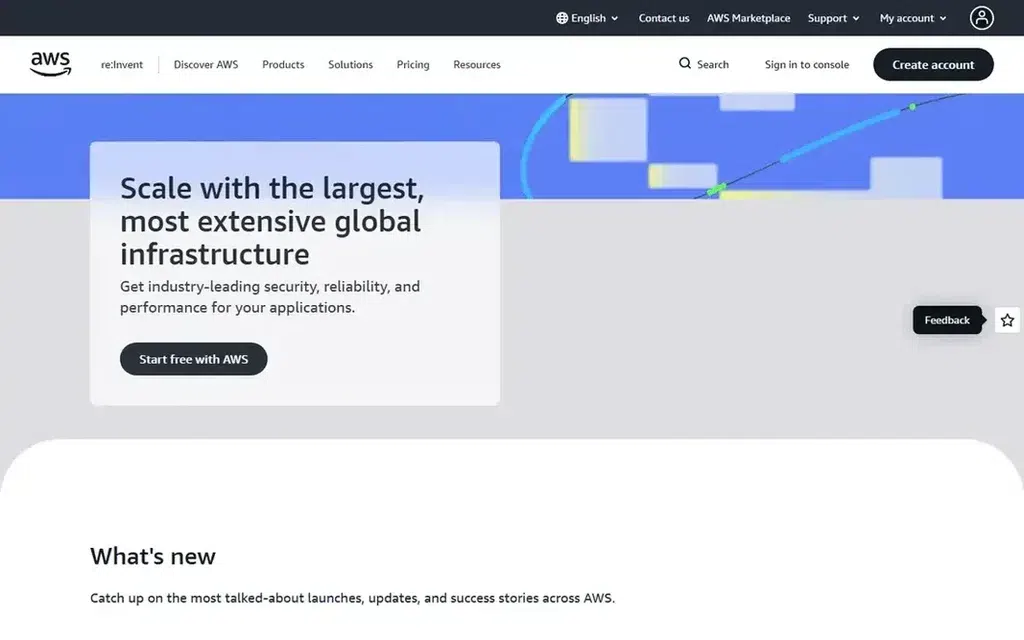
Amazon Redshift was built for managed cloud data warehousing. Amazon Redshift is described as a quick, completely managed cloud data warehouse that makes it simple and economical to analyze all your data.
From a buyer's view, workload tuning can also matter as data volumes grow. Check the vendor site for Amazon Redshift pricing; none is listed in this comparison. Free access: Not stated.
What to check first: Warehouse-centric instead of full AI suite.
- Completely managed cloud data warehouse
- Positioned as straightforward and economical
- Tuning may be needed for large workloads
Databricks makes the most sense for unified data, analytics and AI. Databricks presents itself as a unified system for data, analytics and AI, built around a data-centric approach.
Watch-outs: Needs engineering maturity to run well.
If you primarily want a managed SQL warehouse with minimal setup, a more straightforward warehouse service may suit you better. No starting price is listed for Databricks here; confirm pricing on the vendor site. Free plan details: Not stated.
- Single system for ETL
- Supports diverse analytics workloads
- Wide scope can mean a steeper ramp-up time
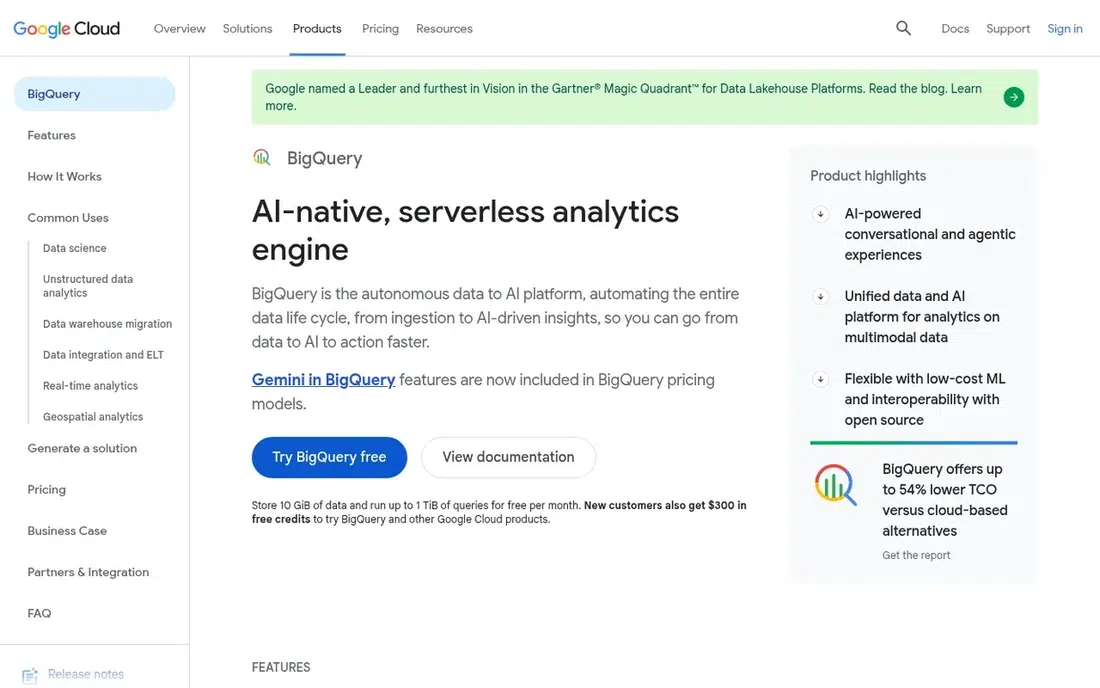
Google BigQuery was built for autonomous, serverless analytics. Query costs can also be hard to forecast as usage grows, so teams should plan governance and monitoring early. Google BigQuery describes itself as an autonomous data and AI system that automates the whole data life cycle, helping teams move from data to AI to action quicker.
What to check first: Best value inside Google Cloud.
It is aimed at organizations that want managed analytics without heavy infrastructure work, and it suits teams already building on Google Cloud services. Since BigQuery is deeply tied to Google Cloud, enterprises standardized elsewhere may face integration overhead. Google BigQuery shows no starting price here, so confirm the cost on the vendor site. Free options: Not stated.
- Managed and serverless in design
- Automates the data life cycle
- Costs can be harder to predict at scale
How these tools were picked
For each of the 6 tools we noted price, free plan or trial, fit for enterprise data platform for analytics and the main limit, using vendor pages and documentation. Plan names, prices and limits change often. Treat the figures here as a starting point and verify them with the vendor. Tools are placed by general fit for enterprise data platform for analytics, with price clarity and free access as tie-breakers. A different team can reasonably rank them differently.
A buyer's checklist
- Ask each vendor, from Teradata Vantage to Google BigQuery, for a written quote; none of them publishes a starting price.
- Use real work to test the free trial from Microsoft Fabric, rather than a demo project.
- Read the limits listed for Teradata Vantage first: specialized skill set commonly required.
- Find out what support Microsoft Fabric includes on your plan, and whether onboarding help costs extra.
- Let daily users try Teradata Vantage on real work; their feedback beats any feature checklist.
FAQ
Do these tools publish their prices?
No. None of the tools, from Teradata Vantage to Google BigQuery, shows a fixed starting price here, so budget time for quotes.
How are the tools for enterprise data platform for analytics ordered?
Teradata Vantage sits first and Google BigQuery last because the order follows typical fit for enterprise data platform for analytics, then price clarity and free access. It is a judgement call, so read each profile for fit and limits.
Does any tool for enterprise data platform for analytics here have a free plan?
A permanent free plan is not offered by Teradata Vantage, Google BigQuery or the other tools here. Microsoft Fabric offer a trial. Plan a short evaluation period instead.
How do I choose between Databricks, BigQuery and Redshift?
Databricks emphasizes a unified data and AI system, BigQuery emphasizes autonomous, managed analytics, and Redshift emphasizes a completely managed cloud data warehouse.
Can I try these tools before paying?
Often, yes. Microsoft Fabric offers a free trial. Use your own data and a real task during the test, and check what the free tier or trial limits before you rely on it.
Sources
- https://www.teradata.com
- https://www.microsoft.com/en-us/microsoft-fabric
- https://azure.microsoft.com/en-us/products/synapse-analytics
- https://aws.amazon.com/redshift
- https://www.databricks.com
- https://cloud.google.com/bigquery