Choosing Graph Analytics Tools for Lakehouse Datalake in 2026: 5 Options Compared
Weighing the best graph analytics tools for lakehouse datalake? We lined up 5 products by cost, free access and fit. Real limits included. Numbers first.
- Editor's choiceUltipa
High-performance graph with explainable AI
Starts atSee websiteVisit ultipa.comFull review - Great alternativeTigerGraph
Live fraud and entity analytics
Starts atSee websiteVisit tigergraph.comFull review - Also considerGoogle Cloud BigQuery
Analytics on Google Cloud lakehouse data
Starts atSee websiteVisit cloud.google.comFull review
Direct answer
Start with Ultipa if you need high-performance graph with explainable AI. Listed starting prices: Neo4j Graph Database from $0.09 per GB per hour. Alternatives: TigerGraph for live fraud and entity analytics, and Google Cloud BigQuery for analytics on Google Cloud lakehouse data. All 5 tools are compared below on price, free plan and limits.
TL;DR:
- Number one here is Ultipa, a fit for high-performance graph with explainable AI.
- Amazon Neptune fits managed graph database on AWS.
- Expect to ask for a quote from Ultipa, TigerGraph, Google Cloud BigQuery and Amazon Neptune; the other tools show a starting price.
- Before buying TigerGraph, weigh this: specialized system to learn.
- Free plans exist at 2 of 5 tools (Neo4j Graph Database, Amazon Neptune).
Last checked November 2026. Prices and plan details were read from the vendors' own pages in November 2026; vendors change plans often, so confirm the current price on the vendor site before you buy.
Quick comparison
| Tool | Best for | Starts at | Free plan? | |
|---|---|---|---|---|
| Ultipa | High-performance graph with explainable AI | See website | Not stated | Visit |
| TigerGraph | Live fraud and entity analytics | See website | Free trial | Visit |
| Google Cloud BigQuery | Analytics on Google Cloud lakehouse data | See website | Not stated | Visit |
| Neo4j Graph Database | Mature graph queries over connected data | $0.09 per GB per hour | Yes | Visit |
| Amazon Neptune | Managed graph database on AWS | See website | Yes | Visit |
Every option for graph analytics tools for lakehouse datalake explained
This LinkVetted guide covers 5 options for graph analytics tools for lakehouse datalake. Each profile lists a starting price, free plan details, strengths and drawbacks, so you can drop poor fits quickly.
Ultipa
Best for: High-performance graph with explainable AI
For high-performance graph with explainable AI, Ultipa is a natural candidate. Ultipa describes an ultra-high performance graph database with explainable AI and LLM integration, pitched at processing billions of nodes in live with enterprise-grade security.
What to check first: Less familiar to numerous teams.
Security-conscious enterprises are a stated focus. Ultipa is less widely known than the major graph products, so teams should budget time for evaluation and skills building. Ultipa does not show a starting price in this comparison, so check the vendor site for current pricing. On free options: Not stated.
- Positioned for very large graphs
- Enterprise-grade security focus
- Specialized deployment considerations
TigerGraph
Best for: Live fraud and entity analytics
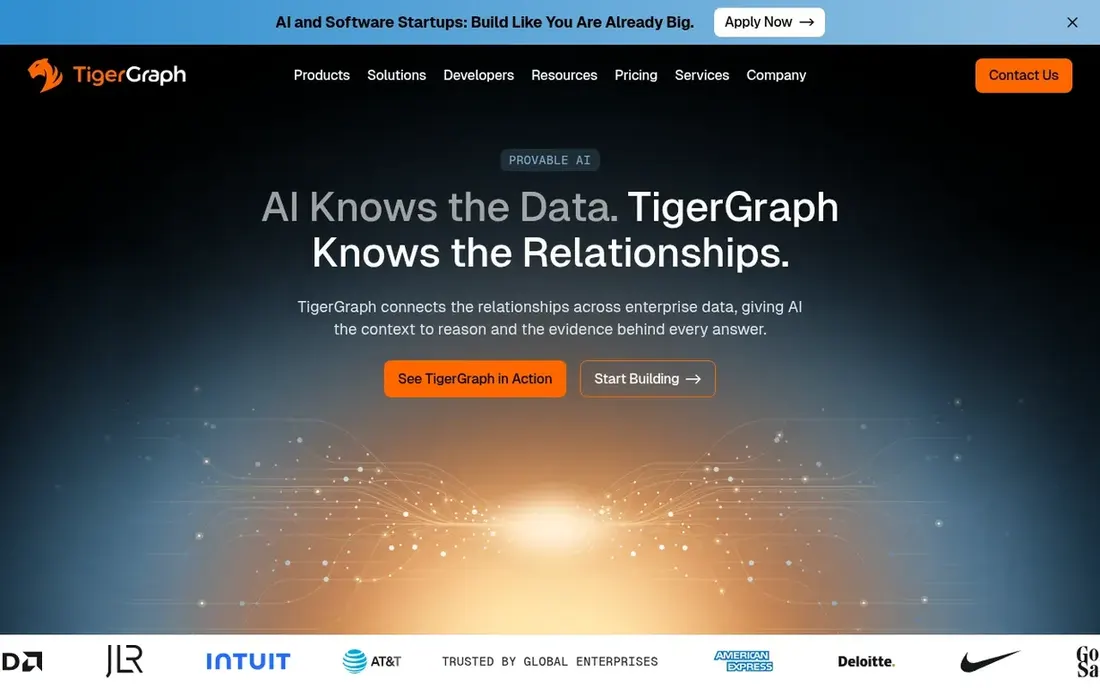
TigerGraph makes the most sense for live fraud and entity analytics. TigerGraph presents itself as a graph database for live AI and analytics, with stated use cases in fraud detection, entity resolution and uncovering hidden connections at enterprise scale.
Where it falls short: Needs clear use case definition.
For everyday use, pick TigerGraph when live connection analysis is central to the business. On top of that, the product is specialized, so onboarding and skills development take time, and value relies on having a concrete analytical use case. No starting price is listed for TigerGraph here; confirm pricing on the vendor site. Free access: Free trial.
- Fraud and entity resolution use cases
- Enterprise-scale positioning
- Specialized product to learn
Google Cloud BigQuery
Best for: Analytics on Google Cloud lakehouse data
Google Cloud BigQuery is a good fit for analytics on Google Cloud lakehouse data. Use it as the analytical foundation when wide data processing matters more than specialized graph query features.
Pricing for Google Cloud BigQuery is not stated here, so ask the vendor for current figures. Trial and free access: Not stated.
Drawbacks to consider: Graph work may need external tooling.
- Autonomous data and AI system
- Automates the data life cycle
- Google Cloud alignment required
Neo4j Graph Database
Best for: Mature graph queries over connected data
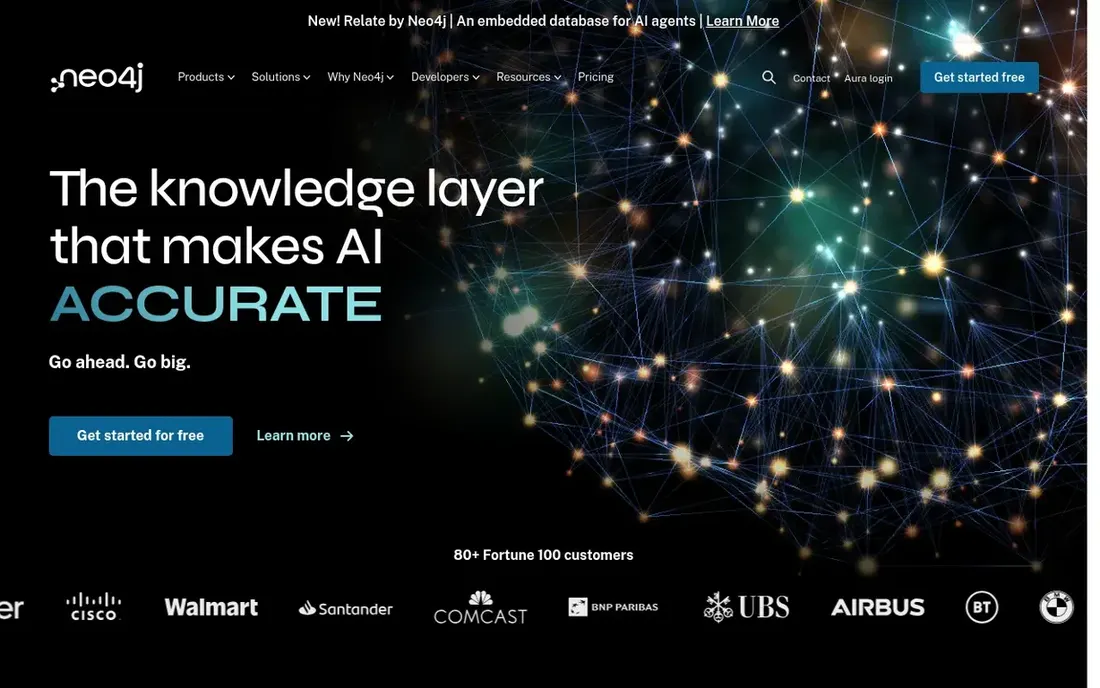
Neo4j Graph Database is built with mature graph queries over connected data in mind. Neo4j Graph Database is a graph data system built around storing and querying data as connected nodes and relationships.
Where it is weaker: Lakehouse integration needs planning.
From a buyer's view, if your priority is keeping graph work entirely inside an existing cloud data product, a managed cloud service or the lakehouse vendor itself may fit better. Choose Neo4j when graph query depth is the core requirement. Entry price for Neo4j Graph Database: $0.09 per GB per hour. Neo4j Graph Database has a free plan.
- Well documented graph product
- Expressive graph query language
- Needs graph modeling effort
Amazon Neptune
Best for: Managed graph database on AWS
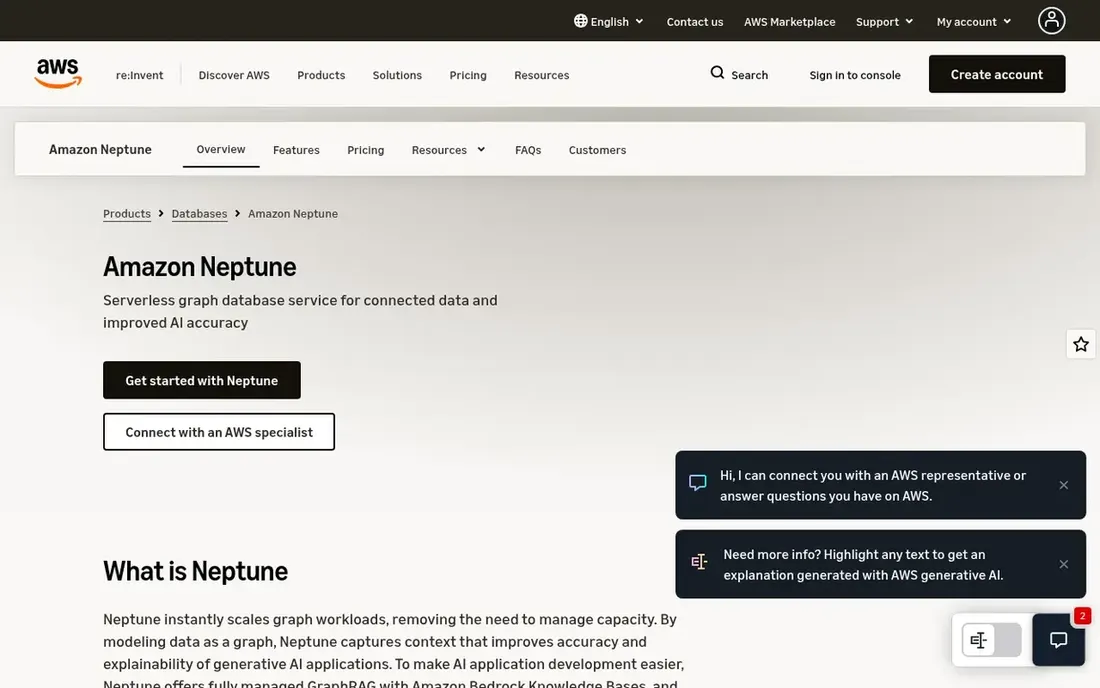
Where Amazon Neptune fits: managed graph database on AWS. Amazon Neptune is a quick, completely managed graph database service from AWS, described for use cases for example identity graphs, knowledge graphs and fraud detection. Beyond that, consider it when AWS alignment and managed operations matter more than a standalone graph system.
Worth adding: managed operations cut the burden on system teams. From a buyer's view, since it is an AWS service, organizations running primarily on other clouds may find it a poor fit. No starting price is listed for Amazon Neptune here; confirm pricing on the vendor site. Amazon Neptune includes a free tier.
Watch-outs: Tied to AWS environment.
- Completely managed service
- Supports identity and knowledge graphs
- Graph modeling still required
How we chose
We compared the tools on published pricing, free plan or trial availability, feature coverage for graph analytics tools for lakehouse datalake, and the limits each vendor documents. Where a price is missing, the vendor does not list one publicly or ties it to a quote. Always confirm before budgeting. Tools are placed by general fit for graph analytics tools for lakehouse datalake, with price clarity and free access as tie-breakers. A different team can reasonably rank them differently.
What to check before you buy
- Confirm the entry price on the vendor page. For Ultipa, TigerGraph, Google Cloud BigQuery and Amazon Neptune that means a quote rather than a fixed price.
- Look at free plan limits closely: Neo4j Graph Database and Amazon Neptune have one, and the caps decide whether it is usable for real work.
- Use real work to test the free trial from TigerGraph, rather than a demo project.
- Before choosing Ultipa, weigh its main limit: less familiar to numerous teams.
- Check the integration list for Amazon Neptune against the tools you run today, and note which ones need a higher plan.
- Before you load data into Ultipa, check what an export looks like and who can run it.
FAQ
How are the tools for graph analytics tools for lakehouse datalake ordered?
The order follows typical fit for graph analytics tools for lakehouse datalake, with Ultipa first and Amazon Neptune last, then price clarity and free access. It is editorial judgement, not a score, so another team could rank the tools differently.
Is Ultipa the right pick for everyone comparing graph analytics tools for lakehouse datalake?
No single tool suits every team. Ultipa comes first because it fits high-performance graph with explainable AI, while TigerGraph suits real-time fraud and entity analytics and Google Cloud BigQuery suits analytics on Google Cloud lakehouse data. Match the tool to your own size, budget and workflow before deciding.
Do these tools publish their prices?
Not all of them. Ultipa, TigerGraph, Google Cloud BigQuery and Amazon Neptune publish no starting price, so expect a quote request for those. The rest, Neo4j Graph Database included, show a starting price, though seats and billing terms still change the final cost.
Do I need a dedicated graph database if I already use a lakehouse?
A lakehouse product can deal with wide analytics, but relationship-heavy traversal and live connection analysis frequently benefit from a dedicated graph database. Match the choice to how central graph queries are to your work.
Can I try these tools before paying?
Often, yes. Neo4j Graph Database and Amazon Neptune have a free plan and TigerGraph offers a free trial. Use your own data and a real task during the test, and check what the free tier or trial limits before you rely on it.
What should I check before buying a graph analytics tool?
Confirm lakehouse integration, query language support, governance and security controls, deployment model and skills requirements. Also test with your own data shape, since graph performance depends heavily on modeling choices.
Sources
- https://www.ultipa.com
- https://www.tigergraph.com
- https://cloud.google.com/bigquery
- https://neo4j.com
- https://aws.amazon.com/neptune