Best EMR Software for Medical Imaging in 2026: 6 Tools Compared
Compare 6 picks for the best EMR software for medical imaging, with prices, free plans and who each fits. Notes on cost and gaps for each tool. No filler.
- Editor's choice
 Oracle Health
Secure, dependable enterprise imaging options
Starts atPricing on requestVisit oracle.comFull review - Great alternativeAllscripts
Data-driven healthcare options
Starts atPricing on requestVisit allscripts.comFull review - Also consider
 Epic
Large health systems with integrated imaging
Starts atPricing on requestVisit epic.comFull review
Direct answer
Oracle Health is the first pick on this list for secure, steady enterprise imaging options. Look at Allscripts for data-driven healthcare options, and at Epic for large health systems with integrated imaging. The remaining 3 options are covered below with pricing notes and limits. None of these vendors publish plan prices, so pricing is on request for every option.
TL;DR:
- The list opens with Oracle Health, aimed at secure, dependable enterprise imaging options.
- MEDITECH is the one to check for integrated EHR for hospitals and communities.
- A fair warning about Oracle Health: enterprise focus may not suit small practices.
- Oracle Health, MEDITECH and the 4 others all sell by quote; expect sales conversations before you see a price.
- None of the 6 tools, from Oracle Health to MEDITECH, has a free plan, so budget for a subscription or use a trial.
Last checked November 2026. Pricing on request: vendors did not publish plan prices when this guide was last checked (November 2026), so ask each vendor for a written quote.
Quick comparison
| Tool | Best for | Starts at | Free plan? | |
|---|---|---|---|---|
| Oracle Health | Secure, dependable enterprise imaging options | Pricing on request | Not stated | Visit |
| Allscripts | Data-driven healthcare options | Pricing on request | Not stated | Visit |
| Epic | Large health systems with integrated imaging | Pricing on request | Not stated | Visit |
 eClinicalWorks | Ambulatory practices seeking versatile EHR | Pricing on request | Not stated | Visit |
 NextGen Healthcare | Specialty practices with imaging needs | Pricing on request | Not stated | Visit |
| MEDITECH | Integrated EHR for hospitals and communities | Pricing on request | Not stated | Visit |
Tool-by-tool breakdown
This LinkVetted guide covers 6 options for EMR software for medical imaging. Each profile lists a starting price, free plan details, strengths and drawbacks, so you can drop poor fits quickly.
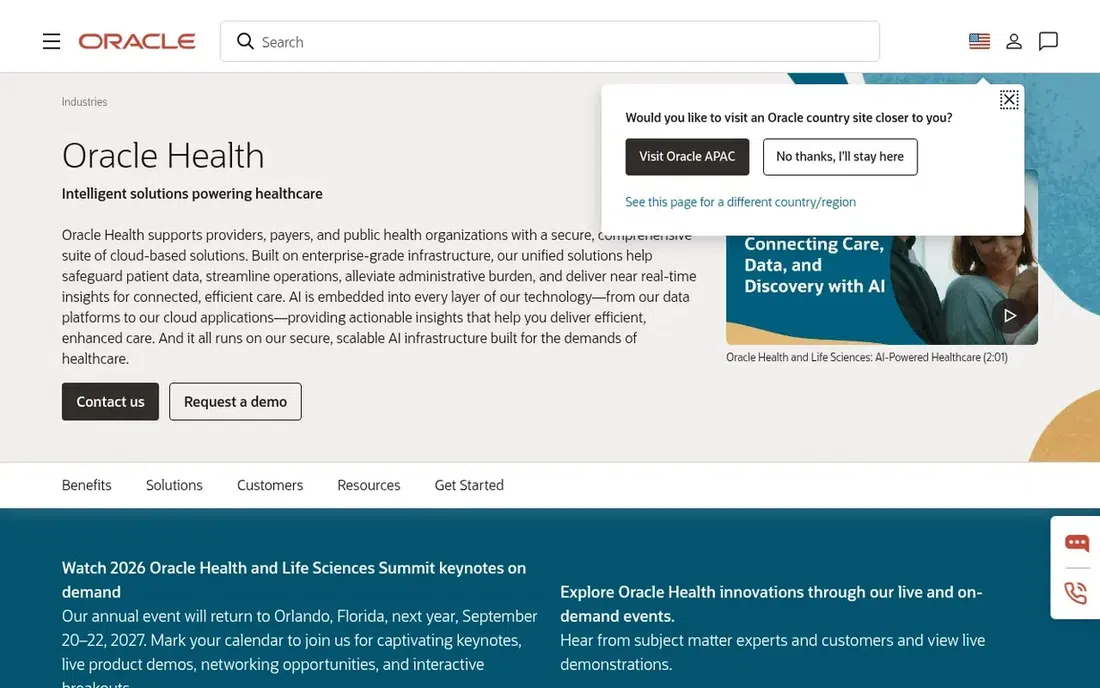
Oracle Health is a good fit for secure, steady enterprise imaging options. Oracle Health offers secure and dependable options pitched at advancing how health happens. Its offerings are built to deliver better healthcare insights and people-centric experiences, which can support imaging data management in enterprise settings.
It is commonly considered by organizations looking for a solid, secure product. Those seeking a more straightforward, imaging-focused EMR might explore other choices. No starting price is listed for Oracle Health here; confirm pricing on the vendor site. Free access: Not stated.
Downsides: Details on imaging workflows need vendor confirmation.
- Focus on secure and steady options
- Supports healthcare insights
- Enterprise focus may not suit small practices
Allscripts
Best for: Data-driven healthcare options
Allscripts is designed for data-driven healthcare solutions. Allscripts, now associated with Veradigm, supplies data-driven healthcare options and insights. Its wide spectrum of options is meant to meet critical needs at every level of healthcare, which can contain imaging data management.
Limits to weigh: Imaging-specific details need vendor confirmation.
It may appeal to organizations looking for data-centric tools. In practice, the rebranding to Veradigm may produce uncertainty about product lines, and imaging features should be verified. As for the details, practices seeking a dedicated imaging EMR might find other choices more straightforward. Check the vendor site for Allscripts pricing; none is listed in this comparison. Free options: Not stated.
- Wide spectrum of healthcare options
- Focus on validated data sources
- Brand transition may cause confusion
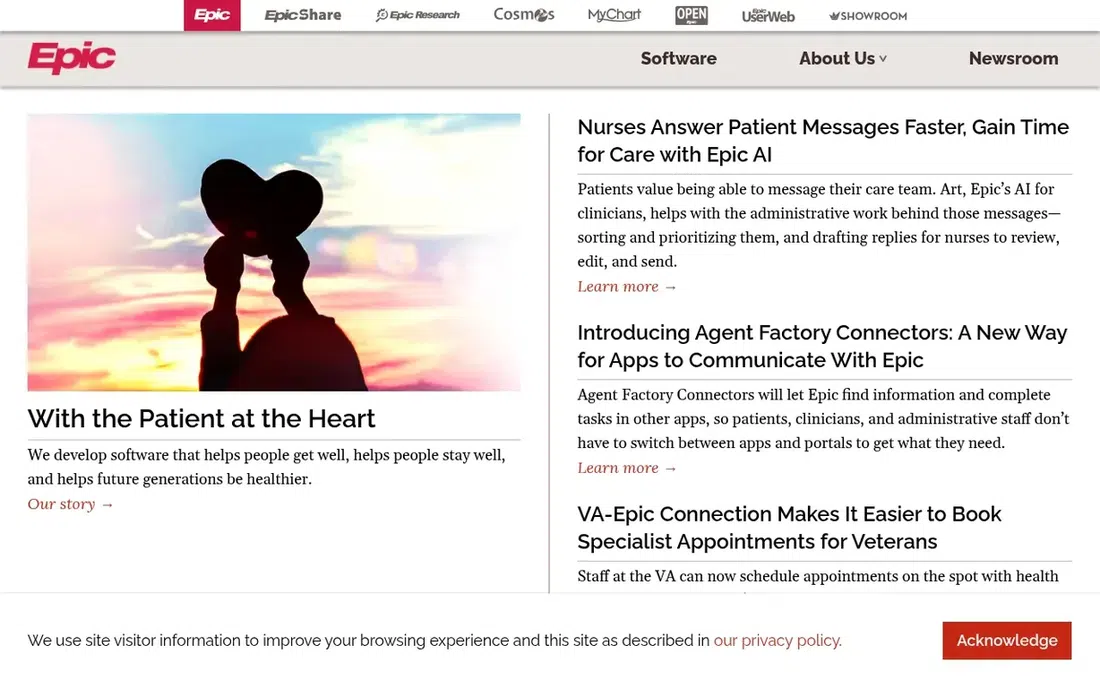
Choose Epic for large health systems with integrated imaging. Epic is a widely adopted EHR product built to help people get well and stay well. It supports integrated workflows that can bundle medical imaging, making it a fit for large hospitals and health systems seeking a unified record.
Honest limits: Usually suited to bigger organizations.
If you run a smaller clinic with restricted resources, a more focused EMR might be a better match. Organizations that require tight coordination between radiology and clinical teams commonly consider Epic. Epic shows no starting price here, so confirm the cost on the vendor site. As for free access: Not stated.
- Capable interoperability across settings
- Thorough EHR with imaging integration
- Implementation can be resource-intensive
eClinicalWorks is aimed squarely at ambulatory practices seeking versatile EHR. eClinicalWorks is a well-known EHR vendor serving ambulatory practices. It generally offers tools that can support medical imaging workflows, such as order management and results viewing.
Where it falls short: User experience can rely on setup.
The depth of imaging integration can vary, and some practices may find customization necessary. Beyond that, practices looking for a versatile EMR that can accommodate imaging may consider eClinicalWorks. Check the vendor site for eClinicalWorks pricing; none is listed in this comparison. Free options: Not stated.
- Widely used in ambulatory settings
- Commonly contains imaging workflow support
- Specific imaging features vary by configuration
Choose NextGen Healthcare for specialty practices with imaging needs. NextGen may not handle every imaging requirement from day one, and some practices might need extra integrations. Beyond that, if your practice is not specialty-focused, a broader EMR could be more appropriate.
Where it is weaker: Best fit for specialty practices.
Worth adding: NextGen Healthcare gives you cloud EHR and practice management solutions with specialty-specific services. It aims to boost efficiency and simplify workflows, which can bundle imaging-related tasks for specialty practices. It is a solid fit for clinics that want tailored features. No starting price is listed for NextGen Healthcare here; confirm pricing on the vendor site. On free options: Not stated.
- Cloud-based efficiency
- Simplified workflows
- May need extras for full imaging
MEDITECH
Best for: Integrated EHR for hospitals and communities
Pick MEDITECH if this describes you: integrated EHR for hospitals and communities. Its integrated approach can support imaging workflows within a single record, making it a good match for hospitals and health systems that value interoperability.
Downsides: May be complicated for small practices.
On top of that, MEDITECH may be more than small practices need, and its imaging capabilities should be confirmed with the vendor. No starting price is listed for MEDITECH here; confirm pricing on the vendor site. Free options: Not stated.
- Used by numerous institutions worldwide
- Completely integrated and interoperable EHR
- Imaging modules need vendor confirmation
How we built this list
Pricing pages, product documentation and feature lists were the main sources, and every entry carries at least one honest drawback. Where a vendor does not publish a price, the entry says quote. Where a price depends on seats or billing term, the entry says so. Tools are placed by general fit for EMR software for medical imaging, with price clarity and free access as tie-breakers. A different team can reasonably rank them differently.
Things to verify first
- Ask each vendor, from Oracle Health to MEDITECH, for a written quote; none of them publishes a starting price.
- Before choosing Oracle Health, weigh its main limit: enterprise focus may not suit small practices.
- Before rolling out Epic, verify the integrations your workflow depends on.
- Add up seats, add-ons and usage charges for eClinicalWorks before comparing it with cheaper entries.
- Ask the daily users to test Allscripts on a live task before you roll it out to everyone.
FAQ
What should I look for in an EMR for medical imaging?
Look for smooth integration with imaging systems like PACS and RIS, solid interoperability, and workflows that support ordering and viewing images. Also consider scalability and vendor support for your specialty.
Can I try these tools before paying?
Not by default. None of the tools, from Oracle Health to MEDITECH, lists a free plan or a free trial here, so ask each vendor for a demo before committing.
How are the tools for EMR software for medical imaging ordered?
The order follows typical fit for EMR software for medical imaging, with Oracle Health first and MEDITECH last, then price clarity and free access. It is editorial judgement, not a score, so another team could rank the tools differently.
Is Oracle Health the right pick for everyone comparing EMR software for medical imaging?
No single tool suits every team. Oracle Health comes first because it fits secure, reliable enterprise imaging solutions, while Allscripts suits data-driven healthcare solutions and Epic suits large health systems with integrated imaging. Match the tool to your own size, budget and workflow before deciding.
Does any tool for EMR software for medical imaging here have a free plan?
A permanent free plan is not offered by Oracle Health, MEDITECH or the other tools here. Plan a short evaluation period instead.
Is Epic right for small imaging practices?
Epic is usually built for large health systems and may be more complex and resource-intensive than small practices need. Smaller imaging practices might prefer a more focused EMR.
Sources
- https://www.oracle.com/health
- https://www.allscripts.com
- https://www.epic.com
- https://www.eclinicalworks.com
- https://www.nextgen.com
- https://www.meditech.com