8 Best EMR Software Options for Clinics and Hospitals in 2026
We compared the best EMR software for hospitals, clinics, and small practices, covering charting, billing, and patient tools to help you shortlist with care.
- Editor's choice
 Epic
Large hospitals and health systems
Starts atSee websiteVisit epic.comFull review - Great alternative
 Oracle Health
Enterprise health systems
Starts atSee websiteVisit oracle.comFull review - Also consider
 athenahealth
Insurance heavy ambulatory practices
Starts atSee websiteVisit athenahealth.comFull review
TL;DR:
- Epic and Oracle Health suit large systems, while athenahealth, eClinicalWorks, and Tebra suit ambulatory practices.
- SimplePractice is the clearest pick for solo therapists, and DrChrono suits tablet first charting.
- Pricing models differ widely, from published monthly rates to collections fees and enterprise quotes.
- Template depth for your specialty and billing fit matter more than a long feature list.
Quick comparison
| Tool | Best for | Starts at | Free plan? | |
|---|---|---|---|---|
| Epic | Large hospitals and health systems | See website | No | Visit |
| Oracle Health | Enterprise health systems | See website | No | Visit |
| athenahealth | Insurance heavy ambulatory practices | See website | Free trial | Visit |
 eClinicalWorks | Ambulatory groups at good value | See website | Free trial | Visit |
 DrChrono | Tablet first charting | See website | Free trial | Visit |
 SimplePractice | Therapists and small mental health practices | $49 per month | Free trial | Visit |
 NextGen Healthcare | Ambulatory and specialty practices | See website | Free trial | Visit |
 Tebra | Independent practices that bill insurance | See website | Free trial | Visit |
The best EMR software
The best EMR software depends on practice size, specialty, and how you bill, since a hospital system and a solo therapy practice need very different tools. The options below span large health systems, ambulatory groups, and small practices, so you can shortlist by fit rather than by brand size alone.
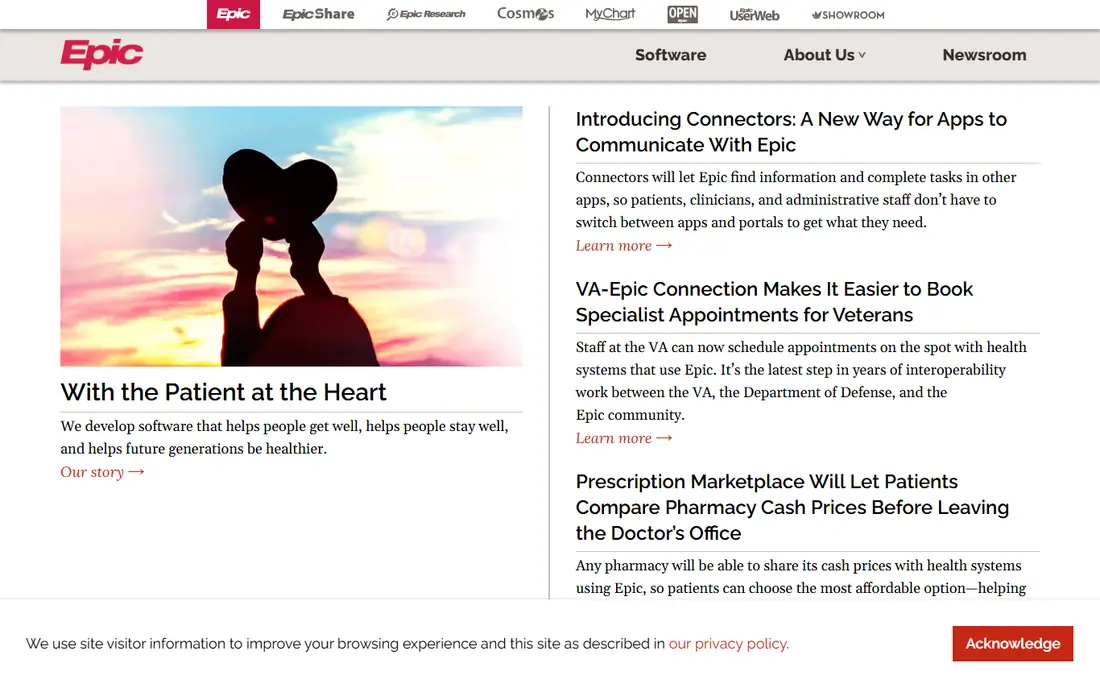
Epic fits large hospitals and health systems that need one record shared across inpatient, outpatient, and specialty care. We checked how it works in daily use, what it costs to start, and what limits show up after the first few weeks, so the notes below reflect practical trade offs.
Specialty modules cover areas such as oncology, obstetrics, and surgery, and the MyChart portal gives patients access to records, messages, and scheduling. Care sharing with other Epic sites helps when a patient moves between clinics and hospitals in the same network.
The rollout is long, the contract is enterprise priced, and small practices can find the system heavy to run. Smaller groups often join through a sponsor program instead, but that means accepting the sponsor build choices, so check governance before you commit.
- Deep specialty modules
- Strong patient portal and sharing
- Broad third party app ecosystem
- High cost and long rollout
- Too much system for a small clinic
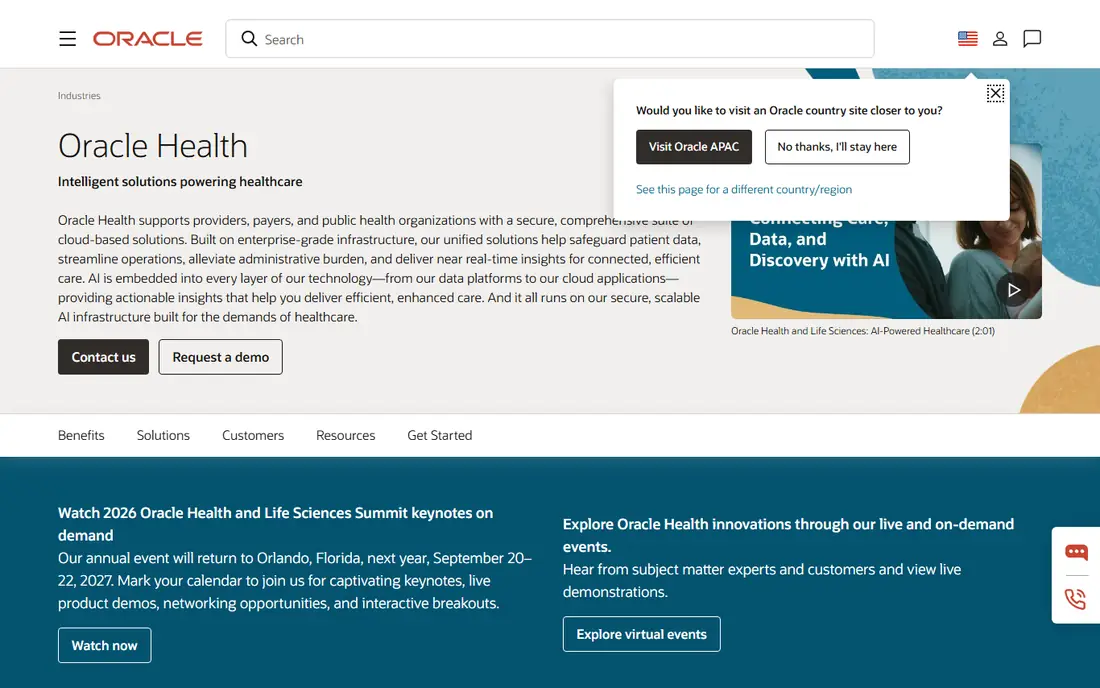
Oracle Health fits health systems that already use Oracle infrastructure or need large scale data exchange across sites. The notes below focus on the core job first, then on costs, coverage, and the small frictions that matter when you use it every day.
The platform, formerly Cerner, covers clinical, financial, and population health work, with cloud tools for analytics and reporting. For a multi site system, that breadth can reduce the number of separate systems needed for records, billing, and reporting.
Implementation needs strong IT leadership and a long timeline, and public pricing is limited, so budget planning needs a vendor quote. Ask about migration, interface work, and support terms early, since those items drive total cost more than the license alone.
- Enterprise EHR with cloud infrastructure
- Interoperability and data exchange
- Analytics and population health tools
- Complex implementation
- Pricing is quote based and hard to compare

athenahealth fits ambulatory practices that want the EHR, billing, and patient engagement in a cloud service with revenue cycle support. We weighed the main benefit against coverage, price, and setup effort, since a strong feature in one area does not fix a gap in another.
athenaOne combines charting, scheduling, billing, and patient messaging, and the vendor network updates payer rules across its customer base. That model helps practices that bill many payers and want fewer claim denials without a large billing team.
The collections based fee means costs rise with revenue, which can feel high for a high volume practice. Compare the fee with an in house billing cost, and check which revenue cycle tasks the vendor handles versus what stays with your staff.
- Cloud EHR plus revenue cycle help
- Patient engagement tools
- Network based payer rules and updates
- Percentage of collections pricing can be costly at scale
- Less control than a self hosted system
eClinicalWorks fits ambulatory groups that need a full EHR, scheduling, and billing at a price below the large enterprise systems. The summary below covers who gains most, what the tool does well, and where you should pause before you commit.
The cloud system covers charting, e prescribing, telehealth, and patient engagement, with revenue cycle services for groups that want billing help. That breadth suits multi provider groups that need one system for daily clinic work and follow up.
Some users find parts of the interface dated, and the rollout experience depends on how well the build matches your workflows. Run a pilot with your own templates and visit types, and confirm training and support terms before you sign.
- Ambulatory EHR with telehealth
- Practice management and billing options
- Patient portal and messaging
- Interface can feel dated in places
- Implementation quality varies by setup
DrChrono fits providers who chart on a tablet during visits and want forms that match their specialty. We looked at the official feature and pricing pages, plus public reviews, to keep the strengths and limits grounded in what the vendor actually offers.
The system was built around iPad use, with custom forms, templates, and photo capture that suit exam room work. Scheduling, billing, and patient messaging sit in the same platform, so a small practice can run daily work without many add on tools.
A tablet workflow does not suit every clinician, and desktop heavy practices should test the web version first. Check template depth for your specialty, and confirm which billing features are included versus sold as an add on.
- IPad friendly charting and forms
- Custom templates for many specialties
- Billing and scheduling in one system
- Mobile first design may not suit every desktop workflow
- Pricing is quote based
SimplePractice fits solo therapists and small mental health practices that need a clean system for scheduling, notes, and billing. The write up below starts with fit, then moves to a concrete strength, then to an honest limit you should check in advance.
The platform covers intake, appointment reminders, secure messaging, telehealth, and billing in a simple layout, which keeps admin time down for a solo provider. Entry pricing is published, so a new practice can budget the monthly cost without a sales call.
The system is not built for hospital workflows or complex multi specialty care, so larger groups will hit limits. Check note templates for your discipline, and confirm payer and telehealth rules for your state before you switch.
- Simple scheduling, notes, and billing
- Client portal and telehealth
- Clear entry pricing for solo practices
- Limited hospital and specialty depth
- Not a fit for large multi specialty groups
NextGen Healthcare fits ambulatory and specialty practices that need templates built for their field, not generic forms. We compared the stated features with the price and plan limits, so you can see where the value holds and where it thins out.
NextGen Enterprise and NextGen Office cover charting, scheduling, billing, and patient engagement, with specialty content for areas such as primary care and behavioral health. Analytics tools help managers track visits, claims, and quality measures in one place.
The setup can be involved, since specialty workflows need careful template work and staff training. Ask for a demo with your own visit types, and get a clear quote for implementation, training, and ongoing support.
- Specialty templates and workflows
- Integrated practice management
- Analytics and patient engagement tools
- Implementation can be involved
- Pricing needs a vendor quote
Tebra fits independent practices that want charting and billing together, with tools to fill the schedule as well. The detail below aims to help you decide in one read, with fit first, proof second, and a clear warning about the main drawback.
Tebra, formed from Kareo and PatientPop, combines an EHR, billing, scheduling, and patient intake, with optional growth tools for reviews and online presence. That mix helps a small practice that needs both clinical work and a steady flow of new patients.
Pricing is modular, so the total depends on which pieces you choose, and the system is not aimed at hospital care. List the modules you need, get a single written quote, and test intake and billing with your own payers during the trial or demo.
- EHR plus billing in one subscription
- Patient intake and scheduling
- Marketing and reputation tools for growth
- Modular pricing can be confusing
- Smaller scale than hospital systems
How we picked these
We compared official feature pages, pricing pages, app store listings, privacy policies, and public reviews for each product. We looked for a clear core job, current availability in October 2026, and a pricing model a reader can check without a sales call where possible.
We did not claim hands on testing, lab use, or months of daily use, since this guide is based on public vendor material and user feedback. Where a price was not clearly published, we wrote See website rather than guess, and we note limits that could change the value for a specific reader.
What to check before you choose EMR software
Match the system to your practice size
A hospital platform can overwhelm a small clinic, while a small practice tool will strain under multi site hospital work. List your provider count, locations, and visit types, then rule out systems built for a very different scale. A system that fits your size will need less custom work to run daily care.
Test templates for your specialty
Generic notes slow clinicians down and create charting gaps. Ask for a demo with your own visit types, and check how templates, orders, and forms handle your most common cases. If a vendor cannot show your specialty workflow clearly, training alone will not fix that gap.
Compare the full cost of billing
Some vendors charge per provider, some charge a share of collections, and enterprise systems quote by contract. Add implementation, training, interfaces, and support to the license cost, and compare the total for a full year. A low monthly rate can cost more if billing support or key modules sit outside the base plan.
Check interoperability and patient access
Patients expect portal access, messaging, and scheduling, and other systems need clean data exchange for referrals and labs. Ask how the system shares records, which standards it supports, and how patients book and message. A closed system creates extra work for staff and friction for patients.
FAQ
What is the top EMR software for hospitals?
Epic is a leading choice among top EMR software companies for large hospitals, thanks to deep specialty modules and broad sharing across sites. Oracle Health is another enterprise option for large systems that need cloud infrastructure and data exchange. Both need a long rollout and a vendor quote, so plan the timeline and budget early.
Which top rated EMR software suits a small practice?
SimplePractice suits solo therapists and small mental health practices, while Tebra suits independent practices that bill insurance. DrChrono suits providers who chart on a tablet. The right pick depends on your specialty, billing mix, and whether you need a full practice system or a simpler charting tool.
How much does the best EMR software cost?
Costs range from published monthly rates for small practice tools to enterprise quotes for hospital systems. SimplePractice lists an entry rate in this guide, while athenahealth uses a collections based model and Epic and Oracle Health quote by contract. Always ask for implementation and support costs in writing.
What is the difference between EMR and EHR software?
In daily use, the terms overlap, and most modern systems in this guide are sold as EHR platforms with interoperability features. An EMR often means the record inside one practice, while an EHR implies sharing across providers and systems. Check the sharing, standards, and portal features rather than relying on the label alone.
Which vendors are among the top EMR software vendors?
The top EMR software vendors in this guide include Epic, Oracle Health, athenahealth, eClinicalWorks, NextGen Healthcare, DrChrono, SimplePractice, and Tebra. Each serves a different segment, so a vendor that leads for hospitals may not be the best fit for a small clinic, and the reverse is also true.