8 Best CTMS Software for Clinical Trials in 2026
Compare the best CTMS software for clinical trials in 2026, with features, compliance notes, and pricing guidance for sponsors, CROs, and research sites.
- Editor's choice
 Veeva Vault CTMS
Mid to large sponsors on the Veeva platform
Starts atSee websiteVisit veeva.comFull review - Great alternative
 Medidata Rave CTMS
Sponsors and CROs running complex global trials
Starts atSee websiteVisit medidata.comFull review - Also consider
 Oracle Clinical One
Large enterprises in the Oracle cloud ecosystem
Starts atSee websiteVisit oracle.comFull review
TL;DR:
- A clinical trial management system should centralize study, site, visit, and document tracking, so teams stop reconciling spreadsheets across sites.
- Veeva, Medidata, and Oracle suit large, global programs, while smaller sponsors and sites often prefer simpler, faster-to-deploy systems.
- Most enterprise CTMS pricing is quote-based, so budget for implementation, validation, and training, not only the subscription.
- Compliance features such as audit trails and role-based access matter more than extra dashboards for regulated trials.
- A trial with the vendor's own data model, or a pilot study, is the safest way to judge fit before a portfolio-wide rollout.
Quick comparison
| Tool | Best for | Starts at | Free plan? | |
|---|---|---|---|---|
| Veeva Vault CTMS | Mid to large sponsors on the Veeva platform | See website | No | Visit |
| Medidata Rave CTMS | Sponsors and CROs running complex global trials | See website | No | Visit |
| Oracle Clinical One | Large enterprises in the Oracle cloud ecosystem | See website | No | Visit |
 Castor | Small biotechs, device firms, and academic sponsors | See website | Free trial for eligible studies | Visit |
 RealTime-CTMS | Research sites and site networks | From $500 per month | Free trial | Visit |
 Clinical Conductor | Sites, hospitals, and site networks | See website | No | Visit |
 Medrio | Small and mid-size sponsors focused on speed | See website | No | Visit |
 OpenClinica | Academic and smaller research teams | See website | Free community edition | Visit |
The best options in this guide
We compared current plans, core features, and limits for each product below, and we kept only products that are available now and fit the topic closely. Prices change, so check the vendor page before you buy, and treat any plan limit as part of the price.
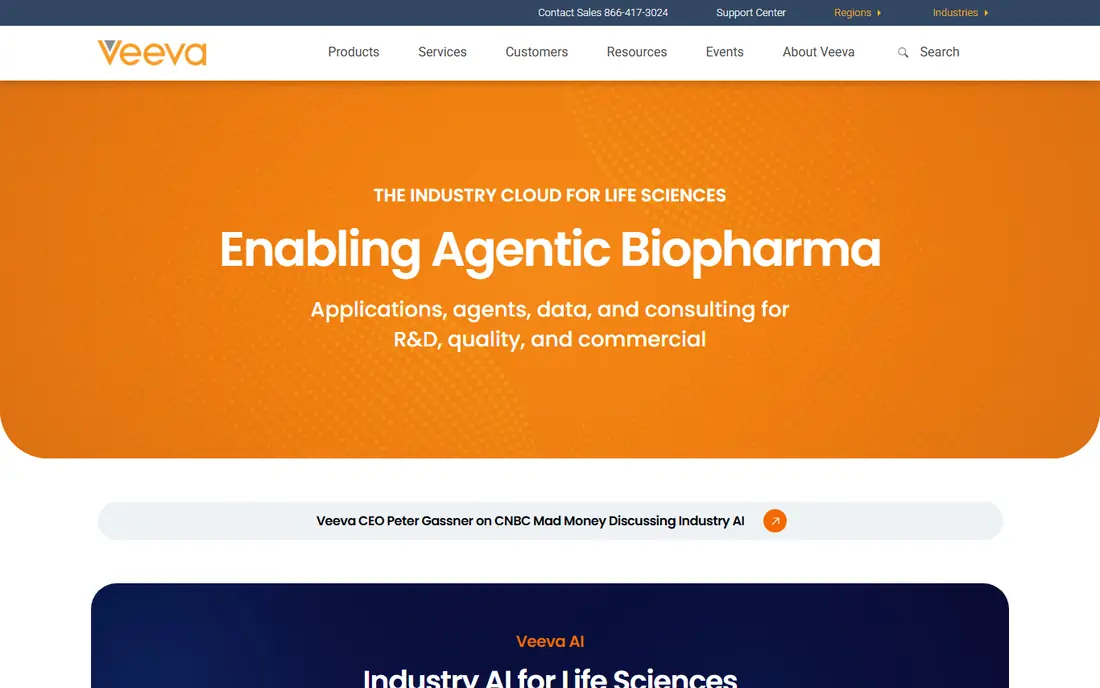
For buyers who need sponsors that already use Veeva Vault and want study, document, and site data on one platform.
The clearest strength is its shared data model with Vault EDC and eTMF reduces duplicate entry between clinical operations and regulatory documents.
The trade-off is pricing is premium and configuration takes time, so a small sponsor may find it more system than a single study needs.
- Shares data with Vault EDC and eTMF, strong site and monitoring views
- Premium pricing, significant configuration work
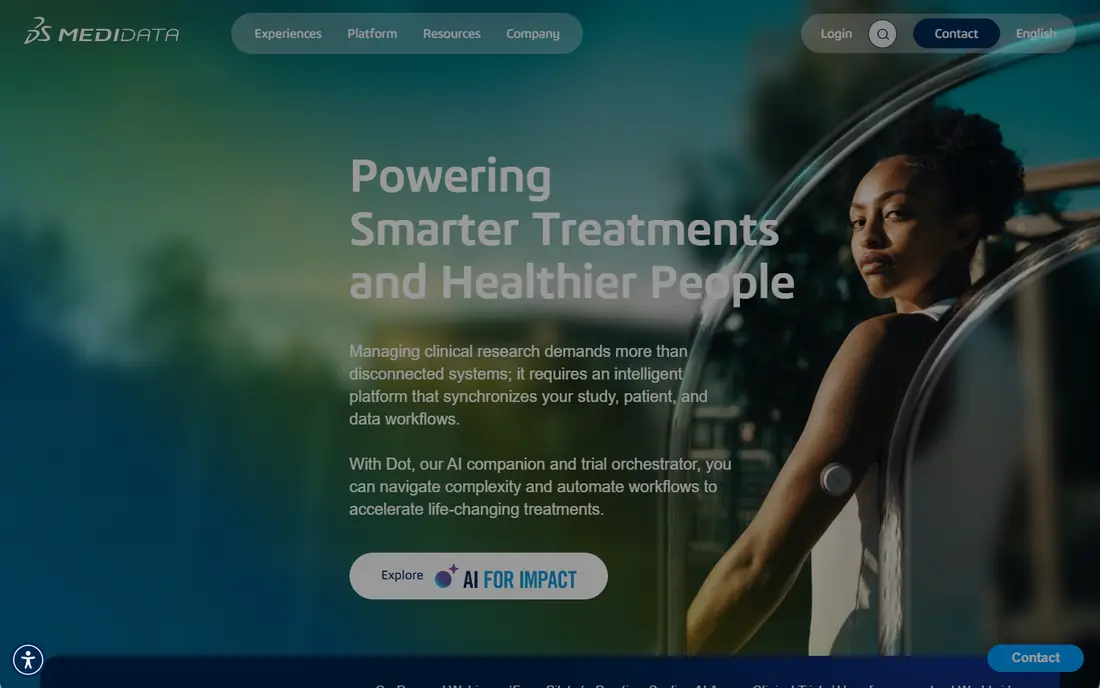
If your main job is sponsors and CROs that run complex, multi-country trials and need strong study planning and monitoring tools.
Where it stands out is its long history in clinical data and operations gives teams a wide set of integrations and reporting options.
The main weakness to weigh is new teams may face a steep learning curve, and smaller studies may not need the full enterprise feature set.
- Deep study planning, real-time tracking, broad integrations
- Complex for new teams, annual enterprise contracts
This is a strong match for large enterprises that already run Oracle systems and want trial operations inside that ecosystem.
Its main advantage in daily use is it brings randomization, supply management, and study operations into a single platform, which helps large programs avoid stitching tools together.
Watch out for pricing is not public and implementation is enterprise-scale, so it is a poor fit for a small sponsor that needs a quick start.
- Unified randomization, supply, and trial operations, global scale
- Opaque pricing, enterprise implementation
Buyers who want small biotechs and academic teams that need a faster setup and a modern interface without enterprise overhead.
A concrete strength worth noting is its faster study build and combined data capture and trial management help small teams start sooner and keep data in one place.
The honest limitation is very large global programs may outgrow it, and teams should confirm which compliance and validation features are included at their tier.
- Faster study setup, EDC and CTMS in one system, modern interface
- Pricing scales with study size, some advanced features on higher tiers
A good fit when research sites and site networks that need visit scheduling, study tracking, and payment workflows in one place.
What sets it apart in practice is its site focus means daily tasks such as visits, documents, and payments are close at hand, rather than buried in sponsor reporting.
A drawback to plan around is a large sponsor managing many CROs may need broader portfolio reporting than a site-focused system provides.
- Site-focused workflows, visit and payment tracking, practical pricing
- Less suited to large sponsor portfolios, site-centric design
Consider this option when sites and hospitals that manage several studies, recruitment, and site finances from one system.
The strongest practical point is it covers the daily site workload, from scheduling and recruitment to study finances, in a way sponsor tools often overlook.
The part that may frustrate you is sponsors looking for portfolio-level oversight across many sites will likely need a sponsor CTMS beside it.
- Site scheduling, recruitment tracking, financial tools
- Site focus limits sponsor portfolio use, quote-based pricing
Teams with small and mid-size sponsors that value speed to first patient and a straightforward study setup.
One feature that earns its place here is its focus on fast startup helps teams that cannot wait months for configuration before enrolling.
One weakness stands out teams should get a written quote tied to study complexity, since costs rise with protocol and site count.
- Fast study startup, EDC integration, straightforward design
- Price scales with study complexity, no public entry price
Small firms that need academic and smaller teams that want an open-source starting point and can manage technical setup.
The most useful strength is the community edition gives a low cost entry point for studies that do not need full enterprise validation on day one.
The compromise here is hosting, validation, and support for regulated use are paid, so total cost can rise once a study needs enterprise controls.
- Open-source community edition, EDC and study tools, lower entry cost
- Enterprise validation and hosting are paid, setup needs technical help
How we picked these
We compared CTMS products by study and site management, monitoring and visit tracking, document handling, integrations with EDC and eTMF, and compliance controls such as audit trails and access permissions. We checked vendor product pages and recent clinical software comparisons in October 2026, and we kept only systems sold for trial management now.
We treated public pricing as a plus, but we did not exclude quote-based enterprise systems, since that is normal in this market. Where pricing is not public, we say so, and we advise readers to request a full first-year cost that includes configuration, validation, training, and support.
Choosing a CTMS for your trial portfolio
Start with who will use the system every day, because sponsor, CRO, and site needs differ. A sponsor needs portfolio reporting and oversight, a CRO needs study build speed and monitoring tools, and a site needs scheduling, recruitment, and payment workflows. A system that serves only one group will create workarounds for the others.
A useful test is to run your real work in the tool for a week, using your own data, clients, or questions, rather than a vendor demo. Note where you hit a limit, where support was needed, and whether reports were clear enough to share. That week of real use usually reveals more than a long feature comparison, and it helps you decide whether a higher plan is needed or a lower plan is enough.
Map your study workflow first
List the steps from protocol setup and site activation to visits, monitoring, payments, and closeout. Check each step in a demo with your own study example, not a vendor sample. Gaps in visit tracking or document handling usually show up only when you test a real protocol.
Confirm compliance and validation needs
Ask which regulations the system supports, how audit trails work, who can change locked data, and what validation documents the vendor provides. For regulated trials, these controls matter more than dashboard design, and they should be confirmed in writing before contracting.
Budget the full first year
Request a quote that covers licences, implementation, validation, migration, training, and support. Enterprise CTMS costs often sit in services and configuration, so a low licence quote can hide a large first-year total. A pilot study helps reveal those costs before a wider rollout.
Start small, then scale
Start on a monthly plan or trial where one is offered, and only move to an annual plan after the tool has proved its fit for at least a month of real work. Annual billing can save money, but it locks you in before you know whether limits, support, or workflow fit your team. When you do scale, check whether extra users, clients, or volume change the price, and keep a note of the renewal date so an annual charge does not surprise you.
FAQ
What does CTMS software do?
A CTMS centralizes study setup, site management, visit tracking, monitoring, documents, and payments for clinical trials. It replaces scattered spreadsheets and gives sponsors, CROs, and sites a shared view of study progress.
Is a CTMS the same as EDC?
No. EDC captures patient data from case report forms, while a CTMS manages the operational side of the trial, such as sites, visits, and monitoring. Many vendors sell both, and integration between them reduces duplicate entry.
Why is most CTMS pricing quote-based?
Pricing depends on study count, site count, user seats, modules, and validation needs, so vendors quote per organization or portfolio. That makes public list prices rare, and it makes a scoping call a normal first step.
Can a small sponsor use an enterprise CTMS?
It is possible, but it may be costly and slow to configure for a single study. Smaller sponsors often start with a faster, mid-market system and move to an enterprise platform when trial volume or global complexity grows.
What should we test in a pilot?
Test site activation, visit scheduling, monitoring reports, document uploads, and payment tracking with a real protocol. Also test user permissions and audit trails, since those controls are hard to fix after go-live.
Sources
https://www.veeva.com https://www.medidata.com https://www.oracle.com https://www.castor.com https://www.realtime-ctms.com https://www.clinicalconductor.com https://www.medrio.com https://www.openclinica.com