Best Ecommerce Software for Local Retail Shops in 2026: Prices, Free Plans and 6 Picks
6 best ecommerce software for local retail shops, with entry costs, free tiers and the buyer each one serves. Concise write-ups of every option. Start here.
- Editor's choice
 Square Online
Shops already using Square in person
Starts atSee websiteVisit squareup.comFull review - Great alternative
 Squarespace Commerce
Refined templates for straightforward keeps
Starts atSee websiteVisit squarespace.comFull review - Also consider
 WooCommerce
Merchants wanting an open-source product
Starts at$29 a monthVisit woocommerce.comFull review
Direct answer
Square Online leads the list, best for shops already using Square in person. Listed starting prices: WooCommerce from $29 a month and Shopify from $19 a month. Squarespace Commerce is the stronger choice for refined templates for straightforward keeps, while WooCommerce suits merchants wanting an open-source product. All 6 tools are compared below on price, free plan and limits.
TL;DR:
- Square Online is the opening pick, best for shops already using Square in person.
- For all-in-one retail commerce product, Shopify is worth a look.
- Shopify has the lowest monthly starting price in this list: $19 per month.
- Squarespace Commerce comes with a trade-off: template structure limits deep customization.
- Neither Square Online nor Shopify, nor any of the other 4 tools, has a permanent free plan; trials and quotes are the norm.
Last checked November 2026. Prices and plan details were read from the vendors' own pages in November 2026; vendors change plans often, so confirm the current price on the vendor site before you buy.
Quick comparison
| Tool | Best for | Starts at | Free plan? | |
|---|---|---|---|---|
| Square Online | Shops already using Square in person | See website | Not stated | Visit |
| Squarespace Commerce | Refined templates for straightforward keeps | See website | Not stated | Visit |
| WooCommerce | Merchants wanting an open-source product | $29 a month | Not stated | Visit |
 Wix eCommerce | Design-led shops wanting simple customization | See website | Not stated | Visit |
 Lightspeed Retail | Point of sale and inventory first | See website | Not stated | Visit |
 Shopify | All-in-one retail commerce system | $19 a month | Free trial | Visit |
Tool-by-tool breakdown
LinkVetted compared 6 ecommerce software for local retail shops. The goal is a practical shortlist: published prices, free plan facts, best-fit use cases and honest limits for every entry.
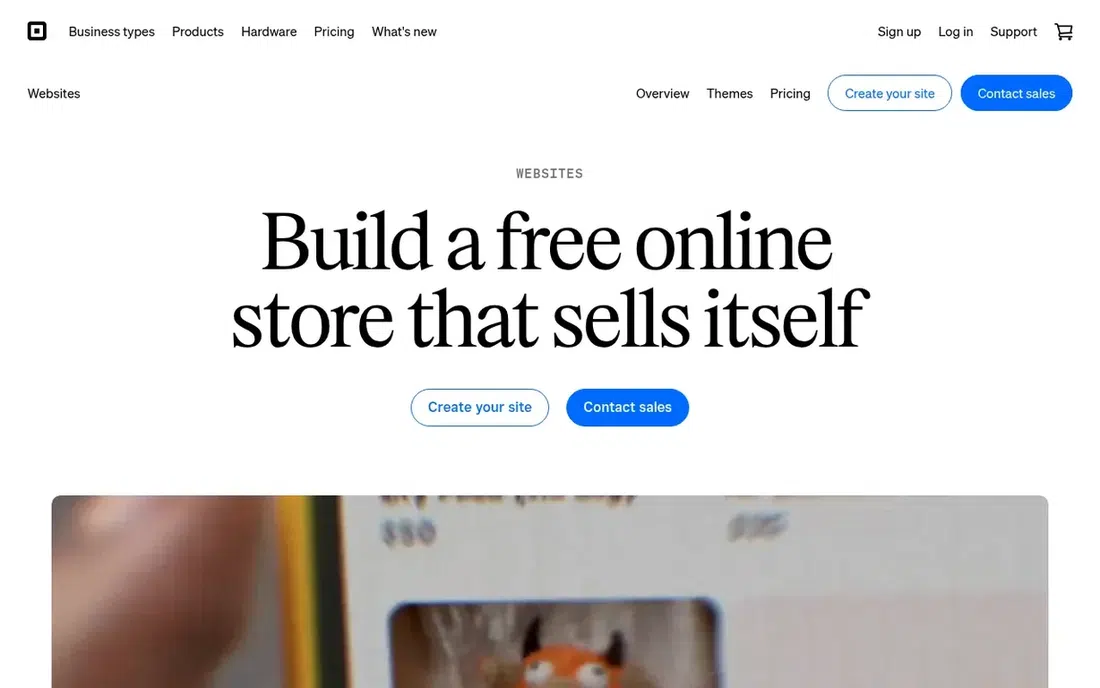
Choose Square Online for shops already using Square in person. Square Online lets merchants produce and customize an ecommerce website that suits their brand, presented as an all-in-one website system. Beyond that, for a local retail shop already taking payments through Square, it keeps online and in-person selling in one ecosystem.
On top of that, customization is practical instead of broad open. The system makes the most sense inside the Square ecosystem, so shops using other payment setups may not gain the same cohesion. Pick a more flexible builder if your store design needs are unusual or you plan to switch payment providers. No starting price is listed for Square Online here; confirm pricing on the vendor site. On free options: Not stated.
Downsides: Best value when paired with Square selling.
- All-in-one website system
- Ties online selling to in-person payments
- Design adaptability is narrower than open builders
Choose Squarespace Commerce for refined templates for straightforward keeps. If you need intricate store logic or a full point of sale system, look at a commerce or retail platform made for that. Worth adding: in-person retail workflows are not the system's focus.
Drawbacks to consider: Less oriented to in-person retail operations.
Local retail shops that want an attractive online presence without building from scratch will appreciate the guided approach. Worth adding: the template-based approach trades deep customization for simplicity, which can feel limiting as a catalog grows complicated. Pricing for Squarespace Commerce is not stated here, so ask the vendor for current figures. On free options: Not stated.
- Template-driven store setup
- Sells products
- Template structure limits deep customization
WooCommerce is aimed squarely at merchants wanting an open-source system. WooCommerce is the open-source ecommerce product that helps merchants and developers build companies for the long term. A shop without technical support may find the upkeep demanding.
Trade-offs to know: Needs more technical involvement.
For a local retail shop with technical help available, it supplies an open foundation that can be shaped to fit unusual requirements. More specifically, open source means more responsibility: hosting, updates and maintenance fall to you or your developer. The starting price for WooCommerce: $29 per month. Free plan details: Not stated.
- Open-source ecommerce system
- Designed for merchants and developers together
- You run hosting and upkeep yourself
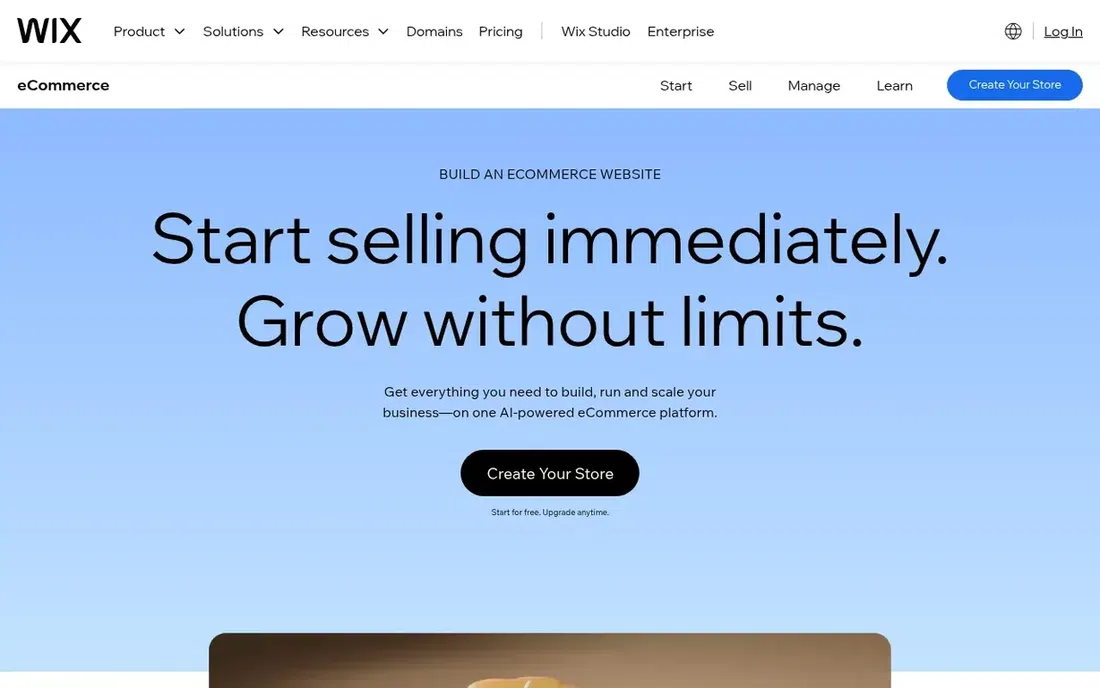
Pick Wix eCommerce if this describes you: design-led shops wanting simple customization. Wix eCommerce is described as an all-in-one ecommerce system for creating a completely configurable online store and selling in more than one place. For everyday use, if your priority is point of sale and inventory management at the counter, a retail-focused system is a better fit.
Limits to weigh: Customization can take time to learn.
The system is oriented toward building and running an online store, so in-person retail operations are not its primary strength. As for the details, local retail shops that care about visual presentation and want to shape their storefront without code will find a lot to work with. As for the details, heavy customization can also slow down a small team. Wix eCommerce shows no starting price here, so confirm the cost on the vendor site. On free options: Not stated.
- Supports selling across several channels
- Completely configurable ecommerce website
- Less centred on in-person retail operations
In short, Lightspeed Retail is for point of sale and inventory first. Since its focus is in-person retail, a shop that mainly wants a richly designed online storefront may find other platforms more natural. For everyday use, pick a commerce product instead if your online catalog and marketing are the central priorities.
For everyday use, Lightspeed Retail is presented as a point of sale system made for in-person retail, combining wholesale buying, inventory management and selling in one place. Online selling is secondary to the retail workflow here. No starting price is listed for Lightspeed Retail here; confirm pricing on the vendor site. Free options: Not stated.
Downsides: Online storefront is not the headline focus.
- Merges running and expanding a store
- Point of sale aimed at in-person retail
- Retail operations take priority over web design

Shopify is designed for all-in-one retail commerce product. Shopify presents itself as an all-in-one commerce system for companies, with tools that go beyond an entry-level ecommerce store to help handle plenty of parts of a business. Beyond that, consider Shopify when online selling and long-term adaptability matter most.
On top of that, since it aims to include so much, the system can feel heavy for a small shop that chiefly needs a straightforward product listing and in-person checkout. Shops whose priority is a tight point of sale and inventory setup may prefer a retail-focused system instead. Shopify cost at the entry level: $19 per month. Free plan details: Free trial.
Points against: Less centered on in-person point of sale.
- Wide feature set for expanding companies
- Built-in tools for many parts of operations
- Large feature set may overwhelm very small shops
Selection criteria
LinkVetted looked at what each vendor publishes: pricing, plan limits, feature coverage for ecommerce software for local retail shops and stated drawbacks. No hands-on testing is claimed. Prices and plan limits come from vendor pages and can change, so confirm them on the vendor site before you buy. Tools are placed by general fit for ecommerce software for local retail shops, with price clarity and free access as tie-breakers. A different team can reasonably rank them differently.
A buyer's checklist
- Ask Square Online, Squarespace Commerce, Wix eCommerce and Lightspeed Retail for a written quote, since no starting price is shown.
- Use real work to test the free trial from Shopify, rather than a demo project.
- Before choosing Square Online, weigh its main limit: best value when paired with Square selling.
- Total up the real monthly cost of WooCommerce, including add-ons, extra users and usage-based fees.
- Find out what support Wix eCommerce includes on your plan, and whether onboarding help costs extra.
FAQ
Can I try these tools before paying?
Often, yes. Shopify offers a free trial. Use your own data and a real task during the test, and check what the free tier or trial limits before you rely on it. All 6 picks in this ecommerce software for local retail shops comparison list a starting price, free plan details and the main limits on their cards above.
How are the tools for ecommerce software for local retail shops ordered?
Square Online sits first and Shopify last because the order follows typical fit for ecommerce software for local retail shops, then price clarity and free access. It is a judgement call, so read each profile for fit and limits.
Do these tools publish their prices?
Not all of them. Square Online, Squarespace Commerce, Wix eCommerce and Lightspeed Retail publish no starting price, so expect a quote request for those. The rest, WooCommerce included, show a starting price, though seats and billing terms still change the final cost.
What is the cheapest option for ecommerce software for local retail shops in this list?
On published monthly entry prices, Shopify is the lowest here at $19 per month. Entry price is only part of the cost, because seats, add-ons and billing terms can change the total. For the full picture, the cards above cover all 6 entries of this ecommerce software for local retail shops list, including price, free plan and limits.
What should I check before committing to a retail ecommerce system?
Confirm that inventory, in-person selling and online ordering work together the way your shop operates. Check customization limits and who manages maintenance.
Do I need an online store if I already have a physical shop?
Numerous local shops benefit from an online presence for browsing, ordering and pickup. On top of that, decide based on how much of your sales you expect to move online.
Sources
- https://squareup.com/us/en/online-store
- https://www.squarespace.com/ecommerce-website
- https://woocommerce.com
- https://www.wix.com/ecommerce/website
- https://www.lightspeedhq.com/retail
- https://www.shopify.com