Best Digital Billboard Advertising Companies in 2026: 8 Companies Compared
Our guide to best digital billboard advertising companies compares reach, programmatic buying and formats, with pricing help for 2026 outdoor campaigns.
- Editor's choice
 Lamar Advertising
Widest United States roadside coverage
Starts atSee websiteVisit lamar.comFull review - Great alternative
 OUTFRONT Media
Transit and urban digital formats
Starts atSee websiteVisit outfront.comFull review - Also consider
 Clear Channel Outdoor
Large market digital bulletins
Starts atSee websiteVisit clearchanneloutdoor.comFull review
TL;DR:
- Lamar, OUTFRONT and Clear Channel Outdoor own the largest roadside digital networks in the United States, while JCDecaux leads in airports and street furniture in many international markets.
- Programmatic platforms such as Vistar Media, AdQuick, Broadsign and Place Exchange let smaller buyers purchase digital billboard time without buying a full four week flight.
- Digital billboard pricing varies sharply by market, location and time of day, so request a written quote for the exact boards and dates before comparing offers.
- Short, high contrast creative with few words works best at driving speed, and motion rules differ by state and by road type.
Quick comparison
| Tool | Best for | Starts at | Free plan? | |
|---|---|---|---|---|
| Lamar Advertising | Widest United States roadside coverage | See website | No | Visit |
| OUTFRONT Media | Transit and urban digital formats | See website | No | Visit |
| Clear Channel Outdoor | Large market digital bulletins | See website | No | Visit |
 JCDecaux | Airports and street furniture | See website | No | Visit |
 Vistar Media | Programmatic digital out of home buying | See website | No | Visit |
 AdQuick | Self serve planning and buying | See website | No | Visit |
 Broadsign | Campaign management for media owners and buyers | See website | No | Visit |
 Place Exchange | Programmatic supply across many networks | See website | No | Visit |
The best digital billboard advertising companies
We compared official inventory pages, programmatic buying tools, format guides and public pricing notes for the firms below, and we kept the focus on companies that sell or place digital billboard space in 2026.
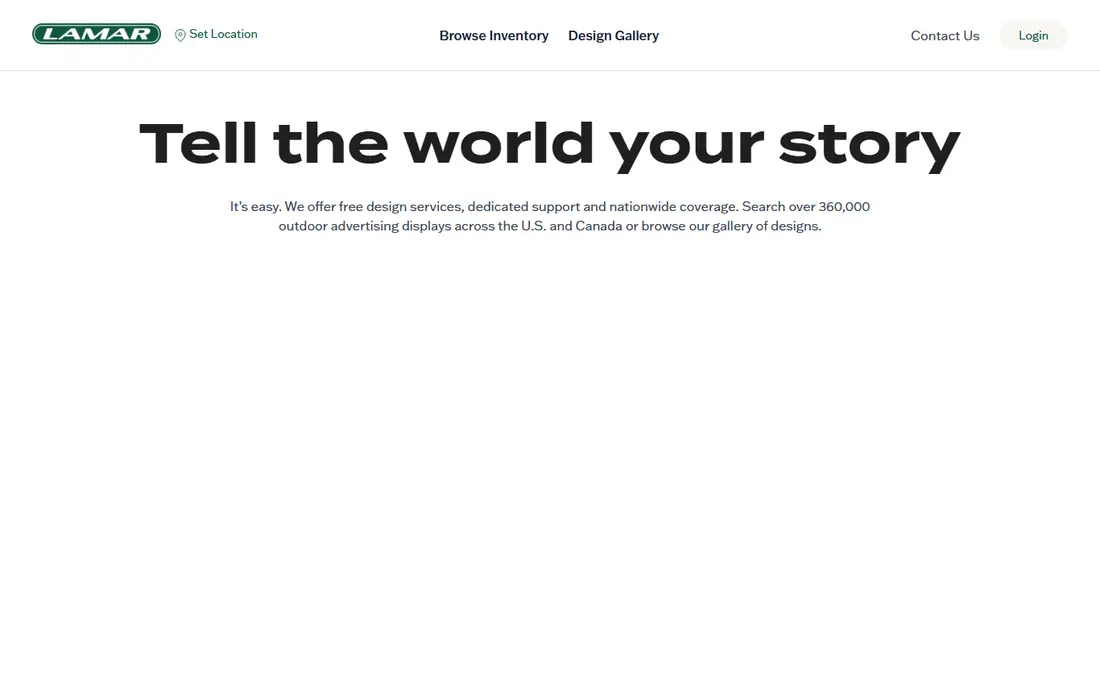
Lamar Advertising operates one of the largest outdoor networks in the United States, with digital bulletins along highways and arterials plus posters and transit formats in selected markets. That scale matters for a regional business that wants the same creative running across several cities, because one vendor can often cover the whole route. Local teams can also help a first time buyer choose boards near stores, events or commuter corridors rather than buying on impressions alone.
The trade off is that Lamar sells by market, board and flight, so two buyers can pay very different rates for similar looking inventory. Ask for the exact board locations, weekly impressions, share of voice and rotation length in writing, and check how often your creative appears in the loop. A board with a long loop and a small share of voice may look cheap and still deliver few plays.
- Very large United States footprint
- Digital bulletins and posters in many markets
- Local sales teams in smaller markets as well as large cities
- Pricing is quoted per market and is not published as a single rate card
- Minimum flights can be costly for a single local business
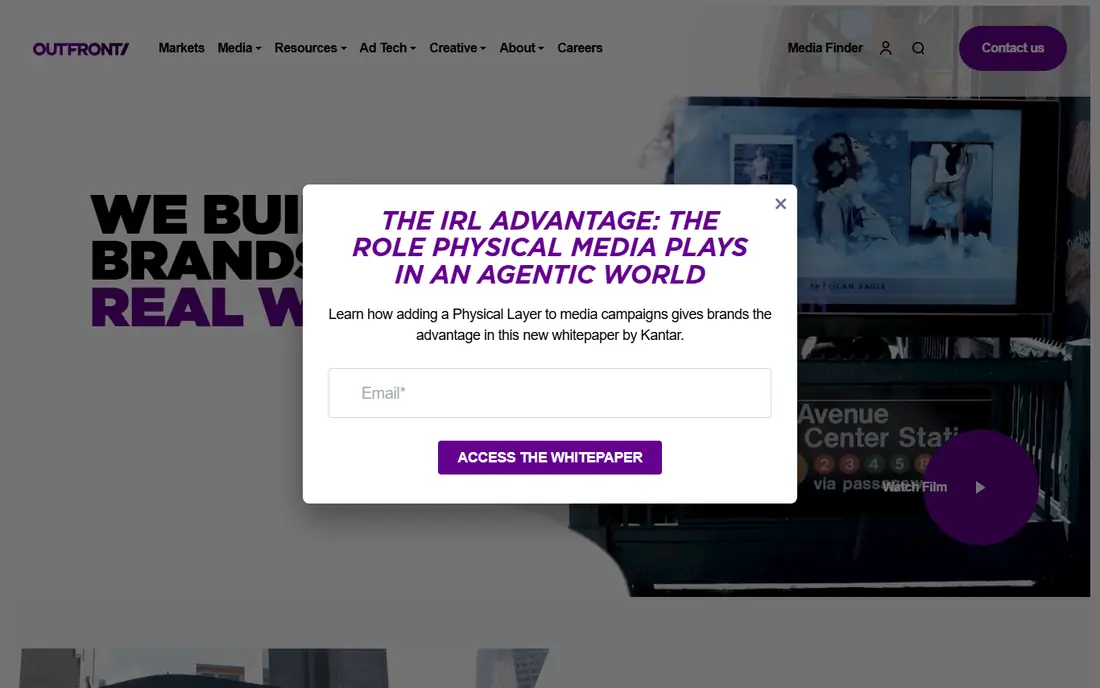
OUTFRONT Media is a strong pick for brands that need to reach people on foot, on transit and in dense city centres, not only drivers on highways. Its portfolio includes digital billboards, transit displays, rail station screens and street level formats, which suits launches, store openings and event campaigns in a single metro area. The company also publishes planning material on audience movement and dayparting, which helps a buyer focus spend on commute hours or event windows.
The weakness is cost and access in the most prized locations. A flagship transit hub or downtown digital board will command a premium, and some transit inventory is tied to concession contracts that limit flexibility. Confirm the exact stations, lines and screen types before signing, since a transit package can mix high value screens with lower traffic placements.
- Strong transit, rail and urban street level inventory
- Large digital network in major cities
- Creative and data planning support
- Premium city inventory can be expensive
- Transit availability depends on local concessions
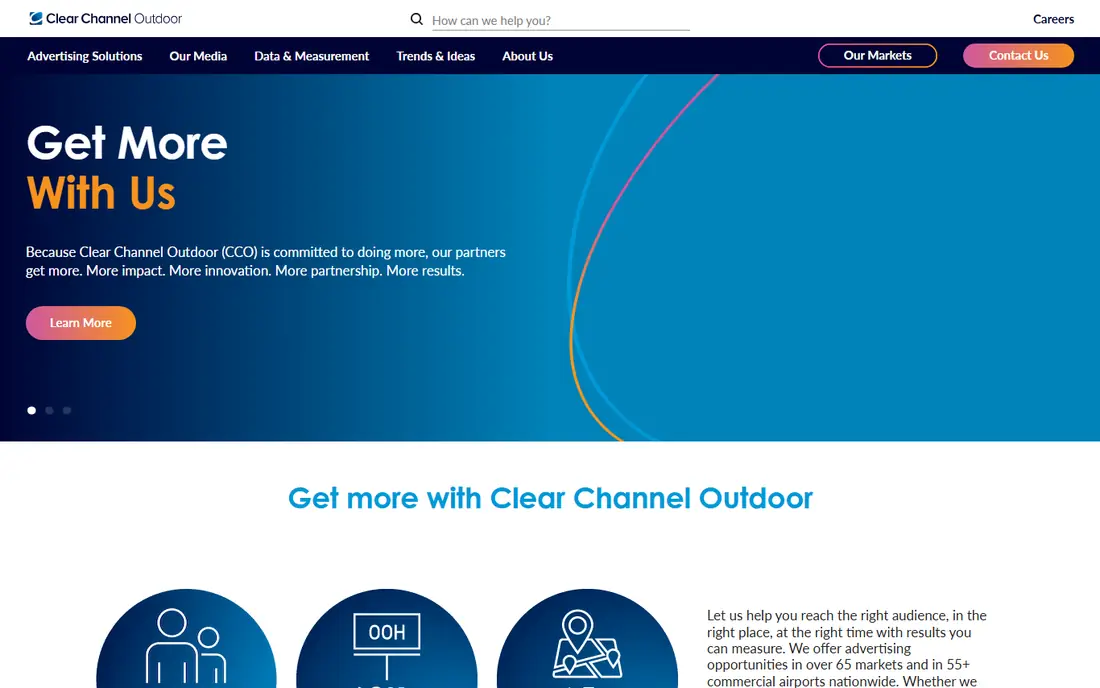
Clear Channel Outdoor has long been one of the three large United States billboard owners, with digital bulletins on freeways and arterials in many large markets plus airport screens through its airports business. For a national brand, that mix of roadside reach and airport dwell time is useful, since the same campaign can reach commuters at home and travellers in transit. Its inventory is also available through programmatic channels, which gives buyers more than one route to the same boards.
Buyers should confirm current details before committing, because a sale announced in early 2026 may change ownership and reporting lines during the year. That does not remove the boards from the market, but it does mean a buyer should verify the sales contact, contract terms and measurement reports for the specific market in question. As with other large owners, pricing is quoted per board and flight.
- Large digital bulletin network in major metros
- Airport inventory in selected markets
- Programmatic access through major platforms
- Portfolio changed after a 2026 sale announcement, so confirm current ownership and inventory
- Pricing is quote based
JCDecaux is the pick to check first for airport campaigns and for street furniture such as bus shelters, city information panels and large format screens in city centres outside the United States roadside model. Its screens sit where people wait, walk and shop, which gives longer viewing time than a highway board seen at speed. For travel, retail and tourism brands, that dwell time can justify a higher cost per impression.
The limit is geography and format. JCDecaux does not match Lamar or OUTFRONT for United States highway bulletins, so a roadside heavy plan will still need a United States owner. City contracts also bring rules on brightness, content and placement that vary by location. Ask for the full list of sites, screen sizes and operating hours rather than assuming every airport or shelter screen runs the same creative at the same weight.
- Strong international airport and street furniture network
- High quality digital screens in premium locations
- Long experience with city contracts
- United States roadside billboard coverage is thinner than the large United States owners
- City rules can restrict formats
Vistar Media operates as a programmatic platform for digital out of home, connecting buyers to inventory from many media owners through one buying system. That structure suits a buyer who wants to test several cities, dayparts or venue types without negotiating each board separately. Location and movement data can focus delivery on areas near stores or event sites, and reporting shows where impressions were served.
The platform does not remove the need for good creative and a clear goal. A small budget spread across many screens and cities can produce thin coverage everywhere and strong coverage nowhere. Start with one or two markets, a defined radius and a simple call to action, then expand only the placements that delivered reach in the right places.
- Broad programmatic supply
- Targeting by location, time and audience movement
- Measurement tools for exposed audiences
- Best results need clear campaign goals and a realistic budget
- Small test budgets may buy limited premium inventory
AdQuick gives buyers a map based way to browse digital billboard and place based inventory, compare locations and build a plan before talking to a sales team. That transparency helps a marketing manager who is new to outdoor, because it shows what exists in a market rather than relying only on a sales shortlist. The platform also supports programmatic buying for many screens, which can shorten the time from plan to launch.
The limit is that browsing is not the same as booking at a fixed price. Media owners still set rates, approve creative and control availability, so a plan built online still needs confirmation. Inventory depth also varies, with large metros offering far more choice than smaller towns. Use AdQuick to shortlist, then confirm boards, dates and costs in a written proposal.
- Map based planning and transparent inventory browsing
- Supports programmatic and direct buys
- Useful guides on formats and specs
- Final pricing still depends on the media owner
- Smaller markets may have thinner inventory
Broadsign is best understood as the software layer behind many digital out of home networks, covering content management, scheduling, programmatic trading and reporting. Media owners use it to run their screens, and buyers use its demand tools to reach that supply. For an agency or a brand that buys digital out of home often, that shared layer can make trafficking, proof of play and reporting more consistent across networks.
For a single small campaign, Broadsign alone will not solve the buying problem, since the buyer still needs inventory from owners or through a demand partner. It is a stronger fit for repeat buyers, agencies and media owners who need reliable scheduling and audit trails. Ask any partner using Broadsign for proof of play reports by screen and hour, not only campaign totals.
- Widely used content and campaign management software
- Programmatic tools for buyers and sellers
- Supports many screen types
- More of a platform than a single inventory owner, so buyers still need media owner deals
- Setup can be complex for a one off campaign
Place Exchange runs a programmatic marketplace that aggregates digital out of home supply from many publishers and makes it available through demand side platforms. That aggregation suits buyers who already buy display or video programmatically and want to add billboards and place based screens to the same workflow. Measurement partners can link exposure to store visits or other outcomes, which helps justify outdoor spend to a finance team.
The trade off is uneven supply. A marketplace includes premium roadside boards and lower attention place based screens under one label, so a buyer must filter by venue type, screen size and location. Work with a partner who can show the exact publisher list for a campaign, and set frequency and geography limits before launch rather than after spend has run.
- Large programmatic marketplace for out of home
- Integrates with major demand side platforms
- Measurement partnerships
- Inventory quality varies by publisher
- Buyers need demand side platform access or an agency partner
How we picked these
We compared official company pages, inventory descriptions, programmatic platform documentation, format guides and public reviews for large owners and buying platforms. We kept companies that sell, operate or place digital billboard inventory in 2026, and we left out firms that only manufacture screens or only sell static posters with no digital offer. Pricing is quote based across most of this market, so we show See website where a vendor does not publish a single rate, and we advise readers to get board level quotes.
What to check before you buy
Start with the route, not the board
Map where your customers travel, shop and wait, then choose boards on those routes. A board on a busy road that never passes your store may deliver impressions without sales, while a smaller board near a retail park can do more work.
Ask for share of voice and loop length
Digital boards rotate several advertisers. Ask how many advertisers share the loop, how long each slot lasts and how many plays per day your creative receives. Compare that play count across quotes, since a lower price with a smaller share can cost more per play.
Design for three seconds
Use a short headline, one image idea and a simple direction such as a store name or web address. Test the design at small size and from a distance, and follow local rules on motion and brightness for roadside screens.
Measure more than impressions
Request proof of play by board and date, and pair it with store traffic, web searches or promo code use during the flight. Impressions alone do not show whether the right people saw the board at the right time.
FAQ
How much does a digital billboard cost?
Cost depends on market, board location, share of voice and flight length, with large city boards costing far more than small market boards. Most owners quote per board and per four week flight, while programmatic buying prices by impression. Get at least two board level quotes for the same dates before judging value.
Can a small business buy digital billboard time?
Yes, through programmatic platforms and local owners that sell shorter flights or a share of a loop. A small budget works best in one market with a tight geographic focus, rather than spread thin across many cities.
How long should a digital billboard campaign run?
Many direct buys run in four week flights, while programmatic campaigns can run for days or weeks. A short test can show reach and response, but a brand message usually needs several weeks of repeated exposure to build recall.
What file format do digital billboards need?
Most networks accept common image and video formats at set resolutions, with slot lengths often between 8 and 15 seconds for roadside boards. Confirm the exact resolution, file size limit and motion rules for each network before producing creative.
Is programmatic buying better than buying direct?
Programmatic buying offers flexibility, targeting and shorter flights, while direct buying offers guaranteed placement on named boards. Many buyers use both, with direct buys for flagship locations and programmatic buys for wider coverage and testing.
Do digital billboards work for local stores?
They can, when boards sit on routes to the store and the creative gives a clear reason to visit. Pair the flight with a store offer, a local event or a search campaign so you can see a response beyond impressions.