Top 5 Deduction Management Software for 2026 (Prices and Free Plans)
5 tools for the best Deduction management software, compared on pricing, free plans and best-fit use. Each pick lists its main limit. Skim the table first.
- Editor's choiceSAP Deduction Management
SAP-centric finance organizations
Starts atPricing on requestVisit sap.comFull review - Great alternative
 Billtrust
B2B receivables teams concentrated on cash generation
Starts atPricing on requestVisit billtrust.comFull review - Also considerAptean Trade Management
Trade and industry-specific deduction workflows
Starts atPricing on requestVisit aptean.comFull review
Direct answer
Start with SAP Deduction Management if you need SAP-centric finance organizations. Alternatives: Billtrust for B2B receivables teams centred on cash generation, and Aptean Trade Management for Trade and industry-specific deduction workflows. All 5 tools are compared below on fit, free plan and limits. None of these vendors publish plan prices, so pricing is on request for every option.
TL;DR:
- SAP Deduction Management is the opening pick, best for SAP-centric finance organizations.
- One limit worth knowing about Billtrust: Deduction features should be confirmed per module.
- Neither SAP Deduction Management nor Versapay, nor any of the other 3 tools, has a permanent free plan; trials and quotes are the norm.
- SAP Deduction Management, Versapay and the 3 others all sell by quote; expect sales conversations before you see a price.
Last checked November 2026. Pricing on request: vendors did not publish plan prices when this guide was last checked (November 2026), so ask each vendor for a written quote.
Quick comparison
| Tool | Best for | Starts at | Free plan? | |
|---|---|---|---|---|
| SAP Deduction Management | SAP-centric finance organizations | Pricing on request | Not stated | Visit |
| Billtrust | B2B receivables teams concentrated on cash generation | Pricing on request | Not stated | Visit |
| Aptean Trade Management | Trade and industry-specific deduction workflows | Pricing on request | Not stated | Visit |
| HighRadius Deductions | Large receivables teams automating deduction resolution | Pricing on request | Not stated | Visit |
 Versapay | Unified invoice-to-cash with collaborative dispute handling | Pricing on request | Not stated | Visit |
The full Deduction management software list
LinkVetted compared 5 tools for Deduction management software. The goal is a practical shortlist: published prices, free plan facts, best-fit use cases and honest limits for every entry.
SAP Deduction Management
Best for: SAP-centric finance organizations
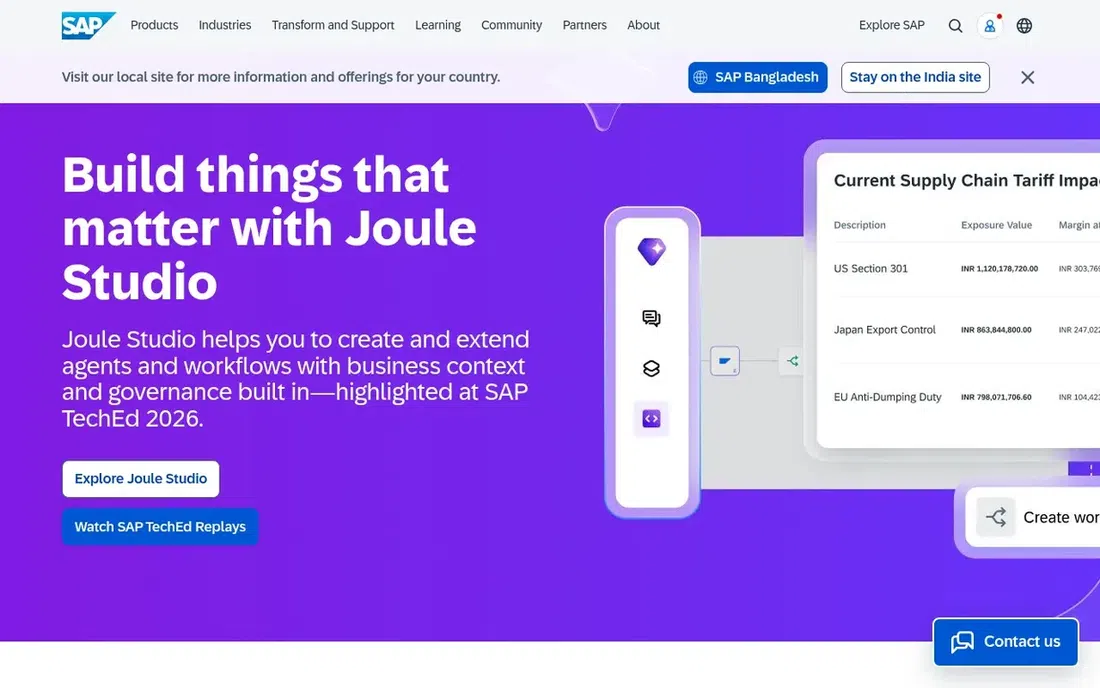
Pick SAP Deduction Management if this describes you: SAP-centric finance organizations. SAP Deduction Management sits within SAP's business applications portfolio, which spans cloud, product and sustainability options across industries and company sizes.
In daily use, the most solid fit is inside a SAP landscape; organizations on other ERPs may prefer a vendor-neutral receivables tool. Rollout usually involves configuration and process design. Pricing for SAP Deduction Management is not stated here, so ask the vendor for current figures. Trial and free access: Not stated.
Where it is weaker: Configuration and rollout can be involved.
- Backed by a wide enterprise application suite
- Deduction handling connected to receivables data
- Best value realized within the SAP ecosystem
For B2B receivables teams centred on cash generation, Billtrust is a natural candidate. Billtrust describes itself as a B2B cash generation system for accounts receivable, pitched at converting earned revenue into cash teams can predict, defend and deploy. Choose Billtrust when deduction handling is part of a wider effort to speed and predict B2B cash collection.
In daily use, teams needing only deduction dispute resolution may prefer a narrower tool. For deduction management, it fits B2B finance teams that want short pays and disputes handled within a receivables system that also spans invoicing and payments, keeping deduction context close to cash application. Beyond that, Deduction-specific depth should be confirmed against the modules you plan to use, since the system spans multiple receivables functions. Check the vendor site for Billtrust pricing; none is listed in this comparison. Free plan details: Not stated.
Downsides: Geared toward B2B receivables operations.
- Accounts receivable product with cash generation focus
- Includes billing and payments alongside receivables
- Deduction features should be confirmed per module
Aptean Trade Management
Best for: Trade and industry-specific deduction workflows

For Trade and industry-specific deduction workflows, Aptean Trade Management is a natural candidate. Teams wanting a light, receivables-only tool may prefer a dedicated choice.
No starting price is listed for Aptean Trade Management here; confirm pricing on the vendor site. Trial and free access: Not stated.
Points against: Needs scoping to your industry setup. Where it shines: Suits food.
- Designed for industry-specific enterprise processes
- Manufacturing and logistics contexts
- Wide product instead of a narrow point tool
HighRadius Deductions
Best for: Large receivables teams automating deduction resolution
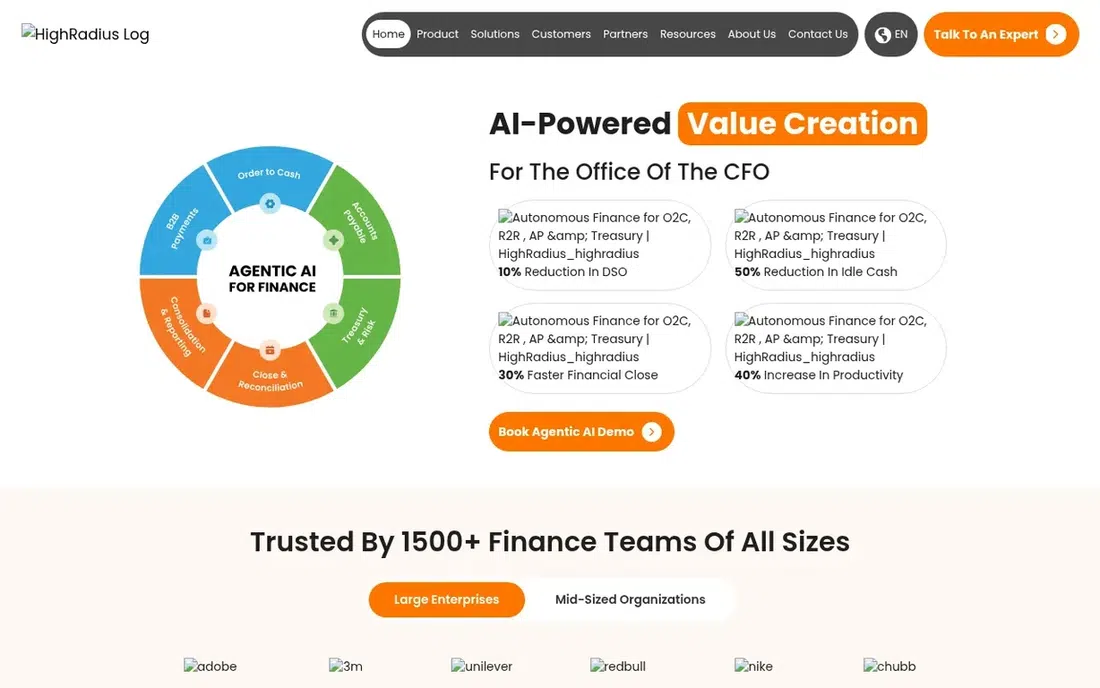
Choose HighRadius Deductions for large receivables teams automating deduction resolution. Buyers should confirm which deduction capabilities are included in their configuration.
Where it falls short: Implementation effort grows with module breadth.
More specifically, pick HighRadius when deduction automation is part of a broader receivables transformation instead of a standalone need. Check the vendor site for HighRadius Deductions pricing; none is listed in this comparison. Free plan details: Not stated.
- Autonomous finance positioning across order-to-cash
- Focus on working capital and days sales outstanding
- Enterprise-scale scope may exceed small teams
Versapay is aimed squarely at unified invoice-to-cash with collaborative dispute handling. For deduction management, it suits teams that want short pays and disputes resolved collaboratively with customers inside the same system used for invoicing, payment and collections, giving a single view from invoice to cash.
Where it is weaker: Deduction depth relies on configuration.
From a buyer's view, Versapay presents a unified invoice-to-cash option, framing accounts receivable as a driver of momentum and emphasizing removal of friction that slows cash flow. Versapay does not show a starting price in this comparison, so check the vendor site for current pricing. Trial and free access: Not stated.
- Unified invoice-to-cash positioning
- Collaboration features for buyer disputes
- Best fit for teams standardizing on one system
How we built this list
The comparison looks at four things: starting price, free access, how well the feature set matches Deduction management software, and the main limit of each tool. Where a price is missing, the vendor does not list one publicly or ties it to a quote. Always confirm before budgeting. The ranking is editorial: typical fit first, then clear pricing, then free access. If your needs are unusual, read the profiles rather than relying on position.
Questions to settle before buying
- Ask each vendor, from SAP Deduction Management to Versapay, for a written quote; none of them publishes a starting price.
- Before choosing SAP Deduction Management, weigh its main limit: best value realized within the SAP ecosystem.
- Confirm minimum seats and billing terms with Billtrust before you commit to an annual plan.
- Test the integrations you rely on with Versapay before committing; some connectors sit on upper tiers.
- Ask HighRadius Deductions which support channels and response times come with the plan you would buy.
FAQ
Should I choose a dedicated deduction tool or a broader receivables product?
Dedicated tools can offer deeper deduction workflows, whereas broader systems keep deductions connected to invoicing, collections and cash application.
Can I try these options before paying?
Not by default. None of the tools, from SAP Deduction Management to Versapay, lists a free plan or a free trial here, so ask each vendor for a demo before committing.
Do these tools publish their prices?
No. None of the tools, from SAP Deduction Management to Versapay, shows a fixed starting price here, so budget time for quotes.
Which teams benefit most from deduction management software?
Finance and accounts receivable teams in B2B environments with frequent short pays, for example consumer goods, manufacturing and distribution, tend to benefit most. Teams with low deduction volume may get enough value from entry-level receivables automation instead.
How are the tools for Deduction management software ordered?
SAP Deduction Management sits first and Versapay last because the order follows typical fit for Deduction management software, then price clarity and free access. It is a judgement call, so read each profile for fit and limits.
Does any tool for Deduction management software here have a free plan?
A permanent free plan is not offered by SAP Deduction Management, Versapay or the other tools here. Plan a short evaluation period instead.
Sources
- https://www.sap.com
- https://www.billtrust.com
- https://www.aptean.com
- https://www.highradius.com
- https://www.versapay.com