Best Customer Service Blogs in 2026: 9 Blogs Compared
Discover the best customer service blogs for 2026, with free blogs on support craft, service culture, AI help desks, and customer success ideas for teams.
- Editor's choice
 Shep Hyken
Service culture and loyalty
Starts atFreeVisit hyken.comFull review - Great alternative
 Jeff Toister
Service research and training
Starts atFreeVisit toistersolutions.comFull review - Also consider
 Help Scout
Small support team craft
Starts atFreeVisit helpscout.comFull review
TL;DR:
- This list covers actual customer service blogs, not software tools, and every blog below is free to read.
- Independent blogs by Shep Hyken and Jeff Toister offer the most vendor-neutral advice on service culture and research.
- Vendor blogs from Help Scout, Zendesk, and Intercom are useful, but read them with their product interest in mind.
- Help Scout is the strongest pick for small support teams that need phrasing, workflow, and hiring advice.
- Pick two or three blogs and read them weekly, rather than skimming many feeds at once.
Quick comparison
| Tool | Best for | Starts at | Free plan? | |
|---|---|---|---|---|
| Shep Hyken | Service culture and loyalty | Free | Yes | Visit |
| Jeff Toister | Service research and training | Free | Yes | Visit |
| Help Scout | Small support team craft | Free | Yes | Visit |
 HubSpot Service Blog | How-to guides and templates | Free | Yes | Visit |
 Zendesk Blog | Help desk and AI at scale | Free | Yes | Visit |
 Intercom | AI support and automation | Free | Yes | Visit |
 CustomerThink | Many voices on service and experience | Free | Yes | Visit |
 ChurnZero | Customer success and retention | Free | Yes | Visit |
 Groove Blog | Startup support and growth | Free | Yes | Visit |
The best customer service blogs
We compared blogs that still publish in October 2026, cover customer service as a main topic, and are free to read without a paid subscription. Each entry below is a blog, with its own homepage as its website, and we note who writes it so you can judge bias.
Shep Hyken is the best-known independent customer service blogger, and his blog is a good daily read for managers who want service culture ideas in plain language. Posts focus on consistency, convenience, and loyalty, with examples from retail, hospitality, and service businesses. The tone is direct, and most posts can be read in a few minutes and shared with a team.
The limit is depth. A short post may spark an idea but will not walk you through building a help desk workflow step by step. Use Hyken for culture, habits, and team discussion, and pair it with a more technical blog when you need process detail or templates.
- Long-running independent voice
- Short, practical posts
- Strong focus on culture and consistency
- Posts are often short, so deep how-to detail can be thin
- Books and speaking are promoted alongside posts
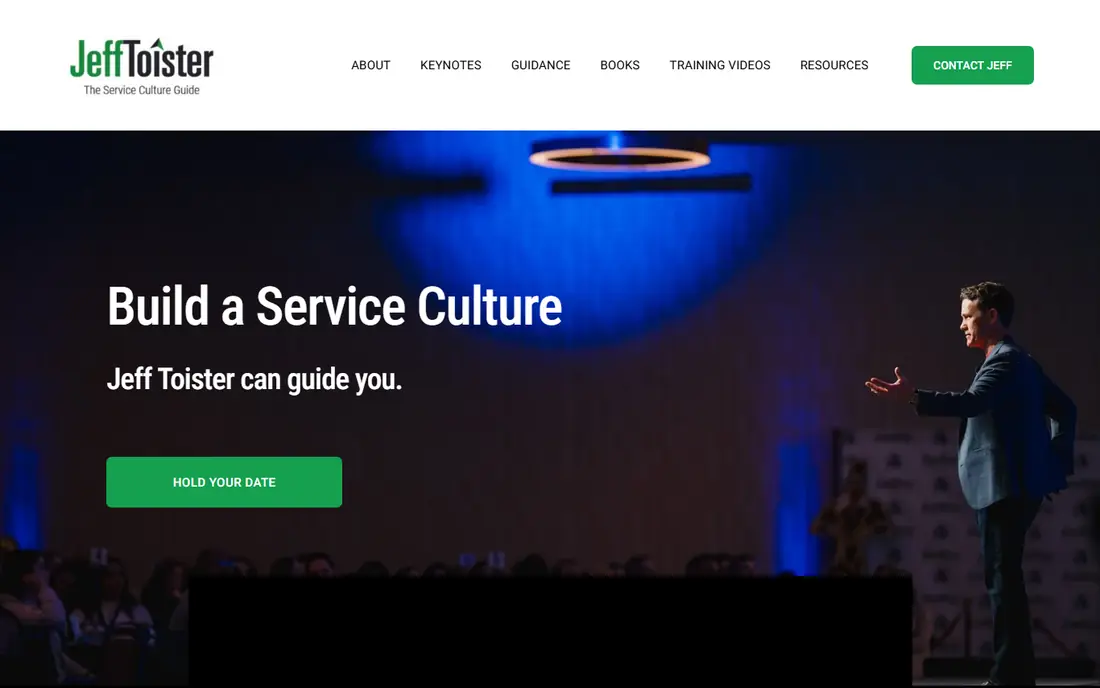
Jeff Toister writes about what agents and customers actually do, drawing on research and frontline experience rather than product news. His blog is strong on training, hiring, and the small behaviors that shape a service interaction, such as tone, ownership, and follow-through. Managers who coach agents will find ideas they can use in a team meeting the same week.
The trade-off is pace and scope. Vendor blogs publish far more often, and Toister does not cover every help desk feature change. Read him for judgment and coaching, and use a vendor blog when you need a fast update on a specific tool or AI feature.
- Research-backed posts
- Training and frontline focus
- Clear writing on agent behavior
- Posting pace is slower than vendor blogs
- Some content points to paid books and courses
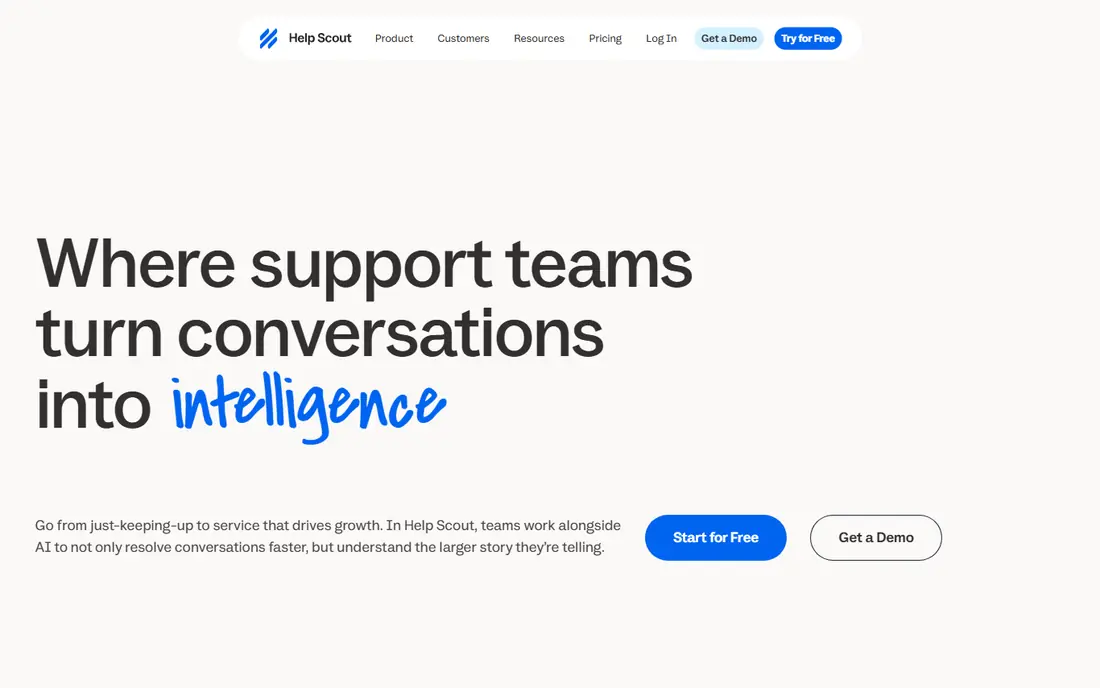
Help Scout is our pick for small and growing support teams, because its blog focuses on the craft of support: how to phrase a hard reply, how to structure a team, and how to avoid burnout. Articles often include examples, scripts, and templates that a team lead can adapt without buying anything. The writing is clear and rarely feels like a sales page.
The honest catch is authorship. Help Scout sells help desk software, so read product claims with care, even when the advice itself is sound. That bias is modest compared with many vendor blogs, but it is still worth noting when a post recommends a workflow that fits its own product best.
- Practical writing on replies, workflows, and team health
- Light on product selling
- Templates and examples
- Written by a help desk vendor, so product bias is possible
- Enterprise scale topics are thinner
The HubSpot Service Blog is useful when you need a how-to guide, a template, or a metric to benchmark your team. It covers customer service, customer success, and support operations, with posts on ticket metrics, onboarding, feedback surveys, and service automation. The library is large enough that a new manager can find a starting point for most common problems.
The downside is breadth. Some posts stay at an introductory level, and HubSpot products appear in many examples. Use it as a reference library and a source of templates, then check a specialist blog for depth on a hard problem such as escalation design or quality scoring.
- Large library of guides and templates
- Metrics and survey data
- Covers service, success, and support
- Vendor-owned, so HubSpot tools feature often
- Some posts are broad rather than deep
The Zendesk Blog is best for teams running support at scale, with posts on AI agents, contact centers, workforce planning, and benchmark data drawn from a large customer base. If you manage a large queue or a multi-channel operation, the numbers and case studies can help you argue for staffing or automation changes.
The catch is bias and scale. Zendesk sells the products discussed, so conclusions that favor its own platform need a second source. Small teams may also find enterprise case studies hard to apply. Read it for trends and data, and test any recommendation against your own ticket data before adopting it.
- Large-scale benchmark data
- Contact center and AI coverage
- Enterprise case studies
- Strong vendor bias toward Zendesk products
- Less useful for very small teams
Intercom is worth following if AI support is on your roadmap. Its blog explains how AI agents, automation, and messaging fit into a modern support operation, often from a product and engineering viewpoint. That angle helps a manager judge what AI can do well, what still needs a human, and how to measure the result.
The limit is focus. If your main problem is staffing, training, or phone etiquette, Intercom will help less than Help Scout or Toister. Also remember that Intercom sells AI support products, so treat its AI claims as a vendor viewpoint and check independent results before buying.
- Strong AI and automation coverage
- Product and engineering viewpoint
- Clear examples
- Vendor-owned and AI-focused, so traditional service topics get less space
- Small-team basics are thinner
CustomerThink is a community site with many writers, which makes it a good place to see different views on service, experience, and customer strategy in one feed. You will find opinion pieces, news commentary, and practitioner posts that a single-author blog would not cover. That variety helps when you want to hear debate, not just one house view.
The trade-off is uneven quality. A community blog cannot match the editing of a single expert blog on every post, so judge each article on its evidence and author background. Use CustomerThink to spot trends and arguments, then follow the strongest authors to their own blogs for deeper work.
- Many contributors and viewpoints
- News and opinion on service and experience
- Broad topic range
- Quality varies by contributor
- Some posts are opinion rather than tested advice
ChurnZero sits just past pure customer service, in customer success and retention, and that is why it belongs here for teams that handle both support and account health. Posts cover onboarding, adoption, renewals, and coaching for customer success managers, with playbooks that a small success team can adapt. If your support work feeds into renewals, this blog connects the two.
The limit is scope. It will not replace a ticket-support blog for reply craft or queue design, and it is written by a customer success vendor. Read it for retention and onboarding, and pair it with Help Scout or Toister for day-to-day support craft.
- Strong retention and onboarding coverage
- Customer success manager coaching
- Practical playbooks
- Focus is customer success, not frontline ticket support
- Vendor-owned, so product bias applies
The Groove Blog is a good read for startup and small-company support teams, with posts on building support from scratch, growing through good service, and learning from customer feedback. The tone is practical and honest, and many posts share numbers and lessons from Groove itself, which makes the advice feel grounded rather than abstract.
The catch is pace. Groove does not publish as often as large vendor blogs, and some older posts date from a smaller stage of the company. Still, the core advice on reply quality, response time, and customer growth holds up, and it pairs well with a more frequent blog such as Help Scout.
- Startup-friendly support advice
- Growth and retention focus
- Honest, practical tone
- Posting pace varies
- Some older posts reflect an earlier stage of the company
How we picked these
We compared blogs that still publish in October 2026, focus on customer service as a main topic, and are free to read, using their own homepages, post topics, and author backgrounds. We did not claim hands-on testing, and we did not invent traffic, subscriber counts, or awards. Vendor blogs are included with a plain note about who writes them, so readers can weigh bias.
How to get value from service blogs
Pick blogs that match your current problem, not just the most popular names. A team fixing reply quality needs Help Scout and Toister, while a team planning AI support needs Intercom and Zendesk. A team building retention needs ChurnZero alongside a service blog.
Build a small reading habit
Choose two or three blogs, read one post a week from each, and share one idea with your team. Note what you tried, what changed in ticket data, and what you dropped. That loop turns reading into better service, while skimming ten feeds rarely changes anything.
FAQ
What are the best blogs on customer service for beginners?
Help Scout and the HubSpot Service Blog are strong beginner picks, because both explain basics with examples and templates. Shep Hyken adds short culture ideas that are easy to share with a new team. Start with those three and add a specialist blog once you know your main problem.
Are the best customer service blogs free to read?
Yes, every blog on this list is free to read on its own homepage, with no paid subscription needed to read standard posts. Some blogs also sell books, courses, or software, but the blog articles themselves are free. Check the site if a specific guide or template asks for an email signup.
Which customer service blog is best for small teams?
Help Scout is our pick for small teams, because it focuses on reply craft, workflows, and team health for growing support teams. Groove is a good second choice for startups, and Jeff Toister helps with coaching and training. Large vendor blogs help more once you scale.
How do I tell a vendor blog from an independent blog?
Check the About page and the site owner. Independent blogs, such as those by Shep Hyken and Jeff Toister, are written under the author's name and do not sell a help desk. Vendor blogs, such as Zendesk, Intercom, and Help Scout, are owned by software companies, so read product recommendations with that interest in mind.
How often should I read customer service blogs?
Once a week is enough for most managers. Pick two or three blogs, read one useful post from each, and try one idea with your team. Reading more often helps only if you act on what you read and check whether ticket quality, response time, or satisfaction moves.
Do customer service blogs cover AI support?
Yes, Intercom and Zendesk cover AI agents and automation in depth, and HubSpot covers service automation more broadly. Independent blogs cover AI less often, focusing instead on culture, coaching, and human judgment. Read both sides before changing a support workflow for AI.