Best Customer Data Platforms for Startups (2026): 5 Picks Checked on Vendor Pages
5 products for the best customer data platforms for startups, ranked by fit, with starting costs and free tiers. Pros and cons for every tool. Prices included.
- Editor's choice
 Salesforce Data Cloud
Unified data inside Salesforce
Starts atPricing on requestVisit salesforce.comFull review - Great alternative
 RudderStack
Warehouse-native data pipelines
Starts atPricing on requestVisit rudderstack.comFull review - Also consider
 Treasure Data
AI-driven experience orchestration
Starts atPricing on requestVisit treasuredata.comFull review
Direct answer
Salesforce Data Cloud leads the list, best for unified data inside Salesforce. RudderStack fits warehouse-native data pipelines; Treasure Data fits AI-driven experience orchestration. Details and limits for the rest of the 5 tools are below. None of these vendors publish plan prices, so pricing is on request for every option.
TL;DR:
- This list starts with Salesforce Data Cloud, which is built for unified data inside Salesforce.
- None of the 5 tools, from Salesforce Data Cloud to Segment, has a free plan, so budget for a subscription or use a trial.
- Salesforce Data Cloud, Segment and the 3 others all sell by quote; expect sales conversations before you see a price.
- The main caution on Salesforce Data Cloud: most useful within the Salesforce ecosystem.
Last checked November 2026. Pricing on request: vendors did not publish plan prices when this guide was last checked (November 2026), so ask each vendor for a written quote.
Quick comparison
| Tool | Best for | Starts at | Free plan? | |
|---|---|---|---|---|
| Salesforce Data Cloud | Unified data inside Salesforce | Pricing on request | Not stated | Visit |
| RudderStack | Warehouse-native data pipelines | Pricing on request | Not stated | Visit |
| Treasure Data | AI-driven experience orchestration | Pricing on request | Not stated | Visit |
| Tealium Customer Data Hub | Data infrastructure and orchestration | Pricing on request | Not stated | Visit |
 Segment | Wide event collection and unification | Pricing on request | Free trial | Visit |
Our 5 customer data platforms for startups
Choosing customer data platforms for startups usually comes down to price, fit and limits. This LinkVetted guide sets 5 tools side by side on those three points, with the facts kept short and checkable.
Salesforce Data Cloud is a good fit for unified data inside Salesforce. Configuration also needs someone to own it as data sources grow.
The main drawbacks: Most handy within the Salesforce ecosystem.
As for the details, startups already running sales and service on Salesforce may find it a natural way to link customer records with broader data. No starting price is listed for Salesforce Data Cloud here; confirm pricing on the vendor site. As for free access: Not stated.
- Suits Salesforce-centric stacks
- Live insight emphasis
- Configuration needs dedicated ownership
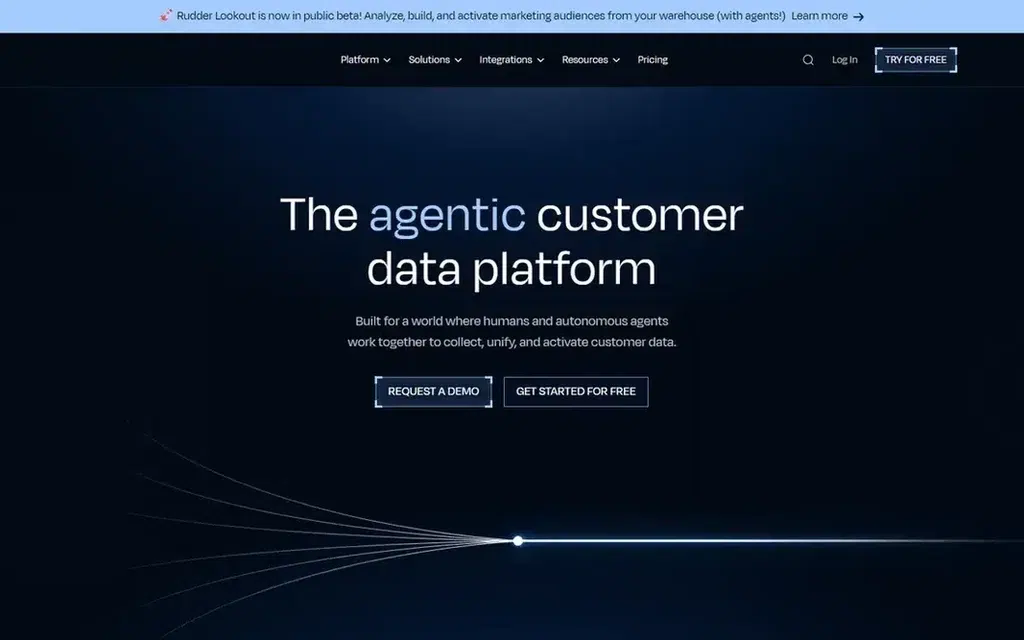
RudderStack serves warehouse-native data pipelines. Pick RudderStack when data ownership and warehouse control matter more than fast setup.
On top of that, if you want a more straightforward managed collection layer, a less configuration-heavy tool may suit you better. For everyday use, since the warehouse is central, teams need some data engineering skill to model and maintain pipelines, which can slow very early startups without that capacity. Check the vendor site for RudderStack pricing; none is listed in this comparison. Free options: Not stated.
Where it falls short: Warehouse setup needs expertise.
- Warehouse-native architecture
- Supports activation from stored data
- Fewer hand-held defaults for beginners
Treasure Data is built with AI-driven experience orchestration in mind. Engineering-first startups may prefer a collection or warehouse-centric system. AI-driven action is only as decent as the data feeding it, so teams without clean, connected sources may see restricted benefit until the foundation is fixed.
From a buyer's view, Treasure Data describes its offering as an agentic experience product built to acquire, retain and grow valuable customers, powered by AI and continuous, context-driven action. It tends to fit marketing-led teams with defined retention goals. In daily use, pick Treasure Data when continuous marketing action is the primary objective. No starting price is listed for Treasure Data here; confirm pricing on the vendor site. Free plan details: Not stated.
Drawbacks to consider: May suit marketers more than engineers.
- Built around continuous
- Agentic experience system positioning
- AI emphasis needs clean input data
Tealium Customer Data Hub
Best for: Data infrastructure and orchestration
Think of Tealium Customer Data Hub for Data infrastructure and orchestration. Tealium presents its products as customer data infrastructure for orchestration and AI, with a suite including data integration, management and analytics targeted at improving customer experiences.
Honest limits: Suite breadth can overwhelm small teams.
Also, if you need a narrow collection layer instead of a full infrastructure program, a more straightforward tool may be simpler to adopt. As for the details, startups with multiple data sources and an expanding marketing stack may value that breadth, particularly when they need consistent tagging and orchestration across channels. Pricing for Tealium Customer Data Hub is not stated here, so ask the vendor for current figures. Free plan details: Not stated.
- Focus on orchestration and AI readiness
- Spans data strategy and analytics
- Setup demands cross-team coordination
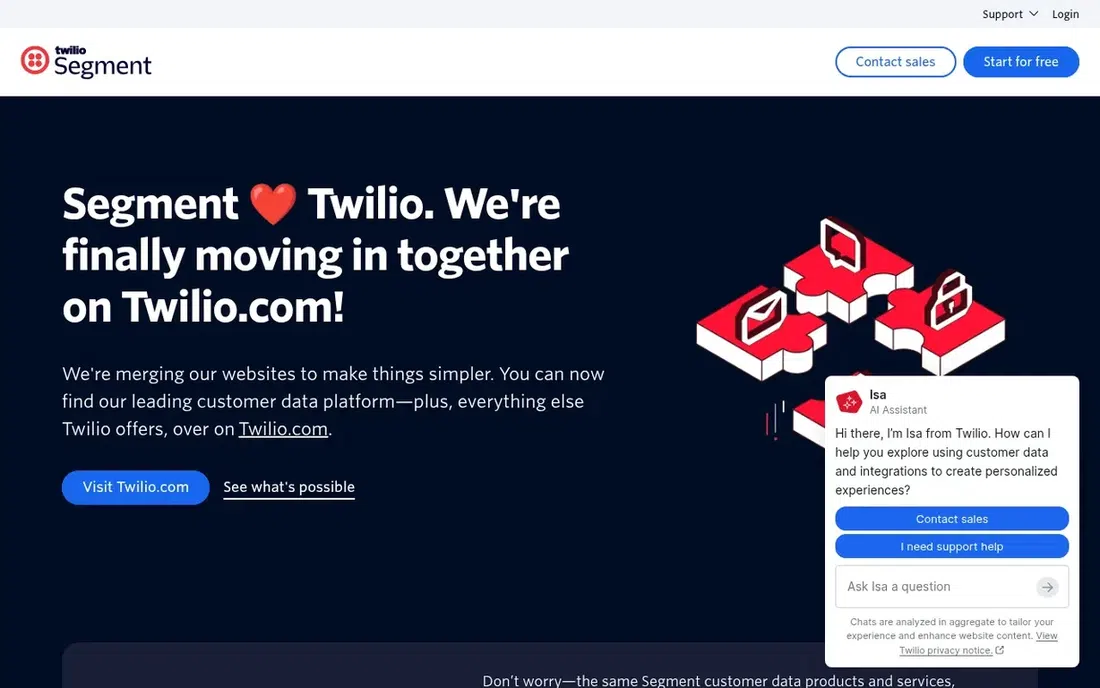
Segment is built with broad event collection and unification in mind. For startups, its primary appeal is a single collection layer that feeds numerous downstream tools, which cuts the have to wire each integration separately. It tends to fit product and marketing teams that want a dependable source of customer events early on.
For everyday use, if your priority is keeping all transformation logic inside your own warehouse, a warehouse-native choice may be a better match. In daily use, Segment, now part of Twilio, is a customer data product built around collecting, unifying and enriching customer data across any app or device. This comparison lists no price for Segment; ask the vendor. Trial and free access: Free trial.
Drawbacks to consider: Advanced routing can add complexity.
- Unifies and enriches customer profiles
- Backed by Twilio's product
- Overlap with warehouse tools possible
How we compared the tools
Questions to settle before buying
- Request quotes from Salesforce Data Cloud, Segment and the others; the list shows no fixed prices.
- Take the trial from Segment and push a live task through it before you pay.
- Before choosing Salesforce Data Cloud, weigh its main limit: most handy within the Salesforce ecosystem.
- Check the support hours and onboarding help Salesforce Data Cloud offers; smaller vendors vary a lot here.
- Price Tealium Customer Data Hub for your actual team size; headline prices rarely include add-ons or overage.
FAQ
How are the tools for customer data platforms for startups ordered?
Salesforce Data Cloud sits first and Segment last because the order follows typical fit for customer data platforms for startups, then price clarity and free access. It is a judgement call, so read each profile for fit and limits.
Is Salesforce Data Cloud the right pick for everyone comparing customer data platforms for startups?
No single tool suits every team. Salesforce Data Cloud comes first because it fits unified data inside Salesforce, while RudderStack suits warehouse-native data pipelines and Treasure Data suits AI-driven experience orchestration. Match the tool to your own size, budget and workflow before deciding.
Does any tool for customer data platforms for startups here have a free plan?
A permanent free plan is not offered by Salesforce Data Cloud, Segment or the other tools here. Segment offer a trial. Plan a short evaluation period instead.
Do these tools publish their prices?
No. None of the tools, from Salesforce Data Cloud to Segment, shows a fixed starting price here, so budget time for quotes.
What should a startup look for in a customer data product?
Start with the problem you need solved: collecting events, unifying profiles, or acting on data through campaigns. A system that matches your current stack normally beats one aimed at a much bigger organization.
Sources
- https://www.salesforce.com/data
- https://www.rudderstack.com
- https://www.treasuredata.com
- https://tealium.com
- https://segment.com