CRM for Retail Stores in 2026: The 6 Best Options Side by Side
Best CRM for retail stores in 2026: 6 tools with starting prices, free plans and limits. Every pick gets a straight assessment. Current for November 2026.
- Editor's choice
 Freshsales
Retail teams wanting AI lead capture
Starts atPricing on requestVisit freshworks.comFull review - Great alternative
 Pipedrive
Pipeline-focused retail sales teams
Starts atPricing on requestVisit pipedrive.comFull review - Also consider
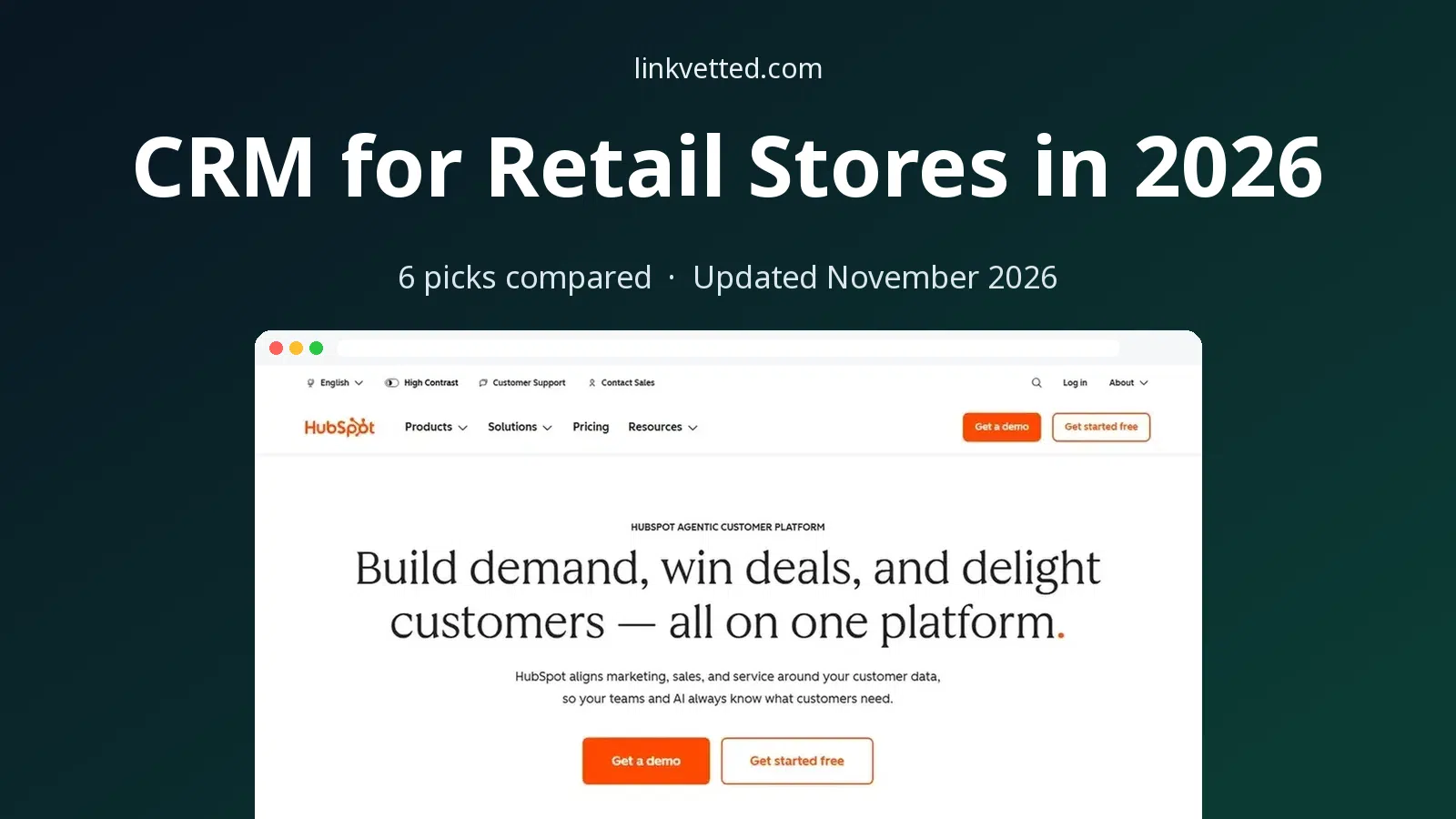
 HubSpot CRM
Small retail teams organizing contacts
Starts atPricing on requestVisit hubspot.comFull review
Direct answer
Freshsales leads the list, best for retail teams wanting AI lead capture. Pipedrive is better for pipeline-focused retail sales teams, and HubSpot CRM is better for small retail teams organizing contacts. The full list of 6 tools follows, with free plan facts. None of these vendors publish plan prices, so pricing is on request for every option.
TL;DR:
- Freshsales is the opening pick, best for retail teams wanting AI lead capture.
- Every tool from Freshsales to Microsoft Dynamics 365 Sales works by quote, with no list price shown.
- Only Salesforce offers a free plan among these 6 tools.
- Microsoft Dynamics 365 Sales is the one to check for retailers already in Microsoft tools.
Last checked November 2026. Pricing on request: vendors did not publish plan prices when this guide was last checked (November 2026), so ask each vendor for a written quote.
Quick comparison
| Tool | Best for | Starts at | Free plan? | |
|---|---|---|---|---|
| Freshsales | Retail teams wanting AI lead capture | Pricing on request | Not stated | Visit |
| Pipedrive | Pipeline-focused retail sales teams | Pricing on request | Not stated | Visit |
| HubSpot CRM | Small retail teams organizing contacts | Pricing on request | Not stated | Visit |
 Salesforce | Large retail operations with complicated data | Pricing on request | Yes | Visit |
 Zoho CRM | Sales teams managing retail operations | Pricing on request | Not stated | Visit |
 Microsoft Dynamics 365 Sales | Retailers already in Microsoft tools | Pricing on request | Not stated | Visit |
Every option for CRM for retail stores explained
This LinkVetted guide covers 6 CRM for retail stores. Each profile lists a starting price, free plan details, strengths and drawbacks, so you can drop poor fits quickly.
Choose Freshsales for retail teams wanting AI lead capture. Freshsales is described as an AI-powered CRM built to boost sales efficiency, capture leads easily and close deals quicker.
Downsides: Focused primarily on sales efficiency.
On top of that, for retail keeps that generate leads through inquiries, promotions or online interest, that lead-capture emphasis is straight relevant. More specifically, teams wanting a single broad product should compare more thorough choices. Check the vendor site for Freshsales pricing; none is listed in this comparison. On free options: Not stated.
- AI-powered sales positioning
- Simplified sales focus
- May need pairing for other needs
Pipedrive was built for pipeline-focused retail sales teams. Pipedrive is described as sales CRM and pipeline management software that is straightforward to use and built to help teams grow through better lead handling.
Choose Pipedrive when sales pipeline discipline and simplicity are the deciding factors for your store team. Pricing for Pipedrive is not stated here, so ask the vendor for current figures. Trial and free access: Not stated.
What to check first: Less emphasis on service workflows.
- Clear pipeline management focus
- Built around sales activity
- Narrower than full retail systems
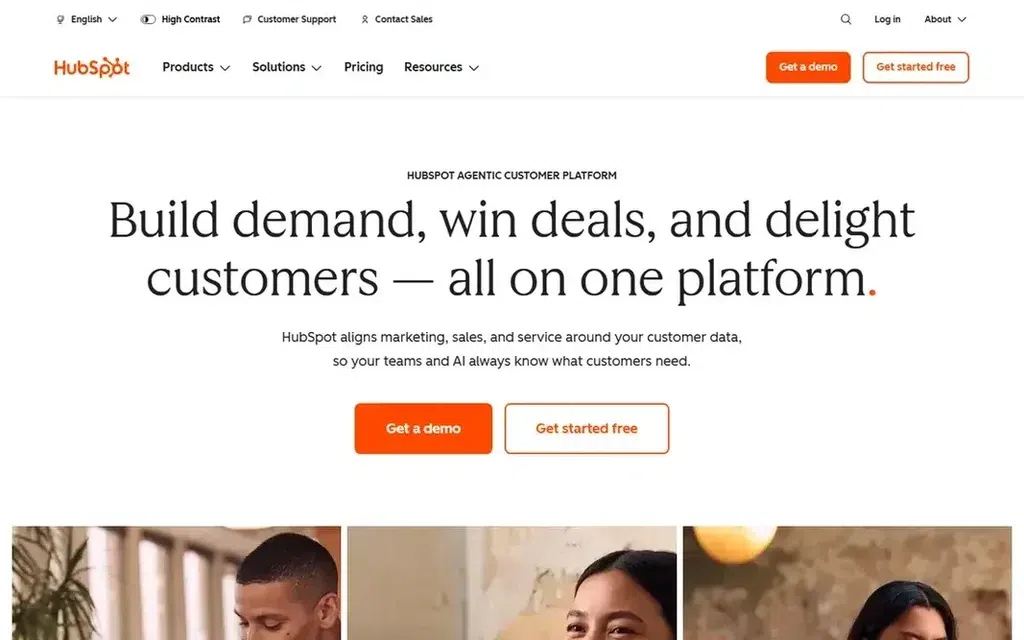
HubSpot CRM makes the most sense for small retail teams organizing contacts. As retail operations grow more complicated, teams may want capabilities beyond contact and deal tracking, which can mean layering on more tools. From a buyer's view, pick HubSpot when simplicity and fast adoption matter most.
On top of that, keeps with highly custom processes should weigh whether a more customizable system fits better. From a buyer's view, HubSpot CRM is presented as CRM software for small companies to organize contacts, track deals and close more sales with built-in AI. HubSpot CRM shows no starting price here, so confirm the cost on the vendor site. Free options: Not stated.
Drawbacks to consider: Deeper needs may need extras.
- Built-in AI assistance
- Straightforward starting point
- Less suited to heavy customization
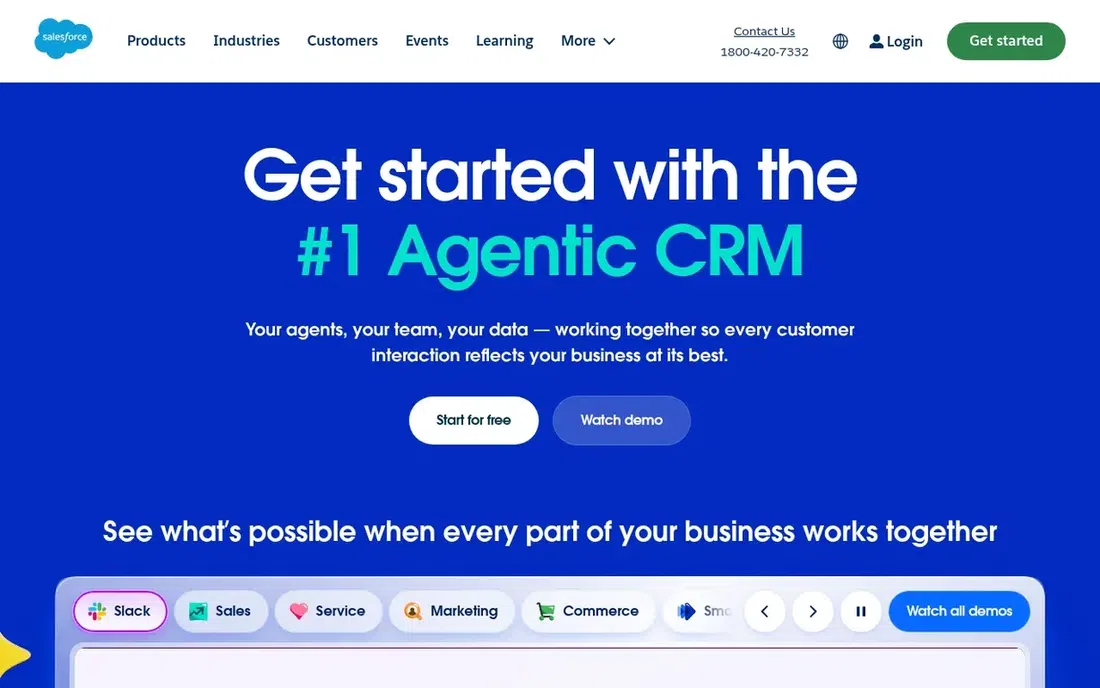
Salesforce is designed for large retail operations with complicated data. Salesforce describes itself as an AI CRM that links businesses with customers by uniting the data, apps and agents that run the business. The trade-off is complexity: a wide product can take time to configure and train staff on.
Points against: May overwhelm small teams.
Main advantages: Broad system for numerous channels.
Consider Salesforce when cross-channel customer data and AI-driven workflows are central to how you sell. Smaller shops with straightforward contact and deal needs may find lighter tools quicker to adopt. On top of that, for retail keeps, that breadth matters when customer records, service history and marketing activity need to live in one place. It tends to fit bigger retailers or growing chains with the resources to configure a system around their processes. Check the vendor site for Salesforce pricing; none is listed in this comparison. Salesforce offers a free plan.
- Solid customer data foundation
- Unites data
- Can be complicated to set up
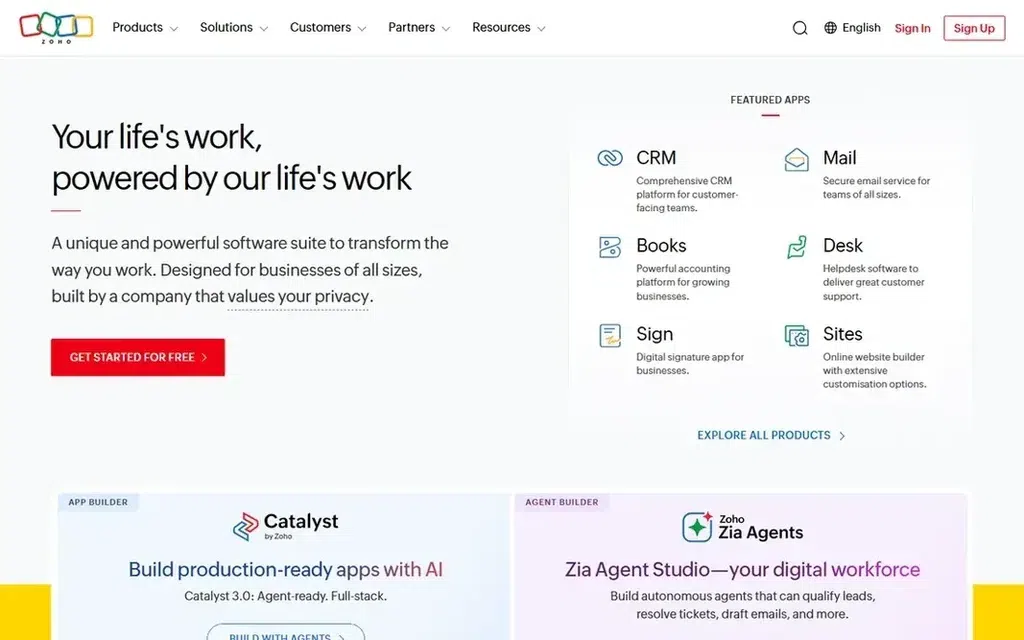
Zoho CRM targets Sales teams managing retail operations. Zoho CRM is described as an agentic CRM product that helps teams handle sales operations and close more deals.
As for the details, the system's depth means configuration takes effort, and very small shops may not use much of it. Worth adding: retail keeps that treat sales follow-up as a structured process, with leads, stages and tasks, will find that framing handy. Zoho CRM does not show a starting price in this comparison, so check the vendor site for current pricing. On free options: Not stated.
Where it is weaker: Configuration can take effort.
- Made for sales operations
- Agentic CRM product positioning
- Feature depth may exceed small needs
Microsoft Dynamics 365 Sales serves retailers already in Microsoft tools. Implementation can be involved, and the product makes most sense for teams willing to align it with existing Microsoft tools. Small stores without that context may find lighter choices quicker to adopt.
Also, consider Dynamics 365 Sales when collaboration and automation across a larger retail organization are the goal. Retail organizations already working in Microsoft environments may find that collaboration angle appealing, since sales follow-up commonly relies on shared documents, calendars and internal communication. As for the details, Dynamics 365 Sales is described as an agentic CRM that helps teams close deals quicker using insights, sales automation and collaboration tools. No starting price is listed for Microsoft Dynamics 365 Sales here; confirm pricing on the vendor site. As for free access: Not stated.
Trade-offs to know: Best value within Microsoft stack.
- Insights and sales automation
- Agentic CRM positioning
- Implementation can be involved
How we compared the tools
Things to verify first
- Confirm the entry price with every vendor: no tool from Freshsales to Microsoft Dynamics 365 Sales shows a fixed starting price.
- Look at the free plan from Salesforce closely: its caps decide whether it is usable for real work.
- Read the limits listed for Freshsales first: focused chiefly on sales efficiency.
- Test how quickly Freshsales answers a pre-sales question; it hints at how support will feel later.
- Look at the renewal terms for Zoho CRM: auto-renewal, notice periods and price changes can matter more than the first-year price.
FAQ
How are the tools for CRM for retail stores ordered?
Freshsales sits first and Microsoft Dynamics 365 Sales last because the order follows typical fit for CRM for retail stores, then price clarity and free access. It is a judgement call, so read each profile for fit and limits.
Can a small retail team adopt a CRM without much disruption?
Tools positioned around simplicity and straightforward contact management tend to be quicker to adopt. Confirm setup requirements on the vendor site before committing.
Which options for CRM for retail stores have a free plan?
Salesforce is the only tool in this list with a free plan. Free plans usually cap users, projects or features, so check the limits on the vendor page. All 6 picks in this CRM for retail stores comparison list a starting price, free plan details and the main limits on their cards above.
Is Freshsales the right pick for everyone comparing CRM for retail stores?
No single tool suits every team. Freshsales comes first because it fits retail teams wanting AI lead capture, while Pipedrive suits pipeline-focused retail sales teams and HubSpot CRM suits small retail teams organizing contacts. Match the tool to your own size, budget and workflow before deciding.
Can I try these tools before paying?
Often, yes. Salesforce has a free plan. Use your own data and a real task during the test, and check what the free tier or trial limits before you rely on it. For the full picture, the cards above cover all 6 entries of this CRM for retail stores list, including price, free plan and limits.
Sources
- https://www.freshworks.com/crm/sales
- https://www.pipedrive.com
- https://www.hubspot.com/products/crm
- https://www.salesforce.com
- https://www.zoho.com/crm
- https://www.microsoft.com/en-us/dynamics-365/products/sales