Best Consulting Companies in 2026: 8 Companies Compared
Our guide to best consulting companies compares strategy, technology, operations and industry depth, with guidance for choosing a firm for projects in 2026.
- Editor's choice
 McKinsey and Company
Board strategy and transformation
Starts atSee websiteVisit mckinsey.comFull review - Great alternative
 Boston Consulting Group
Strategy and digital transformation
Starts atSee websiteVisit bcg.comFull review - Also consider
 Bain and Company
Performance improvement and private equity
Starts atSee websiteVisit bain.comFull review
TL;DR:
- McKinsey, Boston Consulting Group and Bain suit board level strategy, transformation and private equity work where senior judgment matters most.
- Deloitte, Accenture and PwC suit large programmes that combine strategy with technology delivery, risk and managed operations.
- Kearney and Oliver Wyman suit focused work in operations, procurement and financial services, with smaller senior teams than the largest firms.
- The right firm depends on the problem, the team that will actually do the work and the fee model, not only on brand prestige.
Quick comparison
| Tool | Best for | Starts at | Free plan? | |
|---|---|---|---|---|
| McKinsey and Company | Board strategy and transformation | See website | No | Visit |
| Boston Consulting Group | Strategy and digital transformation | See website | No | Visit |
| Bain and Company | Performance improvement and private equity | See website | No | Visit |
 Deloitte | Broad technology and risk programmes | See website | No | Visit |
 Accenture | Large technology led transformation | See website | No | Visit |
 PwC | Assurance linked advisory and transformation | See website | No | Visit |
 Kearney | Operations and procurement | See website | No | Visit |
 Oliver Wyman | Financial services and analytics | See website | No | Visit |
The best consulting companies
We compared official service pages, practice descriptions, industry coverage and public reviews for consulting firms, and we kept firms with active client consulting offers in 2026.
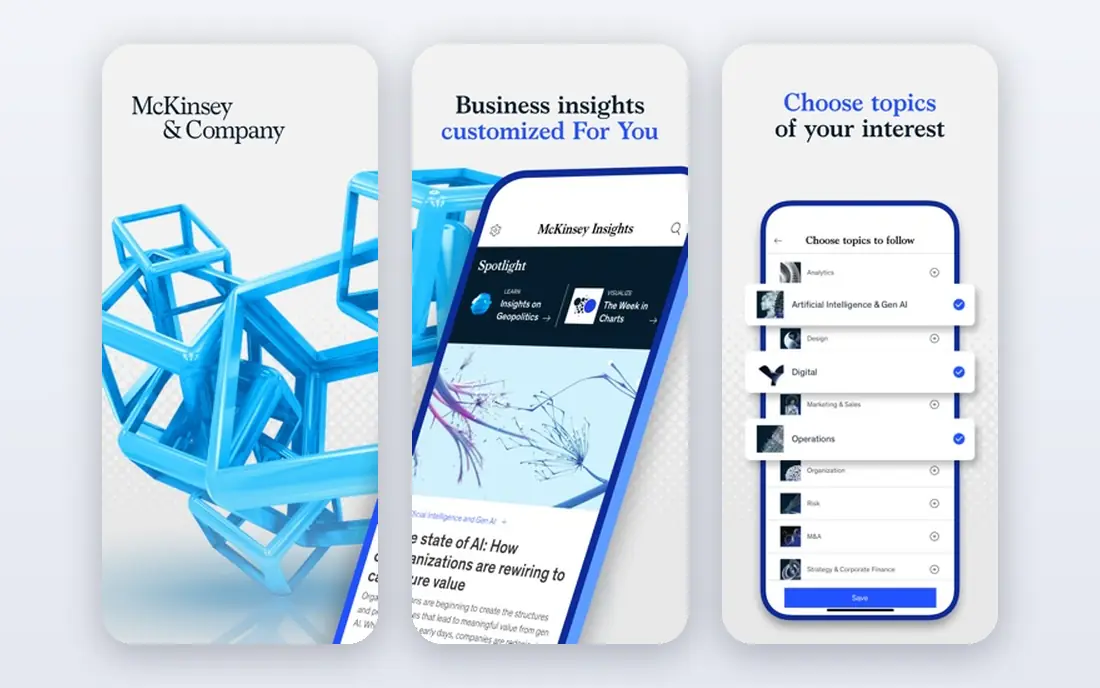
McKinsey and Company remains the first call for many boards facing a large strategic choice, a major transformation or a performance turnaround. Its teams combine industry specialists with functional experts in operations, organisation and digital, and its research base helps a client compare its own performance against peers. For a decision that commits large capital or reshapes a business, that senior judgment and structured problem solving can justify a premium fee.
The limit is cost and fit for smaller work. A mid sized company with a narrow operational problem may get a leaner, more hands on team from a boutique or a technology integrator at lower cost. Ask McKinsey who will lead the work day to day, how much partner time is included, and what deliverables and knowledge transfer are in the fee, since those details vary by engagement.
- Deep strategy, operations and transformation experience
- Global senior teams
- Strong research and benchmarking
- Premium fees
- Senior time on a project can vary
- Best suited to large, high stakes decisions
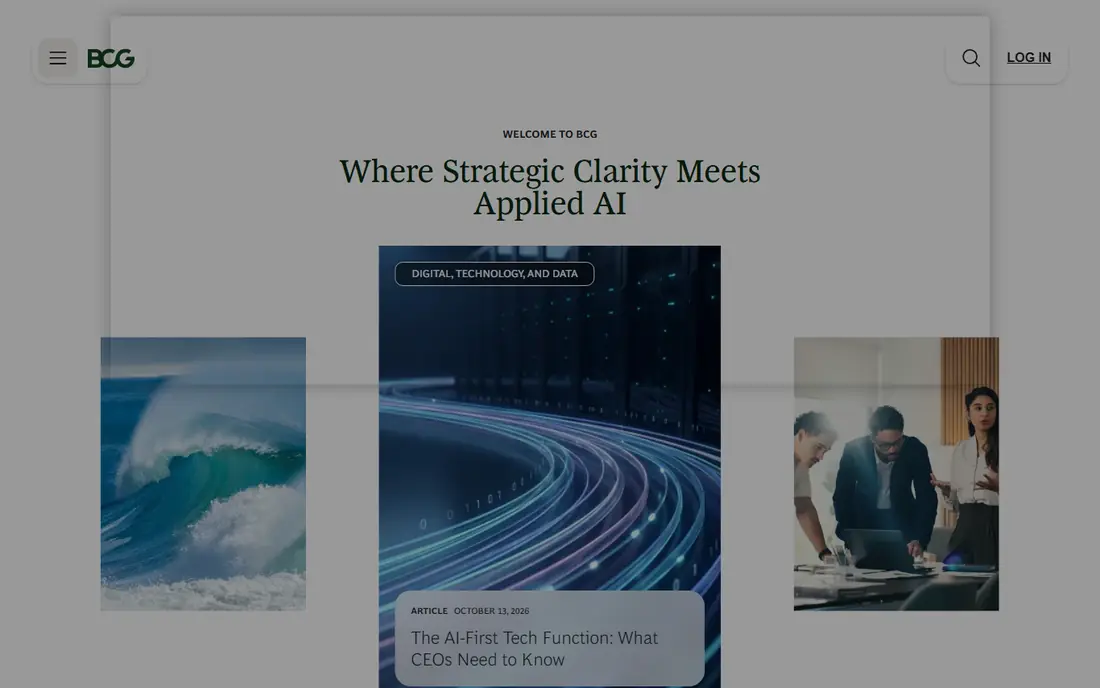
Boston Consulting Group pairs classic strategy work with BCG X, its build arm for digital products, data and AI capability. That combination suits a company that needs both a strategy and a working product or AI system to prove it, rather than a slide deck alone. BCG industry teams cover consumer, health, industrial and financial services in depth, which helps a client that wants sector benchmarks, not only generic frameworks.
The trade off is scope after launch. BCG X work often hands back to the client at launch, so a company that needs long term operation of a new product must plan for its own team or a separate managed service. Confirm the handover plan, the internal capability the project will build, and how success will be measured after the consultants leave.
- Strong strategy and innovation work
- BCG X for digital product and AI builds
- Global industry depth
- Premium fees
- Digital build work may hand back at launch rather than run operations

Bain and Company is best known for performance improvement and private equity work, where the test is measurable profit, growth or cost improvement rather than a strategy document alone. Its teams work closely with management on pricing, cost, organisation and merger integration, and its private equity practice supports deal diligence and portfolio improvement. For an owner or investor who needs a clear financial outcome, that focus is a strong fit.
The limit is delivery breadth. Bain is not a large technology implementer, so a programme that needs a major system build will still need a technology partner alongside Bain. Ask how Bain will work with your existing technology team, what interim results will be tracked, and how fees link to milestones if that matters to your board.
- Strong private equity and performance improvement record
- Results focused approach
- Close work with management teams
- Premium fees
- Capacity for smaller or highly technical delivery projects is limited
Deloitte suits large organisations that need strategy, technology implementation, risk and managed services under one broad relationship. Its consulting arm works with technology platforms, data and AI, cyber and human capital, while its wider firm covers tax, audit and risk for many clients. That breadth helps a regulated enterprise that needs a programme to pass audit, risk and compliance review as well as deliver a new system.
The complexity is coordination and independence. A large Deloitte programme can involve several teams, so a client should insist on a single accountable lead and a clear governance plan. Audit independence rules can also prevent Deloitte from doing certain consulting work for an audit client, so confirm eligibility early if Deloitte audits your accounts.
- Very broad service range from strategy to technology, tax and risk
- Large global delivery capacity
- Regulated industry experience
- Large firm structure can mean many teams and handoffs
- Independence rules can limit work for audit clients
Accenture is the pick for a multi year, multi platform transformation that needs technology delivery at scale, from cloud migration to AI and enterprise system modernisation. With roughly 799,000 people reported in recent coverage, it can staff large programmes in many countries and run managed services after a system goes live. That delivery capacity matters when a strategy alone will not change how a company operates day to day.
The trade off is programme size and governance. Accenture engagements can become large and complex, so a client needs strong internal programme management, clear milestones and a commercial model tied to outcomes. Smaller companies should check whether the proposed team is sized for their programme or built for a much larger enterprise.
- Largest scale technology consulting capacity in this list
- Cloud, data and AI delivery
- Managed services after go live
- Large programme cost and complexity
- Smaller clients may get less senior attention than at a boutique
PwC, like Deloitte, combines consulting with a wider professional services firm, which suits clients that need transformation work alongside risk, tax and regulatory advice. Its consulting teams cover strategy, technology, workforce and deals, and its regulated industry experience helps banks, insurers and public sector bodies that face strict oversight. For a transformation that must satisfy regulators, that combined view can reduce rework.
The limit is independence and process. PwC cannot provide certain consulting services to its audit clients, and large firm quality processes can add time to a small engagement. Confirm independence, the proposed team and the decision rights for the project before signing, especially if PwC already audits your company.
- Broad advisory, risk and technology services
- Strong in regulated and public sector work
- Global network
- Audit independence limits can apply
- Large firm processes can slow small engagements
Kearney suits a company whose main problem is operations, supply chain or procurement, rather than a broad corporate strategy question. Its teams focus on cost, sourcing, manufacturing and logistics improvement, with senior consultants doing much of the work directly. Recent firm rankings have placed Kearney well for culture and balance, which can matter for a long project where the client team works closely with consultants for months.
The limit is scale for a very large technology programme. Kearney can lead operations work and partner on technology, but it does not match Accenture or Deloitte for large system delivery alone. Use Kearney where operations improvement is the core goal, and pair it with a technology partner only if a system build is also required.
- Strong operations, supply chain and procurement work
- Senior led teams
- Good culture ratings in recent firm rankings
- Smaller scale than the largest firms for multi country technology programmes
- Less brand weight for some board audiences
Oliver Wyman is best known for financial services, risk management and analytical work, including actuarial, pricing and capital topics that need quantitative depth. Banks, insurers and asset managers use Oliver Wyman for risk, regulation and strategy work where a generalist team would lack the technical grounding. Its teams are often senior and lean, which suits a client that wants direct access to experts rather than a large junior team.
The trade off is breadth. A company outside financial services, or one that needs a large technology build, may find a broader firm a better fit. Ask Oliver Wyman for comparable work in your exact sub sector, since its strength is depth in a few areas rather than coverage of every industry.
- Deep financial services, risk and analytics expertise
- Strong quantitative work
- Senior led project teams
- Narrower industry breadth than the largest firms
- Premium fees for specialist work
How we picked these
We compared official practice pages, industry coverage, service descriptions and public firm rankings, and we kept firms with active consulting offers for corporate clients in 2026. We included strategy firms, broad professional services firms and focused firms, so readers can compare models rather than only brand names. Fees in consulting are almost always custom, based on team, duration and scope, so we show See website and advise readers to request a proposal with named team members.
How to choose a consulting firm
Define the problem in one sentence
Write the decision or outcome you need, such as lower procurement cost by a set amount or a new pricing model for one product line. A vague brief invites a large, expensive proposal that solves the wrong problem.
Interview the actual team
Ask to meet the partner and managers who will do the work, not only the sales lead. Check their recent work in your industry and their availability for the full project.
Agree on deliverables and transfer
State what you will receive, what internal capability will be built, and how knowledge will transfer to your team. A project that leaves no internal capability behind will need to be bought again.
Tie fees to milestones where possible
For performance work, link part of the fee to agreed milestones or outcomes. For strategy work, fix the scope, team and timeline in writing, and control scope changes through a change process.
FAQ
How much does a consulting firm cost?
Fees vary widely by firm, team seniority, duration and scope, from tens of thousands for a focused study to millions for a large transformation. Always request a proposal with team rates, hours and deliverables, rather than judging on a daily rate alone.
Should I choose a large firm or a boutique?
Choose a large firm for multi country, multi platform programmes and for board level credibility. Choose a boutique or focused firm for a narrow, deep problem where senior hands on work matters more than scale.
How long does a typical consulting project last?
A focused study may last four to eight weeks, while a transformation programme can last six months to several years. Agree on phases with review points, so you can stop or reshape the work if early findings change the plan.
Will consultants replace my internal team?
Good consulting builds internal capability and works with your team, rather than replacing it. Ask how the project will involve your staff, what skills will transfer, and who owns decisions after the project ends.
What should be in a consulting proposal?
A proposal should name the team, scope, timeline, deliverables, fees, expenses, governance and success measures. It should also state assumptions, exclusions and what happens if scope changes.
Can a consulting firm work if it audits my company?
Audit independence rules may prevent a firm from providing certain consulting services to an audit client. Check eligibility with the firm and your audit committee before starting procurement.