Best Business Consulting Companies in 2026: 8 Companies Compared
We compared the best business consulting companies on strategy, implementation, scale and focus, so leaders can hire the right firm for the job at hand.
- Editor's choice
 McKinsey and Company
Board level strategy
Starts atSee websiteVisit mckinsey.comFull review - Great alternative
 Bain and Company
Performance improvement and private equity
Starts atSee websiteVisit bain.comFull review - Also consider
 Boston Consulting Group
Innovation and transformation
Starts atSee websiteVisit bcg.comFull review
TL;DR:
- McKinsey, Bain and BCG remain the top strategy firms for board level work, while Deloitte, Accenture and PwC lead on implementation at scale.
- Oliver Wyman and EY-Parthenon offer strategy depth close to the top three, often with stronger sector focus.
- The right firm depends on the job, since strategy advice, tech implementation and restructuring need different firms.
- Consulting fees are almost always quote based and tied to team size and duration, so compare proposals on team seniority, not just total price.
- Ask for the actual team, recent similar work and a clear deliverable list before you sign, since firm brand alone does not guarantee results.
Quick comparison
| Tool | Best for | Starts at | Free plan? | |
|---|---|---|---|---|
| McKinsey and Company | Board level strategy | See website | No | Visit |
| Bain and Company | Performance improvement and private equity | See website | No | Visit |
| Boston Consulting Group | Innovation and transformation | See website | No | Visit |
 Deloitte | Broad consulting and implementation | See website | No | Visit |
 Accenture | Technology led transformation | See website | No | Visit |
 PwC | Full service consulting | See website | No | Visit |
 EY-Parthenon | Deals and transaction strategy | See website | No | Visit |
 Oliver Wyman | Focused strategy and analytics | See website | No | Visit |
The best business consulting companies
Business consulting covers strategy, operations, technology, deals and restructuring, and no single firm leads in every area. The eight firms below are the major names in October 2026, split between pure strategy firms, Big Four firms and technology led firms. We compare what each firm actually does best, so you can match the firm to your problem rather than hiring on reputation alone.
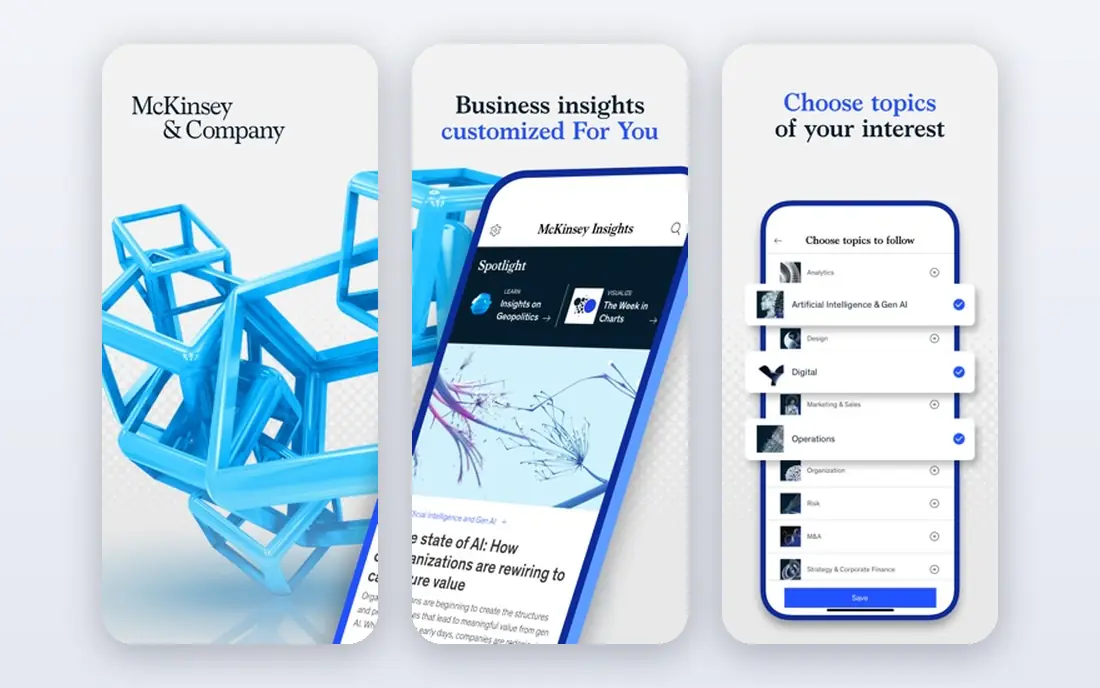
McKinsey remains the most recognized strategy firm in the world, and it is our pick for board level strategy, major transformation and complex, cross functional problems. Its work spans growth strategy, operations, organization and digital, with a global network that lets it staff large programs in many countries at once. For CEOs and boards facing a decision with high stakes and many moving parts, McKinsey depth and rigor are hard to match.
The trade offs are cost and follow through. McKinsey fees sit at the premium end, and some clients find projects research heavy with less hands on implementation than a firm such as Deloitte or Accenture provides. If you need a decision and a plan, McKinsey excels. If you need systems built and processes run, pair it with an implementation partner or choose a broader firm.
- Unmatched prestige and global reach
- Deep strategy, operations and transformation work
- Strong public sector and C suite practice
- Premium fees
- Projects can be research heavy
- Implementation support varies by team

Bain suits companies that want measurable performance improvement, especially private equity owned firms and portfolio companies. Its private equity practice, including due diligence and portfolio value creation, is widely regarded as a leader, and its Net Promoter System work shapes how many firms measure customer loyalty. Bain teams are known for practical recommendations tied to profit improvement, not just analysis.
The limit is scope. Bain is a strategy firm first, so large technology builds and long running managed services sit outside its core offer. Fees are premium, and staffing is selective, which means smaller companies may find better value in a boutique or mid market firm. For performance and deals work, though, Bain is a top choice.
- Results driven approach
- Leading private equity and performance improvement practice
- Strong culture and client retention in third party summaries
- Premium fees
- Strategy focus means implementation is often separate
- Highly selective staffing
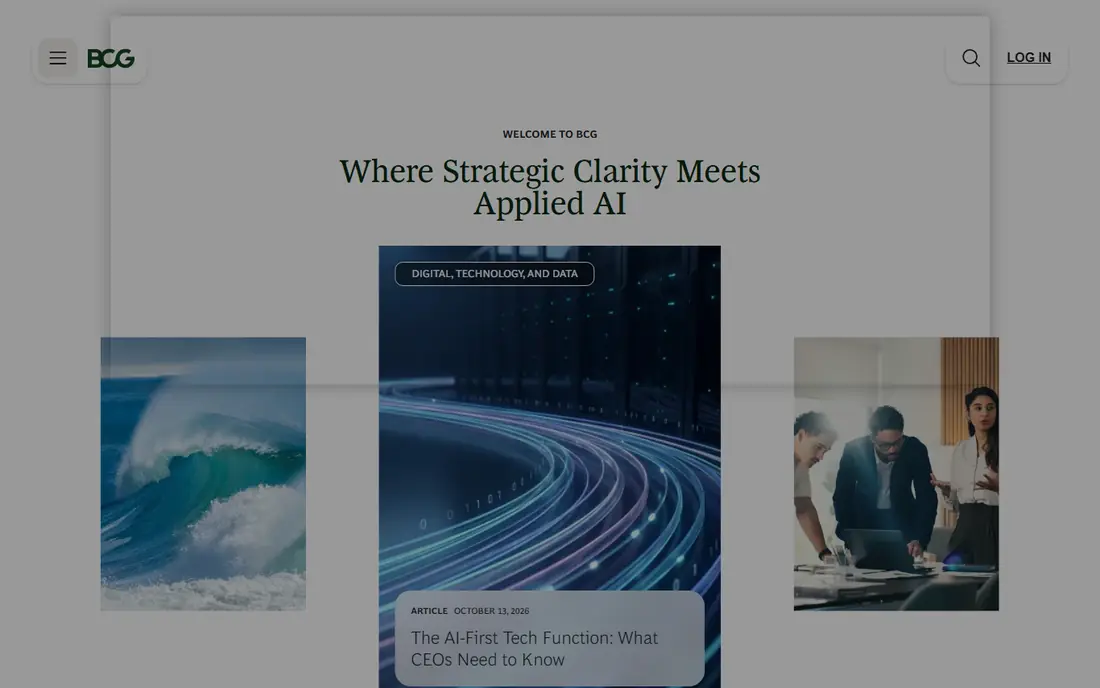
Boston Consulting Group, known as BCG, fits companies that need fresh thinking on growth, innovation and transformation. Its idea driven approach, backed by strong analytics, suits market expansion, portfolio strategy and new business building, while BCG X adds digital product and AI build capacity that pure strategy rivals lack. BCG is often ranked among the top firms for career acceleration, which reflects the caliber of its teams.
The catch is cost and fit. BCG fees are premium, and its senior heavy teams suit large, complex programs better than small, narrow projects. A mid size company with a focused problem may get better value from Oliver Wyman, L.E.K. or a specialist boutique. For large transformation with an innovation edge, BCG earns its place.
- Idea driven strategy with strong analytics
- BCG X for digital and AI builds
- Broad transformation and innovation work
- Premium fees
- Project teams can be senior heavy
- Implementation depth varies by practice
Deloitte is our pick for companies that need strategy plus delivery under one roof. As the largest consulting provider by several industry measures, it covers strategy through its Monitor Deloitte arm, plus technology implementation, risk, tax and human capital work at global scale. That breadth helps when a strategy decision leads directly to a systems rollout, a supply chain redesign or a workforce change.
Scale is also the weakness. With a firm this large, team quality varies by office and practice, so vetting the specific partners and managers matters more than the Deloitte name. Strategy purists may prefer McKinsey, Bain or BCG for a pure board question, but for end to end work, Deloitte breadth is a real advantage.
- Largest consulting provider by several measures
- End to end implementation from strategy to technology
- Broad industry coverage
- Scale can mean variable team quality
- Strategy work is less prestigious than MBB in some circles
Accenture suits companies whose main problem is technology, from cloud migration to AI adoption to cybersecurity modernization. It leads technology consulting by revenue in several summaries, with deep practices in AI, cloud, data and enterprise platforms, and a global delivery model that can staff large programs across time zones. For a digital transformation that ends in working systems, Accenture is often the strongest choice.
The trade off is strategy purity. Accenture does strategy work, but its core strength is building and running technology, so a pure board level strategy question may fit McKinsey, Bain or BCG better. Large Accenture programs also need strong client governance, since scope and team size can grow quickly without clear controls.
- Market leader in technology consulting
- AI, cloud and cybersecurity depth
- Global delivery at scale
- Implementation heavy, so pure strategy is not its core
- Large programs need strong client governance
PwC fits companies that want a full service firm covering consulting, deals, risk and sustainability alongside audit related services, with appropriate independence rules observed. Its Strategy and arm, built from Booz and Company, handles strategy work, while the wider firm covers technology, operations and transformation. That combination suits companies that need several kinds of advice from one provider.
The limit is strategy scale. Strategy and is a strong arm, but it does not match McKinsey, Bain or BCG on pure strategy volume or prestige. PwC works best when the brief spans strategy plus implementation, risk or deals, rather than a single board level strategy question.
- Broad Big Four platform with Strategy and arm
- Strong risk, deals and sustainability work
- Global reach
- Strategy arm is smaller than MBB
- Experience varies by practice and country
EY-Parthenon suits companies facing a deal, from acquisition diligence to divestiture strategy to portfolio review. Its transaction strategy work, backed by EY diligence, tax and valuation teams, helps buyers and sellers test value, synergies and risks before they commit capital. Private equity firms and corporate development teams are core clients.
The catch is breadth. EY-Parthenon is deal led, so a broad operational transformation may need other EY practices alongside it, which adds coordination. For a deal question, though, its focus is a strength, since the team lives in transactions daily rather than treating deals as one practice among many.
- Strong deals and transaction strategy
- Corporate and private equity deal support
- EY breadth in tax and diligence
- Strategy focus is deal led, so broader transformation may need other EY teams
- Fees are quote based
Oliver Wyman fits companies that want top tier strategy with sector depth, especially in financial services, retail, pricing and transport. Its analytical rigor and focused teams often match MBB quality on sector specific questions, and its smaller scale can mean more partner attention than a huge firm provides. For a focused strategy problem in its core sectors, Oliver Wyman is a strong alternative to the top three.
The trade off is scale and implementation. Oliver Wyman does not offer the global implementation army of Deloitte or Accenture, so a program that ends in a large systems build will need another partner. If the brief is strategy and analytics, that limit rarely matters.
- Strategy depth close to MBB in several sectors
- Strong analytics and pricing work
- Sector focus in financial services, retail and transport
- Smaller scale than Big Four firms
- Implementation depth is thinner than Deloitte or Accenture
How we picked these
We compared firm service pages, industry tier summaries and independent consulting rankings current in October 2026. We kept only firms with a live global or US consulting practice and a clear strength in strategy, implementation or deals, and we favored firms with broad client evidence over narrow boutiques for this general list. We did not claim hands-on engagement with these firms, and we compared official pages, tier summaries and public reporting.
How to hire a business consulting firm
Start with the problem type, not the firm tier. A board strategy question suits McKinsey, Bain, BCG or Oliver Wyman. A technology build suits Accenture or Deloitte. A deal suits EY-Parthenon or Bain. A restructuring suits Alvarez and Marsal or AlixPartners, which are outside this general list but worth shortlisting for that brief. Hiring a strategy firm for a systems build, or a tech firm for a pure strategy question, wastes money.
Next, vet the team, not the logo. Ask who the partner, manager and analysts will be, what similar work they did in the last two years, and how much time partners will actually spend on your project. Ask for a work plan with deliverables, decision points and a staffing table, and check references from clients with similar problems. A great firm with a weak team on your project will disappoint.
Finally, control scope and fees in writing. Agree on team size, duration, expenses, success measures and what happens if scope changes. Consulting fees are quote based and tied to team seniority, so a lower total price with junior staff is not the same value as a higher price with senior staff. Build in a mid project review with a clear stop or redirect option.
FAQ
What is the difference between McKinsey, Bain and BCG?
All three are top strategy firms, often called MBB, with global reach and premium fees. McKinsey is known for breadth and prestige, Bain for performance improvement and private equity, and BCG for innovation and analytics led strategy. The best choice often depends on the specific team and sector experience, not just the firm name.
How much does business consulting cost?
Fees are almost always quote based, tied to team size, seniority and duration, and they vary widely by firm tier and project type. Strategy projects from top firms can run into hundreds of thousands of dollars, while smaller boutique projects cost far less. Always compare proposals on team composition and deliverables, not just total price.
Should a small business hire a big consulting firm?
Usually not, unless the problem is unusually complex or high stakes. Big firms are built for large programs with premium fees, and small businesses often get better value from boutiques, specialists or independent consultants. A mid size firm with a focused problem should shortlist sector specialists before approaching the largest firms.
What is the difference between strategy consulting and implementation consulting?
Strategy consulting advises on what to do, such as market entry, portfolio choices or operating model design. Implementation consulting builds and runs the change, such as systems, processes and organization redesign. Deloitte and Accenture cover both, while McKinsey, Bain and BCG lean toward strategy, so match the firm to the phase of work you need.
How long does a consulting project take?
Strategy projects often run 4 to 12 weeks, while implementation programs can run 6 months or longer. Deal diligence is usually faster, often a few weeks under deal timelines. Agree on duration, milestones and decision points in the proposal, since open ended engagements cost more and deliver less focus.
Do consulting firms guarantee results?
No reputable firm guarantees a specific profit or revenue outcome, since results depend on your team, market and execution as well as advice. Firms should commit to deliverables, analysis quality and recommendations, and some tie fees to milestones. Treat any guarantee of a specific financial result with caution.