Best Companies for IT Application Management in 2026: 9 Companies Compared
We compared the best companies for it application management on scale, support, and modernization, so you can pick a partner that keeps apps running well.
- Editor's choice
 Accenture
Large complex estates
Starts atSee websiteVisit accenture.comFull review - Great alternative
 IBM
Hybrid cloud application operations
Starts atSee websiteVisit ibm.comFull review - Also consider
 Cognizant
Enterprise application services
Starts atSee websiteVisit cognizant.comFull review
TL;DR:
- Accenture, IBM, and Cognizant lead for very large, complex application estates that span custom, packaged, and cloud software.
- Infosys, HCLTech, TCS, and Wipro offer broad global delivery at competitive rates for mid-sized and large firms.
- Capgemini and DXC suit buyers that want consulting depth alongside day-to-day application support.
- Application management now includes monitoring, security patching, and automation, not just break-fix support.
- Judge vendors on service levels, transition plans, and platform skills for your actual stack, not on headcount alone.
Quick comparison
| Tool | Best for | Starts at | Free plan? | |
|---|---|---|---|---|
| Accenture | Large complex estates | See website | No | Visit |
| IBM | Hybrid cloud application operations | See website | No | Visit |
| Cognizant | Enterprise application services | See website | No | Visit |
 Infosys | AI-led application management | See website | No | Visit |
 HCLTech | Cloud and automation-led support | See website | No | Visit |
 Tata Consultancy Services | Large-scale managed applications | See website | No | Visit |
 Wipro | Cost-conscious enterprise support | See website | No | Visit |
 Capgemini | Consulting-led application services | See website | No | Visit |
 DXC Technology | Legacy and modern app support | See website | No | Visit |
The best companies for IT application management
IT application management, often called AMS, covers running, monitoring, fixing, updating, and improving business software after it is built. We compared providers on scale, service breadth, automation, and fit for different estate sizes.
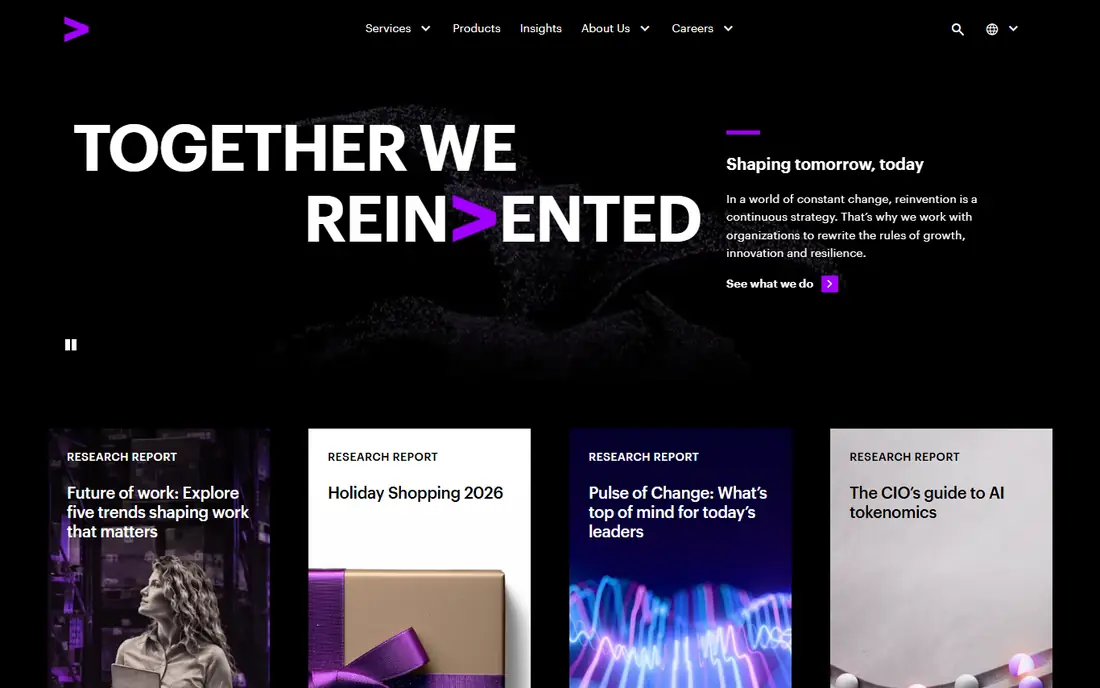
Accenture is a strong default for a large firm with hundreds of applications across custom code, packaged software, and cloud platforms. Its application services combine day-to-day operations with modernization roadmaps, so support work and improvement work sit under one vendor. That breadth helps when your estate mixes legacy systems with newer cloud-native apps.
The catch is cost and scale. Accenture engagements are enterprise-sized, and smaller firms may find the team structure and pricing heavier than needed. If your estate is modest, a mid-sized provider or a focused AMS firm may give you closer attention for less money.
- Very broad scale
- Strong cloud and AI modernization work
- Named a leader in 2026 AMS rankings
- Premium pricing
- Engagement size suits large firms best
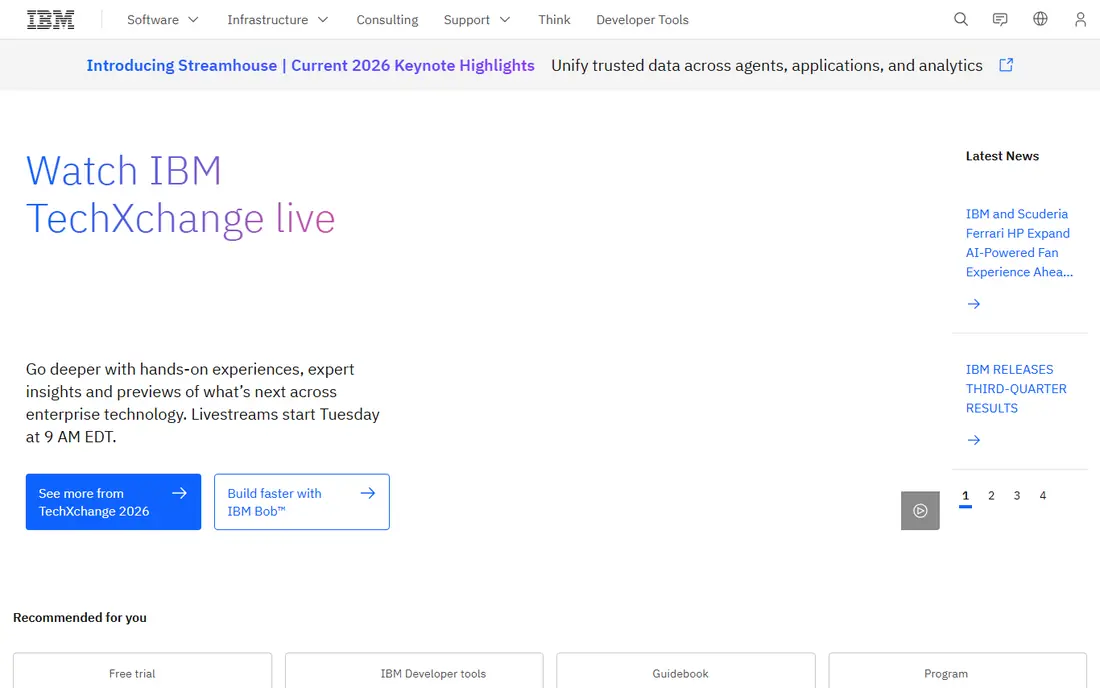
IBM suits firms with hybrid cloud estates, regulated workloads, or mainframe applications that still run core business processes. Its managed services pair operations with security, data, and AI consulting, which helps when application health, compliance, and modernization all matter at once. Mainframe modernization is a particular strength that few rivals match.
IBM breadth can also confuse buyers. Its services span many brands and teams, so insist on a single accountable delivery lead and a clear scope for your applications. Ask which tools will monitor your estate and how incidents, changes, and releases are governed.
- Hybrid cloud and mainframe depth
- Strong automation and observability tools
- Named a leader in 2026 AMS rankings
- Complex product and service mix
- Pricing is engagement-specific
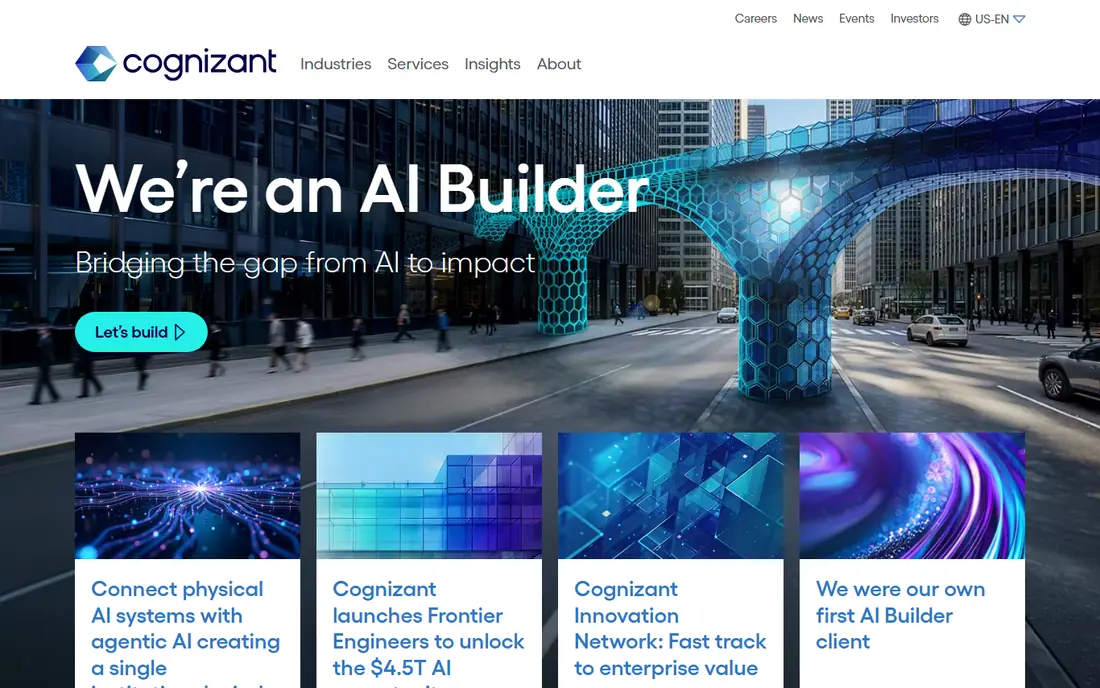
Cognizant fits large and mid-sized firms that want steady application operations plus a path to cloud and automation. Its AMS work covers application support, cloud migration, and security updates, with industry teams for finance, health care, manufacturing, and retail. That industry depth helps when your apps carry regulatory or workflow complexity.
As with other large vendors, governance matters. Confirm service levels for incident response, change windows, and release quality, and ask how Cognizant will report on application health each month. A clear transition plan from your current team is worth more than a low headline rate.
- Broad AMS scale
- Industry depth in finance and health care
- Platform-led transformation tools
- Large-vendor process
- Pricing is custom
Infosys appeals to firms that want application support built around automation rather than manual ticket handling. Its AI-led approach assesses your estate, automates routine support, and plans cloud-ready rework where it pays off. That model can cut ticket volumes over time instead of just staffing them.
The honest catch is program size. Infosys works best when the estate is large enough to justify automation investment and a structured transition. Small firms with a handful of apps may get faster, cheaper help from a boutique AMS provider, while larger firms can use Infosys scale well.
- AI-first assessment and automation
- Large global delivery
- Named a leader in 2026 AMS rankings
- Scale suits larger programs
- Pricing is custom
HCLTech suits firms modernizing while they outsource support, because its teams handle cloud replatforming, re-architecting, and ongoing operations together. That pairing helps when your apps need both stability today and a move to cloud platforms over the next year or two. Its automation focus also targets repetitive support work.
Governance is the key question. Agree on who approves changes, how releases are tested, and how knowledge transfers back to your team. Without those rules, even a good vendor can become a single point of failure for critical apps.
- Cloud replatforming strength
- Automation-led operations
- Named a leader in 2026 AMS rankings
- Custom pricing
- Delivery model needs clear governance
Tata Consultancy Services, known as TCS, is a safe pick for a very large application estate that needs consistent global support. Its scale covers custom, packaged, SaaS, and cloud-native apps, and its industry teams span finance, retail, manufacturing, and life sciences. Long-term contracts and steady delivery are its hallmarks.
Smaller buyers should test attention levels carefully. Ask who your delivery lead will be, how often senior staff review your account, and what happens if key staff leave. Those answers matter more than a vendor ranking when your apps run daily operations.
- Huge global scale
- Broad industry coverage
- Named a leader in 2026 AMS rankings
- Very large vendor
- Smaller accounts may get less senior attention
Wipro fits enterprises that need broad application support at competitive rates, especially across multiple regions. Its AMS services cover monitoring, incident handling, enhancements, and cloud operations, with delivery teams in several geographies. That coverage helps firms standardizing IT processes across countries.
Account team quality is the main variable, as with any large vendor. Interview the actual delivery lead, request references in your industry, and set measurable service levels for response, resolution, and release defects before signing.
- Broad AMS coverage
- Competitive rates
- Named a leader in 2026 AMS rankings
- Custom pricing
- Quality can vary by account team
Capgemini suits firms that want strategic advice alongside application operations, such as a roadmap that ties support, modernization, and cloud migration together. Its consulting heritage helps when your estate needs decisions about what to retire, replace, or rebuild, not just ticket handling. European and global coverage is also strong.
The trade-off is focus. If you only need low-cost break-fix support for a stable estate, a leaner AMS vendor may cost less. Capgemini value shows most when modernization and operations are bought as one program.
- Consulting plus operations
- Strong cloud and app modernization work
- Named a leader in 2026 AMS rankings
- Premium-leaning pricing
- Enterprise focus
DXC Technology fits firms with a mix of legacy systems and modern apps, including mainframe and older enterprise software that cannot be replaced quickly. Its AMS teams handle support, modernization, and cloud migration for that mixed estate, which helps firms that must keep old systems running safely while they plan replacements.
Buyer caution is fair here. DXC has gone through business changes in recent years, so check the stability of the specific delivery unit proposed for your account. Ask for staffing commitments, transition timelines, and exit terms that protect your knowledge base.
- Legacy and mainframe experience
- Broad enterprise AMS coverage
- Global delivery
- Ongoing business changes
- Pricing is custom
How we picked these
We compared the 2026 Everest Group Application Management Services assessment, which names Accenture, Capgemini, Cognizant, HCLTech, IBM, Infosys, TCS, and Wipro as leaders, plus DXC as a major contender, against official service pages. We favored vendors with current operations, a verifiable homepage, and broad AMS coverage across custom, packaged, SaaS, and cloud apps. Pricing is engagement-specific across this market, so we wrote See website throughout rather than inventing rates.
How to buy application management well
The vendor ranking matters less than the contract and transition plan. Use these checks on every finalist.
Score your actual stack
List your applications by criticality, age, platform, and change rate, then ask each vendor to price and staff that list, not a generic estate. Confirm skills for your specific platforms, such as SAP, Oracle, Salesforce, or custom cloud apps, and ask for staff CVs for key roles.
Lock down service levels and exit terms
Agree on response and resolution times, release quality targets, security patching windows, and monthly reporting. Add knowledge transfer duties and an exit plan, so your documentation, runbooks, and access return to you if the contract ends.
FAQ
What is IT application management?
IT application management is the ongoing running, monitoring, fixing, updating, and improving of business software. It covers incident support, security patches, small enhancements, performance tuning, and planning for larger modernization work.
How much does application management cost?
Pricing is custom and depends on application count, complexity, support hours, and service levels. Large vendors on this list quote per engagement, so request a proposal based on your actual application list and support windows.
Is AMS the same as managed IT services?
AMS focuses on business applications, while managed IT services can also cover networks, devices, and infrastructure. Many vendors offer both, but confirm which applications and which infrastructure sit inside your contract.
Should we outsource all our applications?
Not always. Many firms outsource stable, well-understood apps while keeping strategic or fast-changing apps in-house. A hybrid model often gives the best balance of cost, control, and speed.
How long does transition take?
Transition often takes one to three months for a mid-sized estate, and longer for complex or regulated apps. Plan for knowledge transfer, shadowing, and a parallel-run period before the vendor takes full responsibility.
What should we check in an AMS proposal?
Check named delivery staff, platform skills, service levels, security patching, change governance, reporting, and exit terms. Ask for references in your industry and a transition plan with dates and owners.