Best Application Lifecycle Management Software in 2026: 8 Tools Compared
Compare the best application lifecycle management software for requirements, code, testing and release, with pricing and fit for agile and regulated teams.
- Editor's choice
 Azure DevOps
Microsoft-centered teams
Starts at$6 per monthVisit azure.microsoft.comFull review - Great alternative
 Jira
Agile work tracking
Starts atFreeVisit atlassian.comFull review - Also consider
 Jama Connect
Regulated requirements
Starts atSee websiteVisit jamasoftware.comFull review
TL;DR:
- Azure DevOps is our pick for most Microsoft-centered teams because it covers boards, code, pipelines, and testing in one platform at a low seat price.
- Jira suits agile teams that want flexible boards and a large marketplace, even though code and CI need separate tools.
- Jama Connect and Polarion fit regulated teams that need traceability from requirement to test result.
- True ALM is broader than issue tracking: check requirements, test management, and release traceability before you choose.
Quick comparison
| Tool | Best for | Starts at | Free plan? | |
|---|---|---|---|---|
| Azure DevOps | Microsoft-centered teams | $6 per month | Yes | Visit |
| Jira | Agile work tracking | Free | Yes | Visit |
| Jama Connect | Regulated requirements | See website | No | Visit |
 Polarion ALM | Engineering traceability | See website | No | Visit |
 Codebeamer | Regulated product teams | See website | No | Visit |
 Helix ALM | Test and issue management | See website | Free trial | Visit |
 SpiraTeam | Small team ALM | See website | Free trial | Visit |
 OpenText ALM Octane | Enterprise agile delivery | See website | No | Visit |
The best application lifecycle management software
Application lifecycle management, or ALM, covers a product from idea to release: requirements, design, coding, testing, deployment, and maintenance. The tools below cover different slices of that cycle, with different strengths for agile and regulated teams.
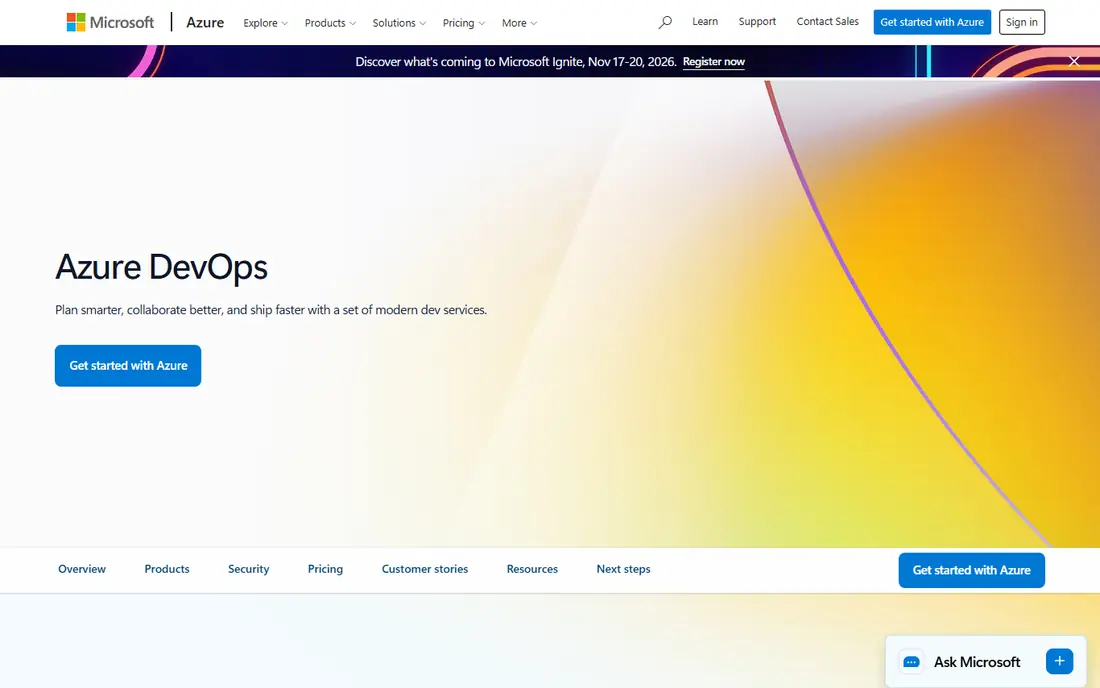
Azure DevOps is the closest thing to a complete ALM platform at a low price. Azure Boards handles work tracking, Repos hosts Git code, Pipelines runs CI and CD, Artifacts manages packages, and Test Plans adds manual testing. Basic seats cost 6 dollars per user per month after the first five free Basic users, and stakeholders who only view work and comment are free, which keeps the cost low for product managers and executives.
The catch is test pricing. Test Plans costs 52 dollars per user per month on top of Basic, so a team with many manual testers should price that carefully. The interface also assumes some DevOps familiarity. For a Microsoft or .NET team that wants one platform from backlog to release, Azure DevOps is our pick.
- Boards, repos, pipelines, and testing in one platform
- Low Basic seat price
- Free stakeholders
- Test Plans is a costly add-on
- Interface can feel dense for non-developers
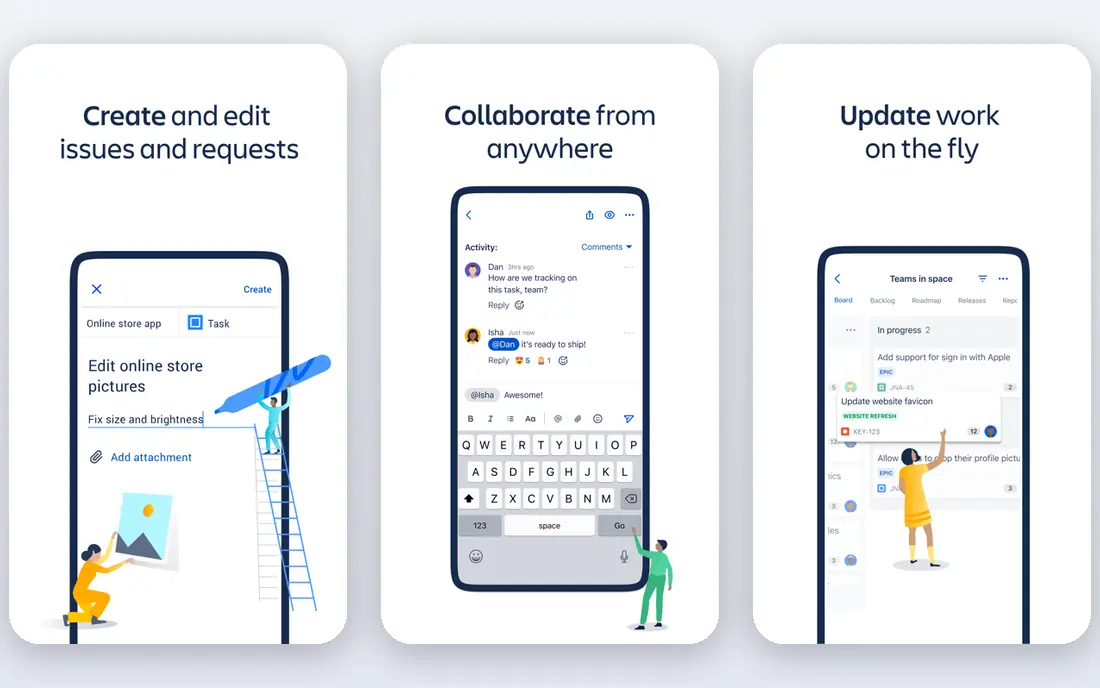
Jira is the standard for agile work tracking, and its strength is flexibility. Custom workflows, issue types, boards, roadmaps, and reports adapt to Scrum, Kanban, or mixed methods, and the marketplace adds test management, requirements, and time tracking apps. The free plan covers up to 10 users, and paid Standard plans start around 8 to 9 dollars per user per month depending on seat count, which makes Jira easy to start.
The honest limit is that Jira alone is not full ALM. Code lives in Bitbucket or GitHub, CI runs elsewhere, and requirements and test management need apps or separate tools. A team that wants one vendor for the whole lifecycle should compare Azure DevOps or a regulated ALM tool. For agile planning and tracking, Jira remains the most widely adopted choice.
- Flexible Scrum and Kanban boards
- Large marketplace
- Free plan for up to 10 users
- Code hosting and CI need separate tools
- Costs rise with team size and apps
Jama Connect is built for teams where requirements matter as much as code, such as medical devices, automotive, and aerospace. Requirements, risks, tests, and design items link together, so a team can trace a requirement from its source through design, code, and test result, and show that traceability to an auditor. Review and approval workflows keep changes controlled, which is essential in regulated development.
The trade-off is scope and price. Pricing is quoted, and Jama focuses on requirements and test traceability rather than code hosting or CI pipelines, so engineering teams still need Git and CI tools alongside it. For a regulated team whose main risk is lost requirements or untested changes, Jama Connect is a strong, focused ALM choice.
- Strong requirements management and traceability
- Review and approval workflows
- Good for regulated industries
- Quote-based pricing
- Less focus on code and CI
Polarion ALM, from Siemens, covers requirements, test management, and release tracking with full traceability in one web platform. Work items link to code changes and test results, so an engineering team can prove that each requirement was implemented and tested. That traceability, plus support for standards-driven development, makes Polarion popular with automotive, medical, and industrial software teams.
The catch is complexity and cost. Pricing is quoted, implementation benefits from an experienced admin, and a small agile team will find Polarion heavier than Jira or Azure DevOps. For an engineering organization that must show end-to-end traceability to a customer or regulator, Polarion is a serious enterprise option.
- Full traceability across requirements, code, and tests
- Strong for automotive and medical teams
- Web-based collaboration
- Quote-based pricing
- Setup and admin need expertise
Codebeamer, from PTC, serves product teams that need requirements, risk management, test management, and release tracking in one system, with templates for standards such as ISO 26262 and IEC 62304. Teams can manage the full product lifecycle, from concept to release, with traceability between requirements, risks, tests, and defects, which helps regulated product development stay auditable.
The limit is price and learning time. Codebeamer is quoted for enterprise teams, and a new team needs training to use its workflow and template system well. A small software team without regulatory pressure will find Jira or Azure DevOps simpler. For a regulated product team, Codebeamer offers a complete, template-driven ALM platform.
- Requirements, risk, and test management in one tool
- Templates for regulated standards
- Good traceability
- Quote-based pricing
- Learning curve for new teams
Helix ALM, from Perforce, pairs test case management with issue tracking and requirements in a system built for regulated and embedded software teams. Test cases, test runs, defects, and requirements link together, so a team can show test coverage for a release and trace a defect back to its requirement. On-prem and cloud deployment options suit teams with strict hosting rules.
The drawback is polish and pricing transparency. The interface is functional rather than modern, and pricing requires a quote. A team that wants a slick agile board will prefer Jira. For a team that needs solid test management with traceability, especially in embedded or medical software, Helix ALM is a dependable choice.
- Test case management plus issue tracking
- Good for regulated and embedded teams
- On-prem and cloud options
- Pricing is quoted
- Interface feels dated next to newer tools
SpiraTeam, from Inflectra, gives a small team requirements, test management, bug tracking, and task management in one platform at a lower price point than enterprise ALM tools. Requirements link to test cases and defects, so a team can track coverage without buying separate tools, and the system works for agile and traditional methods alike.
The limit is ecosystem size. SpiraTeam has fewer third-party integrations and a smaller marketplace than Jira or Azure DevOps, and the interface is plain. For a small team that wants real ALM traceability on a budget, SpiraTeam offers strong value, and a free trial lets a team test the workflow before committing.
- Requirements, tests, bugs, and tasks in one tool
- Affordable for small teams
- Good traceability for its price
- Smaller ecosystem than Jira
- Interface is utilitarian
OpenText ALM Octane, formerly Micro Focus ALM Octane, serves large enterprises that run agile delivery at scale with formal quality management. Planning, backlog management, test management, and pipeline insights sit in one platform, with dashboards for release quality and delivery risk. Large programs with many teams, shared services, and compliance needs benefit from that scale.
The catch is enterprise weight. Pricing is quoted, setup takes planning, and a small team will find Octane more than it needs. For a large organization consolidating agile delivery and quality tools, Octane is a credible enterprise ALM platform.
- Enterprise agile planning and quality management
- Strong pipeline and quality insights
- Scales to large programs
- Enterprise pricing and setup
- More than a small team needs
How we picked these
We compared official feature pages, pricing, free plans, and public reviews for tools that cover more than one stage of the software lifecycle, such as requirements, work tracking, testing, or release management. We favored tools that are actively sold in 2026 and that fit a clear team type, from agile startups to regulated enterprises. Pure issue trackers without requirements or test links, and pure CI tools without planning, were included only where they form a core part of an ALM stack, and we noted those limits.
What to check before you buy
Start with traceability needs. Ask whether you must prove, for an auditor or a customer, that each requirement was built and tested, or whether agile boards and release notes are enough. That answer separates regulated ALM tools from agile trackers. Next, map your existing stack: code hosting, CI, and test tools should link to the ALM platform, or you will maintain two records of the same work.
Run a trial with a real feature, from requirement to test result to release note, and check how long each handoff takes. Price the full team, including stakeholders and testers, and ask about admin effort, since a tool that needs a full-time admin costs more than its seat price suggests. Finally, check data export and migration, because ALM history is hard to rebuild if you switch later.
FAQ
What is application lifecycle management software?
Application lifecycle management software covers a software product from requirements and design through coding, testing, release, and maintenance. It links requirements to code changes, test cases, defects, and releases, so a team can track progress and prove that work was completed and tested.
What is the best application lifecycle management software?
Azure DevOps is our pick for most Microsoft-centered teams because it covers boards, code, pipelines, and testing at a low seat price. Jira is best for agile work tracking, while Jama Connect, Polarion, and Codebeamer suit regulated teams that need full traceability.
Is Jira an ALM tool?
Jira covers the planning and tracking part of ALM well, with boards, workflows, and reports, but it needs separate tools or marketplace apps for code hosting, CI, requirements, and test management. A team can build a full ALM stack around Jira, but Jira alone is not a complete ALM platform.
What is the difference between ALM and DevOps?
ALM covers the full product lifecycle, including requirements, design, testing, and release governance. DevOps focuses on the delivery part of that cycle, such as CI, CD, infrastructure, and monitoring, with an emphasis on speed and automation. Tools such as Azure DevOps cover both, while others focus on one side.
Do regulated teams need special ALM software?
Often yes. Regulated industries such as medical devices and automotive need traceability from requirement to test result, controlled change, and audit-ready records. Tools such as Jama Connect, Polarion, and Codebeamer are built for those needs, while general agile trackers may need add-ons to meet them.
How much does ALM software cost?
Prices range from free for small Jira and Azure DevOps teams to quoted enterprise pricing for regulated ALM platforms. Azure DevOps Basic costs 6 dollars per user per month after the first five free users, while enterprise ALM tools require a sales quote based on team size and modules.
Sources
- https://azure.microsoft.com/en-us/products/devops
- https://www.atlassian.com/software/jira
- https://www.jamasoftware.com
- https://polarion.plm.automation.siemens.com
- https://www.codebeamer.com
- https://www.perforce.com/products/helix-alm
- https://www.inflectra.com
- https://www.opentext.com/products/alm-octane