Best Companies for IT Jobs in 2026: 8 Employers Compared
We compare the best companies for it jobs on pay transparency, perks, training and hiring, so you can pick the tech employer that fits your career in 2026.
- Editor's choice
 Microsoft
Cloud and enterprise IT careers
Starts atSee websiteVisit careers.microsoft.comFull review - Great alternative
 Google
Engineering depth and perks
Starts atSee websiteVisit careers.google.comFull review - Also consider
 Amazon
Scale and operations IT roles
Starts atSee websiteVisit amazon.jobsFull review
TL;DR:
- Microsoft, Google and Amazon offer the broadest range of IT roles, from cloud and security to support and data work.
- Pay transparency varies a lot by state and role, so check the posted salary range on each job listing before you apply.
- Cisco, IBM and Salesforce stand out for certification support and structured training for people moving into new specialties.
- Apple and Adobe tend to suit people who want deep product work, while consulting-style employers suit people who want varied client projects.
- Hiring is competitive at every company here, so a focused application with relevant projects beats a generic resume.
Quick comparison
| Tool | Best for | Starts at | Free plan? | |
|---|---|---|---|---|
| Microsoft | Cloud and enterprise IT careers | See website | No | Visit |
| Google | Engineering depth and perks | See website | No | Visit |
| Amazon | Scale and operations IT roles | See website | No | Visit |
 Apple | Product-focused IT work | See website | No | Visit |
 Cisco | Networking and security careers | See website | No | Visit |
 IBM | Consulting and mainframe skills | See website | No | Visit |
 Salesforce | CRM and cloud platform careers | See website | No | Visit |
 Adobe | Creative software engineering | See website | No | Visit |
The best companies for IT jobs
These employers hire IT staff at serious scale, and each one rewards a different kind of worker. Use the profiles below to match your skills and work style to the right place.
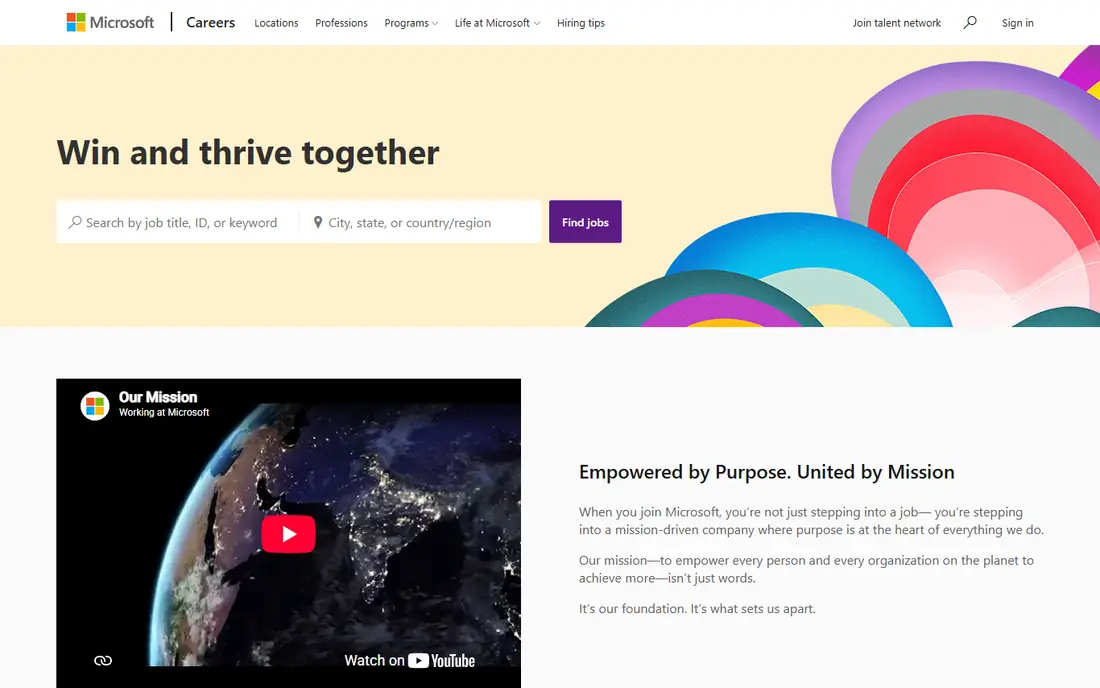
Microsoft is our pick for most IT job seekers because its range is so wide. You can work on Azure cloud services, enterprise support, security, data platforms or internal IT, and move between those areas over time. The company publishes salary ranges on many US job postings, which helps you judge a role before you spend hours applying. Learning support is a real strength, with certification paths tied to Azure and Microsoft 365 that managers tend to respect.
The honest catch is size. A team of thousands can mean slower decisions and work that feels far from the end user. Some roles are tightly scoped, so read the job description closely and ask in interviews how much ownership the role actually carries. If you want breadth, stability and a name that travels well on a resume, Microsoft is hard to beat.
- Huge range of IT roles
- Strong learning resources
- Remote and hybrid options in many teams
- Large org can feel slow
- Internal moves depend on team openings
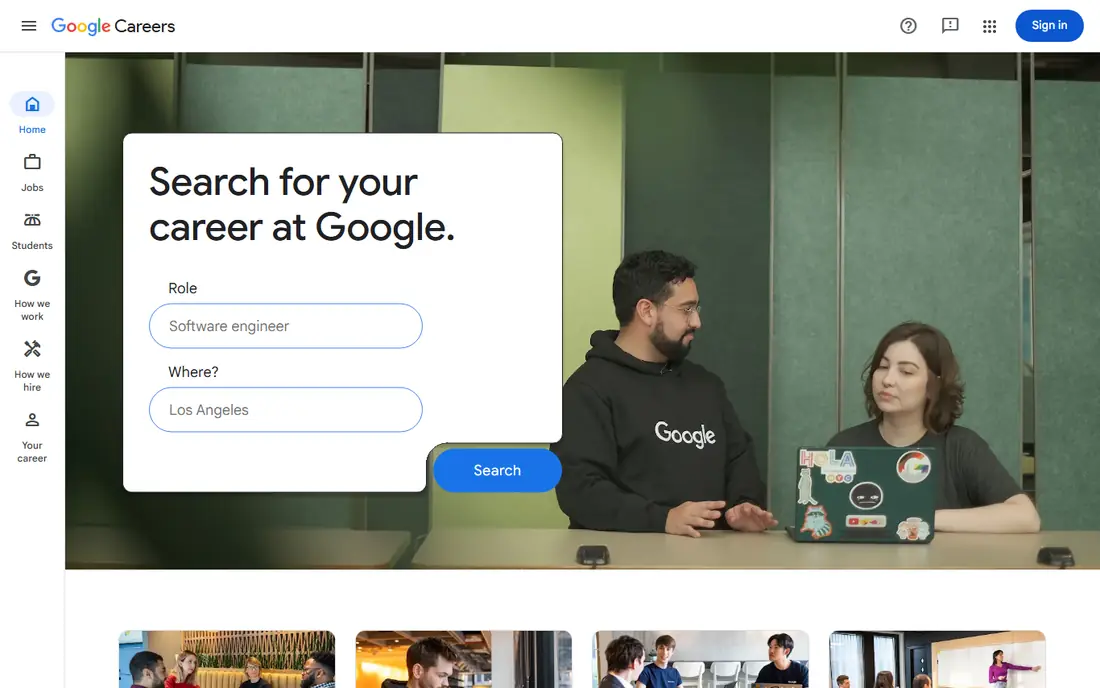
Google remains one of the most sought-after IT employers, and the reasons are practical rather than glamorous. Pay is typically strong, benefits are generous, and the internal tools and documentation are among the best in the industry. For engineers, the chance to work on systems used by billions of people is a genuine draw, and the interview process, while tough, is at least well documented by the company itself.
The downside is the odds. Application volumes are enormous, and the hiring bar stays high even for support and IT operations roles. Once inside, some teams are so specialized that your work may cover a small slice of a large system. Google suits people who enjoy depth, peer review and long-term technical craft.
- Strong pay and benefits
- Deep engineering culture
- Well-known training resources
- Very competitive hiring
- Some teams have narrow scopes
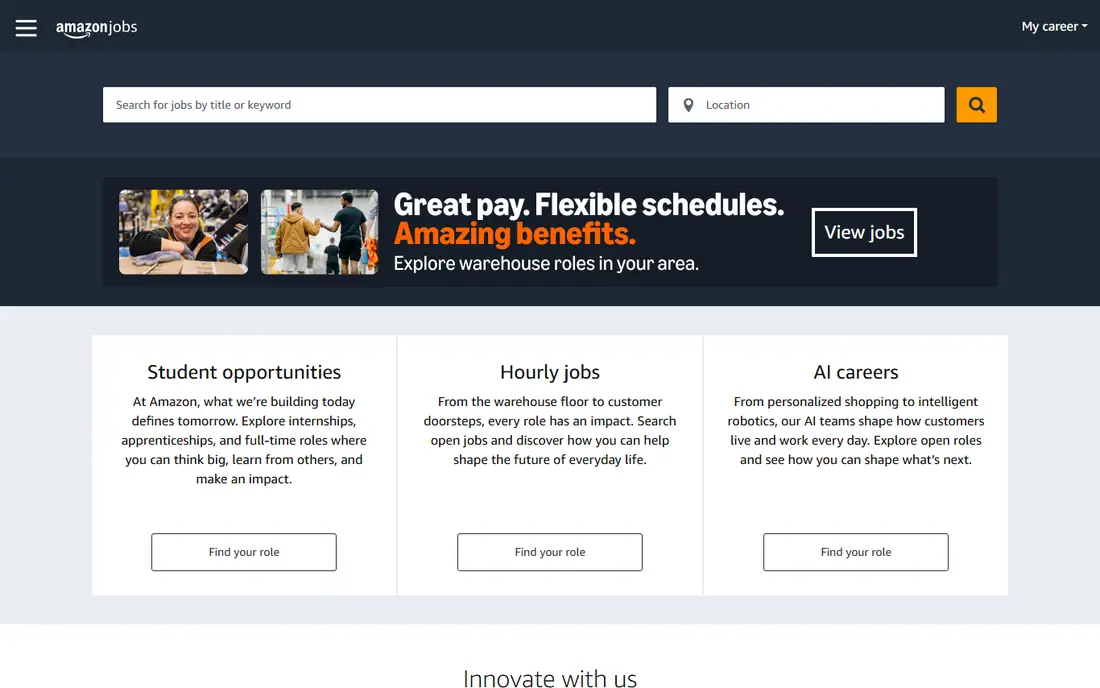
Amazon hires more IT workers than almost any other company on this list, across Amazon Web Services, retail technology, logistics systems and corporate IT. That volume means more open doors, including roles that do not require a traditional computer science degree. AWS experience gained here is highly portable, and many teams publish clear expectations for promotion, which helps ambitious staff plan their next step.
Pace is the trade-off. Amazon is known for a demanding culture, and the experience differs sharply from team to team, so talking to current and former team members matters. On-call duties and tight deadlines are common in operations-heavy roles. If you thrive on scale, ownership and measurable results, Amazon offers opportunity few employers can match.
- Massive hiring volume
- AWS skills in demand
- Clear promotion criteria in many teams
- Fast pace and high expectations
- Work-life balance varies by team
Apple appeals to IT professionals who care about the finished product. Roles span software engineering, hardware systems, IT support, security and retail technology, all tied closely to devices and services people use every day. The company is known for careful design and high quality standards, which can be satisfying if you like craft and detail. Pay and benefits are competitive, and Apple products and services experience is valued across the industry.
Secrecy is part of the deal. You may not be able to discuss your work publicly, and that can make portfolio building harder. Apple also leans toward in-person work for many roles, so remote-first job seekers should check each listing carefully. For product-minded IT workers, though, few employers offer this mix of hardware and software depth.
- Deep product integration
- Strong hardware and software mix
- Respected brand
- Secrecy limits outside visibility
- Fewer remote roles in some areas
Cisco is the natural home for network engineers, and it remains a strong pick for security and infrastructure specialists too. Its certification program, from CCNA upward, is still a recognized benchmark in hiring, and working at the company gives you direct exposure to the gear and software many enterprises run. Cisco also offers flexible work arrangements in many teams, plus structured learning budgets that help staff keep certifications current.
As a large, mature company, Cisco does reorganize from time to time, and that can shift team priorities. Some IT roles sit close to sales engineering, which suits some people and not others. If networking or security is your core skill, Cisco gives you depth, credibility and a clear path to senior technical roles.
- Networking certification paths
- Strong security portfolio
- Flexible work in many roles
- Large-company restructuring happens
- Some roles are sales-adjacent
IBM is a good fit for IT workers who like variety. Through its consulting arm and its software and infrastructure businesses, staff work with banks, hospitals, retailers and government clients on very different problems. Mainframe, hybrid cloud and AI-related consulting work are particular strengths, and IBM still values skills that other tech firms overlook, including enterprise systems knowledge built over years.
The trade-off is pace and process. Large client engagements bring paperwork, approvals and long timelines, and base pay can sit below the top product companies for similar roles. If you want a steady career with varied projects and deep enterprise experience, IBM is a solid, often underrated choice.
- Consulting variety
- Mainframe and hybrid cloud expertise
- Global client base
- Bureaucracy in large engagements
- Pay can lag pure tech firms
Salesforce suits IT professionals who want a platform career with a clear ladder. Administrators, developers, architects and support engineers all work on the same cloud platform, and the Trailhead learning site lets you build credentials before you ever apply. The wider partner ecosystem also creates jobs beyond Salesforce itself, so platform skills stay portable even if you later leave.
The risk is concentration. Your expertise becomes tied to one vendor, and demand for Salesforce roles moves with the company's hiring cycles. Some staff also find the product's pace of change relentless, with three major releases a year to absorb. If you like business software, customer-facing systems and a friendly learning community, Salesforce is a strong pick.
- Large partner and admin ecosystem
- Trailhead learning is free
- Strong benefits
- Role depends heavily on the Salesforce platform
- Hiring can be cyclical
Adobe is best known for creative tools, but it is also a serious IT employer, with roles in cloud services, data, security, IT operations and engineering for Creative Cloud and Document Cloud. Staff often praise the work-life balance and the thoughtful product culture, and the company's focus on creators gives its engineering work a visible, tangible output. Benefits are competitive, and Adobe's name carries weight in both tech and media industries.
Hiring volume is smaller than at Microsoft or Amazon, so openings in a given specialty may be rare, and pure IT operations roles are fewer. Adobe fits people who want to work on polished, widely used software in a calmer setting than the largest tech giants offer.
- Creative and document cloud depth
- Good work-life balance reports
- Strong design culture
- Fewer IT operations roles
- Hiring volume smaller than larger rivals
How we picked these
We compared official careers pages, posted salary ranges, benefits summaries, learning programs and public hiring information for major US tech employers. We favored companies with large, current IT hiring, clear career paths and verifiable perks, and we left out firms whose IT hiring is small or hard to verify. We did not claim hands-on employment at these companies; this ranking reflects public information available in October 2026.
What to check before you apply
Start with the posted salary range and location, since the same title can pay very differently across cities and states. Check whether the role is remote, hybrid or on site, and whether on-call work is part of the job. Look at the required certifications and ask yourself whether the company helps you earn them, since that support can be worth thousands of dollars over a career.
Pay transparency and perks
States such as California, New York and Washington require salary ranges on many postings, so use those listings as your benchmark even if you live elsewhere. Compare total pay, not just base salary, including bonuses, stock and benefits such as health coverage and retirement matching. Perks like free meals or gym access are nice, but they rarely outweigh a large pay or flexibility gap.
Hiring process and growth
Ask recruiters how long the process usually takes and how many interview rounds to expect, since a long process can conflict with other offers. Look for evidence of internal mobility, such as employees moving between teams, and check whether the company publishes promotion criteria. A clear path upward matters more over five years than a slightly higher starting salary.
FAQ
What is the best company for IT jobs for beginners?
Microsoft and Amazon are strong starting points because they hire at scale and offer structured training for early-career staff. Cisco is also a good choice if you want networking certifications to anchor your resume. Pick the employer whose entry roles match the skills you already have, rather than chasing brand name alone.
Which IT companies pay the most?
Google, Apple and Microsoft typically lead on total pay for experienced engineers, though exact figures depend on role, location and level. Amazon can match them when stock grants are included, but its cash pay structure differs. Always compare the full offer, including bonuses and stock vesting schedules.
Do these companies hire remote IT workers?
Many do, but it varies by team and role, with support and security roles often more flexible than hardware roles. Check each job listing for its stated location policy, and confirm it with the recruiter before you accept an offer. Policies can change, so get the arrangement in writing.
How hard is it to get hired at these companies?
Hiring is competitive at all eight, with multiple interview rounds common for engineering roles. Strong candidates usually show relevant projects, certifications or prior experience, not just a degree. Applying to several companies at once, and preparing with practice interviews, improves your odds.
Should I specialize or stay general in IT?
Specializing in cloud, security or networking tends to raise pay faster, while general IT support skills keep more doors open early on. A practical path is to start broad, then specialize once you see which work you enjoy and which skills employers keep requesting. Certifications help signal either direction.