Cloud Web Hosting Platforms for Enterprise in 2026: The 5 Best Options Side by Side
Compare 5 picks for the best cloud web hosting platforms for enterprise, with prices, free plans and who each fits. Real limits included. Easy to scan.
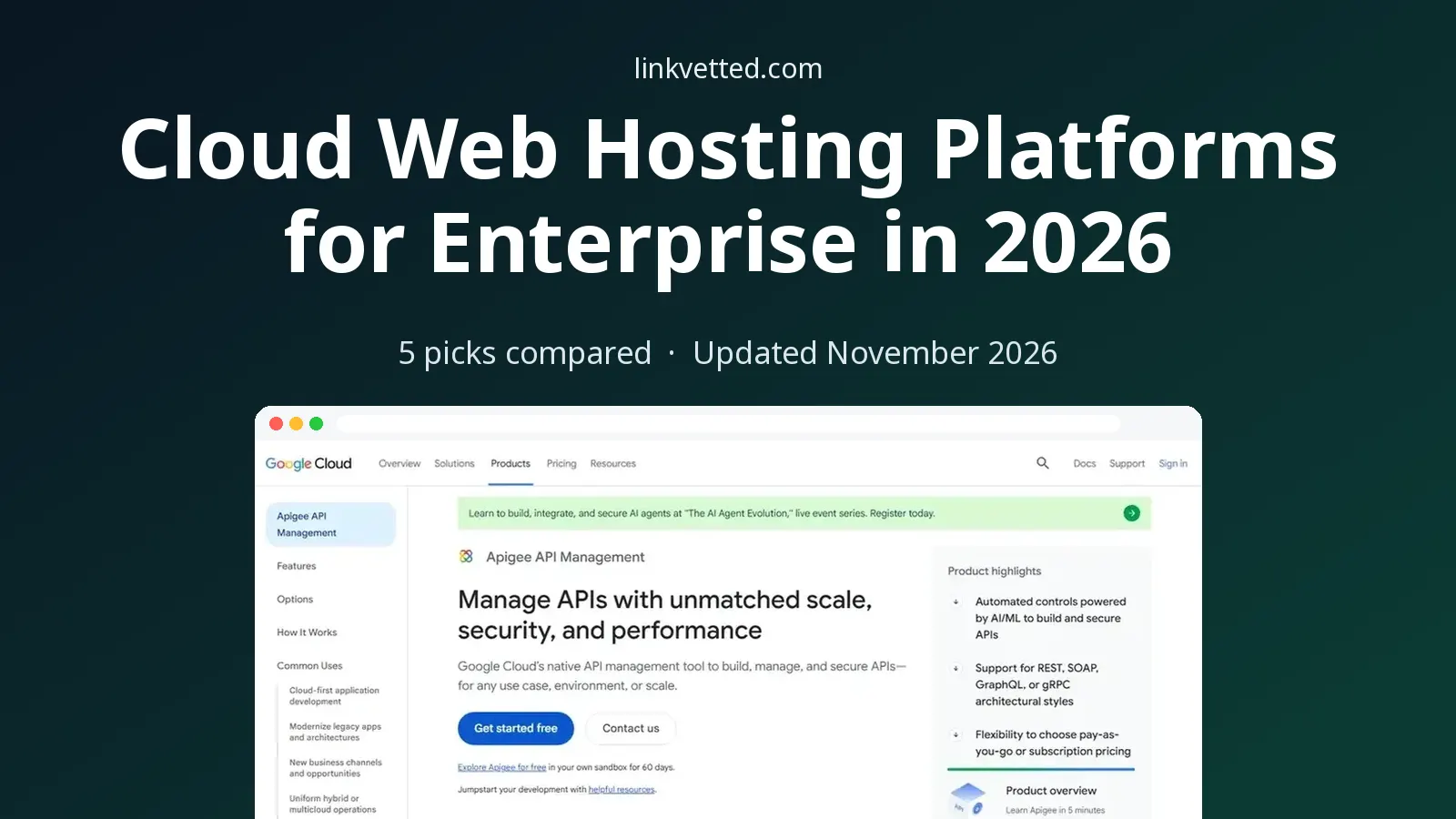
- Editor's choice
 Google Cloud
AI, data and multi-cloud workloads
Starts atPricing on requestVisit cloud.google.comFull review - Great alternative
 Liquid Web
Managed hosting with reliability focus
Starts atPricing on requestVisit liquidweb.comFull review - Also consider
 Microsoft Azure
Microsoft-centric and hybrid environments
Starts atPricing on requestVisit azure.microsoft.comFull review
Direct answer
Google Cloud comes first here, mainly for AI, data and multi-cloud workloads. Liquid Web is the stronger choice for managed hosting with reliability focus, while Microsoft Azure suits Microsoft-centric and hybrid environments. The full list of 5 tools follows, with prices and free plan facts. None of these vendors publish plan prices, so pricing is on request for every option.
TL;DR:
- This list starts with Google Cloud, which is built for AI, data and multi-cloud workloads.
- IBM Cloud is the one to check for regulated industries and hybrid infrastructure.
- AWS stands alone as the one tool in this list with a free plan.
- One limit worth knowing about Microsoft Azure: service naming can confuse newcomers.
Last checked November 2026. Pricing on request: vendors did not publish plan prices when this guide was last checked (November 2026), so ask each vendor for a written quote.
Quick comparison
| Tool | Best for | Starts at | Free plan? | |
|---|---|---|---|---|
| Google Cloud | AI, data and multi-cloud workloads | Pricing on request | Not stated | Visit |
| Liquid Web | Managed hosting with reliability focus | Pricing on request | Not stated | Visit |
| Microsoft Azure | Microsoft-centric and hybrid environments | Pricing on request | Free trial | Visit |
 AWS | Wide infrastructure and global scale | Pricing on request | Yes | Visit |
 IBM Cloud | Regulated industries and hybrid infrastructure | Pricing on request | Free trial | Visit |
Our 5 picks for cloud web hosting platforms for enterprise
This LinkVetted guide covers 5 options for cloud web hosting platforms for enterprise. Each profile lists a starting price, free plan details, strengths and drawbacks, so you can drop poor fits quickly.
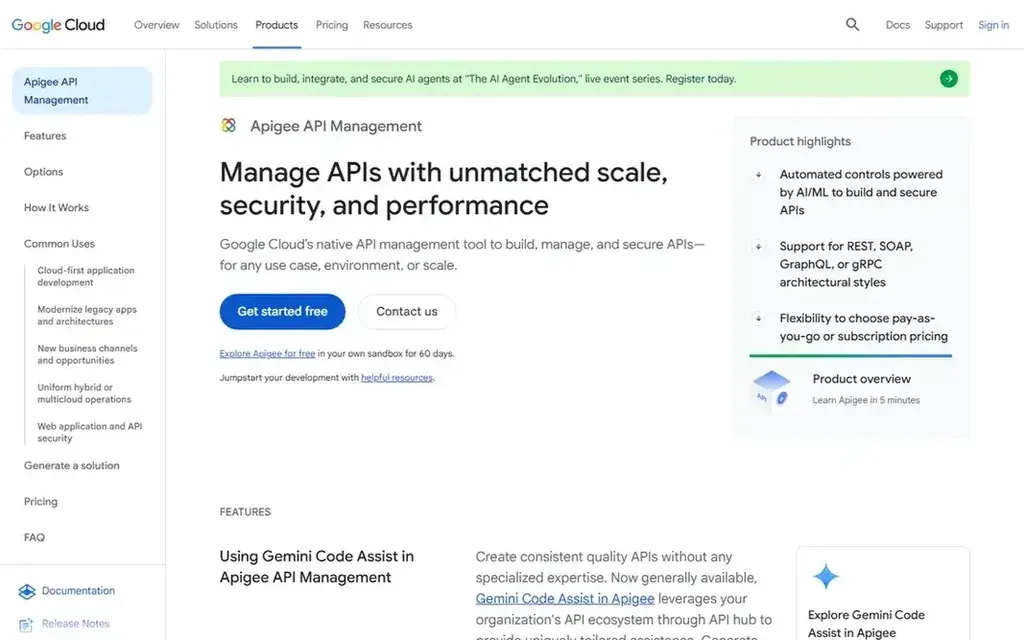
Google Cloud is designed for AI, data and multi-cloud workloads. Google Cloud offers AI and cloud computing services targeted at security, data management and hybrid or multi-cloud environments. Its enterprise ecosystem and partner network may be less familiar to some buyers, and skilled staff are needed to operate it well.
Where it is weaker: Needs cloud expertise.
In daily use, choose Google Cloud when data and AI capabilities are the deciding factor. From a buyer's view, teams wanting more straightforward managed hosting should look elsewhere. Pricing for Google Cloud is not stated here, so ask the vendor for current figures. On free options: Not stated.
- Security-focused offerings
- Solid AI and data services
- Smaller enterprise ecosystem than rivals
Think of Liquid Web for managed hosting with reliability focus. Enterprises needing broad AI or data services should look to bigger providers.
Downsides: Narrower than hyperscale clouds.
In daily use, choose Liquid Web when managed reliability and compliance are the core requirements. Worth adding: Liquid Web gives hosting options made for uptime, performance and security, including dedicated servers, managed hosting and compliant infrastructure. Pricing for Liquid Web is not stated here, so ask the vendor for current figures. As for free access: Not stated.
- Managed hosting choices
- Compliant infrastructure available
- Less suited to custom cloud architectures
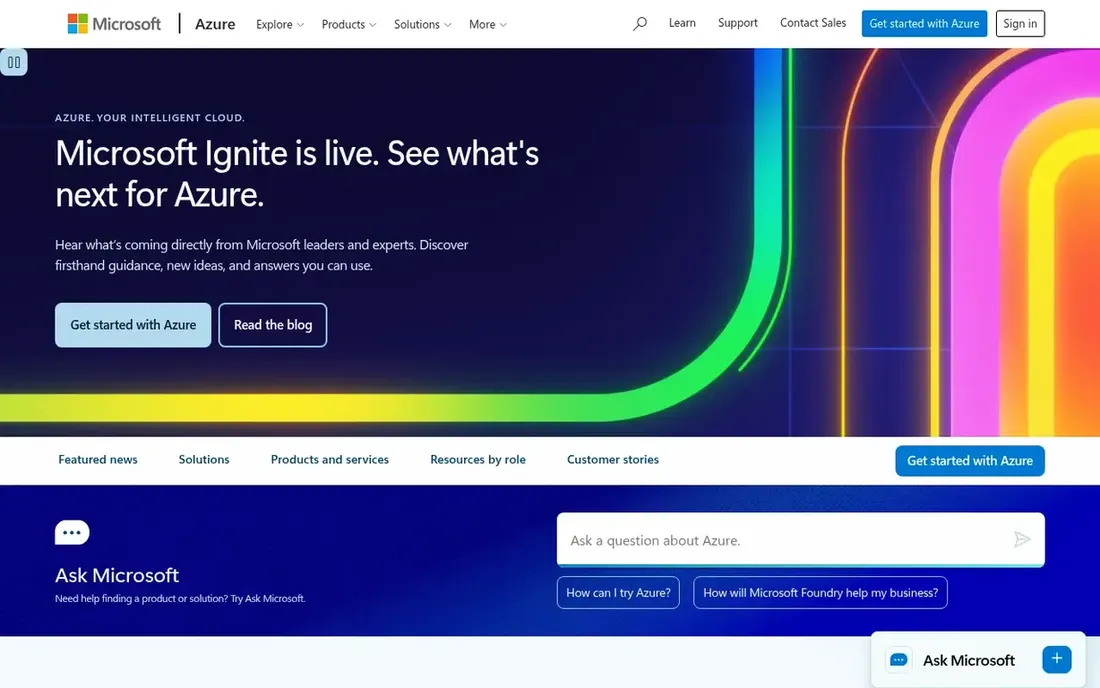
Microsoft Azure serves Microsoft-centric and hybrid environments. Microsoft Azure is an open and adaptable cloud computing system positioned around cost savings and organizational efficiency. It supports many different workloads.
What works well: Solid hybrid cloud story.
More specifically, organizations without Microsoft dependencies may find other systems a better cultural fit. Pick Azure when existing Microsoft investments and hybrid needs are central. Azure's expanding service catalog can be hard to navigate, and spending needs oversight. Check the vendor site for Microsoft Azure pricing; none is listed in this comparison. Free options: Free trial.
Where it falls short: Service naming can confuse newcomers.
- Open and adaptable system
- Decent fit for Microsoft tooling
- Costs need active monitoring
AWS works best for wide infrastructure and global scale. Smaller teams or those wanting completely managed hosting may prefer a more straightforward provider.
Watch-outs: Cost management needs discipline.
AWS is a full cloud computing product offering steady, scalable services across compute, storage, networking and more. For everyday use, teams with cloud engineering experience tend to get the most from it. AWS does not show a starting price in this comparison, so check the vendor site for current pricing. A free plan is available with AWS.
- Solid global infrastructure
- Elastic
- Service breadth can overwhelm newcomers
IBM Cloud is aimed squarely at regulated industries and hybrid infrastructure. Teams building on IBM software often find it a natural extension.
What to check first: Interface can feel complex.
Organizations without IBM dependencies may not gain as much. Check the vendor site for IBM Cloud pricing; none is listed in this comparison. Trial and free access: Free trial.
- Solid development product
- Adaptable infrastructure choices
- Fewer mainstream community resources
How we chose
LinkVetted looked at what each vendor publishes: pricing, plan limits, feature coverage for cloud web hosting platforms for enterprise and stated drawbacks. No hands-on testing is claimed. Figures are shown as the vendors publish them. Billing terms, seat minimums and add-ons can change the real cost. Tools are placed by general fit for cloud web hosting platforms for enterprise, with price clarity and free access as tie-breakers. A different team can reasonably rank them differently.
Before you commit
- Confirm the entry price with every vendor: no tool from Google Cloud to IBM Cloud shows a fixed starting price.
- Look at the free plan from AWS closely: its caps decide whether it is usable for real work.
- Take the trial from Microsoft Azure and IBM Cloud and push a live task through it before you pay.
- Read the limits listed for Google Cloud first: smaller enterprise ecosystem than rivals.
- Confirm the exact AWS plan that includes your must-have features.
- Add up seats, add-ons and usage charges for Google Cloud before comparing it with cheaper entries.
FAQ
Do these tools publish their prices?
No. None of the tools, from Google Cloud to IBM Cloud, shows a fixed starting price here, so budget time for quotes.
How do I evaluate security across cloud hosting products?
Check each vendor's documented security services, compliance certifications and shared responsibility model. Confirm which controls you handle compared with the provider. Validate regional requirements before committing.
How are the tools for cloud web hosting platforms for enterprise ordered?
The order follows typical fit for cloud web hosting platforms for enterprise, with Google Cloud first and IBM Cloud last, then price clarity and free access. It is editorial judgement, not a score, so another team could rank the tools differently.
Which options for cloud web hosting platforms for enterprise have a free plan?
AWS is the only tool in this list with a free plan. Free plans usually cap users, projects or features, so check the limits on the vendor page. Several others offer a trial instead.
Is Google Cloud the right pick for everyone comparing cloud web hosting platforms for enterprise?
No single tool suits every team. Google Cloud comes first because it fits AI, data and multi-cloud workloads, while Liquid Web suits managed hosting with reliability focus and Microsoft Azure suits Microsoft-centric and hybrid environments. Match the tool to your own size, budget and workflow before deciding.
Sources
- https://cloud.google.com
- https://www.liquidweb.com
- https://azure.microsoft.com
- https://aws.amazon.com
- https://www.ibm.com/cloud