Best Chicago Companies to Work for in 2026: 8 Companies Compared
We compared best Chicago companies to work for in 2026 on roles, benefits, locations and career paths, so you can shortlist employers that fit your goals.
- Editor's choice
 Google Chicago
Tech roles in a large Chicago office
Starts atSee websiteVisit google.comFull review - Great alternative
 JPMorgan Chase
Banking, technology and operations careers
Starts atSee websiteVisit jpmorganchase.comFull review - Also consider
 United Airlines
Airline operations, corporate and customer roles
Starts atSee websiteVisit united.comFull review
TL;DR:
- Chicago offers large employers in tech, banking, airlines, health and markets, so the best fit depends on job family more than on company size alone.
- Check location, shift pattern and work model for the exact role, because the same employer can offer very different daily work across teams.
- Compare published benefits, training and internal mobility, not only headline pay, when you shortlist Chicago employers.
- Ask about team size, manager style and current projects in interviews, since those factors shape day to day experience most.
Quick comparison
| Tool | Best for | Starts at | Free plan? | |
|---|---|---|---|---|
| Google Chicago | Tech roles in a large Chicago office | See website | No | Visit |
| JPMorgan Chase | Banking, technology and operations careers | See website | No | Visit |
| United Airlines | Airline operations, corporate and customer roles | See website | No | Visit |
 Abbott Laboratories | Healthcare, science and manufacturing careers | See website | No | Visit |
 McDonald's | Corporate roles and restaurant career paths | See website | No | Visit |
 Accenture | Consulting and technology project work | See website | No | Visit |
 Tempus | Health technology and data roles | See website | No | Visit |
 CME Group | Financial markets and technology careers | See website | No | Visit |
The best chicago companies to work for
Chicago has depth across tech, finance, health, airlines and consulting, so a shortlist that only looks at brand names misses the detail that matters. The companies below all have a real Chicago presence, but they suit different careers.
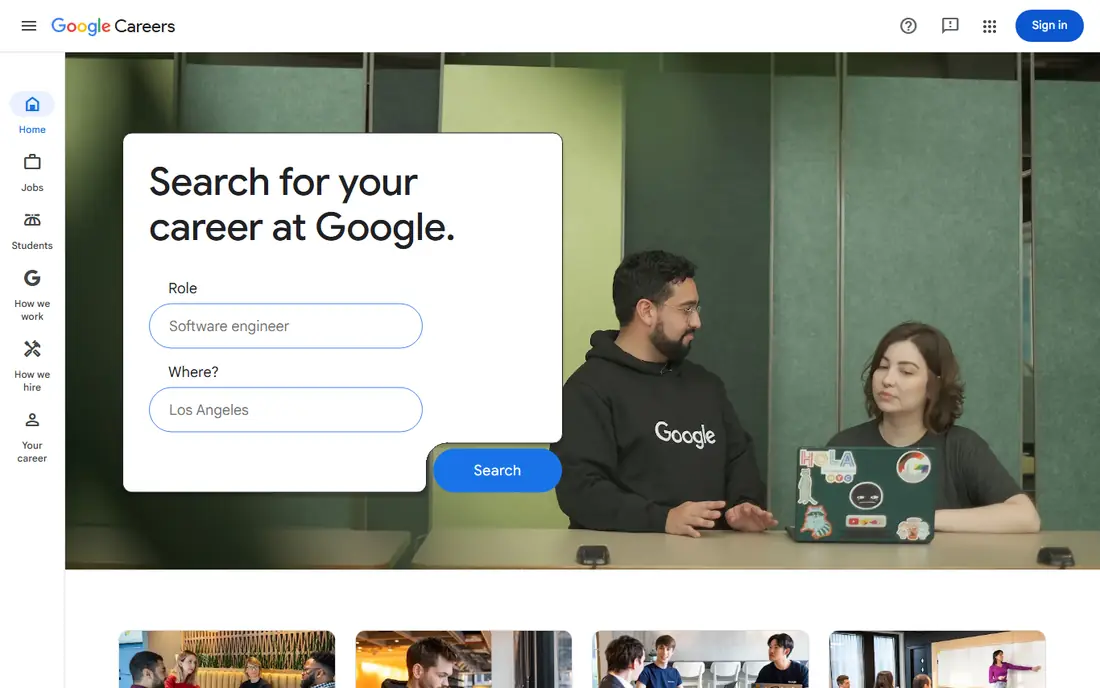
Google has a sizable Chicago presence that covers engineering, sales, advertising and cloud work, which gives job seekers more than one route into the same employer. The office setting suits people who want the resources of a global company while staying in the city, including structured training, internal job moves and benefits that are published on its careers pages. Candidates who prefer small teams should still look closely at the specific team, since day to day experience varies a lot inside a company of this size.
Hiring is selective, and interview timelines can stretch across several rounds. That trade-off may be worth it for people who value stability and a recognised name on a resume, but it can frustrate anyone who needs a fast decision. Check the listed location, work model and team description before applying, because Chicago roles are not all based in the same building or group.
- Large Chicago engineering and sales teams
- Strong benefits and learning budgets
- Well known internal mobility paths
- Very competitive hiring
- Some roles are hybrid with set office days
- Large teams can feel distant from decisions

JPMorgan Chase is one of the largest private employers in the Chicago area, with roles in consumer banking, corporate banking, technology, risk and operations. That scale matters for job seekers who want to change function without changing employer, or who want a clear path from an entry role into a specialist role. The company also publishes detailed benefits information, which makes it easier to compare health cover, retirement plans and leave against other large employers.
The other side of scale is process. Approvals, compliance checks and shift patterns can feel rigid, especially in customer facing or operations roles. Applicants should ask about team size, manager style and schedule expectations during interviews, since those factors often shape daily work more than the company name does.
- Large Chicago workforce across banking and technology
- Broad internal career paths
- Extensive training and benefits
- Large organisation with formal processes
- Some roles follow strict schedules
- Promotion can depend on business unit timing
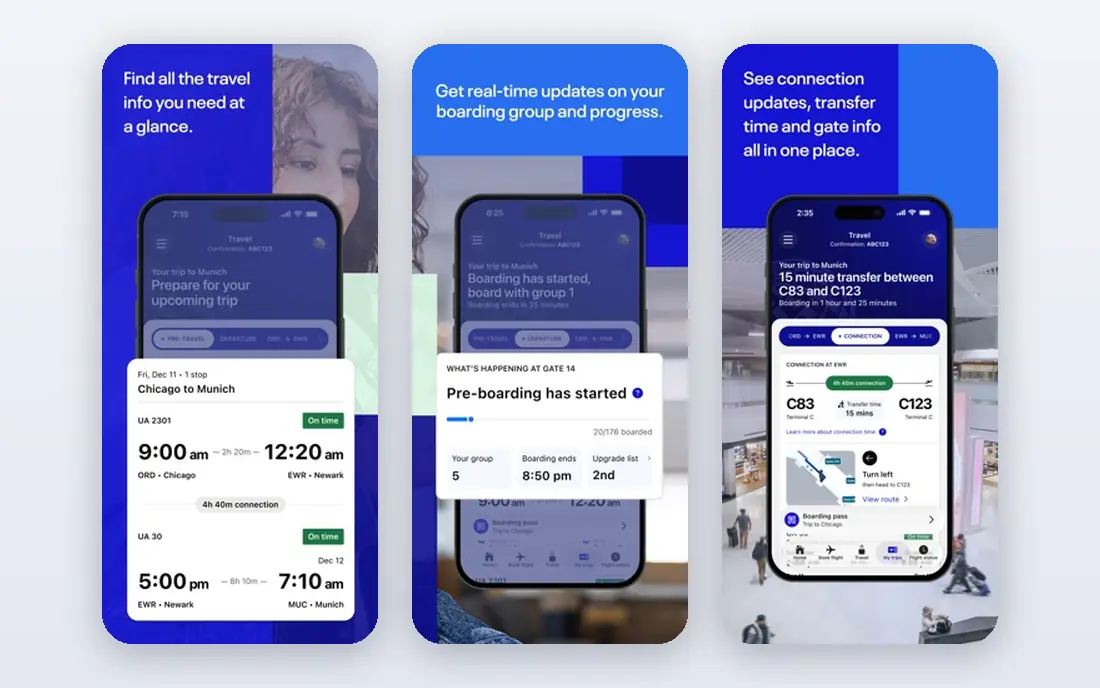
United Airlines is centred on Chicago O'Hare, so it offers a mix that few other local employers can match, from airport operations and maintenance to corporate roles in network planning, finance and technology. For people who live near the airport or who value flight benefits, that mix is a real draw. Corporate roles tend to follow office patterns, while operational roles follow flight schedules, so the same employer can feel very different depending on the job family.
Shift work, irregular hours and standby travel rules are the main drawbacks to weigh. Flight benefits are a perk, not a guarantee of a seat, and peak travel periods can limit their use. Candidates should confirm base location, shift pattern and probation terms in writing before accepting an operations role.
- Major Chicago hub employer
- Travel benefits for staff
- Wide range of operational and corporate roles
- Shift and weekend work is common in operations
- Travel benefits have rules and standby limits
- Hiring can be seasonal
Abbott Laboratories, based in the Chicago area, hires across diagnostics, medical devices, nutrition and pharmaceuticals, which makes it a strong option for science and engineering graduates as well as commercial and supply chain professionals. The company suits people who want regulated, product focused work with clear quality standards and long product cycles. Early career programs and internal moves can help new joiners build a career without leaving the healthcare sector.
Suburban locations and lab or plant schedules do not suit everyone, and regulated work involves careful documentation that can slow down decisions. That structure is part of the appeal for people who like precision, but it can feel heavy for those who prefer fast, informal product work. Review commute, shift and site details for the exact role, since Abbott has several Chicago area sites.
- Long standing Chicago area healthcare employer
- Science, engineering and commercial roles
- Structured development programs
- Some roles are site based in the suburbs
- Regulated work brings documentation and compliance demands
- Large divisions vary in culture
McDonald's moved its global headquarters to Chicago, which gives the city a large corporate base in marketing, technology, supply chain and finance alongside thousands of restaurant jobs. For job seekers, that creates two distinct routes: a corporate career in the West Loop headquarters, or a restaurant path that can lead into management with training provided on the job. The scale of hiring also means openings appear often, including for people early in their careers.
Restaurant work is demanding in a different way from office work, with standing, speed and customer pressure during busy periods. Corporate roles, by contrast, are fewer and more competitive. Anyone comparing McDonald's with other employers should separate restaurant pay and schedules from corporate pay and schedules, because they are not the same job market.
- Global headquarters in Chicago
- Corporate, technology and restaurant management paths
- Large entry level hiring
- Restaurant roles involve shift, weekend and physical work
- Corporate hiring is competitive
- Pay varies widely by role and location
Accenture has a large Chicago practice that serves clients in finance, health, consumer goods and the public sector, so consultants and technologists can work on different problems without changing employer every year. That variety suits people who learn by doing and who want formal training alongside client work. The firm also offers a clear progression structure, which helps early career staff see what the next role requires.
Project work brings trade-offs. A good project can be energising, while a difficult client or a long stretch of travel can wear people down. Utilisation expectations and staffing decisions also affect work life balance in ways that are hard to see from a job advert. Candidates should ask about current projects, travel expectations and team size before accepting an offer.
- Large Chicago consulting practice
- Varied client projects
- Training and certification support
- Project based work can mean changing clients and hours
- Travel and utilisation pressure vary by practice
- Experience depends on the project team
Tempus is a Chicago based health technology company focused on using clinical and molecular data to support precision medicine. It appeals to people who want to work at the meeting point of healthcare and technology, in roles spanning software, data science, laboratory work and commercial teams. Compared with the largest employers here, Tempus offers a closer link between daily work and patient focused products, which many staff cite as a reason to join.
As a growth stage company, Tempus can change direction faster than a large bank or airline, and team priorities can shift with product and market needs. That pace suits people who are comfortable with change, but it can be unsettling for those who want a very stable routine. Check funding stage, team tenure and role scope during interviews, and weigh mission fit against the smaller scale of support functions.
- Chicago health technology company
- Data, science and software roles
- Mission focused work in precision medicine
- Smaller than the large employers on this list
- Growth stage change can affect teams
- Some roles require specialist health or data knowledge
CME Group runs major derivatives markets from Chicago, which makes it a distinctive local employer for people interested in trading infrastructure, risk, clearing and market technology. Roles here tend to be specialist and well paid relative to generalist roles, and the work has a direct link to how markets operate each day. For finance or technology professionals who want depth rather than breadth, that focus is a clear advantage.
The same focus narrows the field. Many roles expect prior markets, risk or low latency technology experience, and some teams work around market hours or on call rotas. That can limit options for career changers. Candidates should look for roles that match their existing strengths and ask how on call and market hours are handled in practice.
- Chicago based markets company
- Trading, clearing and technology roles
- Strong pay and benefits for specialist roles
- Specialist financial knowledge is often required
- Market hours and on call work affect some teams
- Hiring is selective
How we picked these
We compared official careers pages, published benefits and role descriptions, and public reviews for Chicago employers with a substantial local workforce. We favoured employers that hire across more than one job family, publish clear benefits information and offer a visible Chicago base, and we noted where experience varies by team or site. We did not claim hands-on testing, and we did not rank pay, since pay varies by role, level and location.
How to choose a Chicago employer
Start with the work you want to do each day, then match it to a Chicago employer that hires for that work at scale. A bank, an airline and a health technology company may all be in Chicago, but their schedules, locations and career paths differ sharply. Use the job description, the team page and recent employee reviews together, and treat any single review as one data point rather than a verdict.
Match the job family first
Separate corporate, operations, laboratory, restaurant and consulting roles before you compare pay. A corporate marketing role and an airport operations role at the same company are different jobs with different hours and benefits rules.
Test the commute and the schedule
Chicago traffic and transit times vary by neighbourhood and by site, especially for suburban campuses and O'Hare roles. Confirm shift start times, hybrid days and on call expectations before you accept, and run a trial commute if you can.
Ask about growth in the first year
Ask what training, certification support and internal moves look like in the first 12 months. Employers that can name a program, a mentor structure or a typical next role give you a clearer picture than a general promise of growth.
FAQ
Which Chicago company is best for tech careers?
Google, JPMorgan Chase, Accenture, Tempus and CME Group all hire technologists in Chicago, but they differ in focus. Google and Tempus lean toward product and data work, while JPMorgan Chase and CME Group lean toward financial systems and risk. Shortlist by the type of product you want to build and the team you would join.
Are Chicago employers mostly downtown?
No. Some are downtown or in the West Loop, while others have large suburban campuses or airport bases. Abbott, for example, has major suburban sites, and United is centred on O'Hare. Location should be part of every shortlist, not an afterthought.
Do large Chicago employers offer remote work?
It depends on the role. Many corporate and technology roles offer hybrid patterns, while operations, laboratory, restaurant and airport roles are largely site based. Always check the work model stated for the specific posting and confirm it with the recruiter.
How competitive is hiring at these companies?
Corporate and specialist roles at large employers tend to be competitive, with several interview rounds. Restaurant, airport operations and entry level operations roles hire at higher volume. A strong application still matters, but timelines and steps differ by job family.
What should I ask in a Chicago job interview?
Ask about team size, current projects, schedule, hybrid days, training in the first year and how success is measured. Those answers reveal more about daily life than general statements about culture, and they help you compare offers on equal terms.