Best Aerospace Companies to Work For in 2026: 9 Employers Compared
Compare the best aerospace companies to work for in 2026, from Boeing and SpaceX to Airbus, with roles, culture, career growth and locations explained.
- Editor's choice
 Boeing
Large commercial and defense programs
Starts atSee websiteVisit boeing.comFull review - Great alternative
 Lockheed Martin
Defense and space engineering careers
Starts atSee websiteVisit lockheedmartin.comFull review - Also consider
 Northrop Grumman
Stealth, space, and mission systems
Starts atSee websiteVisit northropgrumman.comFull review
TL;DR:
- Boeing, Lockheed Martin, and Northrop Grumman offer large, stable programs across defense and commercial aviation.
- SpaceX and Blue Origin suit engineers who want fast design cycles and direct work on flight hardware.
- Airbus gives US-based staff a route into a global program without moving abroad.
- RTX, General Dynamics, and L3Harris cover a wide mix of defense, electronics, and mission systems work.
- Pay, benefits, and clearance needs vary a lot by site, so compare the specific team and location, not just the brand.
Quick comparison
| Tool | Best for | Starts at | Free plan? | |
|---|---|---|---|---|
| Boeing | Large commercial and defense programs | See website | No | Visit |
| Lockheed Martin | Defense and space engineering careers | See website | No | Visit |
| Northrop Grumman | Stealth, space, and mission systems | See website | No | Visit |
 RTX | Aerospace systems and defense careers | See website | No | Visit |
 SpaceX | Fast-paced launch and spacecraft work | See website | No | Visit |
 Airbus | Global commercial aviation careers | See website | No | Visit |
 General Dynamics | Defense, ships, and business aviation | See website | No | Visit |
 L3Harris Technologies | Communications and mission technology | See website | No | Visit |
 Blue Origin | Space launch and lunar programs | See website | No | Visit |
The best aerospace companies to work for
Pricing is listed as See website because these are employers, not products you buy, so a purchase price does not apply. We compared public careers pages, role types, locations, and the kind of work each company is known for, so you can shortlist employers that fit your skills and your tolerance for defense work, travel, and shift patterns.

Boeing is the most obvious first stop for engineers, technicians, and program staff who want to work on commercial jets and defense aircraft at scale. Its commercial airplane work in Washington and South Carolina sits beside defense, space, and services work, so a career can move between very different programs without leaving the company. That breadth is useful early in a career, when you may not yet know if you prefer structures, avionics, manufacturing, or test.
The trade-off is size. Approvals can take time, and some roles are tied closely to one program or one site. Check whether the job is on a long-running platform or a newer program, ask about shift work and travel, and read the specific benefits for that location before you accept. For many applicants, Boeing remains a strong, steady choice rather than a fast-moving startup bet.
- Huge range of aircraft and defense programs
- Well-known training and internal moves
- Sites across the US
- Large-company pace can feel slow
- Program cycles and layoffs affect some teams
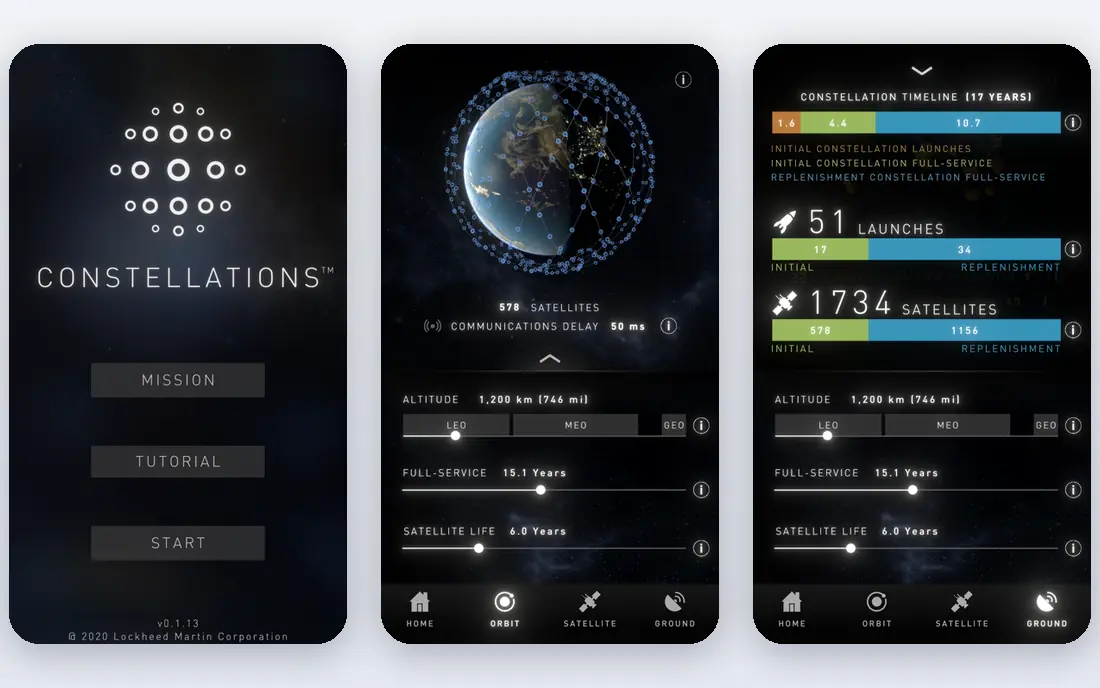
Lockheed Martin is a natural fit for engineers who want deep, long-running defense and space programs. The F-35, missile defense, and space work give teams years of complex problems to solve, from materials and propulsion to software and mission systems. Staff who stay often build rare expertise that is hard to gain in a short commercial product cycle, and the company has sites in Texas, Colorado, California, and several other states.
Clearance is the main gate. Some roles need US citizenship and a background check that takes time, and classified work limits what you can discuss outside the job. If you are comfortable with that setting, the work can be rewarding and stable. If you want open-source-style sharing or fast public launches, a commercial space firm may suit you better.
- Fighter, missile, and space programs
- Strong engineering depth
- Many US sites
- Much work needs a security clearance
- Defense focus is not for everyone
Northrop Grumman suits people who like systems thinking: how sensors, aircraft, spacecraft, and networks work together as one mission. Its work on advanced aircraft, space systems, and defense electronics rewards careful design, testing, and documentation. Engineers who enjoy the full life cycle, from early concept to flight test and support, often find the work more satisfying here than in a narrow component role.
The catch is visibility. Much of the most interesting work is classified, so you cannot always show it to a future employer or talk about it in detail. Hiring timelines can also stretch when clearance checks are involved. Weigh that against the depth of the programs and the chance to work on systems that few other employers build at all.
- B-21, space, and sensor programs
- Strong systems engineering culture
- Varied sites
- Classified work can limit public portfolio building
- Hiring can be slow
RTX brings together Collins Aerospace, Pratt and Whitney, and Raytheon, so its staff work on engines, avionics, radars, and missiles under one parent company. That mix is a real advantage if you want to move from a commercial engine program to a defense sensor program, or from hardware into software and systems integration. The company also has a broad supplier and maintenance footprint, which creates roles beyond pure design.
As with other large primes, your day-to-day life depends far more on your business unit than on the RTX name. Pratt and Whitney engine work feels different from Collins avionics work, and both differ from Raytheon missile work. Ask about the team, the product, and the location in the interview, and treat the corporate brand as a starting point, not the whole picture.
- Collins Aerospace and Pratt and Whitney brands
- Engines, avionics, and missiles
- Global sites
- Defense and commercial cycles pull in different directions
- Large structure can feel distant
SpaceX is the pick for engineers who want to see hardware fly, fail, improve, and fly again on a short cycle. Falcon launches, Starship development, and Starlink production give staff direct contact with rockets, satellites, and manufacturing at a scale no other private space company matches. People who like hands-on problem solving, rapid testing, and a strong shared mission often thrive here, even when the work is hard.
The pace is the honest catch. Long hours, weekend work, and high pressure are common reports from staff and former staff, and the culture is not a fit for everyone. Before applying, be clear about the hours you can sustain and the location you can accept, since Texas, California, and Florida sites differ. For the right person, the learning speed can outweigh the intensity.
- Falcon, Starship, and Starlink programs
- Hardware-rich, fast iteration
- Clear mission focus
- Demanding hours and pace
- High expectations and intense culture are widely reported
Airbus gives US applicants a way into one of the two great commercial aircraft makers without joining Boeing. Its A320 family work, including final assembly in Mobile, Alabama, sits beside engineering, support, and services roles in the US and abroad. Staff who want international programs, language exposure, and a commercial aviation focus often find Airbus a refreshing change from a defense-heavy career path.
The main point to check is where decisions are made. Headquarters and much design work sit in Europe, so some US roles are more focused on assembly, support, or specific systems than on full aircraft design. That is not a drawback if you want production or customer support work, but design-focused engineers should ask how much concept work their US team owns before they decide.
- Commercial aircraft leader
- US final assembly in Alabama
- Broad engineering roles
- European headquarters shapes some decisions
- US roles vary by program
General Dynamics is broader than many people expect. Gulfstream business jets, Electric Boat submarines, land combat vehicles, and mission systems all sit in the same group, so a career can cross from aviation into marine or ground systems. That spread suits staff who want long programs, skilled manufacturing work, and a mix of engineering and operations roles rather than a single narrow product line.
The group structure is also the drawback. Your experience will be shaped by your unit, whether that is Gulfstream in Georgia, Electric Boat in Connecticut and Rhode Island, or a mission systems team elsewhere. Research the unit, not just the parent name, and ask about program length, travel, and clearance needs for the exact role you are considering.
- Gulfstream, submarines, and combat systems
- Diverse businesses under one group
- Business units feel like separate companies
- Defense work dominates some units
L3Harris suits engineers and technicians who want defense technology work with a slightly smaller, more focused feel than the largest primes. Its strengths in tactical communications, sensors, electronic warfare, and space payloads give staff work that is directly tied to how military units communicate and see the battlefield. Teams tend to be product-focused, which can mean faster ownership of a system than in a much larger organization.
The trade-off is range. L3Harris is less known outside defense circles, and some product lines are narrow, so a move into commercial aviation later may need extra effort to explain your skills. If you are committed to defense electronics and communications, that narrow focus is a strength. If you want to keep commercial options open, pair the role with skills that transfer, such as software, RF design, or systems test.
- Radios, sensors, and space payloads
- Strong mid-size prime feel
- Many technical roles
- Some roles are niche defense electronics
- Less public brand recognition than larger primes
Blue Origin is a strong choice for space engineers who want ambitious programs with a steadier pace than the most intense launch startups. New Glenn, the BE-4 engine, and lunar lander work give staff real hardware programs, and the company has grown its engineering and manufacturing teams in Washington, Texas, Alabama, and Florida. People drawn to long-term space infrastructure, rather than only rapid launch cadence, often like the mission here.
The honest catch is pace and public visibility. Blue Origin has flown less often in public than SpaceX, and program timelines have shifted over the years. That can frustrate staff who want frequent flight feedback. Ask about the specific program stage, test schedule, and team size for your role, and judge the job on that detail rather than on space headlines alone.
- New Glenn, lunar lander, and engine programs
- Growing space workforce
- Mission-driven teams
- Slower public flight cadence than SpaceX
- Hiring and program pace vary by team
How we picked these
We started with companies that hire at scale in the US and have a clear aerospace or defense aviation footprint. We compared public careers pages, program types, locations, and the kind of work each employer is known for, rather than relying on a single ranking or review score. We also weighed breadth of roles, from design and manufacturing to test and support, because a good employer for a structures engineer may be a poor fit for a software engineer.
We left out small firms with only a handful of open roles, even when their work is interesting, because most readers need a realistic chance of finding a job. We also treated pay and benefits as location-specific: the same company can offer different packages in different states, and clearance, shift work, and travel change the real value of a role. Use this list to shortlist, then verify the exact team, site, and terms before you apply.
How to compare aerospace employers
Start with the work, not the logo. A job title can hide very different days: one design engineer spends most time in analysis software, another spends it on a factory floor or a test range. Read the job description for the product, the program stage, and the tools named, and ask in interviews how much time goes to design, test, documentation, and travel. That detail tells you more than any employer ranking.
Next, check the practical gates. Defense roles may need citizenship and a clearance, space roles may need weekend test support, and manufacturing roles may run on shifts. Ask about relocation help, training, internal moves, and how often staff move between programs. A company that supports internal moves can rescue a career when a program ends, while a narrow role can leave you exposed.
Finally, weigh stability against speed. Large primes often offer steadier programs and clearer benefits, while newer space firms offer faster learning and more visible hardware. Neither is better in general. Match the choice to your stage of life, your appetite for risk, and the skills you want in three years, then apply to more than one employer so you can compare real offers.
FAQ
What is the best aerospace company to work for overall?
There is no single winner, because the best choice depends on your field. Boeing and Airbus suit commercial aviation careers, Lockheed Martin and Northrop Grumman suit defense and space systems work, and SpaceX suits engineers who want fast hardware cycles. Shortlist by program type and location, then compare the actual team and offer.
Do aerospace jobs require a security clearance?
Many defense jobs do, and some also need US citizenship. Commercial aviation, manufacturing support, and some space roles may not need a clearance, but the requirement is set by the program, not the company as a whole. Check the job posting and ask the recruiter early, since clearance checks can add months to hiring.
Which aerospace company pays best?
Pay varies by role, location, clearance, and experience, so a national average can mislead. Large primes and space firms often pay well for scarce skills such as propulsion, RF design, and flight software, while manufacturing and support roles follow local market rates. Compare the full offer, including bonuses, stock, and benefits, for the same city.
Is SpaceX or Blue Origin better to work for?
SpaceX generally offers faster flight cadence and more hands-on iteration, while Blue Origin often offers a steadier pace on long-term space programs. The better fit depends on how much intensity you want and which program you would join. Talk to staff on the specific team if you can, since team culture varies inside both companies.
Can I work in aerospace without an engineering degree?
Yes. Aerospace employers hire technicians, machinists, inspectors, planners, supply chain staff, software testers, and program managers, among other roles. An engineering degree helps for design roles, but skilled trades and operations roles are central to building and flying aircraft and spacecraft, and many offer training and certification paths.